Tacked milkcap

Lactarius trivialis

A species of Milk-caps.

The Tacked Milkcap mushroom, found either alone or in clusters beneath birch and conifer trees, has had its entire genetic makeup sequenced by researchers. Its initial description was provided in 1838 by the Swedish mycologist and botanist Elias Magnus Fries, appearing in his work Epicrisis Systematis Mycologici. This fungus secretes a distinctive milky liquid, which is the origin of its well-known name.

In This Article
Attributes Classification Toxicity

Attributes of Tacked milkcap

ForwardPlant - ID plants and mushrooms, and learn more about them🌿

Identify and diagnose plants, get toxicity alerts, and explore safety guides for all types of fungi.

Try for Free
Cap Diameter
5 - 18 cm
Height
5 - 15 cm
Cap
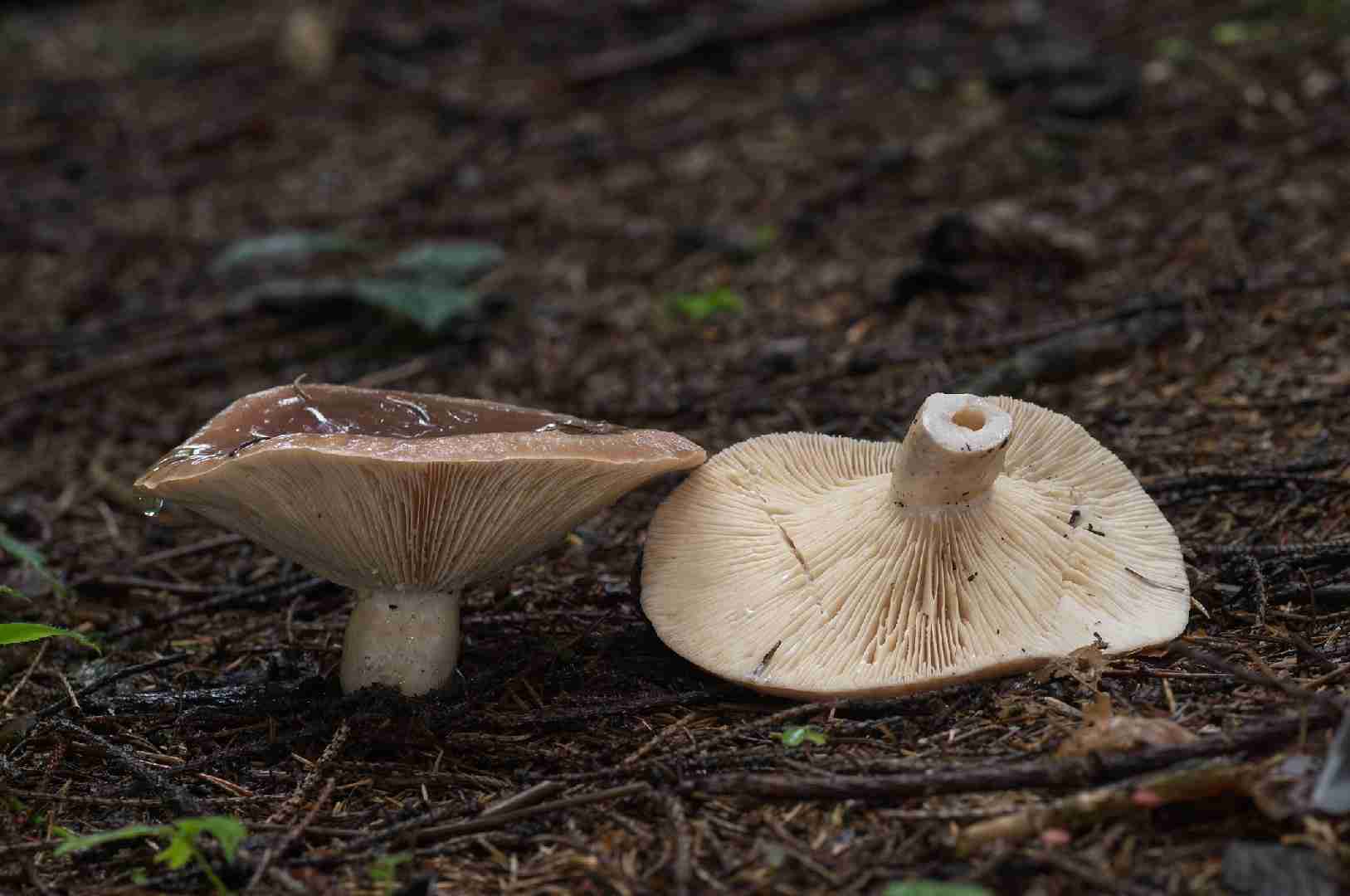
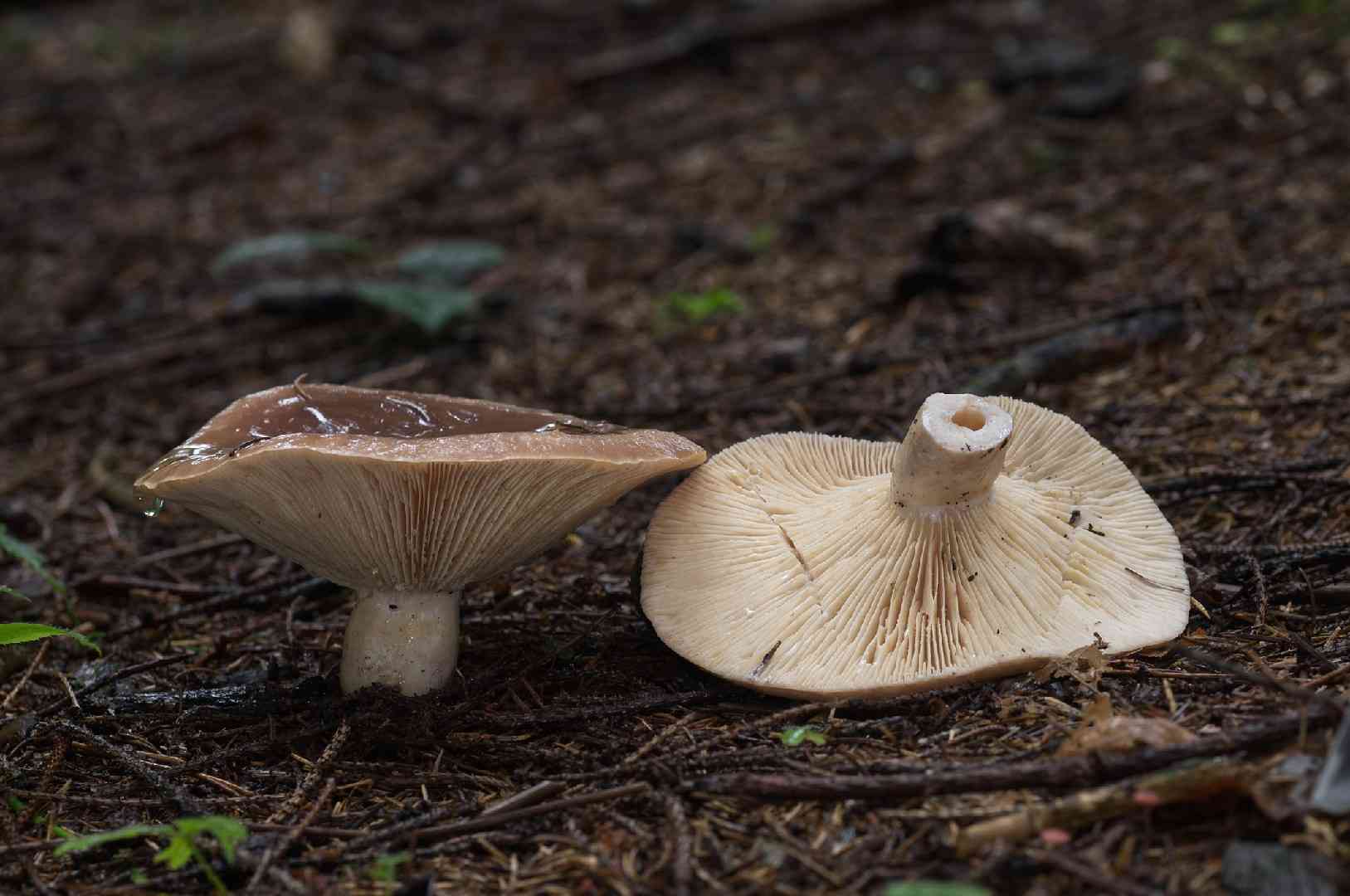
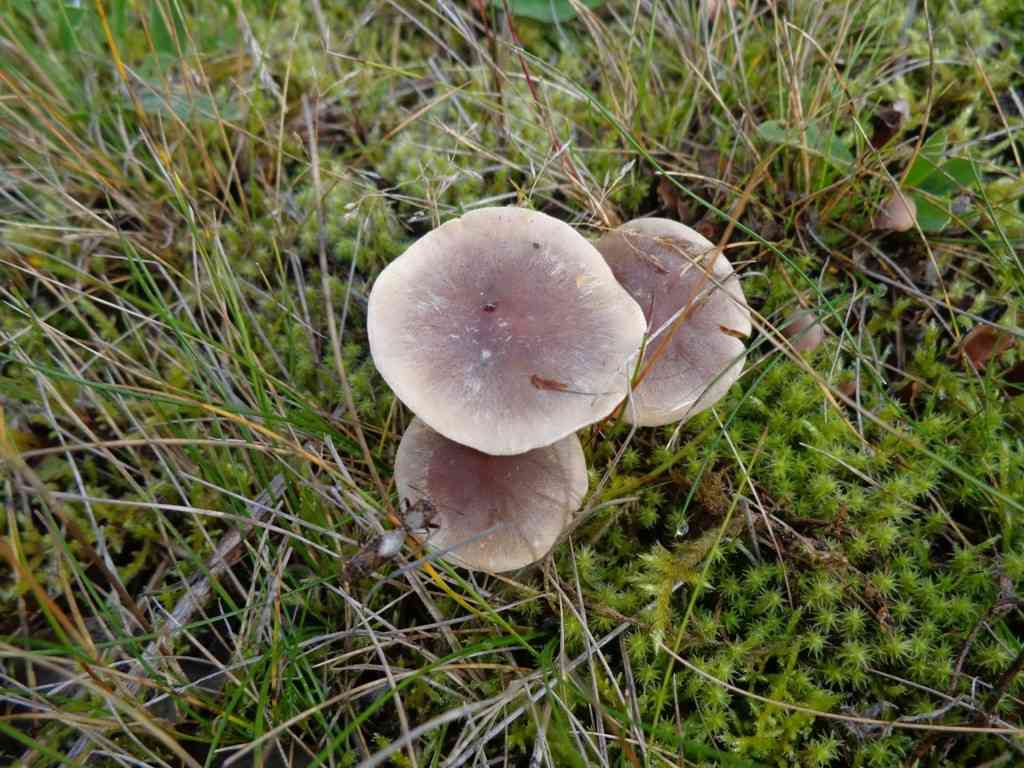
Cap 5 - 18 cm across; convex; violaceous-fuscous, cinnamon-tan; margin incurved, downy, soon smooth
Cap Shape
Convex, Depressed
Cap Surfaces
Fibrillose-scaly
Gills
Adnate; close; pale cinnamon to pale tan
Gill Attachment
Attached
Stem
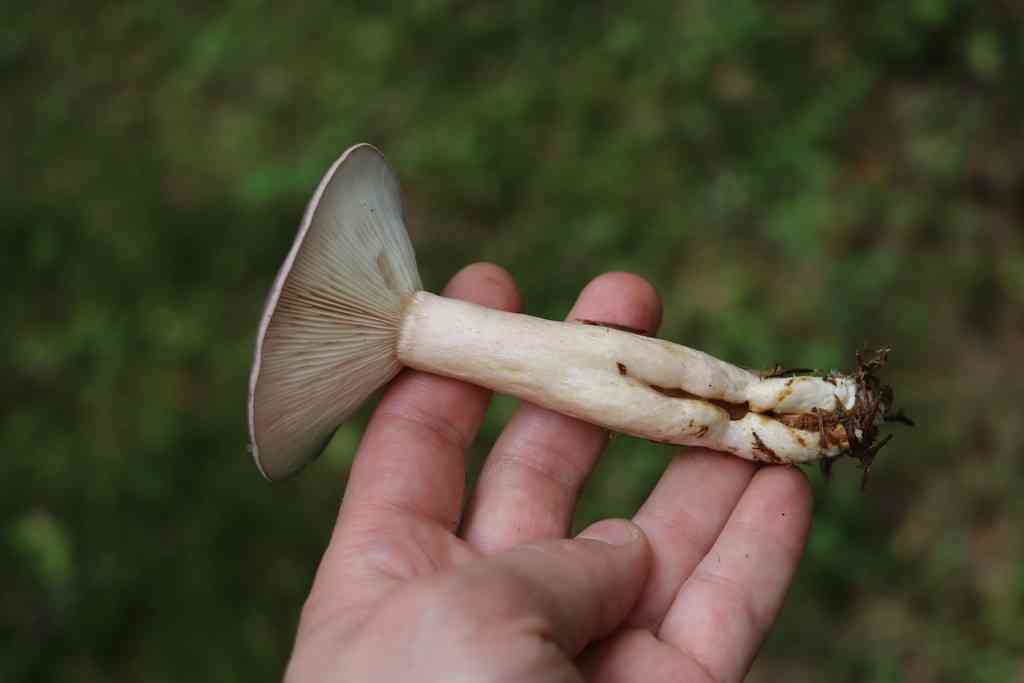
Stem 5 - 15 cm long, 1 - 2.5 cm thick; pale cinnamon to pale tan; fragile; with white-strigose
Stem Shapes
Cylindrical
Flesh
Thick; firm; whitish
Ring
Ringless
Spore Print Color
Cream
Odor
Mildly mushroomy but not distinctive.
Body Color
BrownPurple
Flesh Bruises
Discolor to pink or purple
Growth Form
Solitary, Scattered, Gregarious
Nutrient Gathering
Mycorrhizal
Substrate
On soil
You can find Tacked milkcap by these plants
Balsam fir, Eastern hemlock, Spruces, Pines
Species Status
Common
Endangered Species
No

Scientific Classification of Tacked milkcap

ForwardPlant APP

AI mushroom expert in your pocket

Try for Free
Phylum
Club fungi
Class
Mushroom-forming fungi
Order
Russulales
Family
Russulaceae
Genus
Milk-caps
⚠️

Toxicity and Edibility of Tacked milkcap

ForwardPlant: Identify & Forage

Your Essential Guide to Edible vs. Toxic Mushrooms. Forage with Confidence!

Try for Free

Is Tacked milkcap Toxic?

The Tacked Milkcap mushroom is commonly encountered in diverse environments, its presence influenced by seasonal and meteorological factors. Ingesting this fungus can lead to digestive discomfort, manifesting as sickness, throwing up, abdominal pains, and loose stools. In more serious instances, it could precipitate visual and motor impairments, and potentially harm the liver and kidneys. From a structural perspective, the Tacked Milkcap possesses distinguishable features that differentiate it from its non-poisonous counterparts, necessitating thorough identification.


Toxins type
Terpenoid
Type of poisoning
Gastrointestinal
Toxic Severity
Moderate toxicity
Incubation Period
0.5-4 hours
Poisoning Symptoms
Common symptoms include gastrointestinal distress, characterized by nausea, vomiting, cramps, and diarrhea. In more severe cases, poisoning can lead to issues beyond the digestive system, such as vision problems, movement disorders like tremors or ataxia, and potential damage to vital organs like the liver and kidneys.