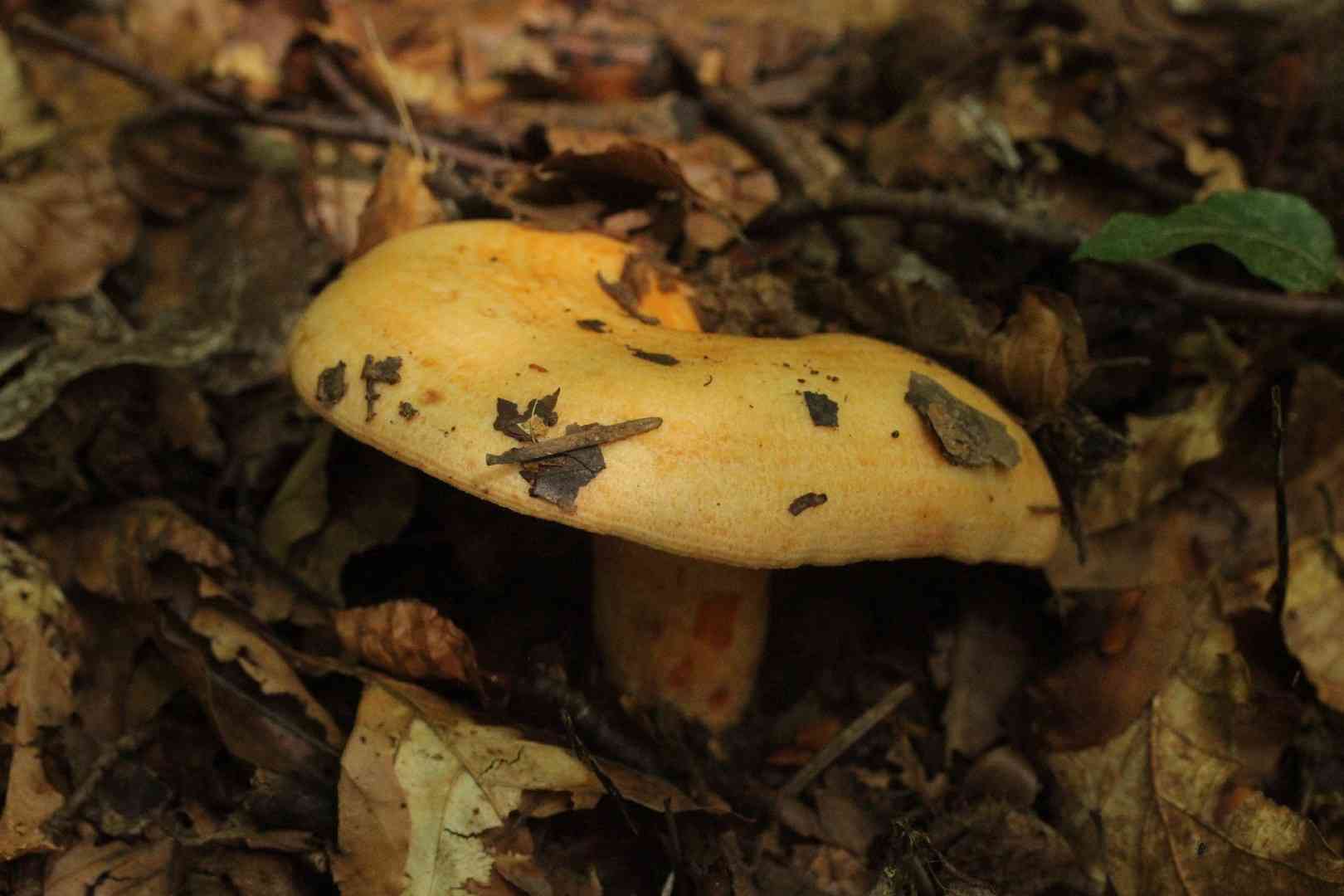
Salmon milkcap
Lactarius salmonicolor
A species of Milk-caps.
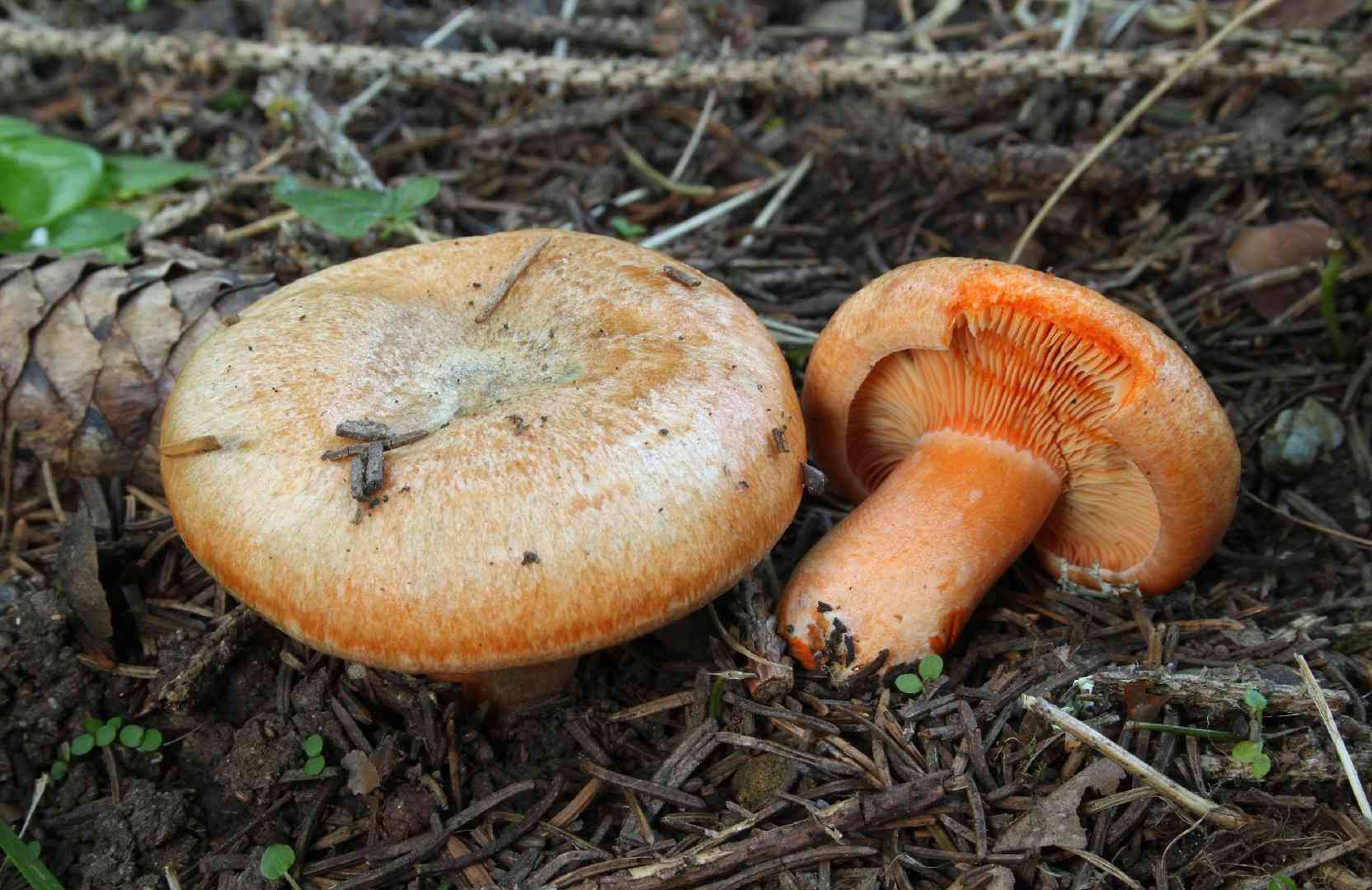
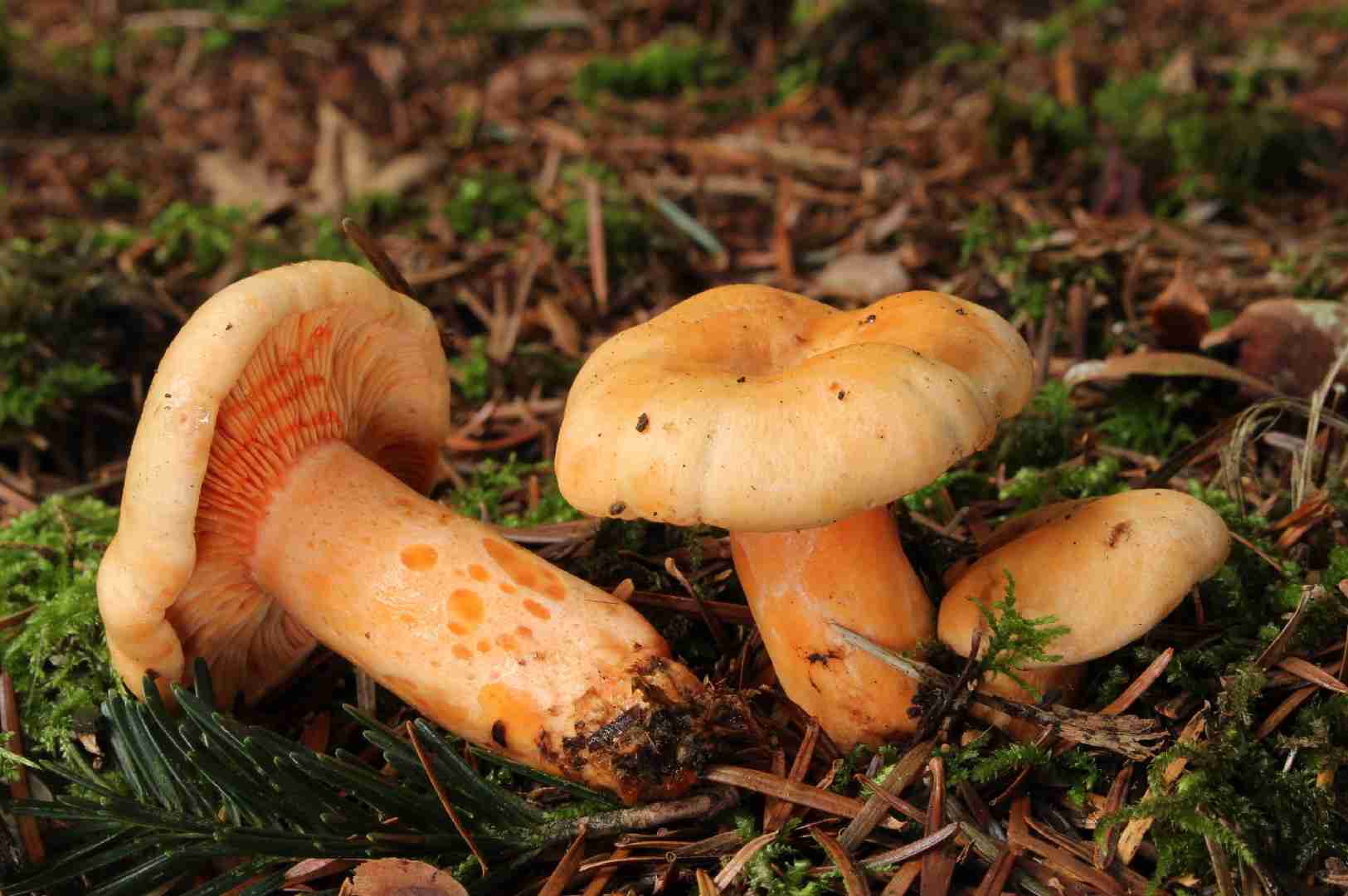
Observing the cap of the salmon milkcap, one could be struck by its resemblance to the lustrous skin of a salmon. This distinct hue is what gave rise to its scientific designation, Lactarius salmonicolor , with its species epithet directly translating to salmon-colored. These fungi are typically found flourishing beneath the cover of Fir trees.
In This Article
Attributes of Salmon milkcap
Cap Diameter
4 - 15 cm
Height
4 - 12 cm
Cap
Cap up to 12 cm; irregularly shaped; orange-reddish; smooth and viscid
Cap Shape
Flat, Depressed
Cap Surfaces
Slimy or slightly sticky
Gills
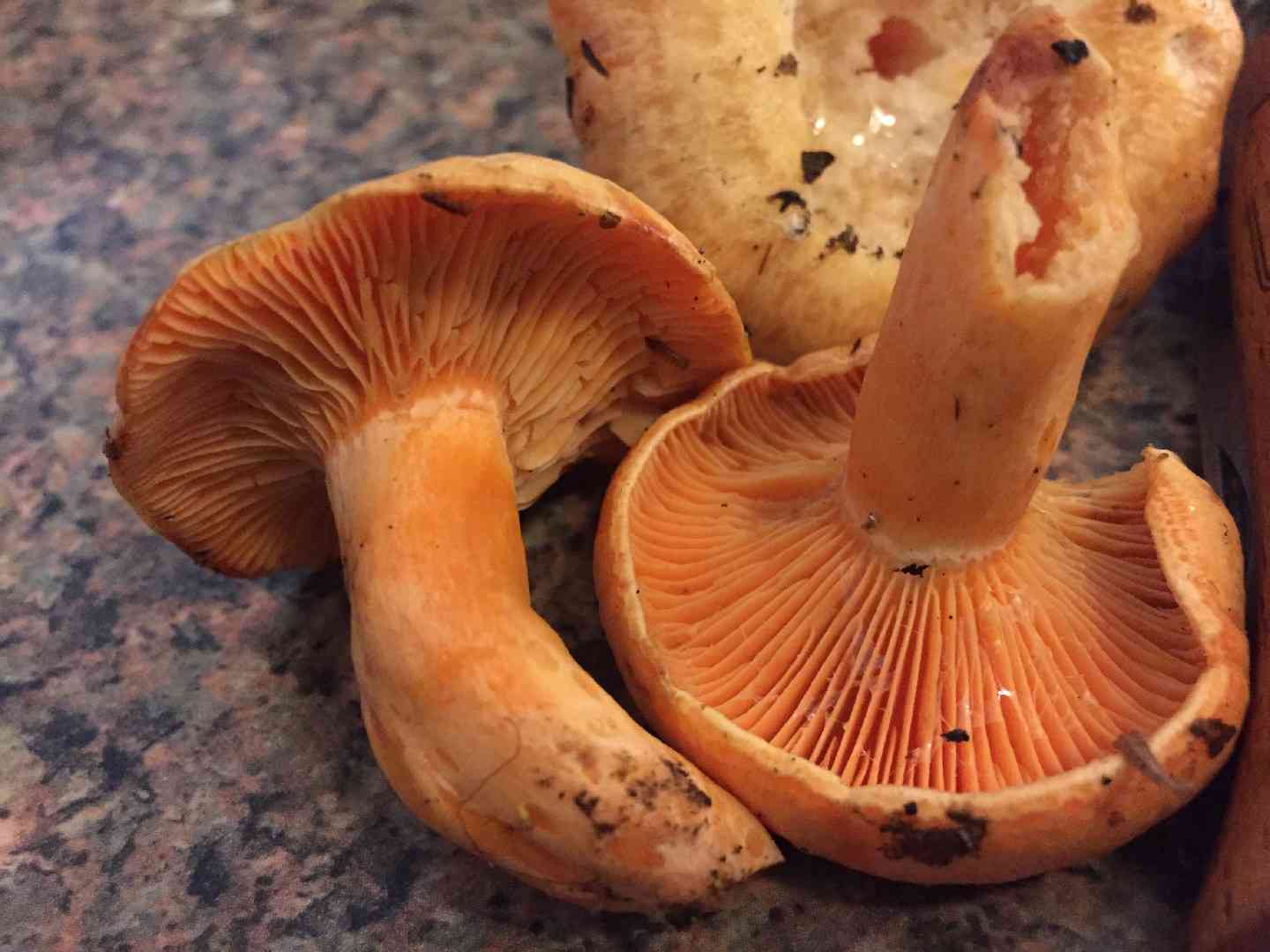
Salmon-orange; splitting as they become decurrent on the beginning of the stipe; turn red after bruising
Gill Attachment
Attached
Stem
Stem 1.5 - 13 cm in height, 6 - 30 mm in thick; cylindrical
Stem Shapes
Cylindrical
Flesh
Thin; firm; whitish, cream-pale orange without hues of green, turning after about one hour brown-reddish
Ring
Ringless
Spore Print Color
Pale yellow
Odor
Mildly sweet and reminiscent of fruit.
Body Color
GreenRedOrange
Flesh Bruises
Discolor to pink or red
Growth Form
Solitary, Scattered, Gregarious
Nutrient Gathering
Mycorrhizal
Substrate
On soil
You can find Salmon milkcap by these plants
Arborvitae, Firs, Norway spruce, Oaks
Species Status
Rare
Endangered Species
No
Scientific Classification of Salmon milkcap
Phylum
Club fungi
Class
Mushroom-forming fungi
Order
Russulales
Family
Russulaceae
Genus
Milk-caps
Toxicity and Edibility of Salmon milkcap
Is Salmon milkcap Toxic?
Toxicity information is not available for this mushroom. Always consult with an expert before consuming any wild mushrooms.