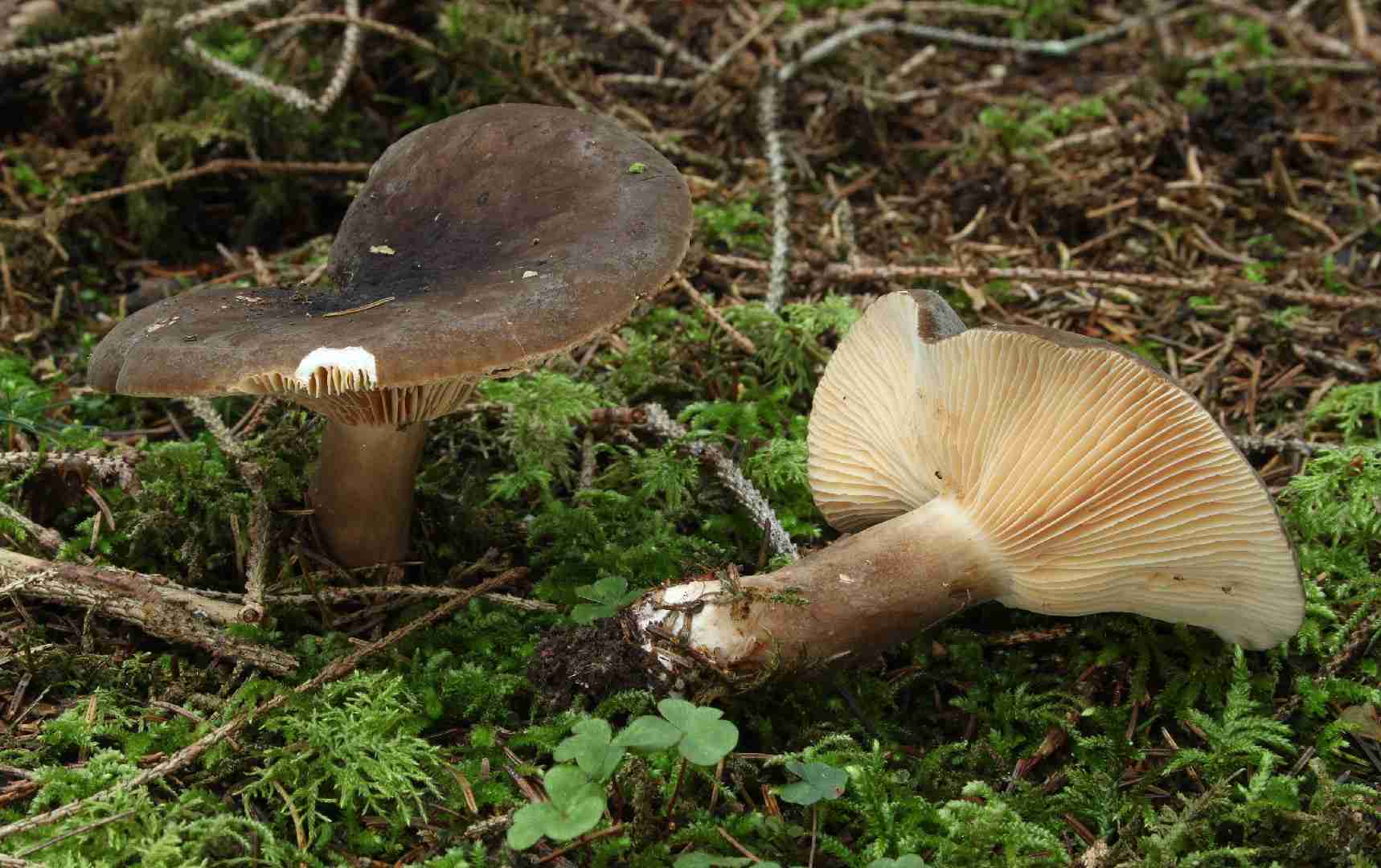
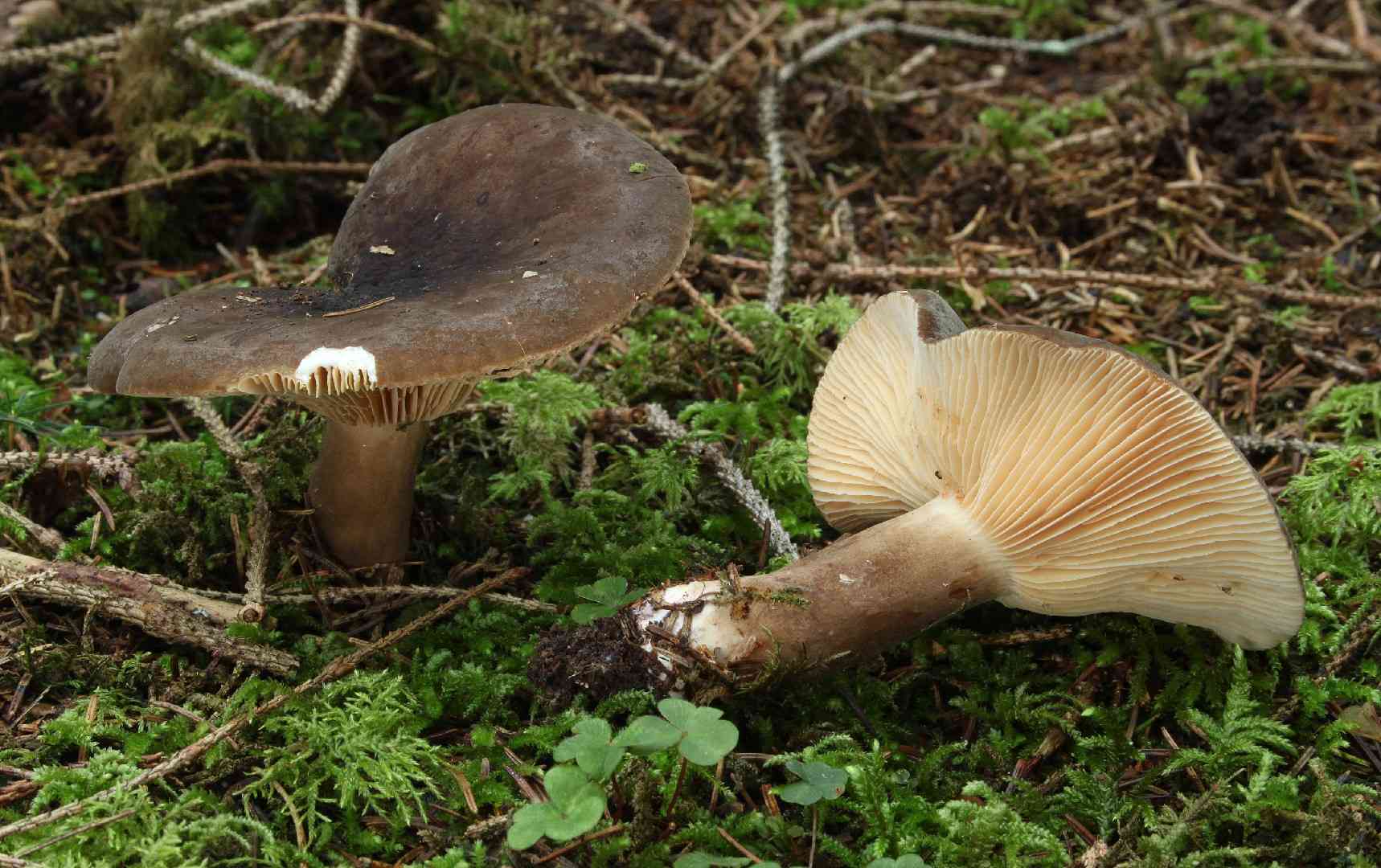
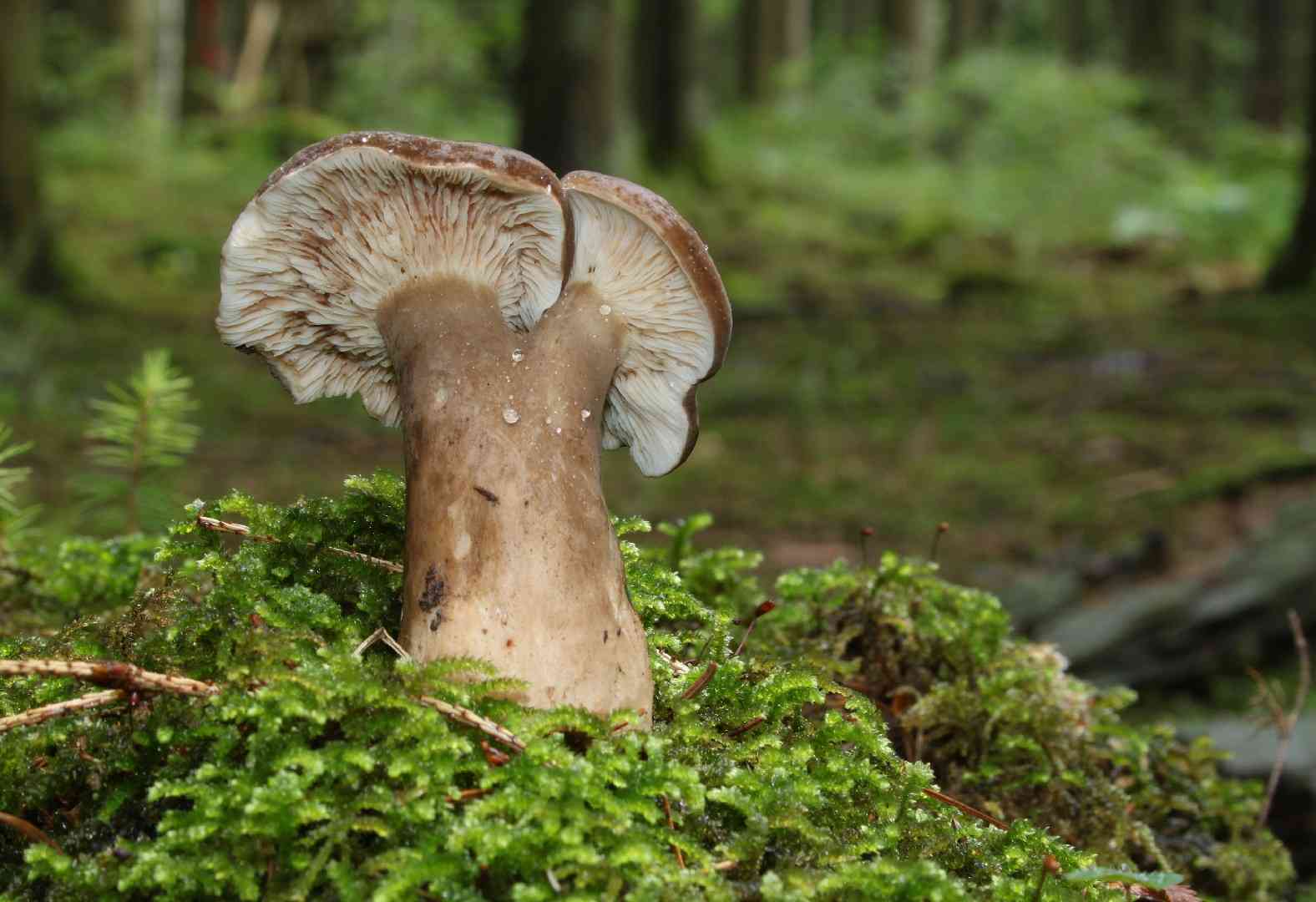
Lactarius picinus

Lactarius picinus

A species of Milk-caps.

Lactarius picinus commonly presents with a deep, brownish-red cap, often featuring a gently indented middle. Its lamellae are densely packed, and the stipe typically matches the cap's coloration. When incised, Lactarius picinus exudes a milky white latex. This species is native to conifer woodlands, where it establishes symbiotic associations with tree root systems. Its morphology undergoes significant transformation as it progresses from an immature to a fully developed state.

In This Article
Attributes Classification Toxicity

Attributes of Lactarius picinus

ForwardPlant - ID plants and mushrooms, and learn more about them🌿

Identify and diagnose plants, get toxicity alerts, and explore safety guides for all types of fungi.

Try for Free
Cap Diameter
3 - 9 cm
Height
4 - 12 cm
Cap
Cap 2 - 10 cm across; brown to black; surface smooth
Cap Shape
Convex, Flat
Cap Surfaces
Velvety
Gills
Adnate to decurrent; crowded; cream to ochre
Stem
Stem 5 - 15 cm long, 1.5 - 3 cm thick; brown to black
Stem Shapes
Cylindrical
Flesh
Grainy; white; turns pink when exposed to air
Ring
Ringless
Spore Print Color
White
Odor
Mildly mushroomy but not distinctive.
Body Color
BrownBlack
Flesh Bruises
The flesh or milk does not discolor when bruised or cut.
Growth Form
Solitary, Scattered, Gregarious
Nutrient Gathering
Mycorrhizal
Substrate
On soil
You can find Lactarius picinus by these plants
Spruces, Oaks
Species Status
Quite rare

Scientific Classification of Lactarius picinus

ForwardPlant APP

AI mushroom expert in your pocket

Try for Free
Phylum
Club fungi
Class
Mushroom-forming fungi
Order
Russulales
Family
Russulaceae
Genus
Milk-caps
⚠️

Toxicity and Edibility of Lactarius picinus

ForwardPlant: Identify & Forage

Your Essential Guide to Edible vs. Toxic Mushrooms. Forage with Confidence!

Try for Free

Is Lactarius picinus Toxic?

Lactarius picinus, a mushroom species, thrives across diverse habitats and is most prevalent during particular periods. Ingesting it poses risks due to its gastrointestinal toxicity, leading to symptoms like nausea, abdominal pain, sickness, and loose stools. More severe reactions might include impaired vision, involuntary shaking, coordination issues, and potential damage to internal organs. Its unique physical characteristics allow for differentiation from harmless types, preventing accidental ingestion.


Toxins type
Terpenoid
Type of poisoning
Gastrointestinal
Toxic Severity
Moderate toxicity
Incubation Period
0.5-4 hours
Poisoning Symptoms
Common symptoms include gastrointestinal distress, characterized by nausea, vomiting, cramps, and diarrhea. In more severe cases, poisoning can lead to issues beyond the digestive system, such as vision problems, movement disorders like tremors or ataxia, and potential damage to vital organs like the liver and kidneys.