Alder milkcap

Lactarius obscuratus

A species of Milk-caps.

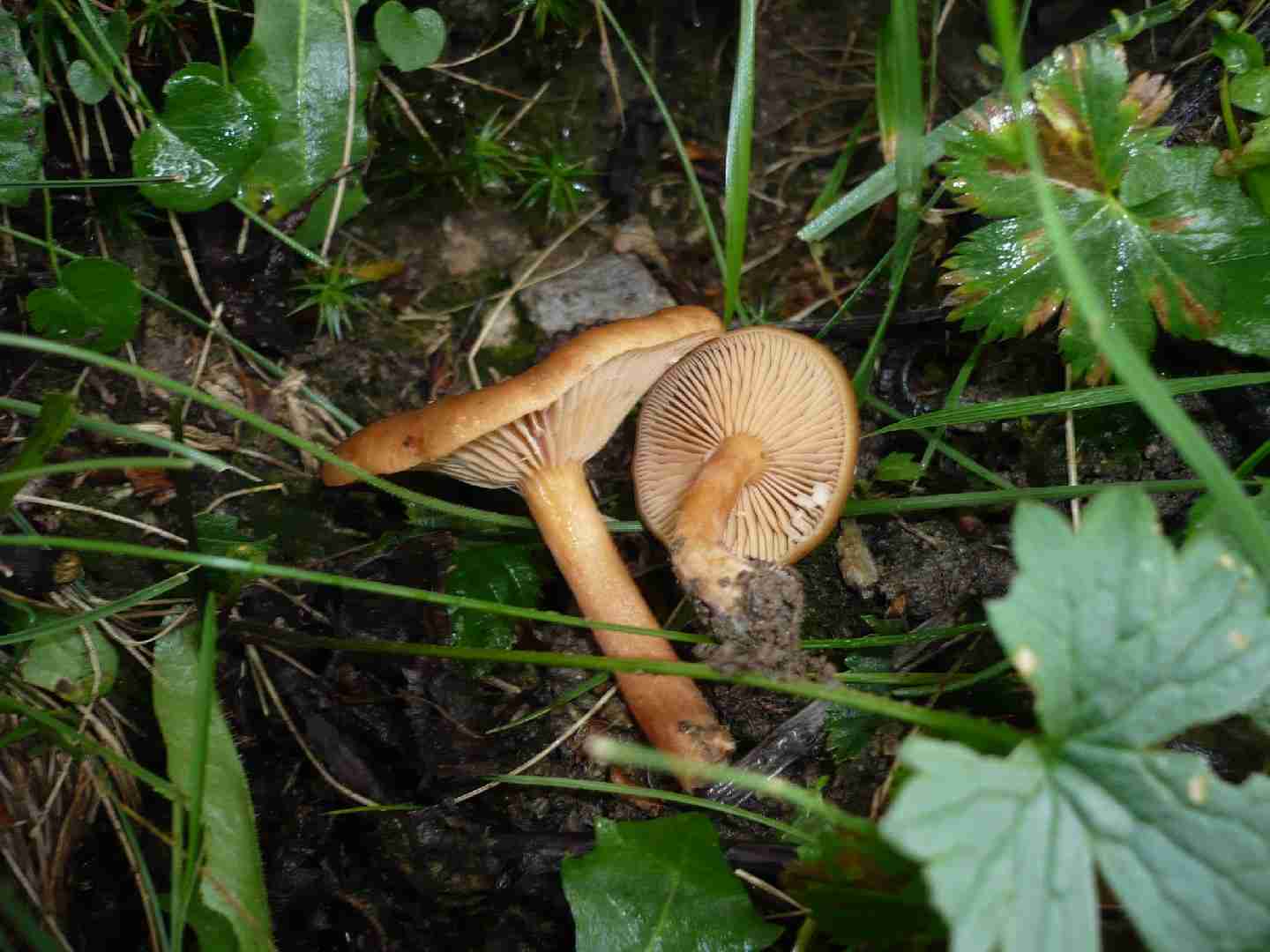
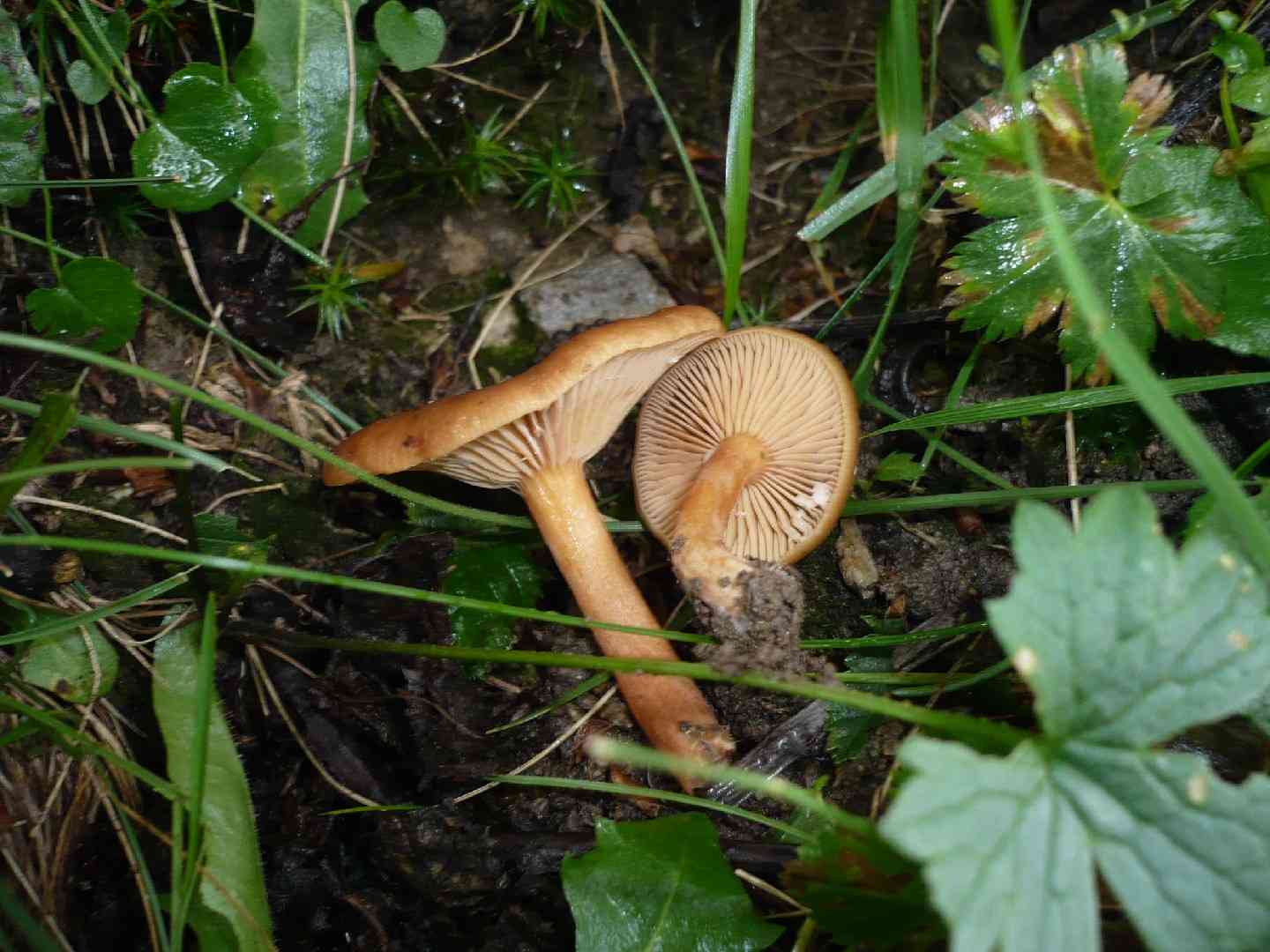
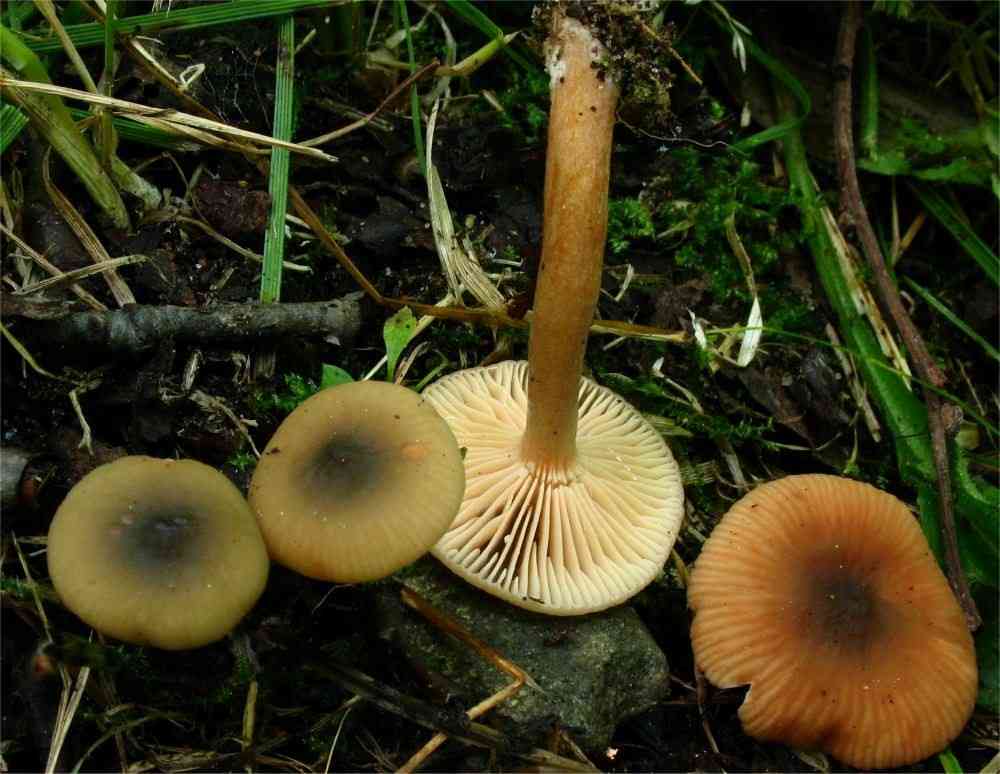
The alder milkcap thrives predominantly alongside alder trees, preferring moist, peaty ground. It features a unique cap, varying in shades from yellowish-brown to reddish-brown, often displaying circular bands of color. Its gills are connected to the stalk, which shares the same coloration as the cap. When incised or damaged, the alder milkcap exudes a milky sap, usually white.

In This Article
Attributes Classification Toxicity

Attributes of Alder milkcap

ForwardPlant - ID plants and mushrooms, and learn more about them🌿

Identify and diagnose plants, get toxicity alerts, and explore safety guides for all types of fungi.

Try for Free
Cap Diameter
2 - 5 cm
Height
1 - 7 cm
Cap
Cap 5 - 30 mm across; convex to flat; orange-rusty brown, olive greenish tinge; with translucent radially grooved
Cap Shape
Flat, Central Bump
Cap Surfaces
Slimy or slightly sticky, Visible lines or stripes
Gills
Attached, shortly decurrent; relatively dense; light ocher reddish
Gill Attachment
Attached
Stem
Stem 1.5 - 4 cm long, 3 - 4 mm thick; cylindrical; ocher-orange
Stem Shapes
Club Shaped
Flesh
Brittle; whitish; unchanging
Ring
Ringless
Spore Print Color
White
Odor
Mild, faintly fruit-like scent.
Body Color
BrownGreenOrange
Flesh Bruises
The flesh or milk does not discolor when bruised or cut.
Growth Form
Solitary, Scattered, Gregarious
Nutrient Gathering
Mycorrhizal
Substrate
On soil
You can find Alder milkcap by these plants
Spruces, Oaks, Black alder
Species Status
Widespread and quite common
Endangered Species
No

Scientific Classification of Alder milkcap

ForwardPlant APP

AI mushroom expert in your pocket

Try for Free
Phylum
Club fungi
Class
Mushroom-forming fungi
Order
Russulales
Family
Russulaceae
Genus
Milk-caps
⚠️

Toxicity and Edibility of Alder milkcap

ForwardPlant: Identify & Forage

Your Essential Guide to Edible vs. Toxic Mushrooms. Forage with Confidence!

Try for Free

Is Alder milkcap Toxic?

Lactarius tabidus, commonly inhabiting forest environments, is known to induce digestive upset upon ingestion, with severe instances potentially affecting other bodily systems. Its unique physical characteristics facilitate its differentiation from edible fungi. Due to its inherent toxicity, consumption by humans is strongly discouraged. It is advisable to refrain from gathering or consuming this mushroom without the supervision of a knowledgeable expert.


Toxins type
Terpenoid
Type of poisoning
Gastrointestinal
Toxic Severity
Moderate toxicity
Incubation Period
0.5-4 hours
Poisoning Symptoms
Common symptoms include gastrointestinal distress, characterized by nausea, vomiting, cramps, and diarrhea. In more severe cases, poisoning can lead to issues beyond the digestive system, such as vision problems, movement disorders like tremors or ataxia, and potential damage to vital organs like the liver and kidneys.