Lilac milkcap

Lactarius lilacinus

A species of Milk-caps.

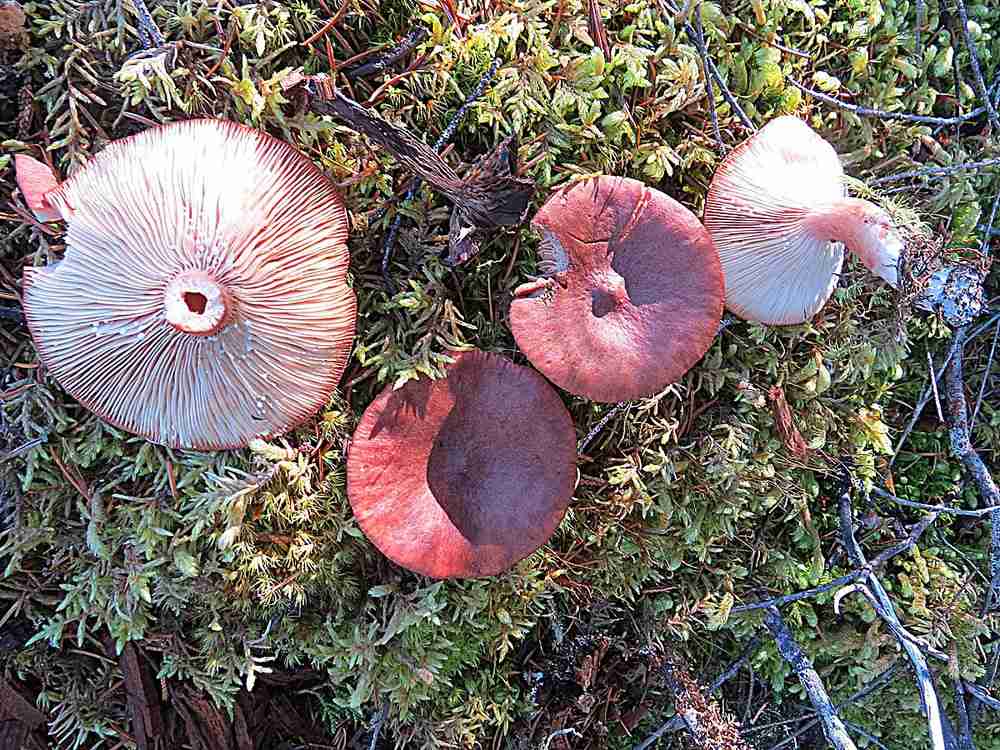
The violet milkcap is an easily recognizable fungus, initially displaying a lavender to lilac hue on its cap, which gradually diminishes over time. It thrives in particular forested areas, engaging in a symbiotic relationship with trees by aiding their nutrient absorption. When damaged, it exudes a milky fluid. This mushroom is of moderate size, and its cap progressively takes on a funnel-like shape. While its look is captivating, discretion is advised regarding its potential applications.

In This Article
Attributes Classification Toxicity

Attributes of Lilac milkcap

ForwardPlant - ID plants and mushrooms, and learn more about them🌿

Identify and diagnose plants, get toxicity alerts, and explore safety guides for all types of fungi.

Try for Free
Cap Diameter
4 - 7 cm
Cap
Cap 4 - 7 cm; flatdepressed; brown-pink to pink-lilac; cuticle dry, finely furfuraceous, then squamulose
Cap Shape
Convex, Flat, Depressed
Cap Surfaces
Velvety
Gills
Shortly decurrent; not very crowded; ochre-pink, then very like cap color
Gill Attachment
Attached
Stem
4-8 x 0.6-0.8 cm; slender, enlarged at base, solid then hollow; ochre-pink
Flesh
Whitish lilac
Ring
Ringless
Spore Print Color
White
Odor
Mildly chicory with acrid notes.
Body Color
PurplePink
Growth Form
Solitary, Scattered
Nutrient Gathering
Mycorrhizal
Substrate
On soil
You can find Lilac milkcap by these plants
Pines, Oaks, Black alder, Willows
Species Status
Quite frequent and plentiful
Endangered Species
No

Scientific Classification of Lilac milkcap

ForwardPlant APP

AI mushroom expert in your pocket

Try for Free
Phylum
Club fungi
Class
Mushroom-forming fungi
Order
Russulales
Family
Russulaceae
Genus
Milk-caps
⚠️

Toxicity and Edibility of Lilac milkcap

ForwardPlant: Identify & Forage

Your Essential Guide to Edible vs. Toxic Mushrooms. Forage with Confidence!

Try for Free

Is Lilac milkcap Toxic?

The lilac milkcap, a mushroom known for its distinctive characteristics, is linked to various gastrointestinal issues including nausea, vomiting, cramping, and diarrhea; severe instances could impair vision, coordination, and cause damage to critical organs. Recognizing this species, which emerges during particular seasons and under certain environmental conditions, is crucial to avoiding accidental consumption. It is explicitly not advised for human consumption.


Toxins type
Terpenoid
Type of poisoning
Gastrointestinal
Toxic Severity
Moderate toxicity
Incubation Period
0.5-4 hours
Poisoning Symptoms
Common symptoms include gastrointestinal distress, characterized by nausea, vomiting, cramps, and diarrhea. In more severe cases, poisoning can lead to issues beyond the digestive system, such as vision problems, movement disorders like tremors or ataxia, and potential damage to vital organs like the liver and kidneys.