Liver milkcap

Lactarius hepaticus

A species of Milk-caps.

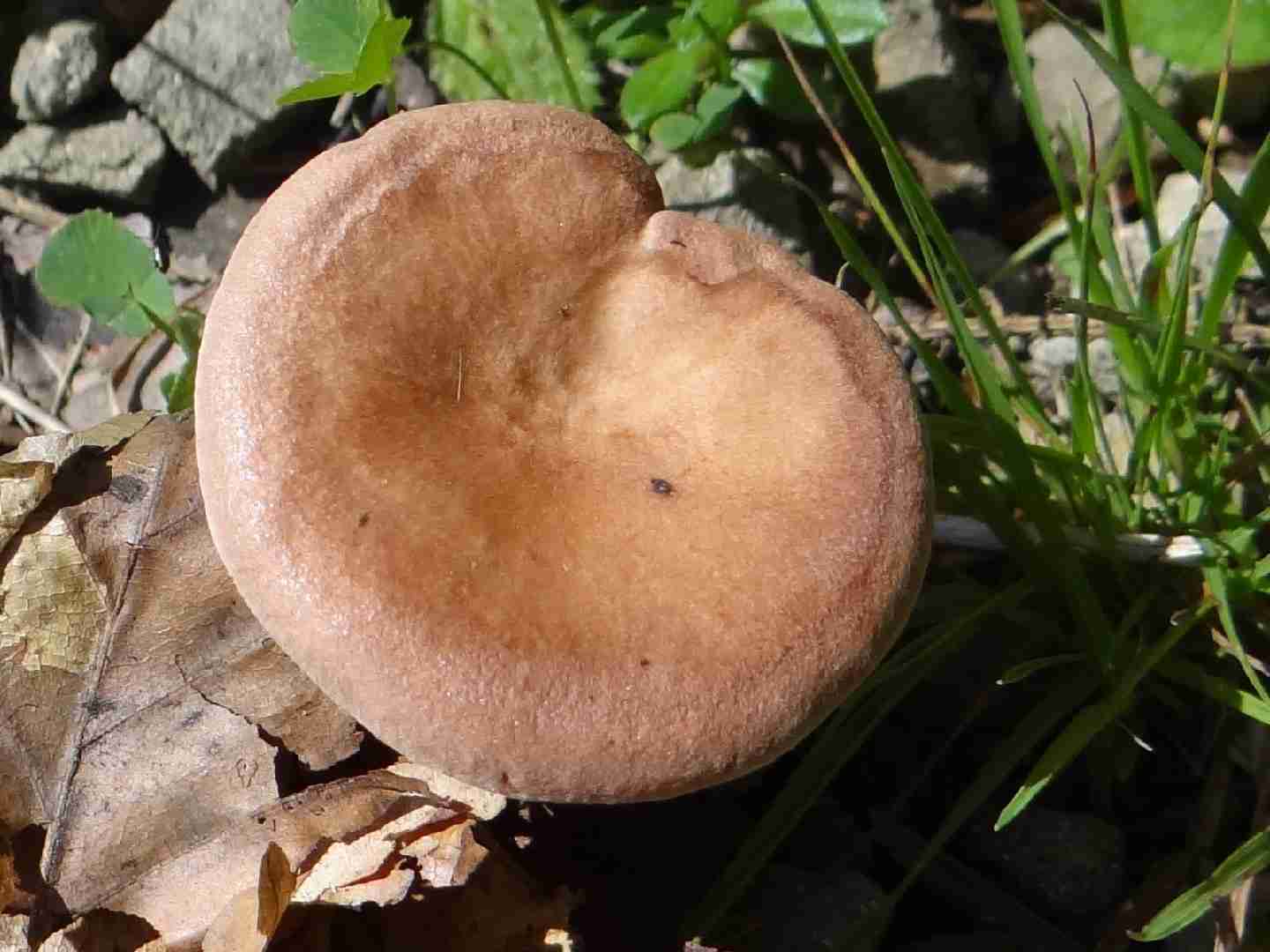
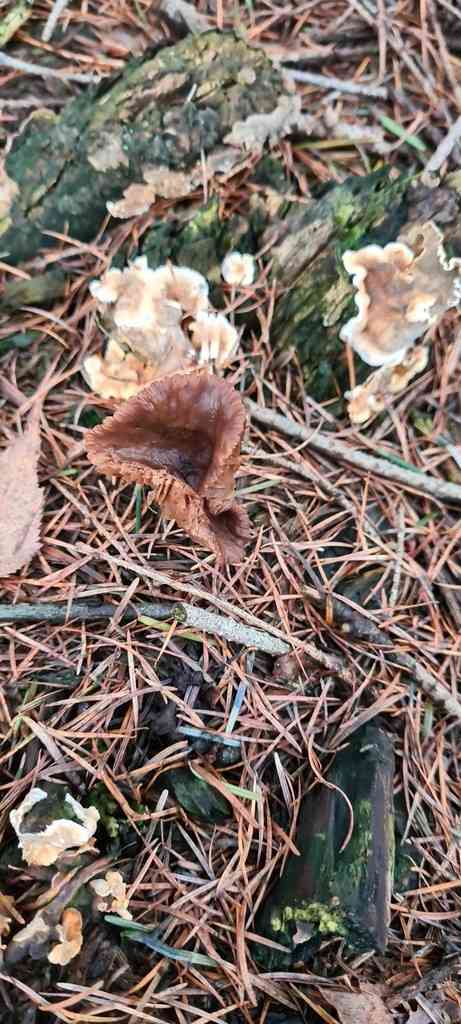
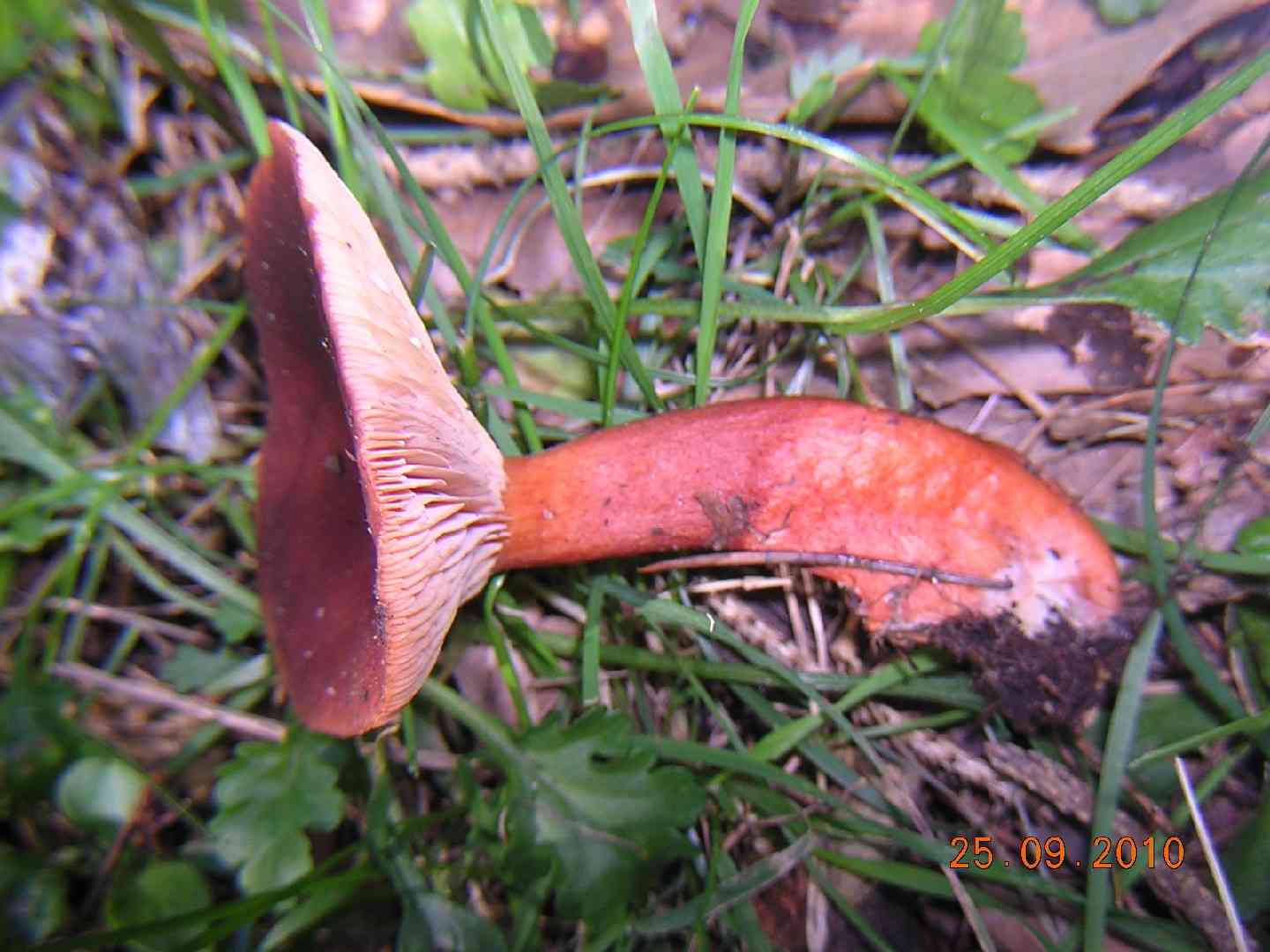
Lactifluus hepaticus presents with a notable reddish-brown cap, occasionally displaying faint concentric zonation. Beneath the cap, its lamellae are frequently creamy and may release a latex-like fluid upon injury. This fungus commonly thrives in coniferous soils and establishes mutualistic connections with these trees, which is crucial for forest health.

In This Article
Attributes Classification Toxicity

Attributes of Liver milkcap

ForwardPlant - ID plants and mushrooms, and learn more about them🌿

Identify and diagnose plants, get toxicity alerts, and explore safety guides for all types of fungi.

Try for Free
Cap Diameter
3 - 9 cm
Height
4 - 10 cm
Cap
Cap 3 - 9 cm across; convex to flat; reddish brown, brown; surface smooth
Cap Shape
Convex, Flat, Depressed, Central Bump
Cap Surfaces
Smooth
Gills
Attached, decurrent; close; whitish to pinkish or very pale tan; unchanging when bruised
Gill Attachment
Attached
Stem
Stem 4 - 9 cm long, 1 cm thick; equal; reddish brown, brown; surface smooth
Stem Shapes
Cylindrical
Stem Surfaces
Smooth
Flesh
Thin; pale; unchanging when sliced
Ring
Ringless
Spore Print Color
Cream
Odor
Mildly mushroomy but not distinctive.
Body Color
BrownRed
Flesh Bruises
Discolor to yellowish
Growth Form
Scattered, Gregarious
Nutrient Gathering
Mycorrhizal
Substrate
On soil
You can find Liver milkcap by these plants
Spruces, Oaks, Pines, Scots pine
Occurence Habitats
Coniferous Woodland
Species Status
Widely distributed
Endangered Species
No

Scientific Classification of Liver milkcap

ForwardPlant APP

AI mushroom expert in your pocket

Try for Free
Phylum
Club fungi
Class
Mushroom-forming fungi
Order
Russulales
Family
Russulaceae
Genus
Milk-caps
⚠️

Toxicity and Edibility of Liver milkcap

ForwardPlant: Identify & Forage

Your Essential Guide to Edible vs. Toxic Mushrooms. Forage with Confidence!

Try for Free

Is Liver milkcap Toxic?

The liver milkcap usually inhabits forested areas, appearing under specific environmental conditions and times of the year. Ingesting its toxins can lead to several negative health consequences in humans, predominantly stomach and bowel issues, which could escalate to severe problems like impaired vision, mobility difficulties, and possible damage to internal organs. While its unique characteristics aid in differentiating it from edible varieties, it is strongly advised against consuming it under any circumstances.


Toxins type
Terpenoid
Type of poisoning
Gastrointestinal
Toxic Severity
Moderate toxicity
Incubation Period
0.5-4 hours
Poisoning Symptoms
Common symptoms include gastrointestinal distress, characterized by nausea, vomiting, cramps, and diarrhea. In more severe cases, poisoning can lead to issues beyond the digestive system, such as vision problems, movement disorders like tremors or ataxia, and potential damage to vital organs like the liver and kidneys.