Lactarius flexuosus

Lactarius flexuosus

A species of Milk-caps.

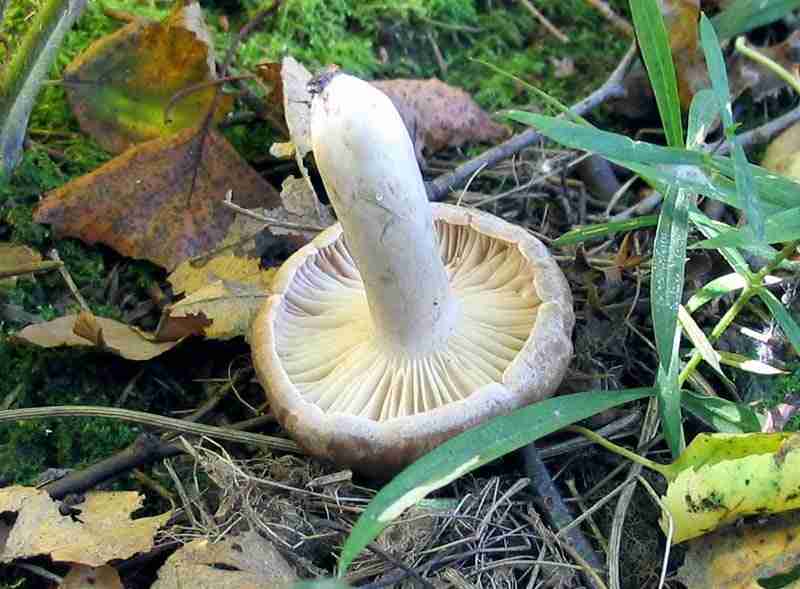
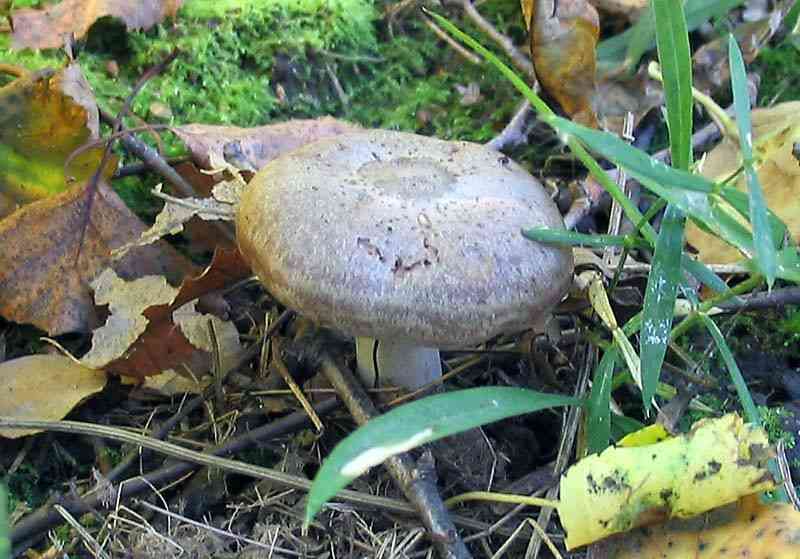
Lactarius flexuosus, a species belonging to the the Russulaceae family, is recognized for its notable ability to exude a milky substance, or 'latex,' when injured. It is commonly found in forested environments, where it establishes mutually beneficial connections with specific tree species. This mushroom displays distinct cap and stem features that evolve throughout its maturation, presenting a unique look at various stages of development.

In This Article
Attributes Classification Toxicity

Attributes of Lactarius flexuosus

ForwardPlant - ID plants and mushrooms, and learn more about them🌿

Identify and diagnose plants, get toxicity alerts, and explore safety guides for all types of fungi.

Try for Free
Cap Diameter
3 - 13 cm
Height
2 - 7 cm
Cap
Cap 10 cm across; irregularly funnel-shaped; pinkish, brownish gray; margin wavy
Cap Shape
Flat, Depressed
Cap Surfaces
Smooth, Slimy or slightly sticky
Gills
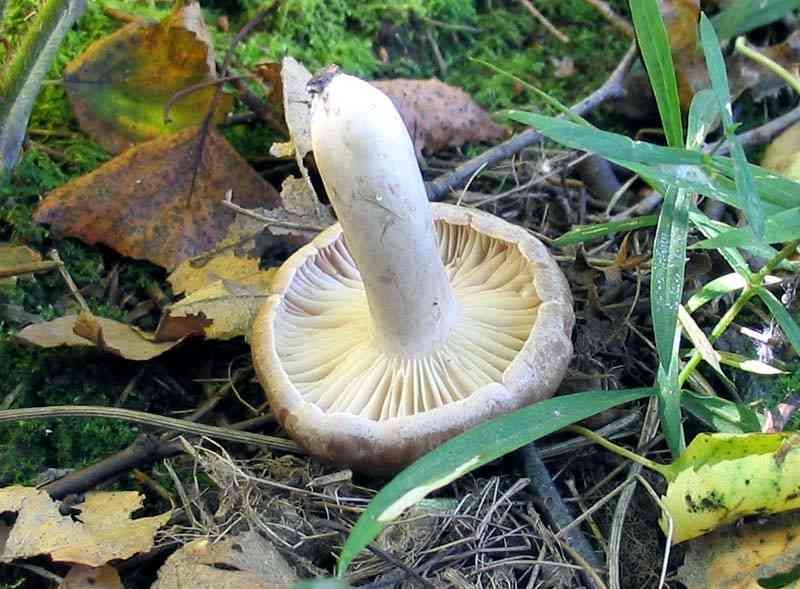
Sinuate, subdecurrent; very distant; pale yellow
Gill Attachment
Attached
Stem
Stem 1.8 - 7 cm long, 7 - 40 mm thick; cylindrical; cream, gray, mauve, salmon
Stem Shapes
Cylindrical
Flesh
Pale cream
Ring
Ringless
Spore Print Color
Yellowish to ocher
Odor
Slightly spicy and persistent.
Body Color
BrownGrayPurplePinkCream
Flesh Bruises
The flesh or milk does not discolor when bruised or cut.
Growth Form
Solitary, Scattered
Nutrient Gathering
Mycorrhizal
Substrate
On soil
You can find Lactarius flexuosus by these plants
Oaks, Pines, Spruces
Species Status
Rare
Endangered Species
No

Scientific Classification of Lactarius flexuosus

ForwardPlant APP

AI mushroom expert in your pocket

Try for Free
Phylum
Club fungi
Class
Mushroom-forming fungi
Order
Russulales
Family
Russulaceae
Genus
Milk-caps
⚠️

Toxicity and Edibility of Lactarius flexuosus

ForwardPlant: Identify & Forage

Your Essential Guide to Edible vs. Toxic Mushrooms. Forage with Confidence!

Try for Free

Is Lactarius flexuosus Toxic?

Lactarius flexuosus is harmful if ingested, frequently leading to digestive upset such as sickness, throwing up, abdominal pain, and loose stools. In more serious instances, it has the potential to cause impaired sight, coordination difficulties, and harm to critical organs including the liver and kidneys. While Lactarius flexuosus possesses recognizable physical traits, it is crucial to avoid eating it because of its toxic properties.


Toxins type
Terpenoid
Type of poisoning
Gastrointestinal
Toxic Severity
Moderate toxicity
Incubation Period
0.5-4 hours
Poisoning Symptoms
Common symptoms include gastrointestinal distress, characterized by nausea, vomiting, cramps, and diarrhea. In more severe cases, poisoning can lead to issues beyond the digestive system, such as vision problems, movement disorders like tremors or ataxia, and potential damage to vital organs like the liver and kidneys.