Lactarius chelidonium
Lactarius chelidonium
A species of Milk-caps.
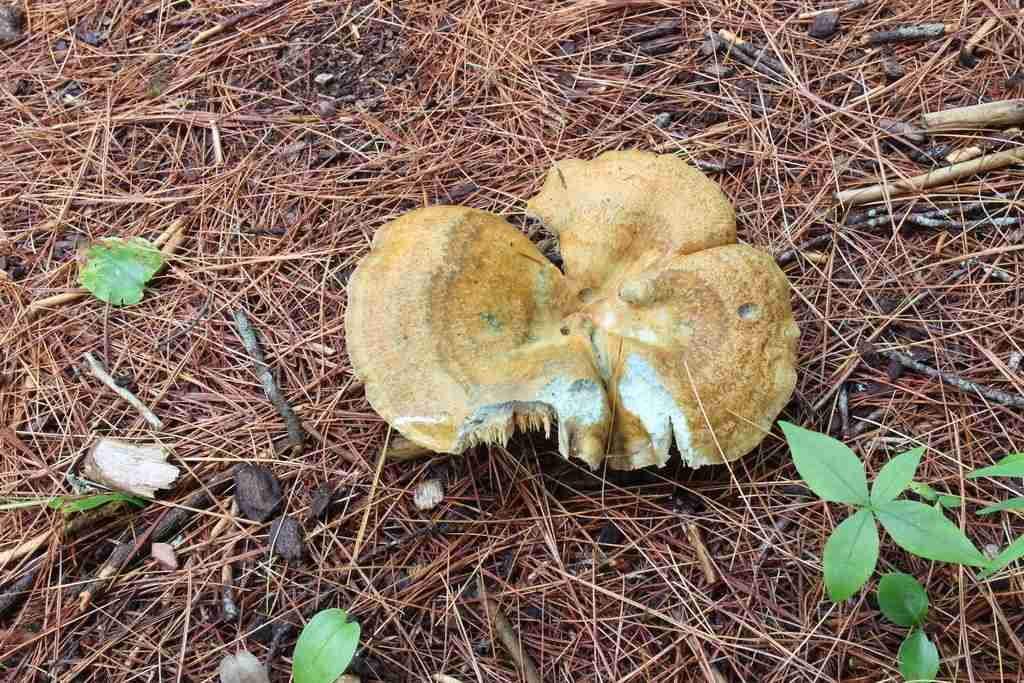
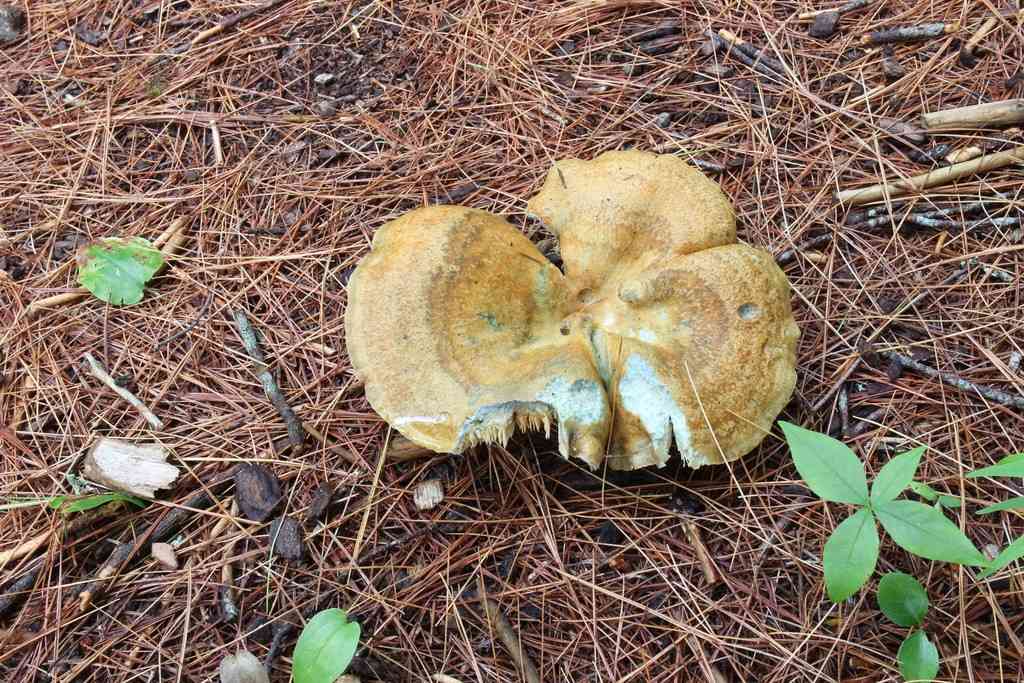
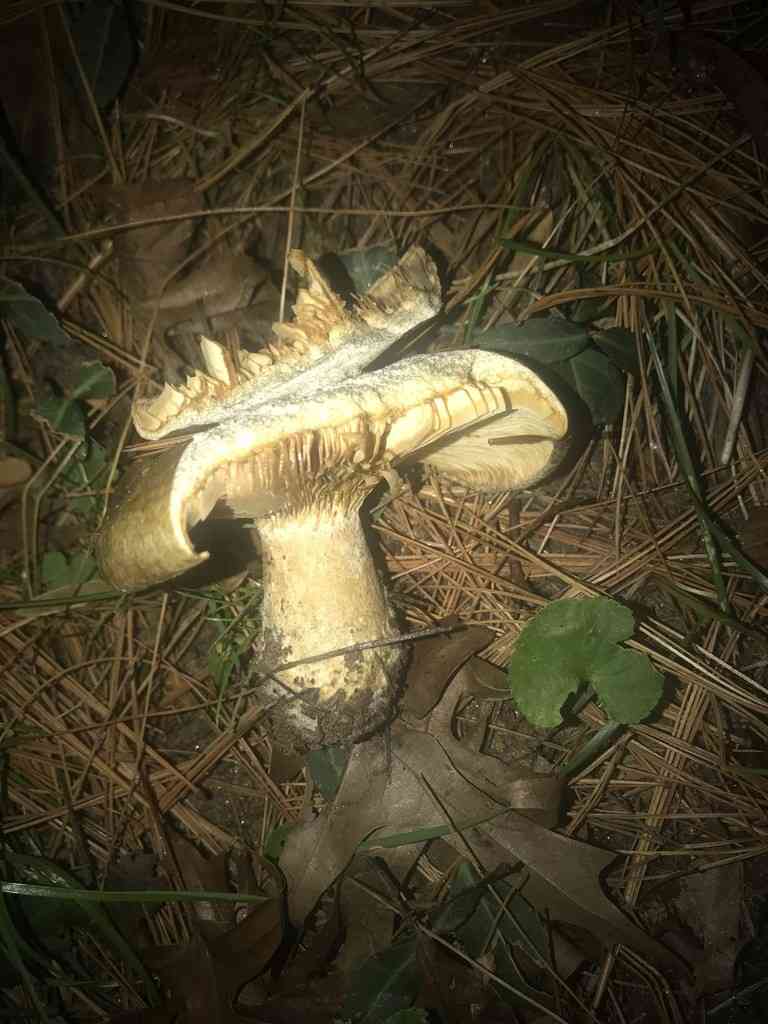
Lactarius chelidonium, when incised, exudes a white, milky latex that rapidly oxidizes to a yellow-brown color. With maturity, or upon being cut or bruised, this mushroom often develops blue-green tints. Its flesh is frequently infested with insect larvae.
In This Article
Attributes of Lactarius chelidonium
Cap Diameter
3 - 12 cm
Cap
Cap 3 - 12 cm; convex, vase-shaped; dirty bluish, yellowish brown or dull orange, green
Gills
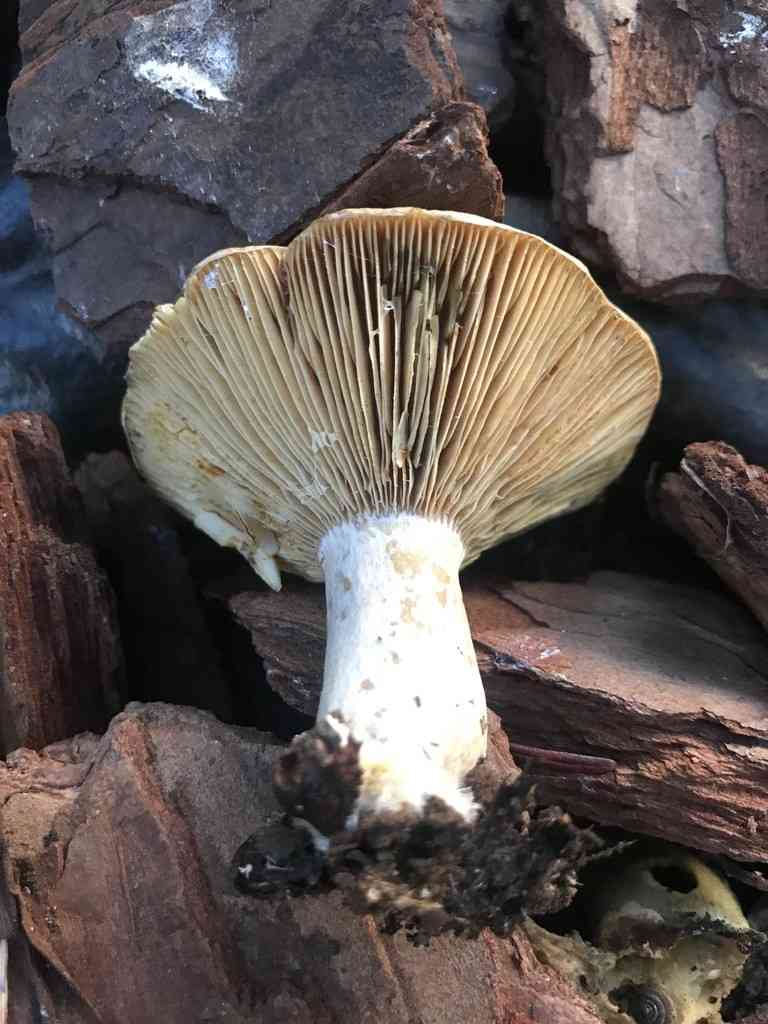
Decurrent; close or fairly crowded; yellowish, dull orange or brownish; display green when bruised
Stem
Stem 2 - 6 cm long, 1 - 3 cm thick; tough, equal; cap-colored or paler; dry, smooth
Flesh
blue or paler
Spore Print Color
Pale buff to yellowish or orangish
Odor
Fragrant, mildly sweet
Body Color
BrownGreenYellowBlueOrange
Flesh Bruises
Discolor to green
Growth Form
Solitary, Scattered
Nutrient Gathering
Mycorrhizal
Substrate
On soil
You can find Lactarius chelidonium by these plants
Eastern white pine, Red pine
Species Status
Probably fairly widely distributed in eastern North America
Endangered Species
No
Scientific Classification of Lactarius chelidonium
Phylum
Club fungi
Class
Mushroom-forming fungi
Order
Russulales
Family
Russulaceae
Genus
Milk-caps
Toxicity and Edibility of Lactarius chelidonium
Is Lactarius chelidonium Toxic?
Toxicity information is not available for this mushroom. Always consult with an expert before consuming any wild mushrooms.

