Willow milkcap
Lactarius aspideus
A species of Milk-caps.
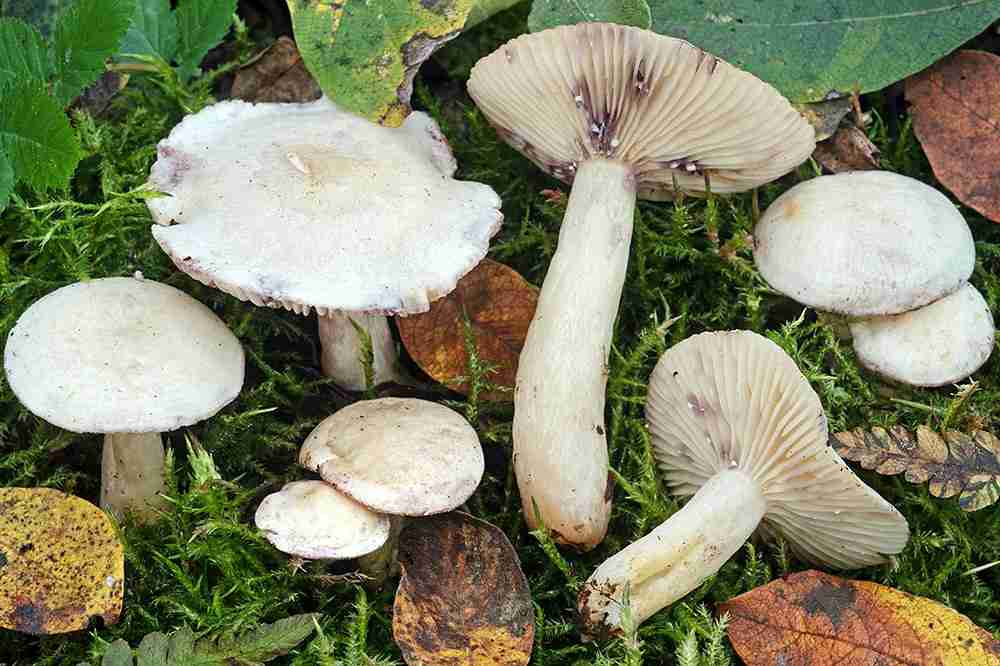
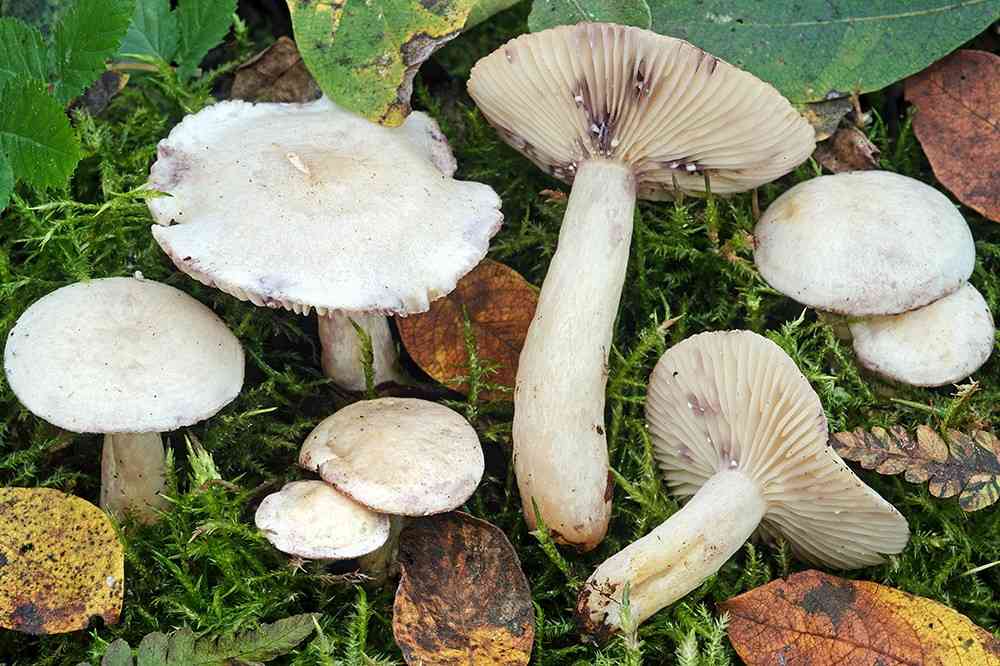
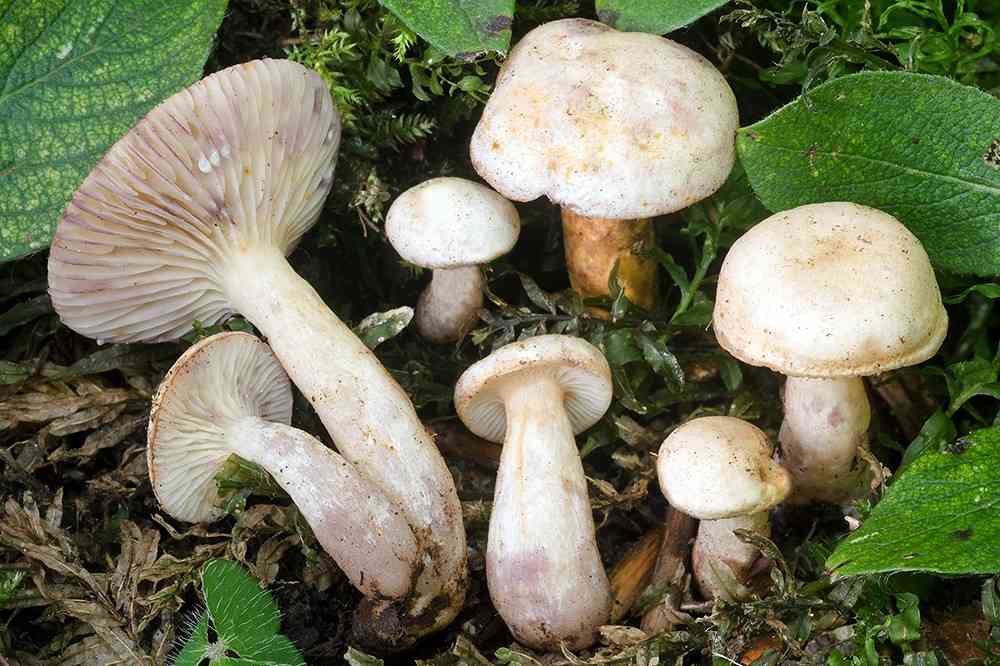
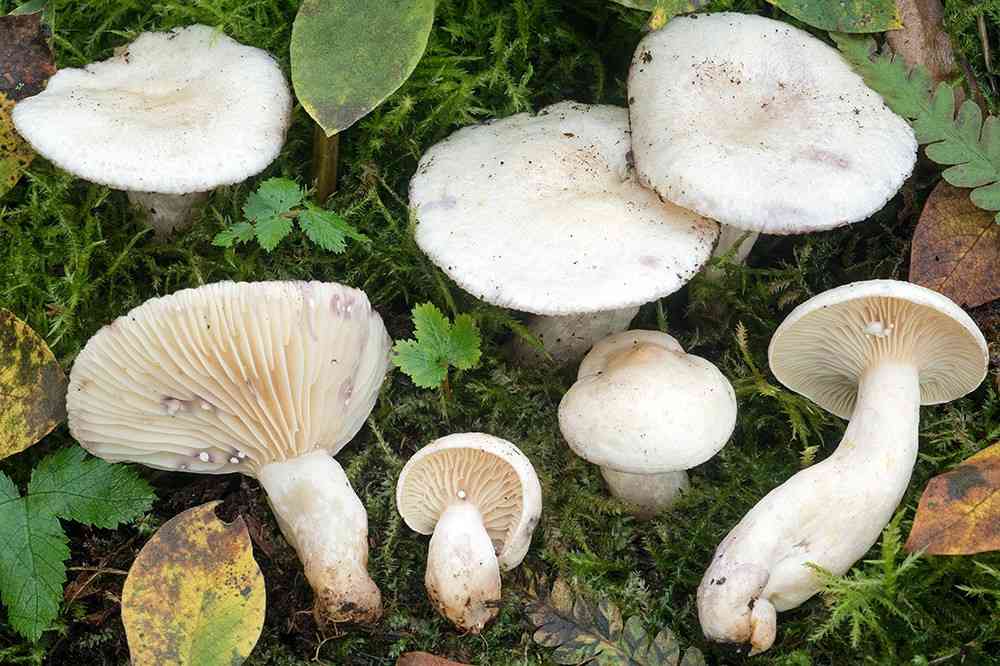
The distinctive willow milkcap mushroom typically presents with a cap that can range from domed to flattened. When its surface is broken, it often releases a milky fluid. This species is characteristically found thriving in close proximity to willow trees, highlighting a notable ecological relationship with these plants. Its coloration varies from creamy hues to subtle brown tones, and its gills are well-spaced and connected. It is a seasonal mushroom, most frequently observed during the late summer and autumn months.
In This Article
Attributes of Willow milkcap
Cap Diameter
3 - 5 cm
Height
3 - 5 cm
Cap
Cap 2.5 - 5 cm across; convex to flat; whitish to pale yellowish
Cap Shape
Convex, Flat, Depressed
Cap Surfaces
Smooth, Slimy or slightly sticky
Gills
Broadly attached, decurrent; close; whitish to yellowish; turns lilac purple when stained
Gill Attachment
Attached
Stem
Stem 2 - 3 cm long, 5 - 10 mm thick; equal, slightly tapered to the base; whitish to yellowish; fragile; turns lilac purple when stained
Stem Shapes
Cylindrical
Stem Surfaces
Smooth
Flesh
Whitish; turns lilac when sliced
Ring
Ringless
Spore Print Color
Pale cream
Odor
Mildly mushroomy but not distinctive.
Body Color
YellowWhite
Flesh Bruises
Discolor to pink or red
Growth Form
Solitary, Scattered, Gregarious
Nutrient Gathering
Mycorrhizal
Substrate
On soil
You can find Willow milkcap by these plants
Oaks, Pines, Willows, Grey willow
Occurence Habitats
Meadows
Species Status
Widely distributed
Endangered Species
No
Scientific Classification of Willow milkcap
Phylum
Club fungi
Class
Mushroom-forming fungi
Order
Russulales
Family
Russulaceae
Genus
Milk-caps
Toxicity and Edibility of Willow milkcap
Is Willow milkcap Toxic?
Toxicity information is not available for this mushroom. Always consult with an expert before consuming any wild mushrooms.

