Lilac leg fibrecap

Inocybe griseolilacina

A species of Fiber caps.

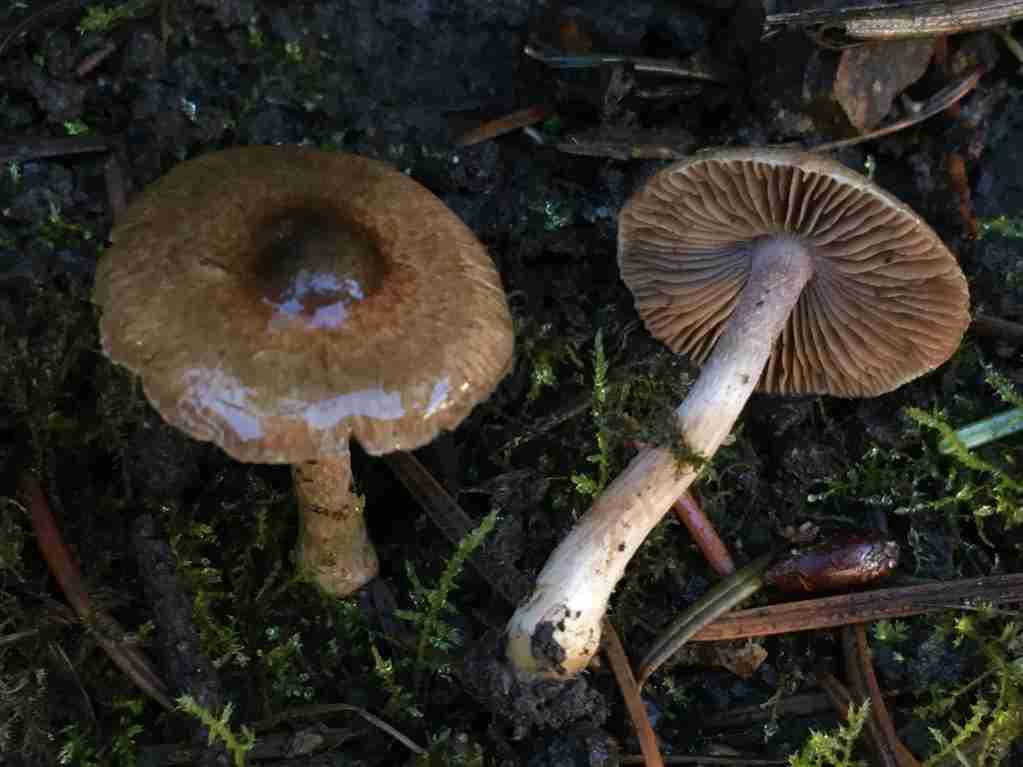
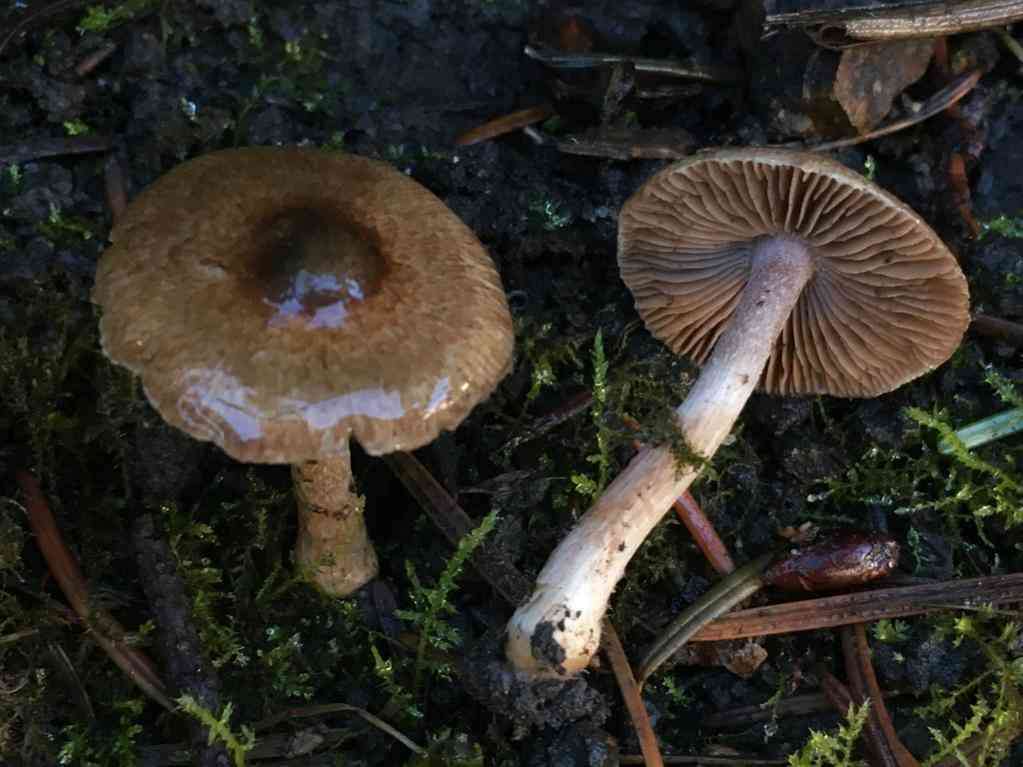
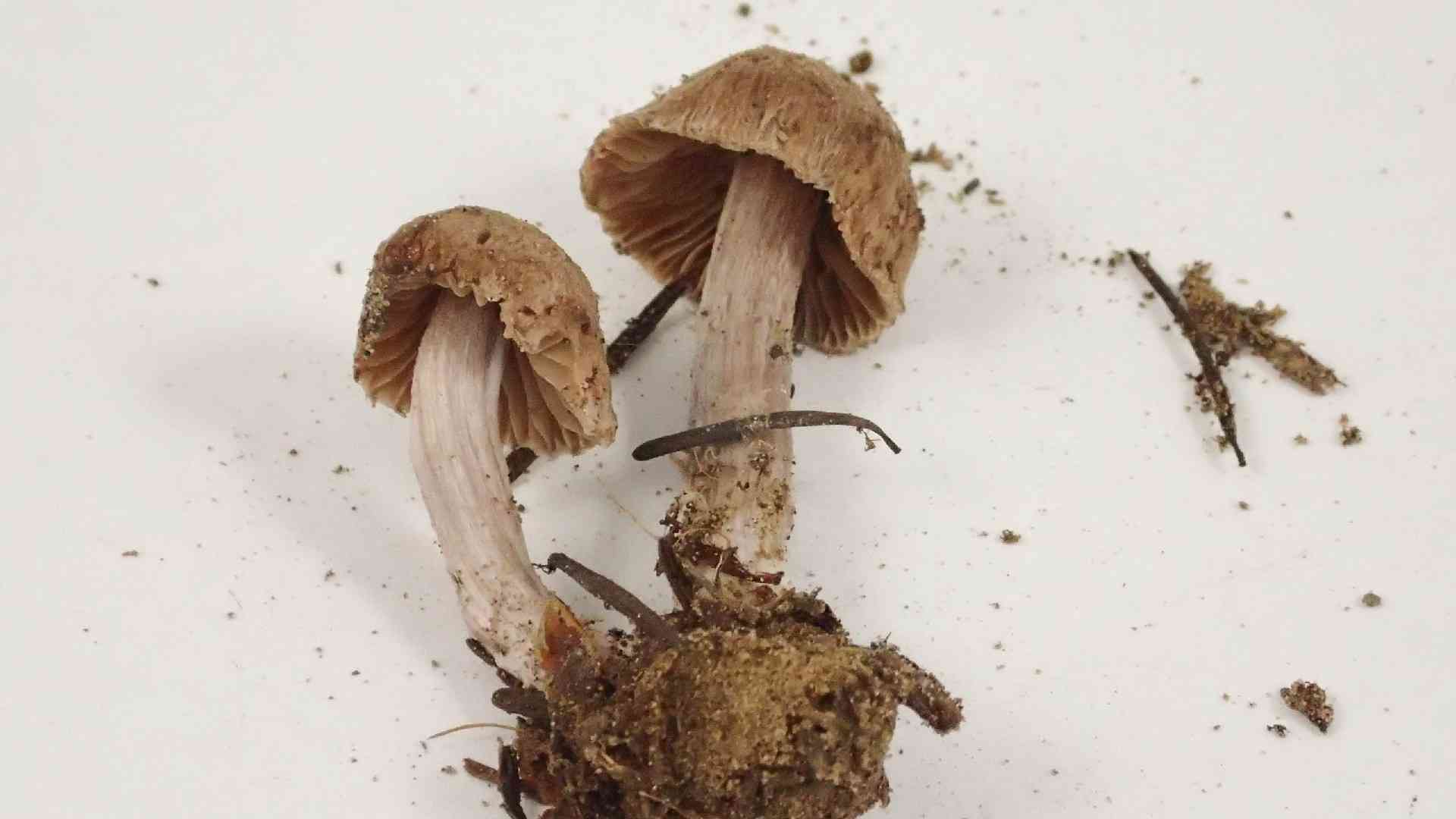
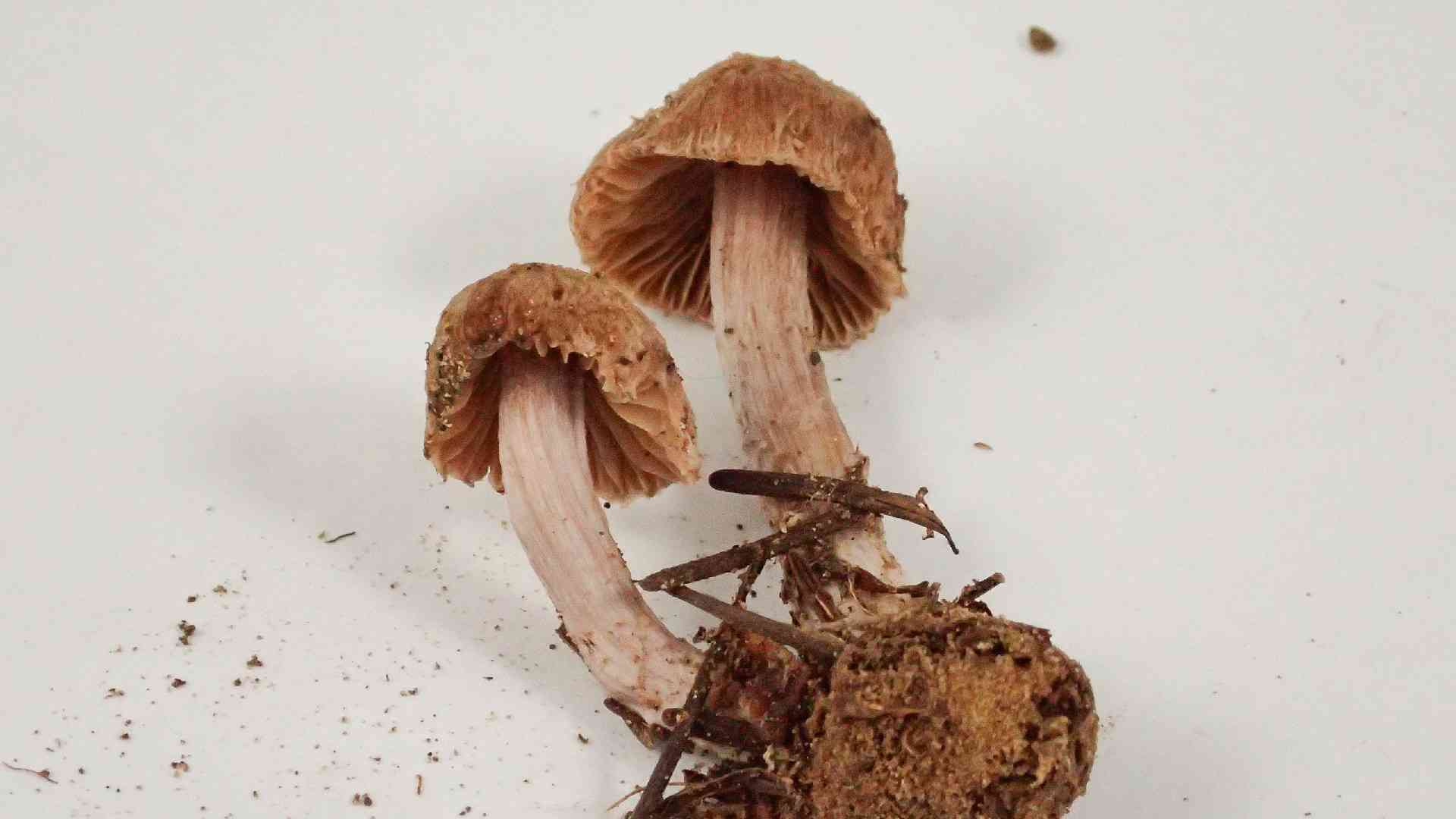
The lilac leg fibrecap mushroom is primarily linked to pine forests, though occasional sightings have been reported beneath hardwoods in certain regions. This fungus is recognizable by its tan cap and gills and stem that possess a lilac hue. Distinguishing this particular mushroom from others within the Inocybe genus can be quite challenging.

In This Article
Attributes Classification Toxicity

Attributes of Lilac leg fibrecap

ForwardPlant - ID plants and mushrooms, and learn more about them🌿

Identify and diagnose plants, get toxicity alerts, and explore safety guides for all types of fungi.

Try for Free
Cap Diameter
1 - 3 cm
Height
2 - 5 cm
Cap
Cap 1.5 - 2.5 cm across; conico-covex, umbonate; ochre-brown; covered in small shaggy scales
Cap Shape
Convex, Flat, Central Bump
Cap Surfaces
Fibrillose-scaly
Gills
Adnate; moderately close; white, snuff-brown
Gill Attachment
Notched
Stem
Stem 3 - 7 cm long, 2 - 4 mm thick; slightly swollen at the base pale lilac, brown
Stem Shapes
Cylindrical
Stem Surfaces
Fibrillose
Flesh
Flesh 2 mm thick; lilac, dirty white or brownish
Ring
Ringless
Spore Print Color
Light to dark brown
Odor
Mild, earthy with a spermatic quality.
Body Color
BrownYellowPurple
Flesh Bruises
Discolor to pink or red
Growth Form
Scattered
Nutrient Gathering
Mycorrhizal
Substrate
On soil
You can find Lilac leg fibrecap by these plants
European beech, Oaks
Occurence Habitats
Coniferous Woodland, Deciduous Woodland
Endangered Species
No

Scientific Classification of Lilac leg fibrecap

ForwardPlant APP

AI mushroom expert in your pocket

Try for Free
Phylum
Club fungi
Class
Mushroom-forming fungi
Order
Gilled fungi
Family
Inocybaceae
Genus
Fiber caps
⚠️

Toxicity and Edibility of Lilac leg fibrecap

ForwardPlant: Identify & Forage

Your Essential Guide to Edible vs. Toxic Mushrooms. Forage with Confidence!

Try for Free

Is Lilac leg fibrecap Toxic?

The beautiful lilac leg fibrecap, a mushroom known for its neurotoxicity, poses serious health risks upon consumption. Its effects can range from motor impairment and cognitive fogginess to constricted pupils and reduced blood pressure. Gastrointestinal distress, including emesis and defecation, is also common. In severe instances, it may even trigger acute respiratory distress. Despite its appealing purple coloration, which lends it an attractive facade, it's crucial to remember that ingesting this mushroom is highly dangerous and strongly discouraged.


Toxins type
Muscarine
Type of poisoning
Neurotoxic
Toxic Severity
High toxicity
Incubation Period
0.25-4 hours
Poisoning Symptoms
Nerve toxin, consciousness clouding, pupil shrinkage, paralysis, perspiration, blood pressure drop, digestion issues, vomiting, diarrhea, severe asthma in extreme cases.