Fleecy fibrecap

Inocybe flocculosa

A species of Fiber caps.

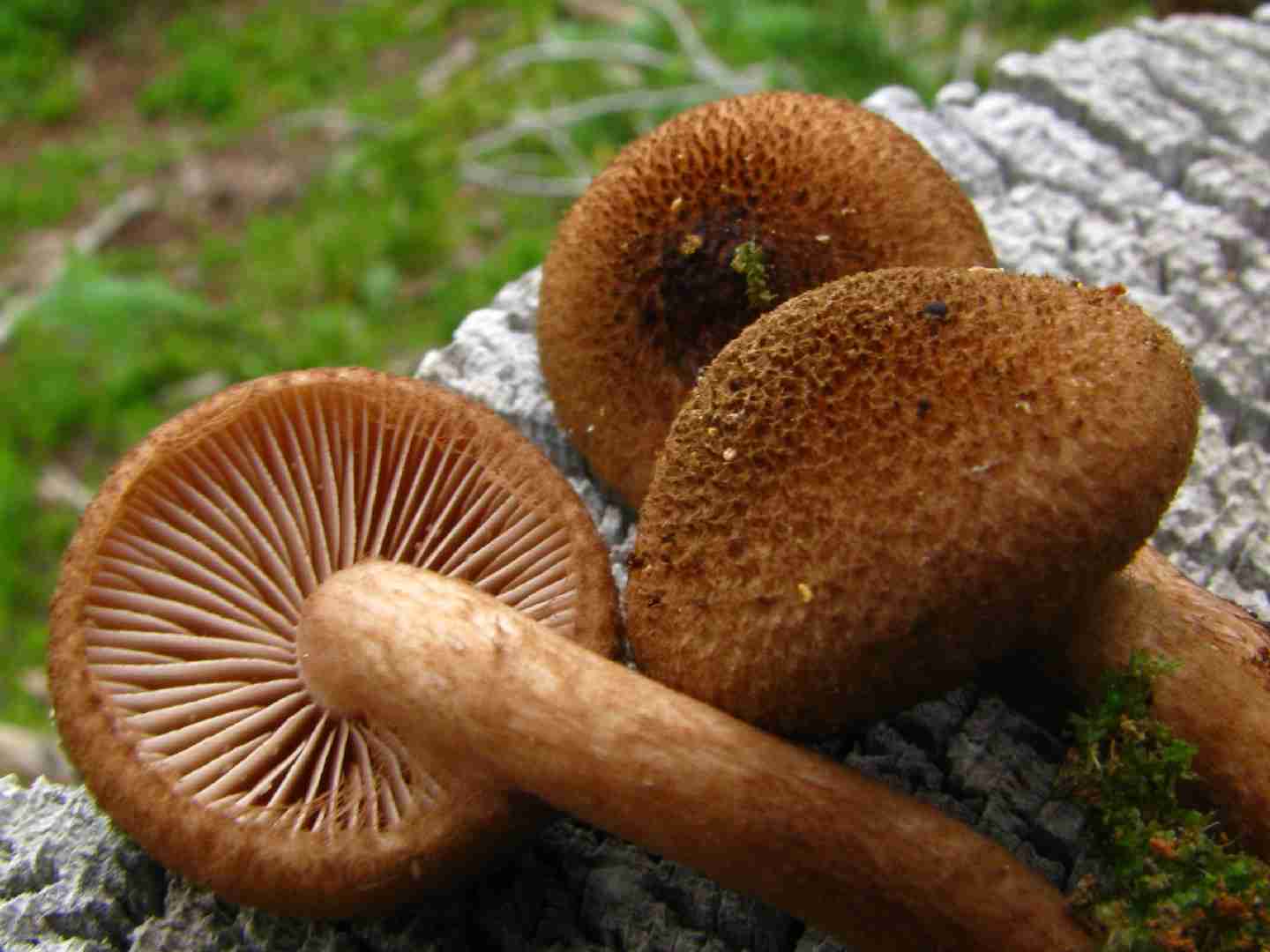
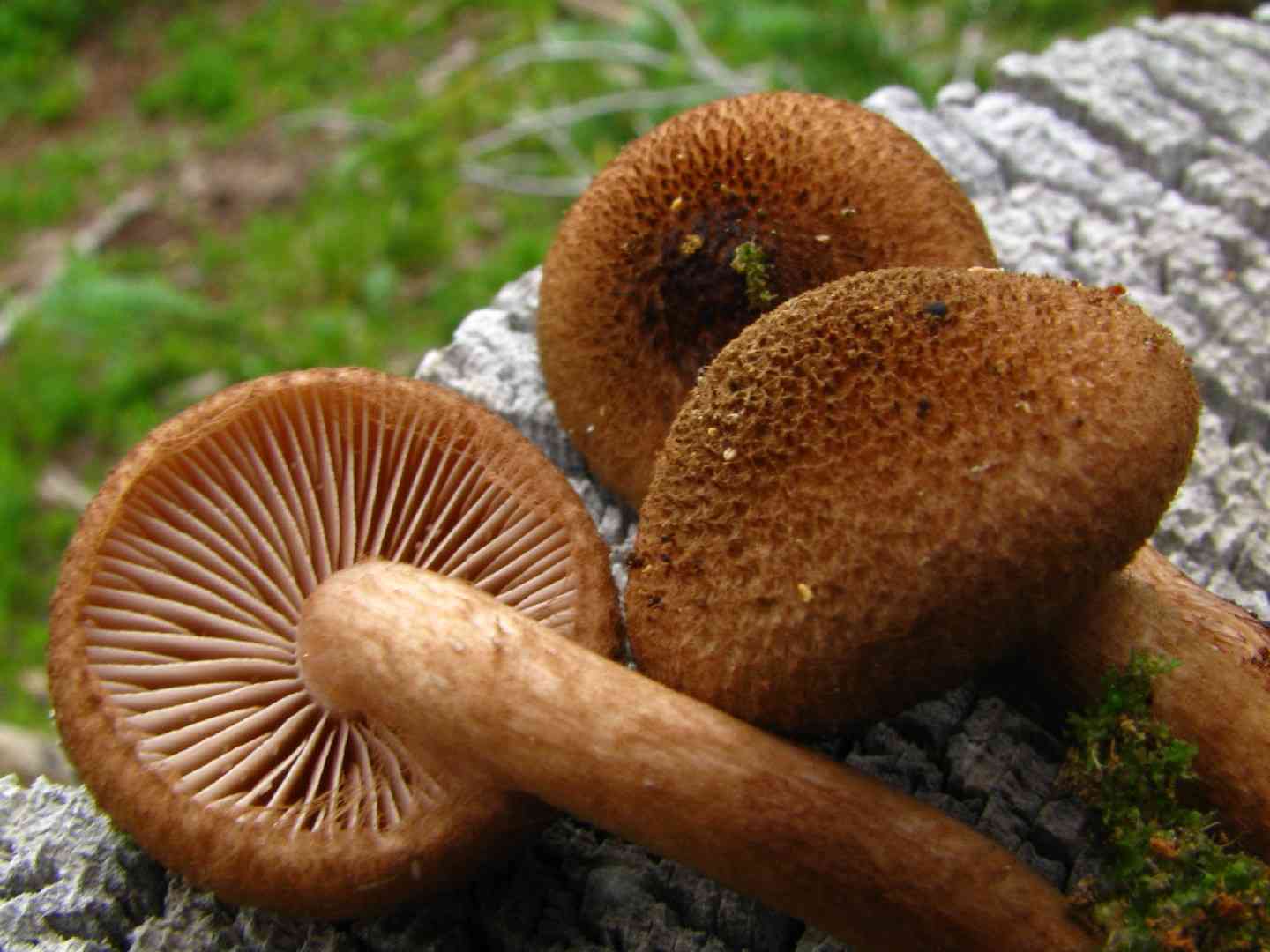
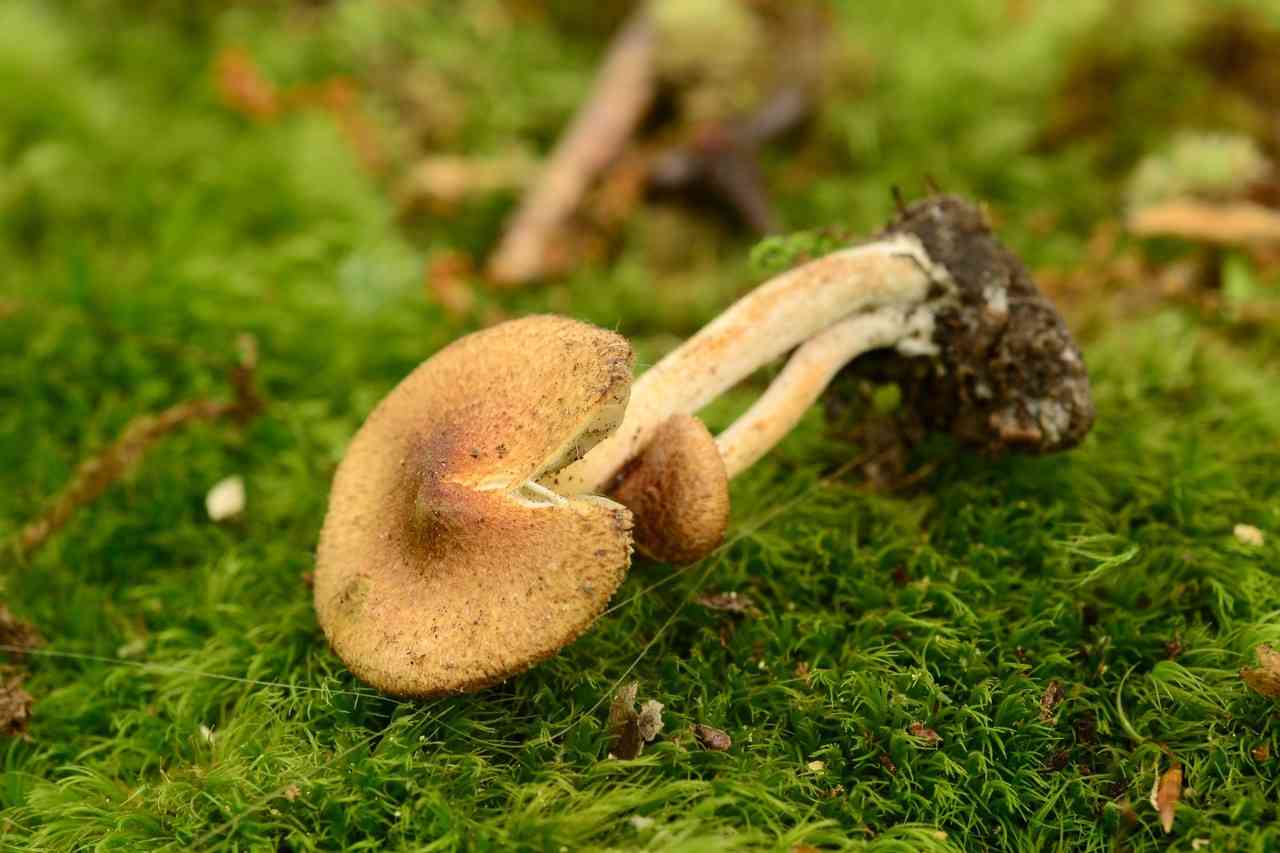
Growing beneath conifers and aspens at varying elevations, the fleecy fibrecap mushroom is characterized by a brown cap that develops a cracked, scaly texture. Its stem typically presents as whiter but will acquire an ocher stain when touched. This fungus's fruiting bodies emerge during autumn or winter, depending on its specific locale.

In This Article
Attributes Classification Toxicity

Attributes of Fleecy fibrecap

ForwardPlant - ID plants and mushrooms, and learn more about them🌿

Identify and diagnose plants, get toxicity alerts, and explore safety guides for all types of fungi.

Try for Free
Cap Diameter
1 - 6 cm
Height
4 - 7 cm
Cap
Cap 1 - 6 cm wide; brown to ochraceous; scaly
Cap Shape
Convex, Bell-shaped
Cap Surfaces
Fibrillose-scaly
Gills
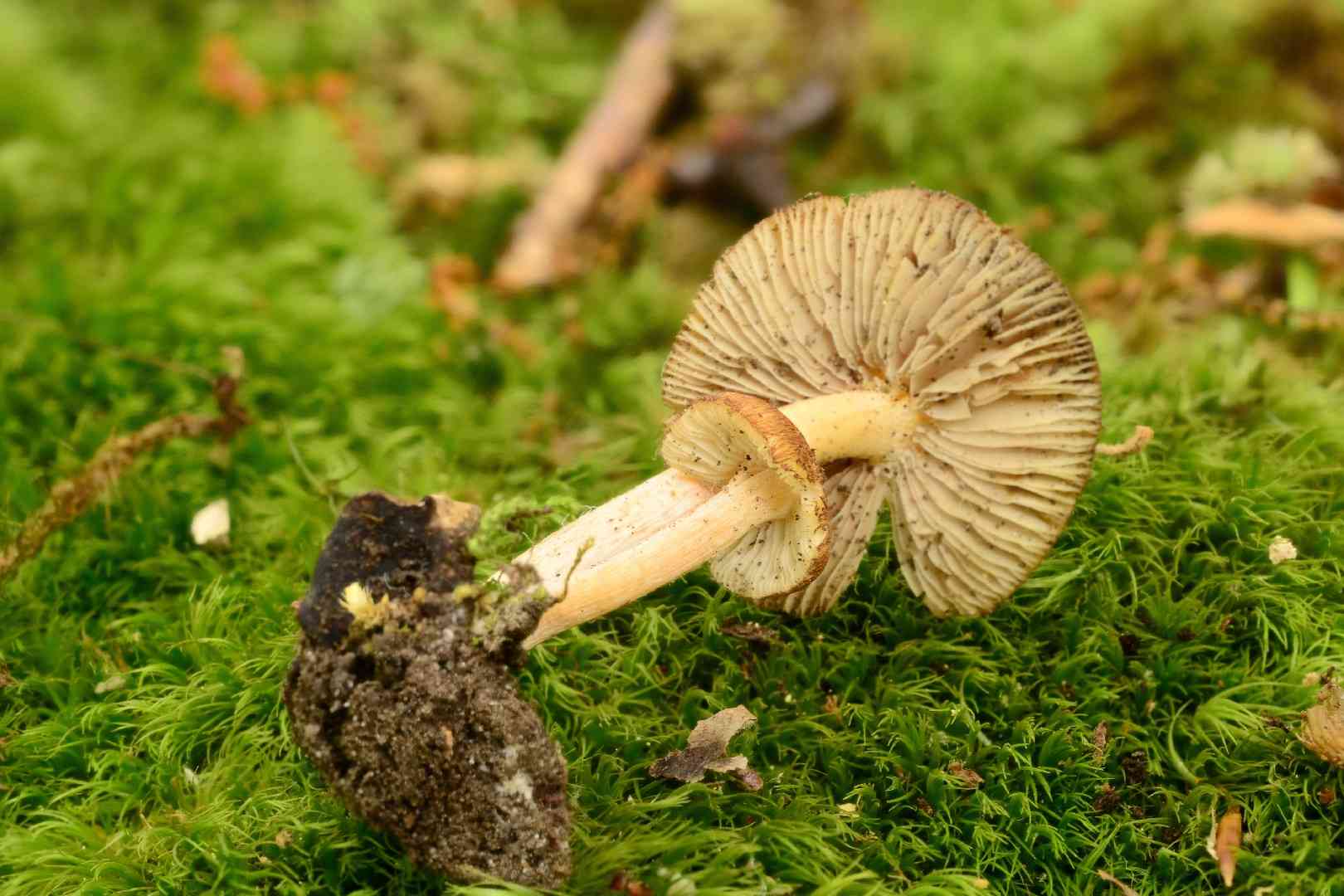
Adnexed; crowded; pale brown then cinnamon
Gill Attachment
Attached
Stem
Stem 3 - 7 cm tall, 2 - 10 mm thick; non-bulbous; white, display ochraceous at maturity or where handled
Stem Shapes
Cylindrical
Flesh
Whitish
Ring
Ringless
Spore Print Color
Tobacco brown
Odor
Mildly mushroomy with a hint of dustiness.
Body Color
BrownWhite
Flesh Bruises
The flesh or milk does not discolor when bruised or cut.
Growth Form
Solitary, Scattered
Nutrient Gathering
Mycorrhizal
Substrate
On soil, Leaf or Needle Litter
You can find Fleecy fibrecap by these plants
Spruces, Scots pine
Occurence Habitats
Coniferous Woodland
Species Status
Quite rare
Endangered Species
No

Scientific Classification of Fleecy fibrecap

ForwardPlant APP

AI mushroom expert in your pocket

Try for Free
Phylum
Club fungi
Class
Mushroom-forming fungi
Order
Gilled fungi
Family
Inocybaceae
Genus
Fiber caps
⚠️

Toxicity and Edibility of Fleecy fibrecap

ForwardPlant: Identify & Forage

Your Essential Guide to Edible vs. Toxic Mushrooms. Forage with Confidence!

Try for Free

Is Fleecy fibrecap Toxic?

The woolly fibrecap, a neurotoxic fungus, thrives in diverse environments throughout the year. It's easily distinguishable from harmless counterparts due to its distinct characteristics. Ingesting it poses significant health risks, potentially causing nerve damage, impaired mental clarity, digestive upset, excessive sweating, pupil constriction, and even immobility. Critical instances could result in hypotension, severe respiratory distress, and induce emesis or bowel movements.


Toxins type
Muscarine
Type of poisoning
Neurotoxic
Toxic Severity
High toxicity
Incubation Period
0.25-4 hours
Poisoning Symptoms
Nerve toxin, consciousness clouding, pupil shrinkage, paralysis, perspiration, blood pressure drop, digestion issues, vomiting, diarrhea, severe asthma in extreme cases.