Inocybe fibrosa

Inocybe fibrosa

A species of Fiber caps.

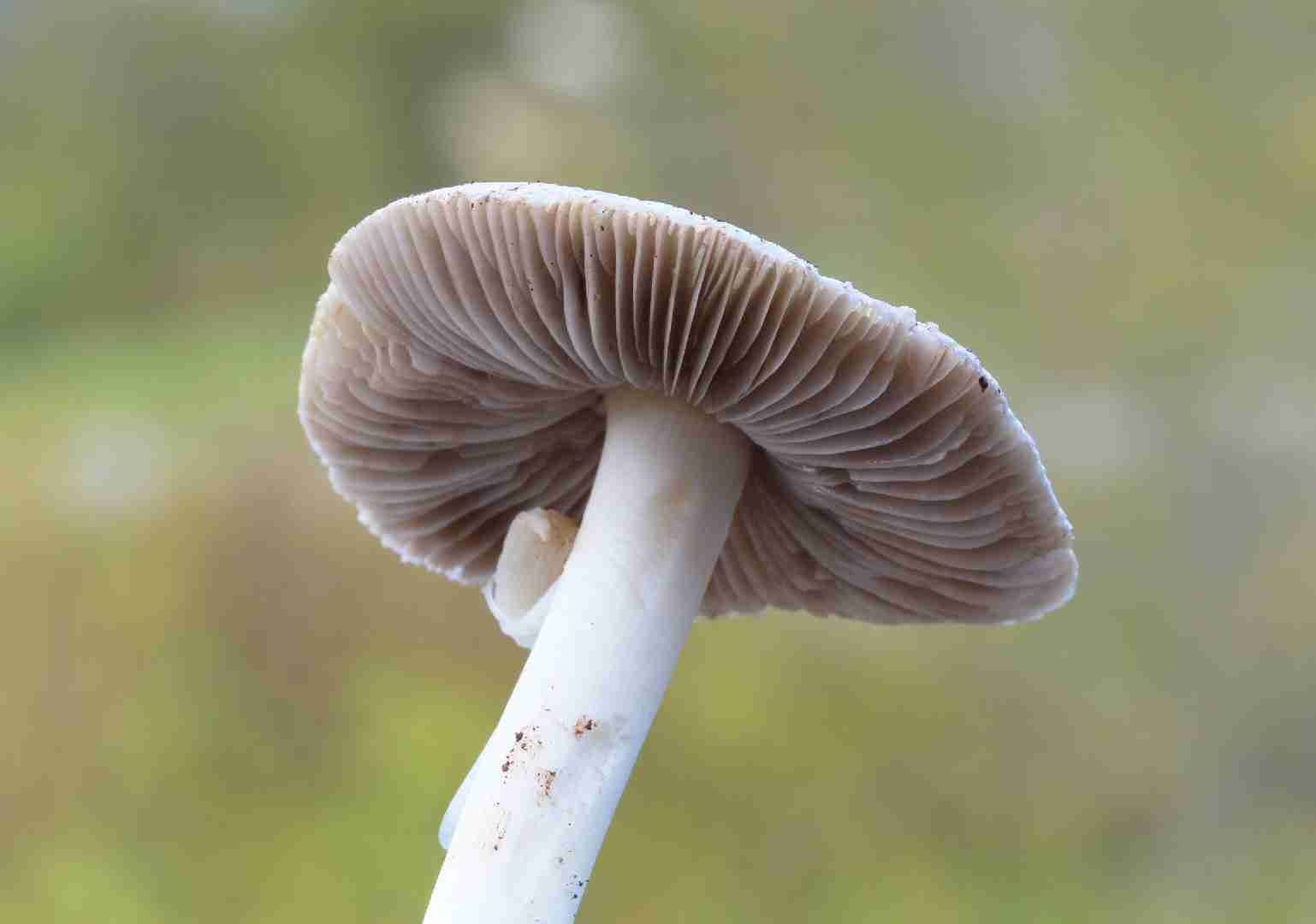
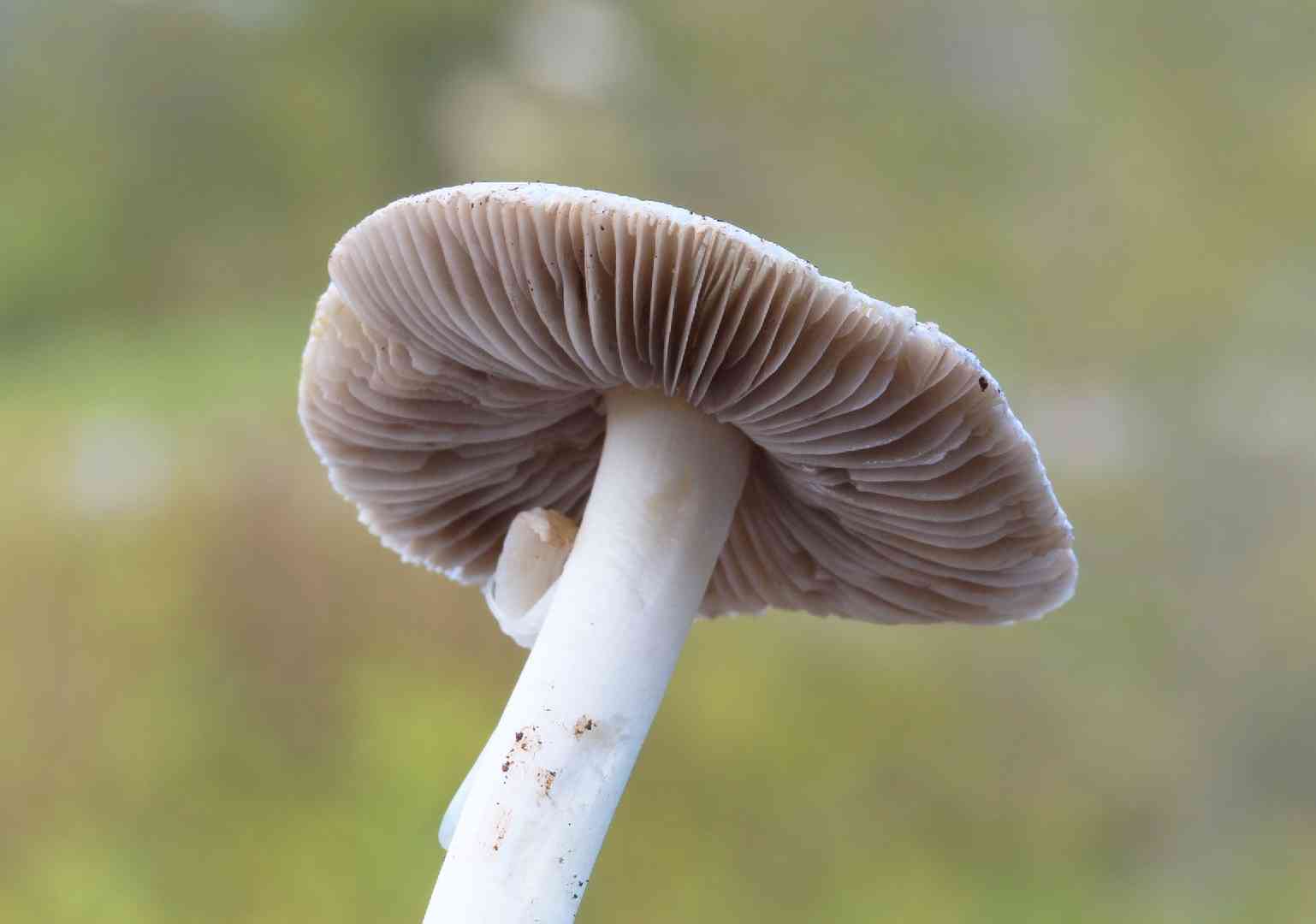
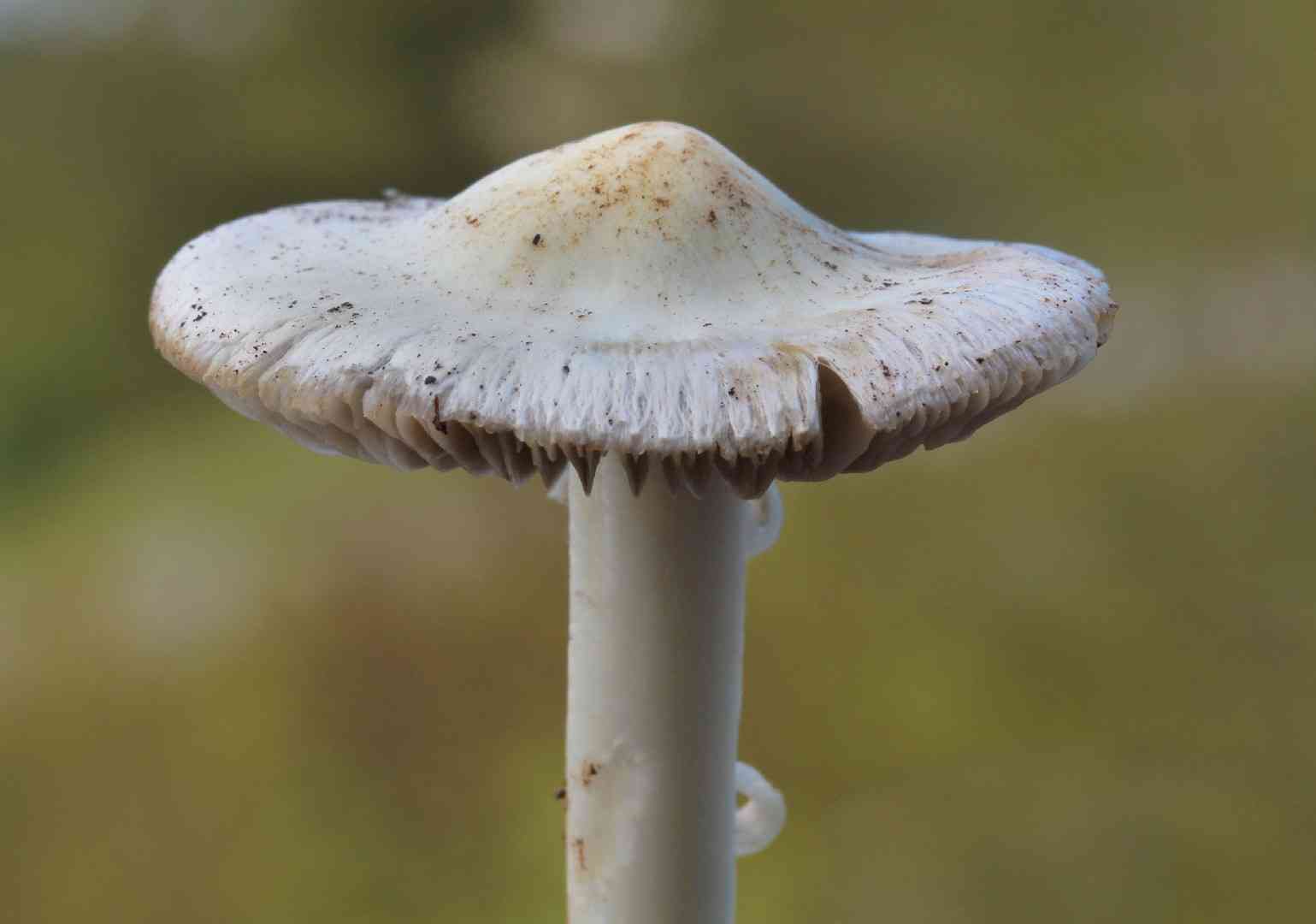
Belonging to the Inocybaceae family, Inocybe fibrosa commonly thrives in organic-rich soil, frequently in proximity to broadleaf trees. This particular mushroom typically appears from late summer through autumn. It's characterized by a fibrous cap featuring a distinct, small central bump, and it's supported by a delicate stem.

In This Article
Attributes Classification Toxicity

Attributes of Inocybe fibrosa

ForwardPlant - ID plants and mushrooms, and learn more about them🌿

Identify and diagnose plants, get toxicity alerts, and explore safety guides for all types of fungi.

Try for Free
Cap Diameter
3 - 11 cm
Height
4 - 9 cm
Cap Shape
Bell-shaped, Convex, Central Bump
Cap Surfaces
Fibrillose-scaly
Gill Attachment
Notched
Stem Shapes
Cylindrical
Stem Surfaces
Smooth
Ring
Ringless
Odor
Faintly like fresh fish.
Flesh Bruises
The flesh or milk does not discolor when bruised or cut.
Growth Form
Gregarious
Nutrient Gathering
Mycorrhizal
Substrate
On soil
You can find Inocybe fibrosa by these plants
Quaking aspen, Coast live oak, Red pine
Occurence Habitats
Deciduous Woodland

Scientific Classification of Inocybe fibrosa

ForwardPlant APP

AI mushroom expert in your pocket

Try for Free
Phylum
Club fungi
Class
Mushroom-forming fungi
Order
Gilled fungi
Family
Inocybaceae
Genus
Fiber caps
⚠️

Toxicity and Edibility of Inocybe fibrosa

ForwardPlant: Identify & Forage

Your Essential Guide to Edible vs. Toxic Mushrooms. Forage with Confidence!

Try for Free

Is Inocybe fibrosa Toxic?

Inocybe fibrosa, a mushroom with neurotoxic properties, poses a significant threat upon consumption. Its effects on the nervous system include impaired awareness, constricted pupils, and paralysis. Additional symptoms can manifest as increased sweating, a drop in blood pressure, and gastrointestinal distress such as emesis and loose stools. In severe cases, it can trigger acute asthma. Given its dangerous nature, accurate identification to distinguish it from harmless lookalikes is imperative.


Toxins type
Muscarine
Type of poisoning
Neurotoxic
Toxic Severity
High toxicity
Incubation Period
0.25-4 hours
Poisoning Symptoms
Nerve toxin, consciousness clouding, pupil shrinkage, paralysis, perspiration, blood pressure drop, digestion issues, vomiting, diarrhea, severe asthma in extreme cases.