Ivory woodwax
Hygrophorus eburneus
A species of Woodwaxes. Also known as Ivory waxcap, White waxy cap.
Hygrophorus eburneus, commonly known as ivory woodwax, thrives in damp, rich earth. Found frequently in groves and comparable verdant settings, this mushroom is distinctively recognized by its pale hue and its slick, somewhat waxy exterior. Its presence has been documented across Europe, North America, and Northern Africa.
In This Article
Attributes of Ivory woodwax
Cap Diameter
2 - 7 cm
Height
3 - 12 cm
Cap
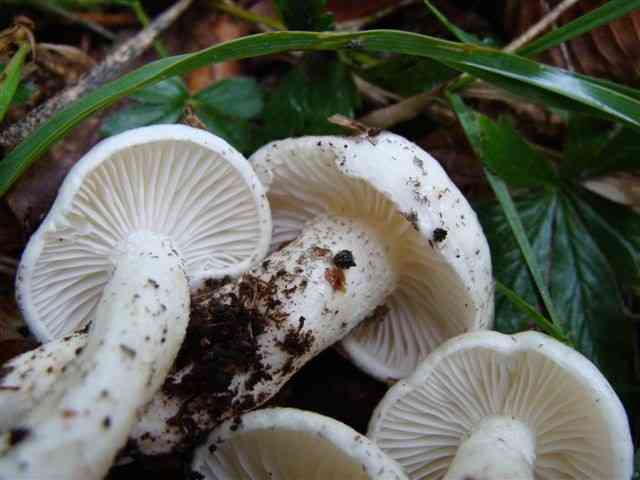
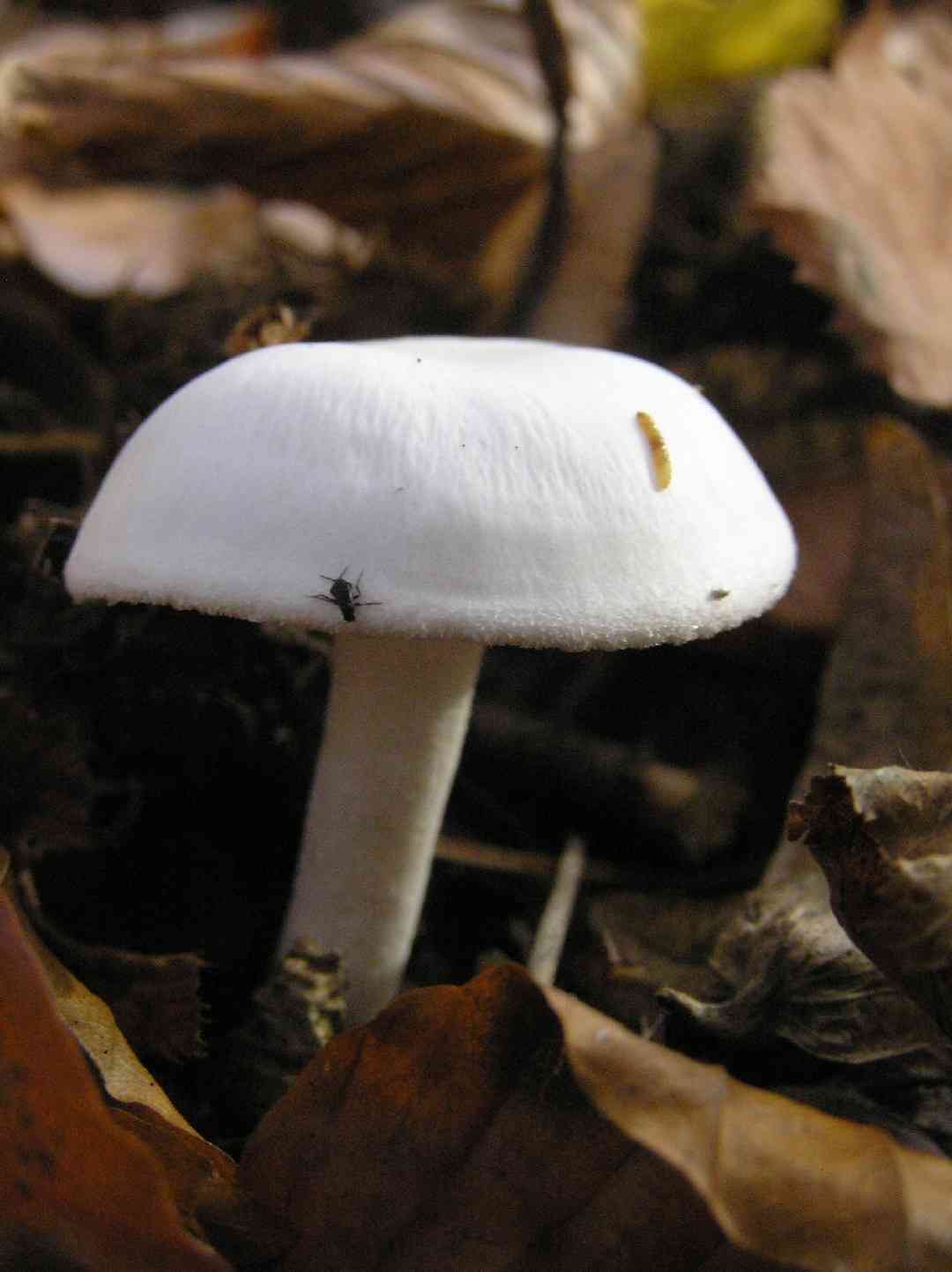
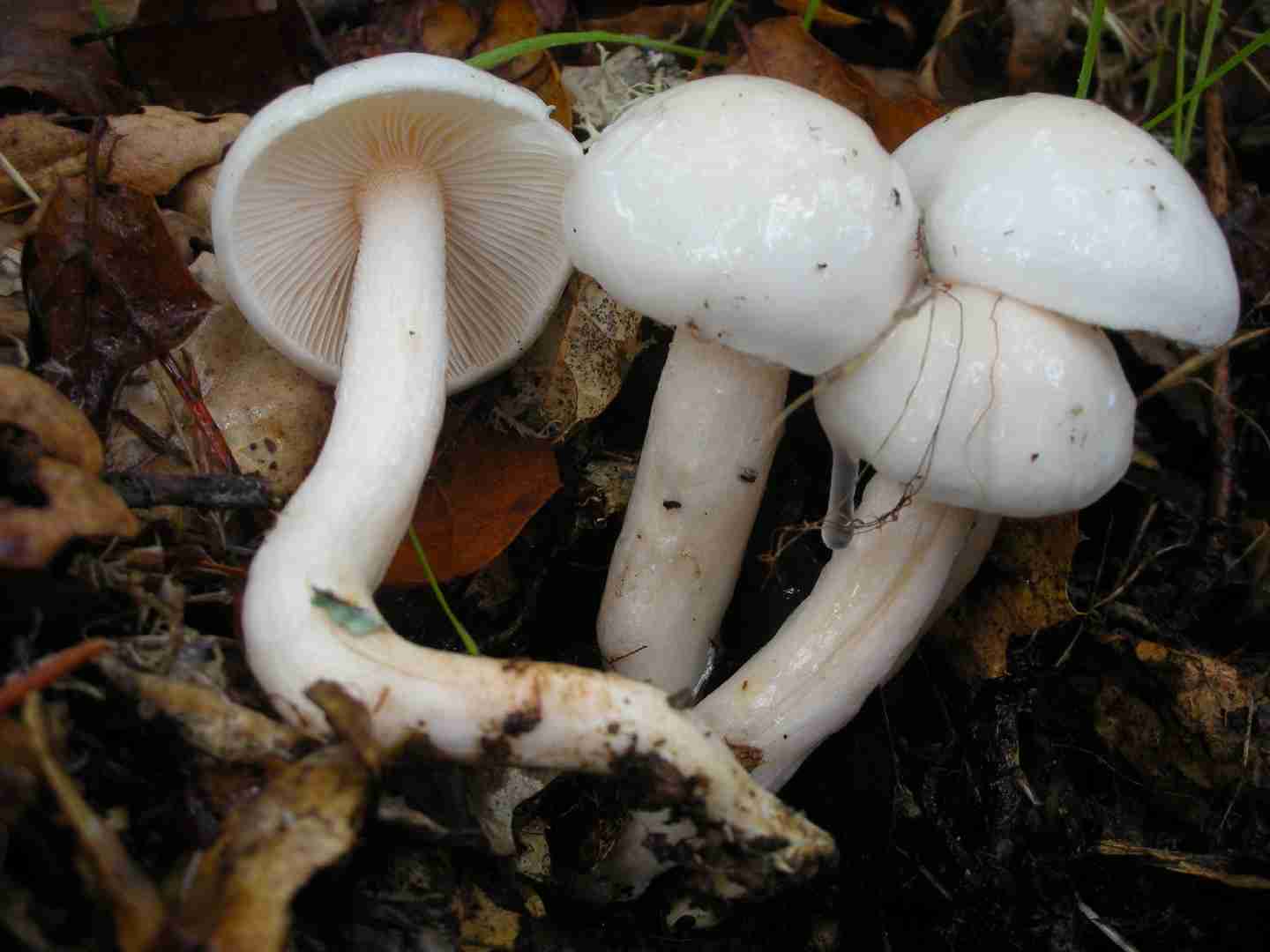
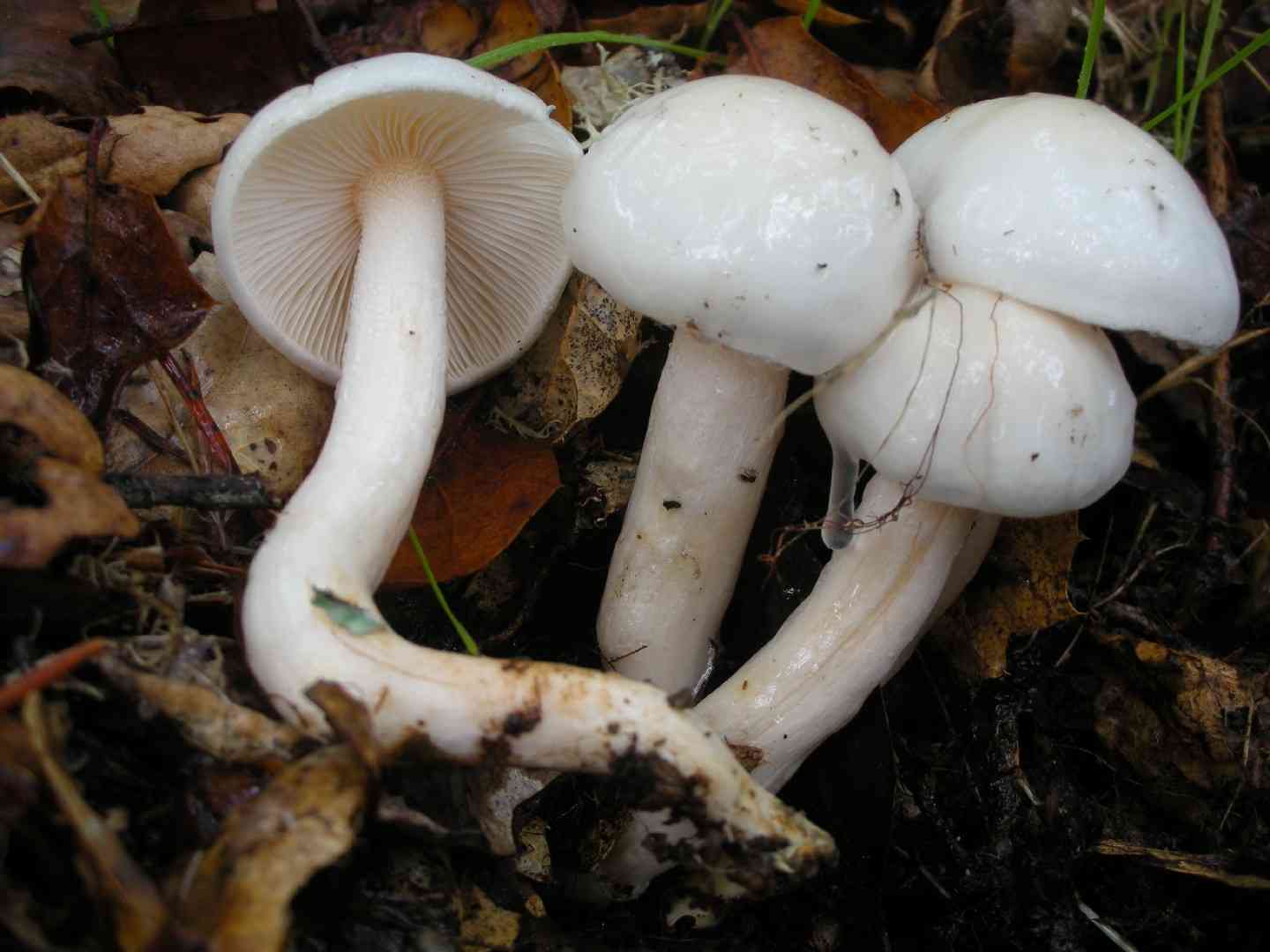
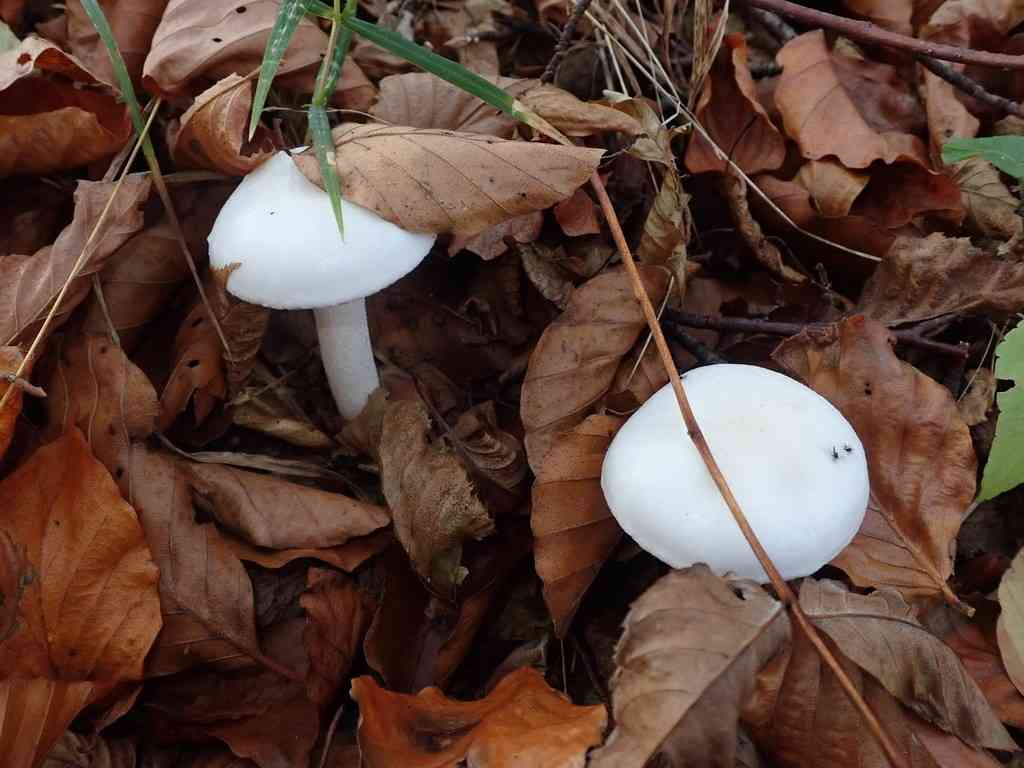
Cap 2 - 7 cm across; convex to flat; ivory to cream; surface smooth
Cap Shape
Convex, Flat, Depressed
Cap Surfaces
Smooth, Slimy or slightly sticky
Gills
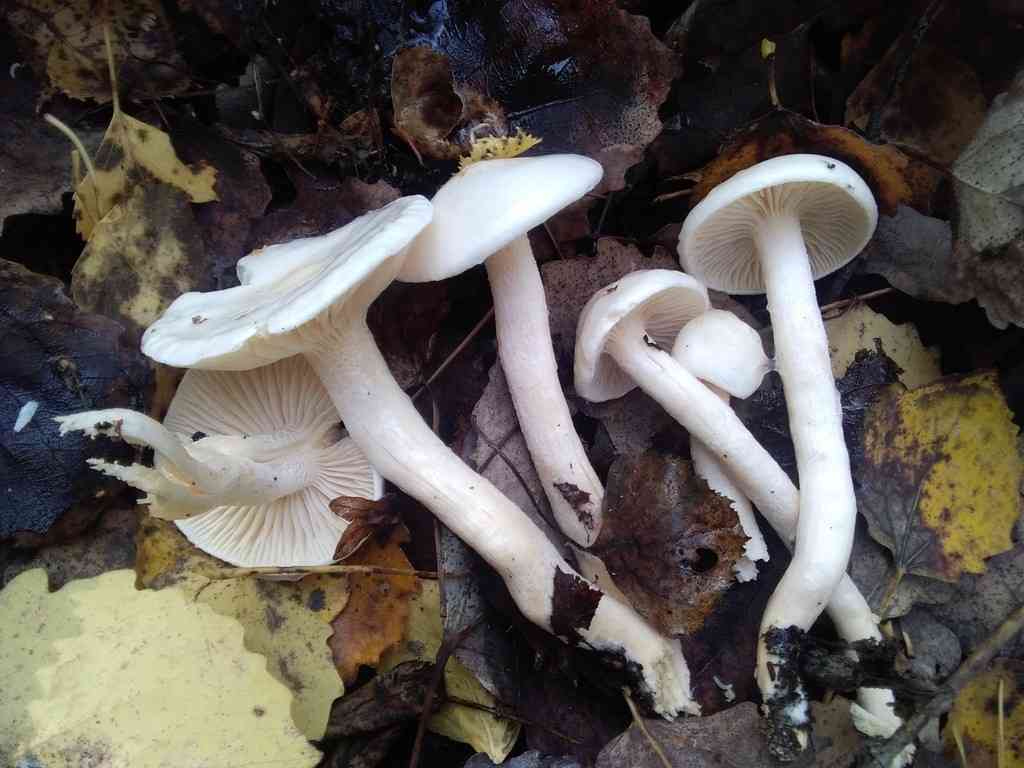
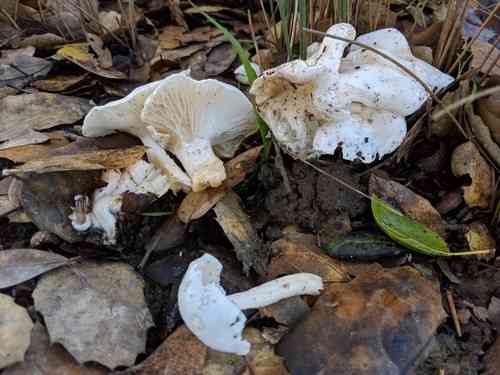
Weakly decurrent; subdistant to distant; white to cream or slightly pinkish
Gill Attachment
Decurrent
Stem
Stem 4 - 15 cm long, 2 - 15 mm thick; pure white to grayish; surface silky, with short fibrils
Stem Shapes
Tapering
Stem Surfaces
Scaly
Flesh
Thick; white
Ring
Ringless
Spore Print Color
White
Odor
Mildly mushroomy but not distinctive.
Body Color
White
Flesh Bruises
The flesh or milk does not discolor when bruised or cut.
Growth Form
Scattered
Nutrient Gathering
Mycorrhizal
Substrate
Leaf or Needle Litter
You can find Ivory woodwax by these plants
Spruces, Pines, Oaks, Populus, European beech
Occurence Habitats
Deciduous Woodland, Coniferous Woodland, Mixed Woodland
Species Status
Widespread
Endangered Species
No
Scientific Classification of Ivory woodwax
Phylum
Club fungi
Class
Mushroom-forming fungi
Order
Gilled fungi
Family
Waxgills
Genus
Woodwaxes
Toxicity and Edibility of Ivory woodwax
Is Ivory woodwax Toxic?
Toxicity information is not available for this mushroom. Always consult with an expert before consuming any wild mushrooms.