Hygrophorus discoideus
Hygrophorus discoideus
A species of Woodwaxes.
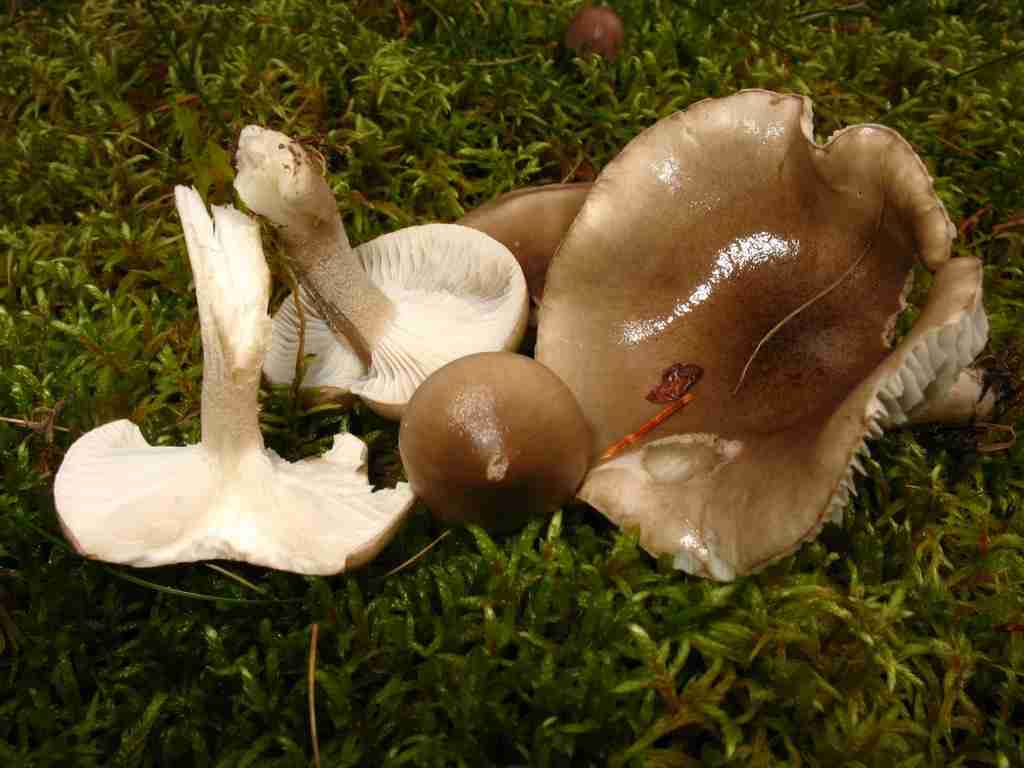
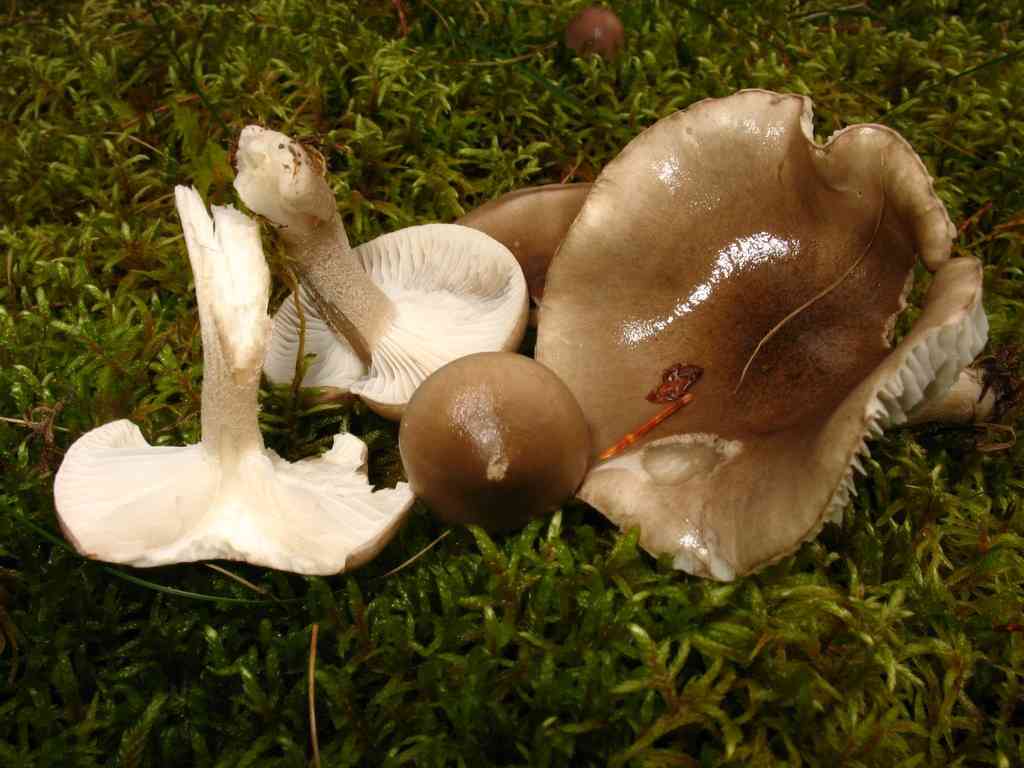
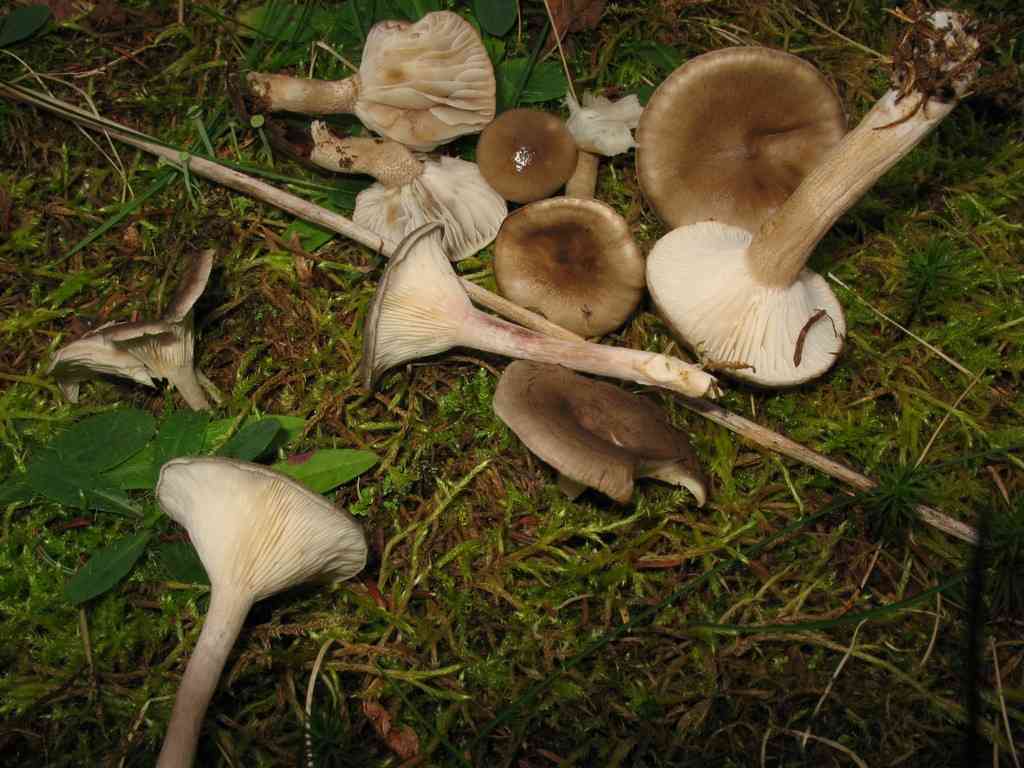
Hygrophorus discoideus, a species belonging to the 'Hygrophoraceae' family, commonly inhabits forested environments. This fungus is identifiable by its characteristic cap, which often presents a shape reminiscent of either a disc or an open umbrella. Its coloration tends to exhibit variations within a single dominant hue. Hygrophorus discoideus thrives by forming a mutualistic association with specific tree species, contributing to a reciprocal advantage within its ecological niche.
In This Article
Attributes of Hygrophorus discoideus
Cap Diameter
3 - 7 cm
Height
4 - 9 cm
Cap
Cap 2 - 5 cm across; convex to subumbate to umbonate; reddish brown, salmon buff, pale beige; unchanging
Cap Shape
Convex, Central Bump
Cap Surfaces
Smooth
Gills
Decurrent; crowded; whitish, cream, pinkish tan
Gill Attachment
Decurrent
Stem
Stem 4 - 9 cm long, 3 - 8 mm thick; slender; whitish
Stem Shapes
Cylindrical
Flesh
Thin; soft, elastic; whitish, brick red; turns brown on contact
Ring
Ringless
Spore Print Color
White
Odor
Mildly earthy, not particularly distinctive.
Body Color
BrownRedWhite
Flesh Bruises
The flesh or milk does not discolor when bruised or cut.
Growth Form
Solitary, Scattered, Gregarious
Nutrient Gathering
Saprophytic
Substrate
On soil
You can find Hygrophorus discoideus by these plants
Spruces
Species Status
Rare
Endangered Species
No
Scientific Classification of Hygrophorus discoideus
Phylum
Club fungi
Class
Mushroom-forming fungi
Order
Gilled fungi
Family
Waxgills
Genus
Woodwaxes
Toxicity and Edibility of Hygrophorus discoideus
Is Hygrophorus discoideus Toxic?
Toxicity information is not available for this mushroom. Always consult with an expert before consuming any wild mushrooms.

