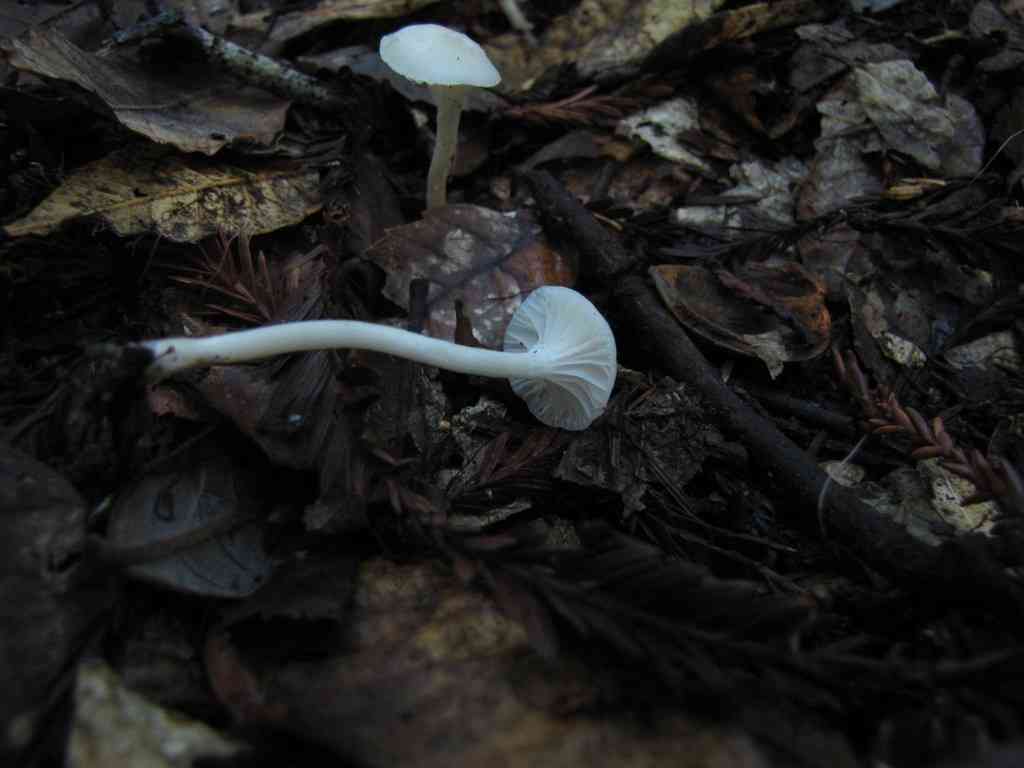
Cedarwood waxcap
Hygrocybe russocoriacea
A species of Waxcaps.
The Cedarwood waxcap is a visually prominent fungus, distinguished by its vividly colored cap that often resembles the natural tones of cedar wood. It flourishes in sunlit, grassy habitats, frequently intermingled with mosses. This particular species is recognized by the presence of gills under its cap and a graceful, unblemished stem. Belonging to an ecologically vital family, the Cedarwood waxcap plays a role in maintaining ecosystem equilibrium.
In This Article
Attributes of Cedarwood waxcap
Cap Diameter
1 - 3 cm
Height
2 - 6 cm
Cap
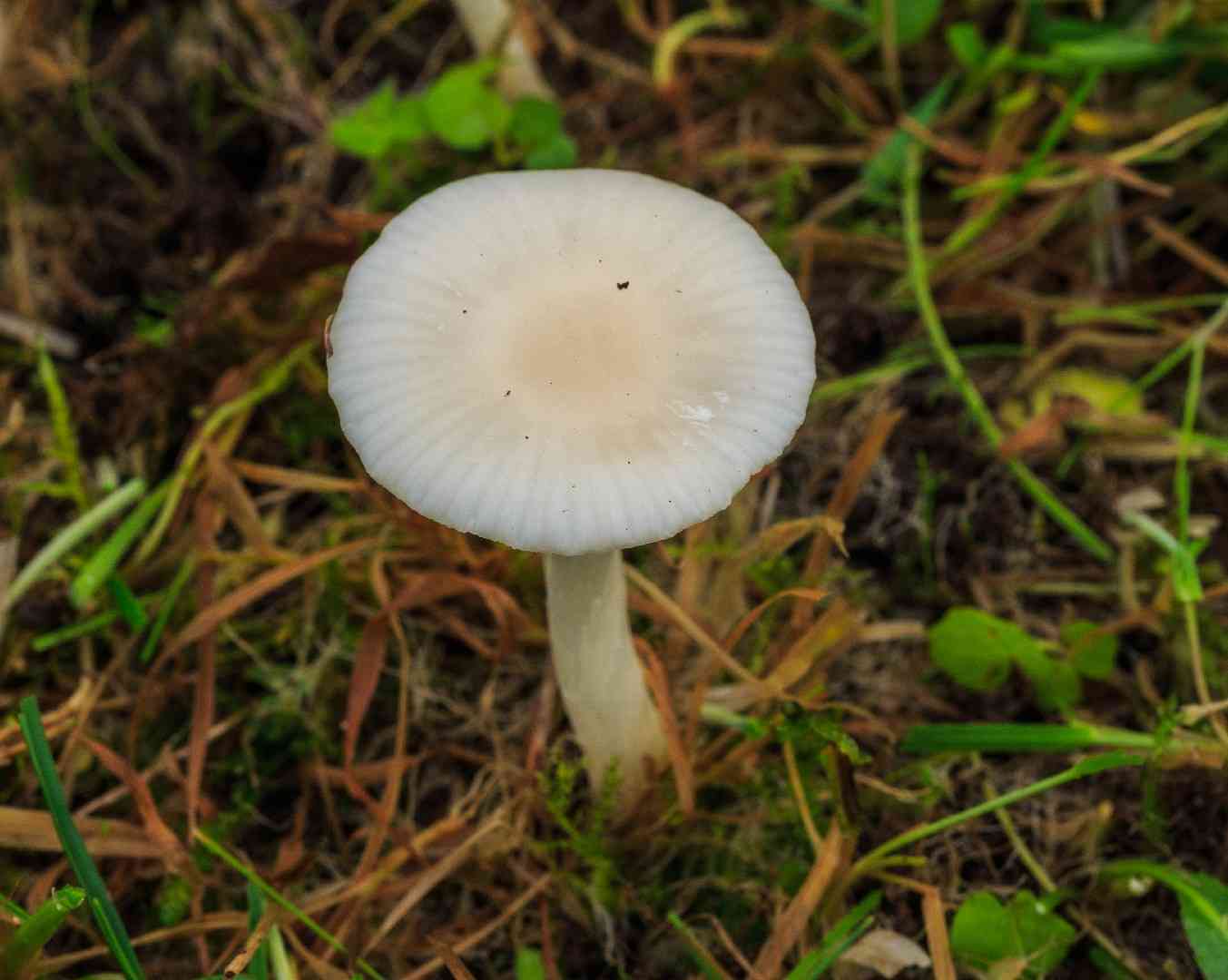
hemispherical,becoming convex to flat and depressed at the center.The surface is smooth,striate when damp,ivory-white often with pale ocher tints toward the center
Cap Shape
Convex, Flat, Depressed
Cap Surfaces
Slimy or slightly sticky, Visible lines or stripes
Gills
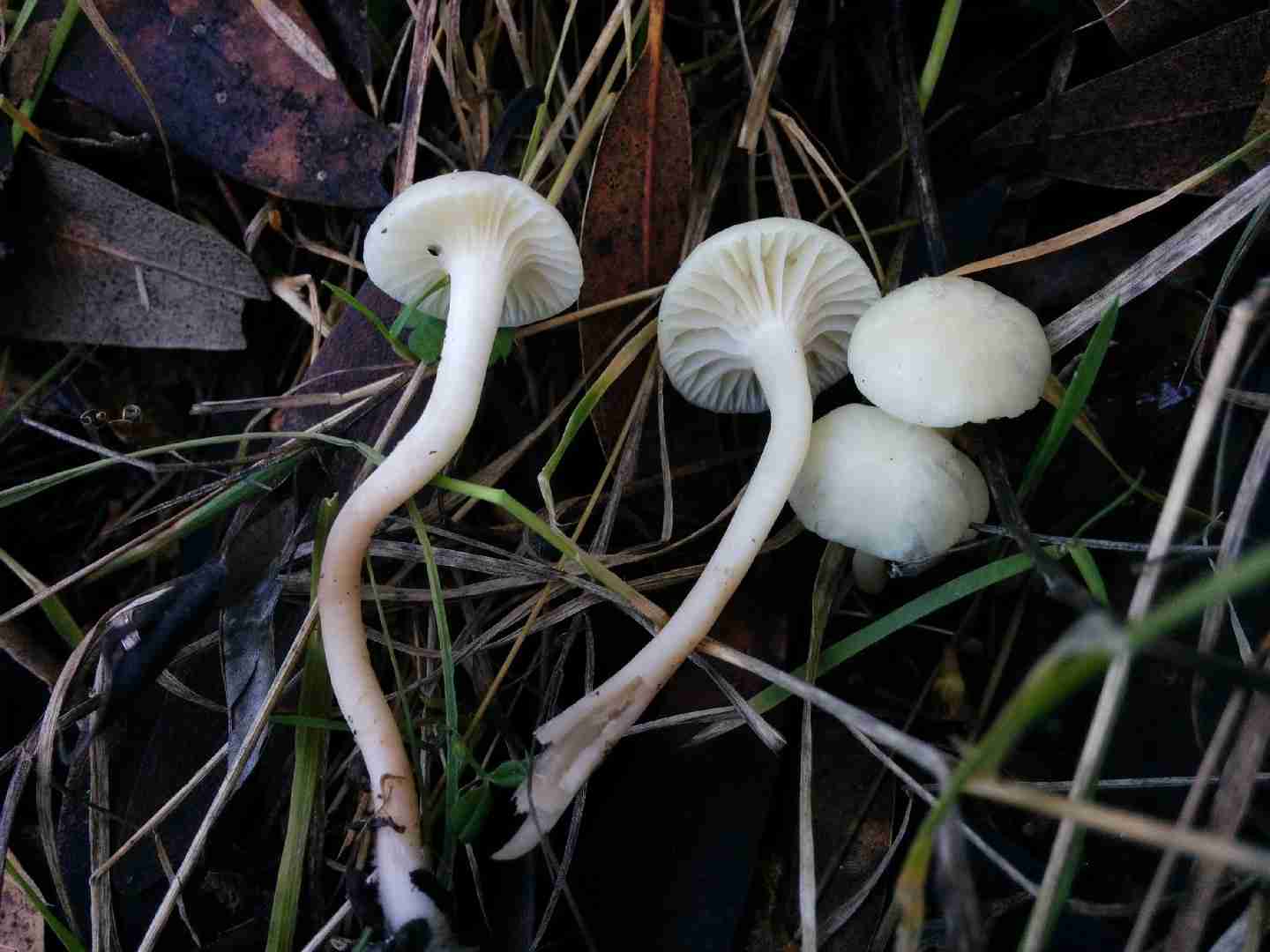
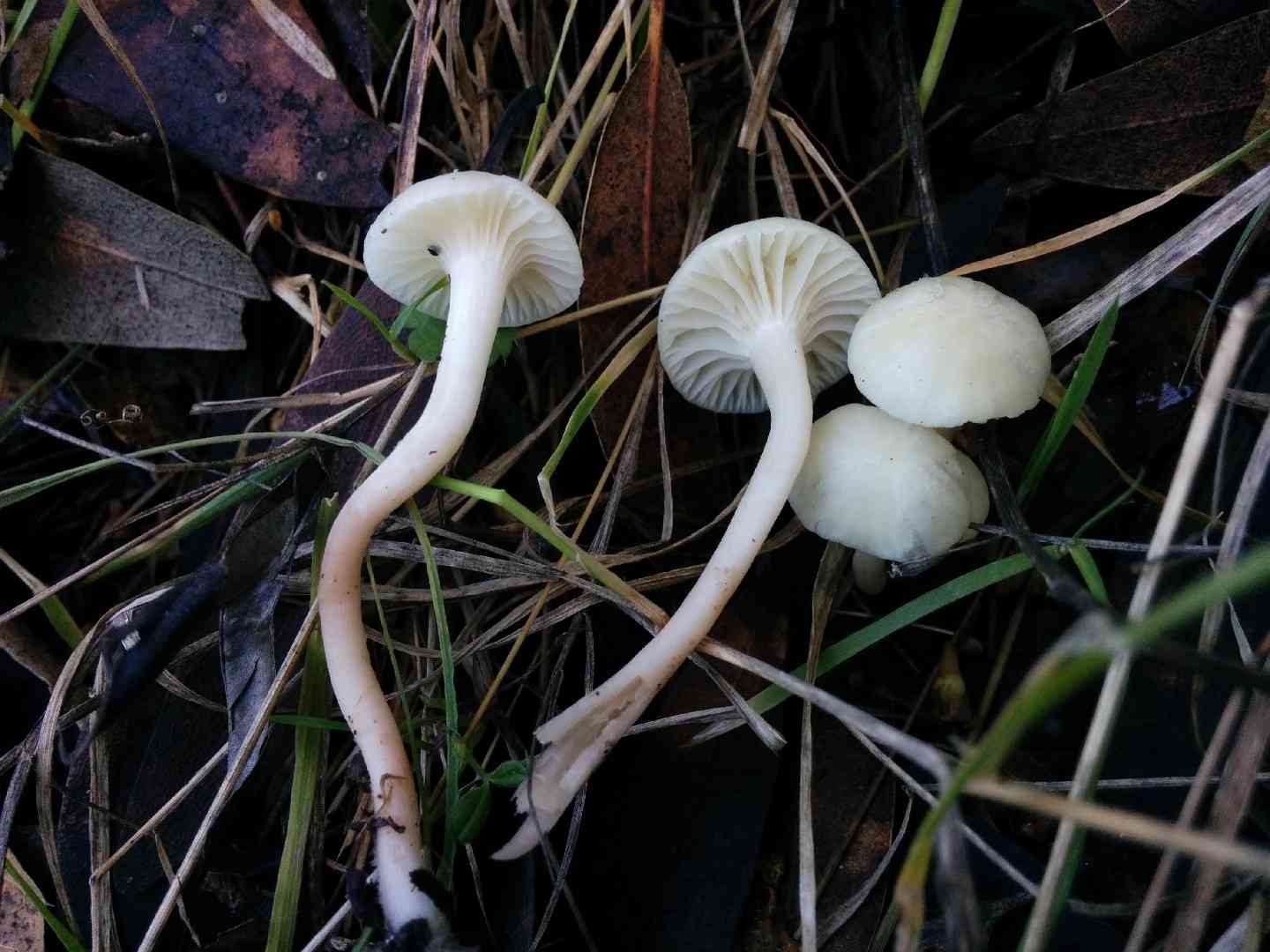
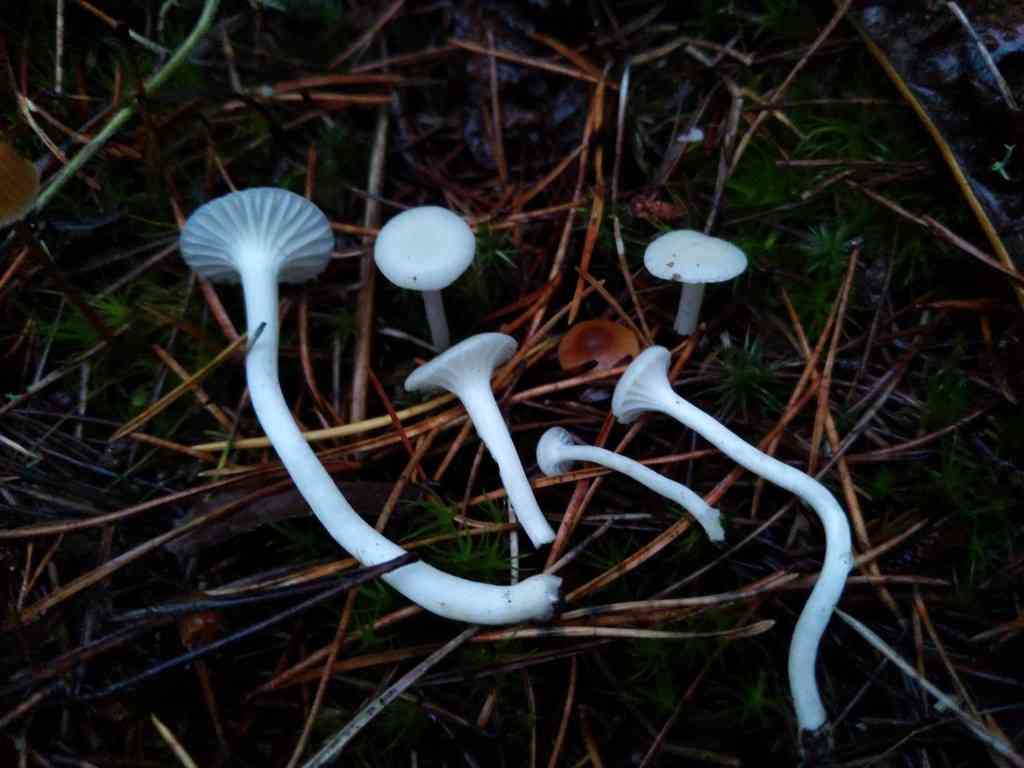
The gills are weakly decurrent and cap-colored.
Gill Attachment
Decurrent
Stem
The stem is smooth,cap-colored,tapering toward the base
Stem Shapes
Cylindrical
Stem Surfaces
Smooth to slightly fibrous
Ring
Ringless
Spore Print Color
White
Odor
Reminiscent of sandalwood or cured leather.
Flesh Bruises
The flesh or milk does not discolor when bruised or cut.
Growth Form
Scattered, Gregarious
Nutrient Gathering
Saprophytic, Symbiotic
Substrate
On soil, Mosses
You can find Cedarwood waxcap by these plants
Coast redwood
Occurence Habitats
Deciduous Woodland, Coniferous Woodland, Meadows
Scientific Classification of Cedarwood waxcap
Phylum
Club fungi
Class
Mushroom-forming fungi
Order
Gilled fungi
Family
Waxgills
Genus
Waxcaps
Toxicity and Edibility of Cedarwood waxcap
Is Cedarwood waxcap Toxic?
Toxicity information is not available for this mushroom. Always consult with an expert before consuming any wild mushrooms.