Butter waxcap
Hygrocybe ceracea
A species of Waxcaps.
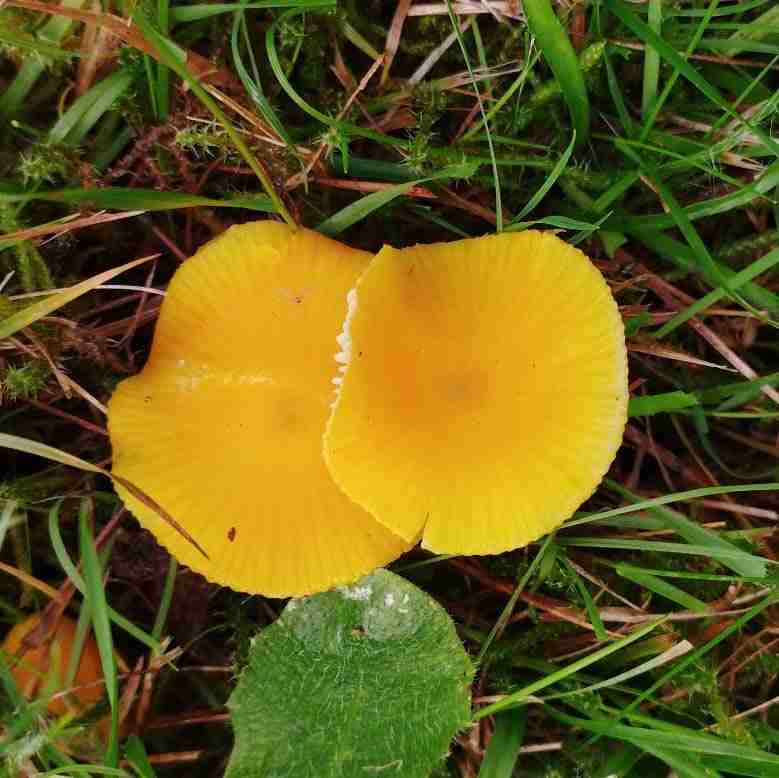
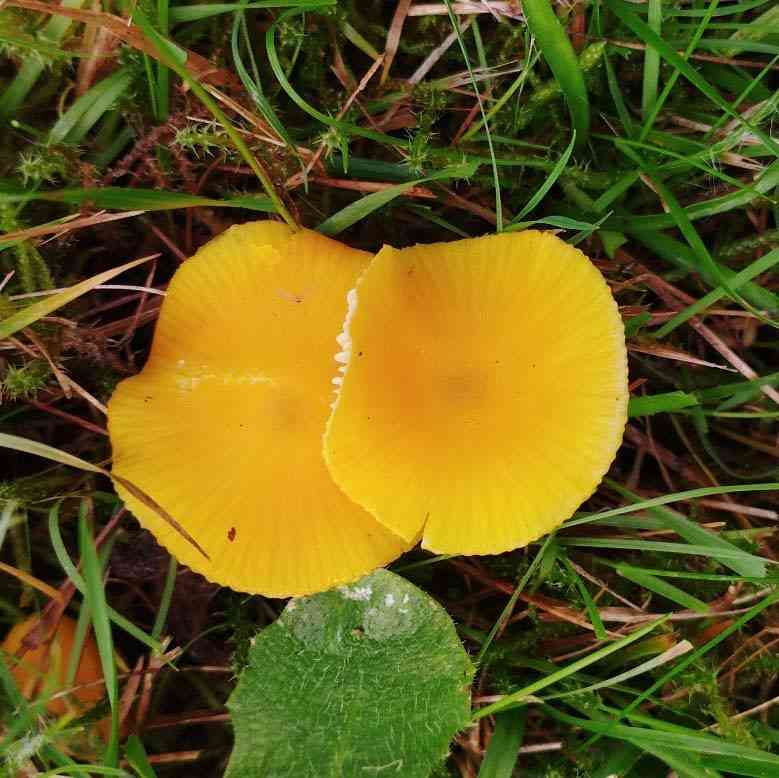
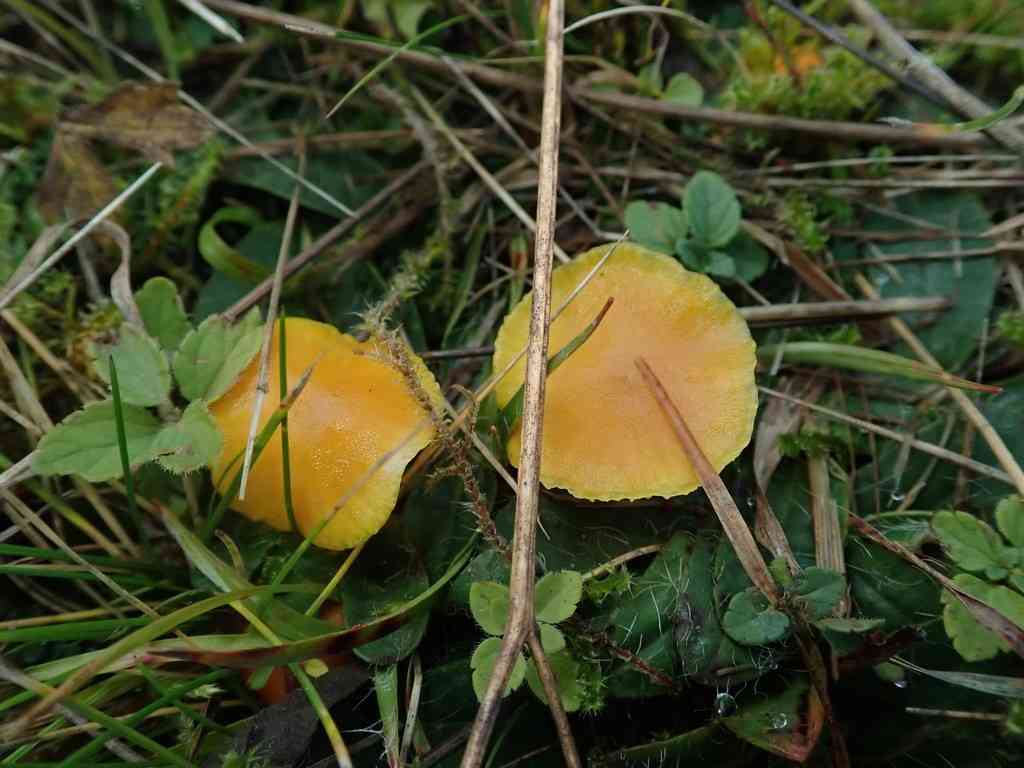
The butter waxcap, distinguishable by its unique buttery yellow hue, is commonly observed in grassy areas. This mushroom forms a mutualistic association with live grass, thriving in healthy, uncontaminated fields. It belongs to a broader group characterized by their diverse, often vivid, cap colors and affinity for damp environments. These attributes assist mushroom aficionados in identifying the butter waxcap when it is producing fruit.
In This Article
Attributes of Butter waxcap
Cap Diameter
1 - 4 cm
Height
3 - 7 cm
Cap
Cap 5 - 35 mm across; hemispherical to convex, flat; bright yellow, orange-yellow; margin with striate
Cap Shape
Convex, Flat, Depressed
Cap Surfaces
Slimy or slightly sticky, Visible lines or stripes
Gills
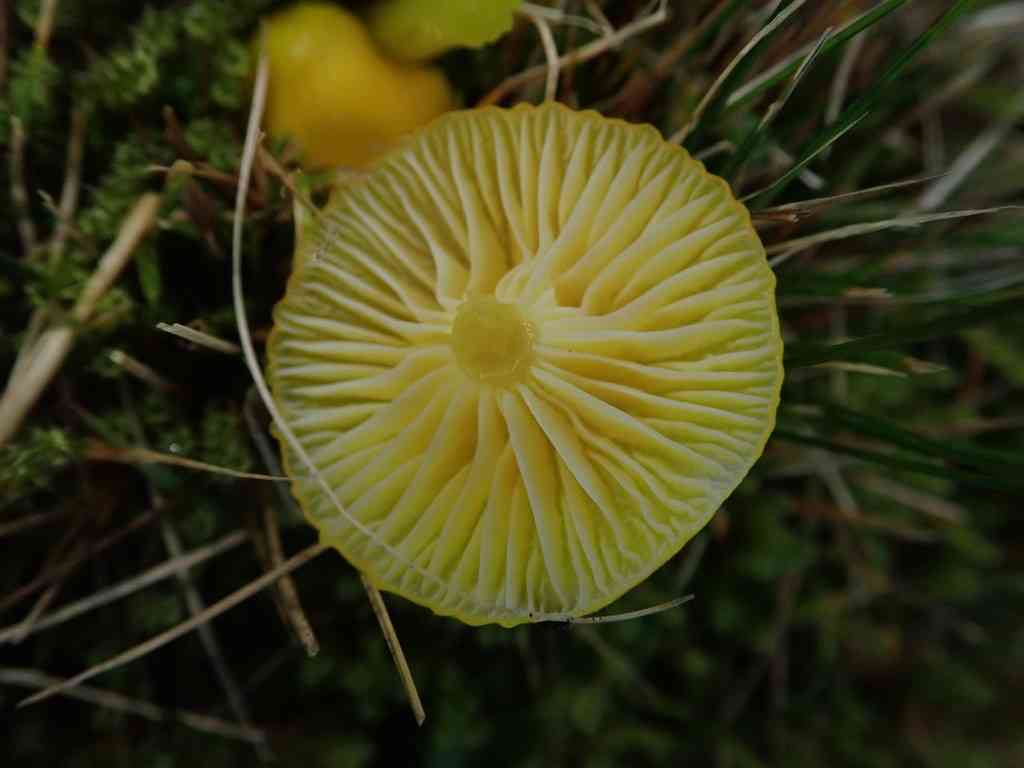
Adnate, shortly decurrent; fairly crowded; paler yellow, white
Gill Attachment
Attached
Stem
Stem 2 - 5 cm long, 2 - 4 mm thick; yellow
Stem Shapes
Cylindrical
Stem Surfaces
Smooth
Flesh
Thin; light yellow
Ring
Ringless
Spore Print Color
White
Odor
Faintly fungal, not particularly characteristic.
Body Color
YellowWhiteOrange
Flesh Bruises
The flesh or milk does not discolor when bruised or cut.
Growth Form
Scattered, Gregarious
Nutrient Gathering
Saprophytic
Substrate
On soil
You can find Butter waxcap by these plants
Spruces, Oaks, Hawthorns
Occurence Habitats
Meadows
Species Status
Common and widespread
Endangered Species
No
Scientific Classification of Butter waxcap
Phylum
Club fungi
Class
Mushroom-forming fungi
Order
Gilled fungi
Family
Waxgills
Genus
Waxcaps
Toxicity and Edibility of Butter waxcap
Is Butter waxcap Toxic?
Toxicity information is not available for this mushroom. Always consult with an expert before consuming any wild mushrooms.

