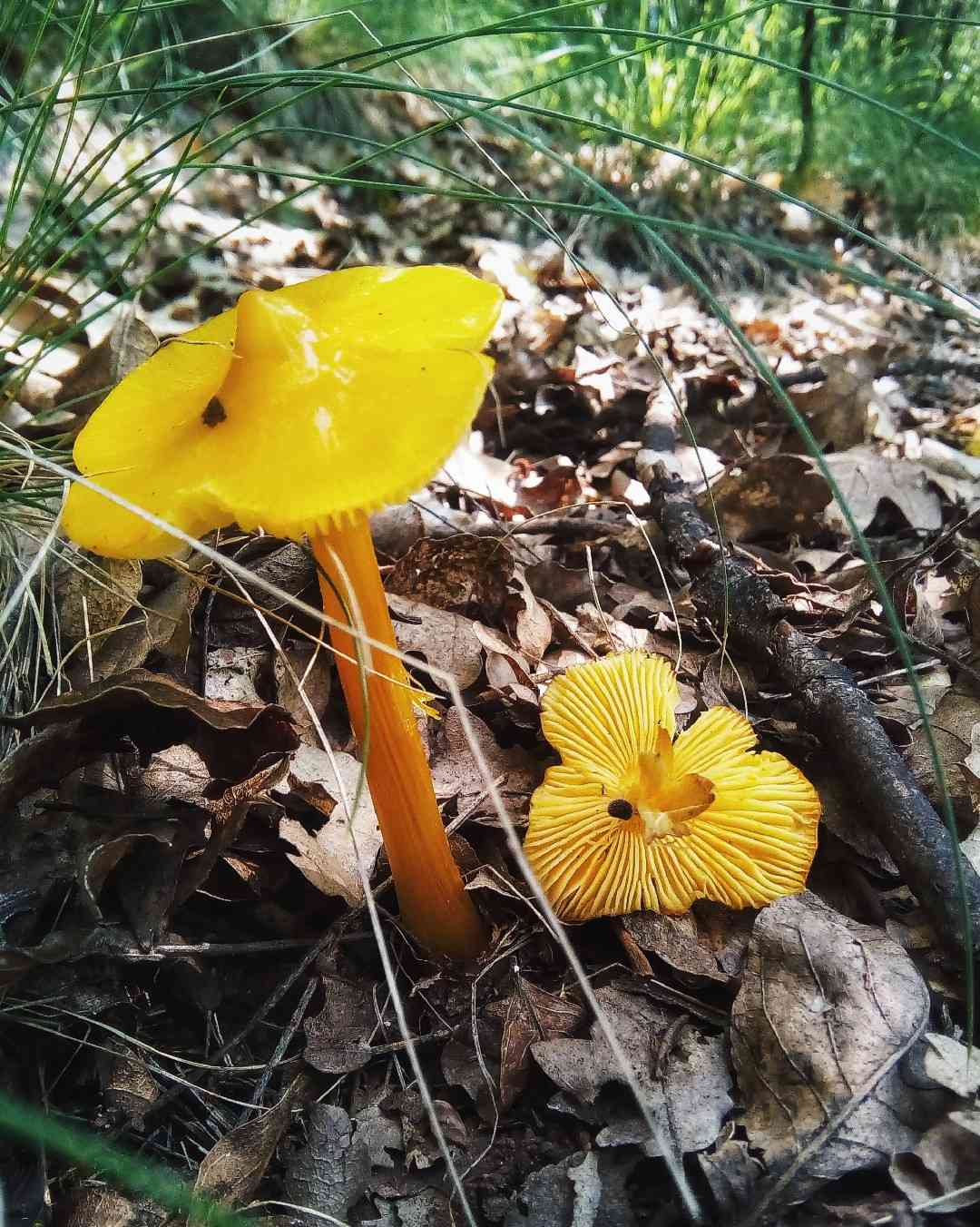
Persistant waxcap
Hygrocybe acutoconica
A species of Waxcaps.
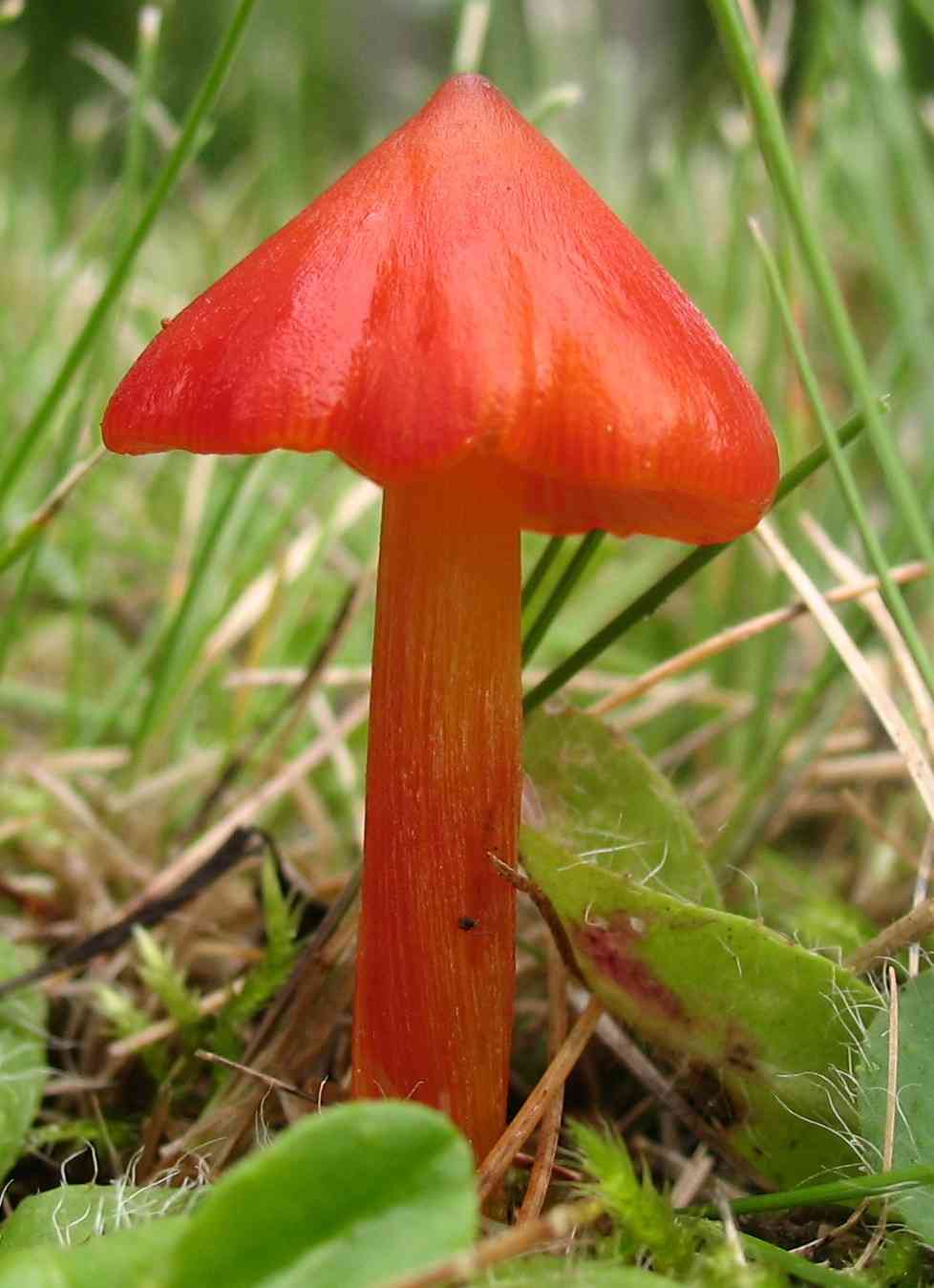
The minute mushroom, initially cataloged in 1893, has since drawn the attention of renowned mycologists globally. Despite its scientific recognition, the tenacious waxcap (Hygrocybe acutoconica) is infrequently encountered in natural habitats. It possesses a doppelganger in form and dimension, the Hygrocybe cuspidata, which distinguishes itself by its vibrant red hue compared to the former's yellow.
In This Article
Attributes of Persistant waxcap
Cap Diameter
2 - 7 cm
Height
3 - 10 cm
Cap
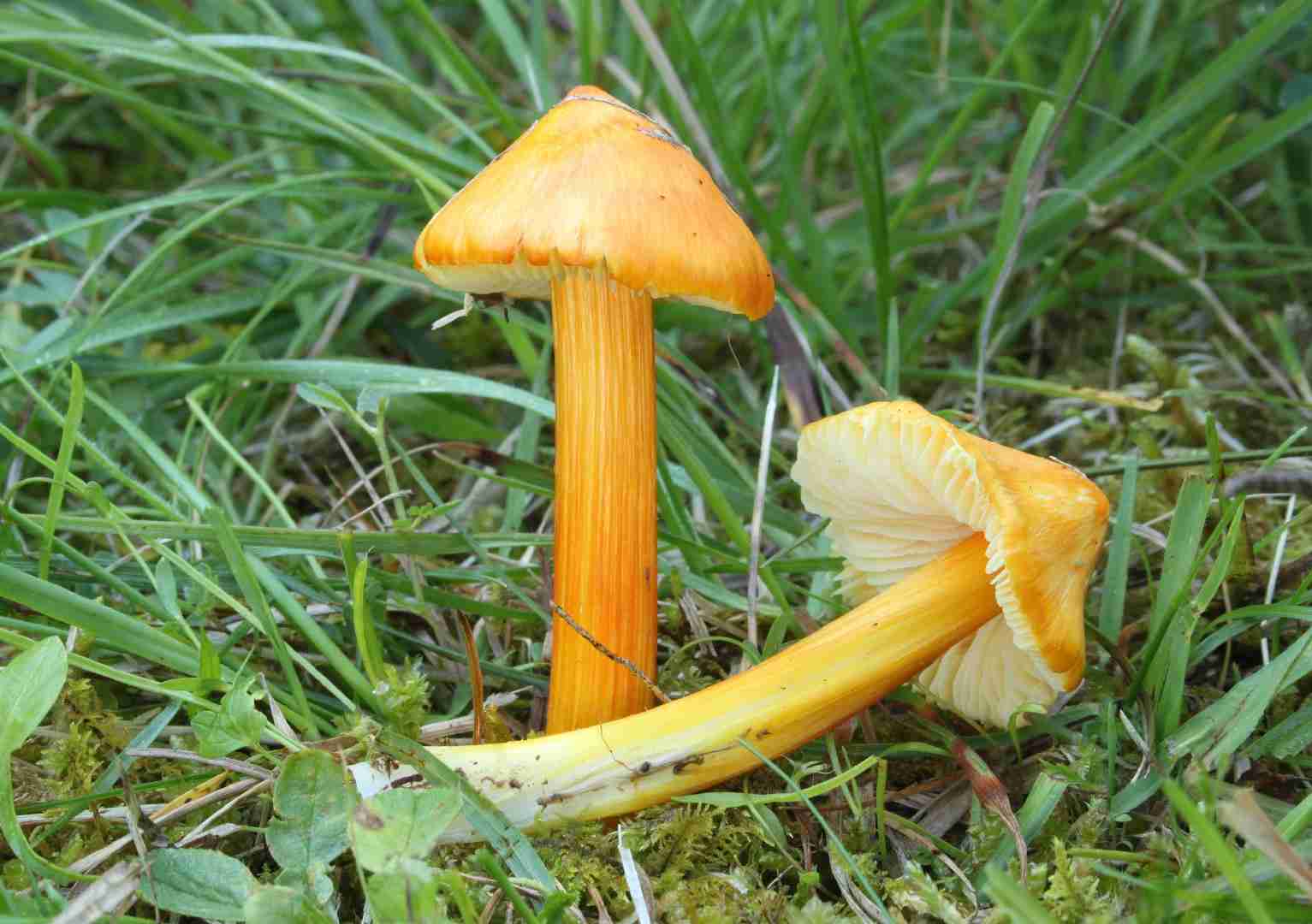
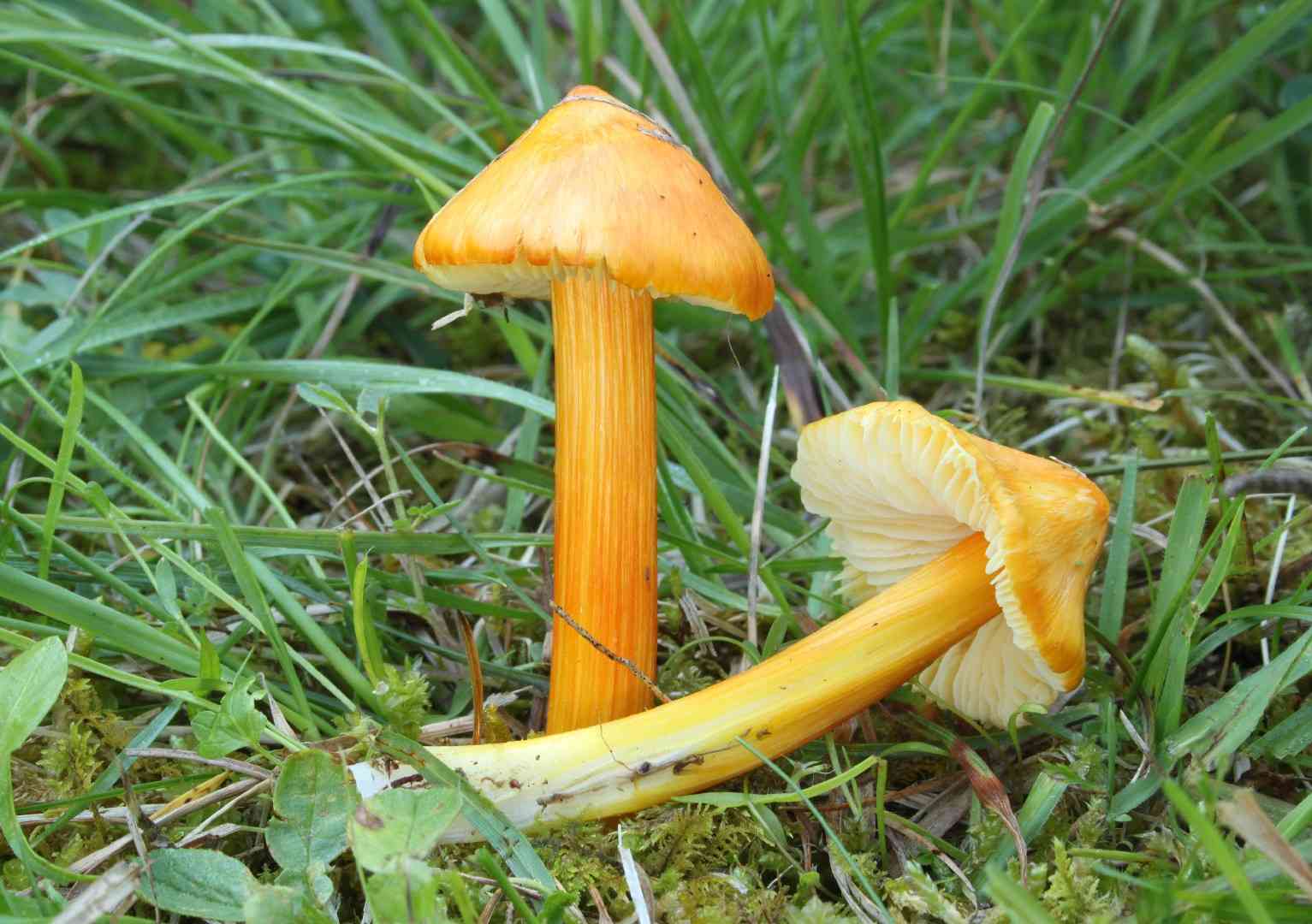
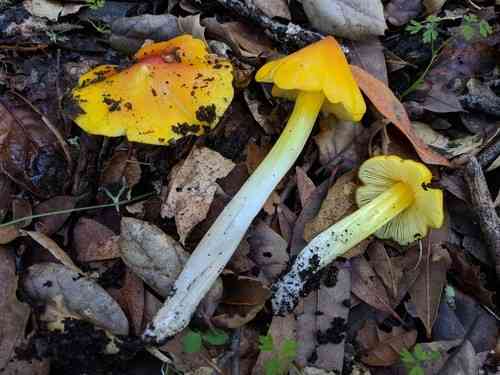
Cap 1 - 4 cm; conical; yellow to orange; slimy or tacky, bald; margin often faintly lined, becoming uplifted and torn in age
Cap Shape
Bell-shaped, Central Bump
Cap Surfaces
Smooth, Slimy or slightly sticky, Visible lines or stripes
Gills
Free or adnexed; close; yellow to pale yellow or pale orange
Gill Attachment
Free to Attached
Stem
Stem 2 - 6 cm long, 3 - 12 mm thick; equal, often twisted; pale yellow to orange, with a whitish base; dry
Stem Shapes
Cylindrical
Stem Surfaces
Fibrillose
Flesh
Thin; yellowish
Ring
Ringless
Spore Print Color
White
Odor
Mildly mushroomy but not distinctive.
Body Color
YellowWhiteOrange
Flesh Bruises
The flesh or milk does not discolor when bruised or cut.
Growth Form
Solitary, Scattered, Gregarious
Nutrient Gathering
Saprophytic
Substrate
On soil, Mosses
You can find Persistant waxcap by these plants
Spruces, Pines, Oaks
Occurence Habitats
Deciduous Woodland, Meadows
Species Status
Apparently widely distributed in North America
Endangered Species
No
Scientific Classification of Persistant waxcap
Phylum
Club fungi
Class
Mushroom-forming fungi
Order
Gilled fungi
Family
Waxgills
Genus
Waxcaps
Toxicity and Edibility of Persistant waxcap
Is Persistant waxcap Toxic?
The Persistent waxcap commonly appears in grasslands during autumn. This mushroom contains a gastrointestinal toxin that can lead to mild stomach and intestinal discomfort. It is distinguishable by its conical cap, a key feature for identifying it among other mushroom varieties.
Type of poisoning
Gastrointestinal
Toxic Severity
Low toxicity
Incubation Period
0.5-4 hours
Poisoning Symptoms
Experience of minor digestive upset in the stomach and intestines.