Terracotta hedgehog
Hydnum rufescens
A species of Dentinum.
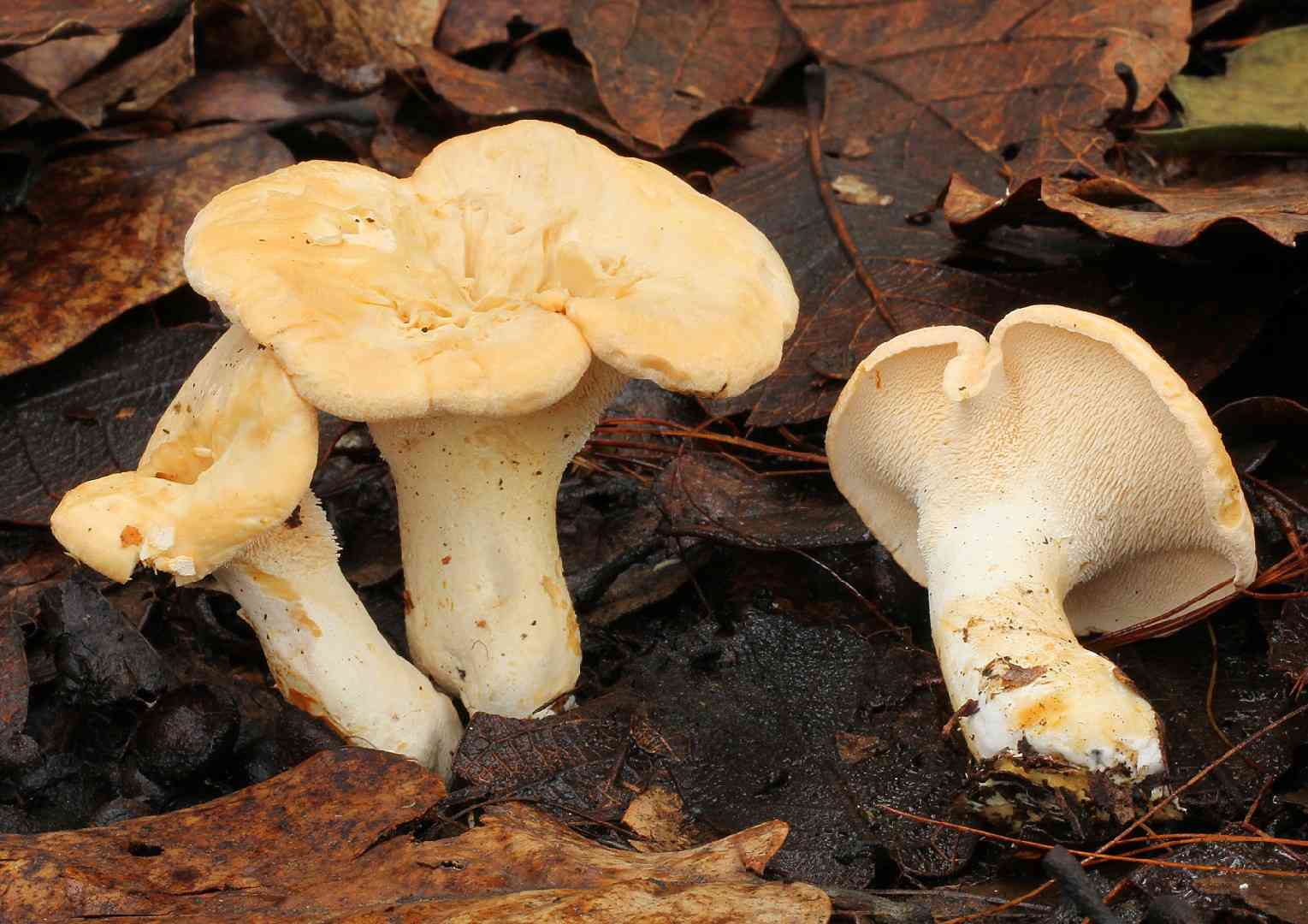
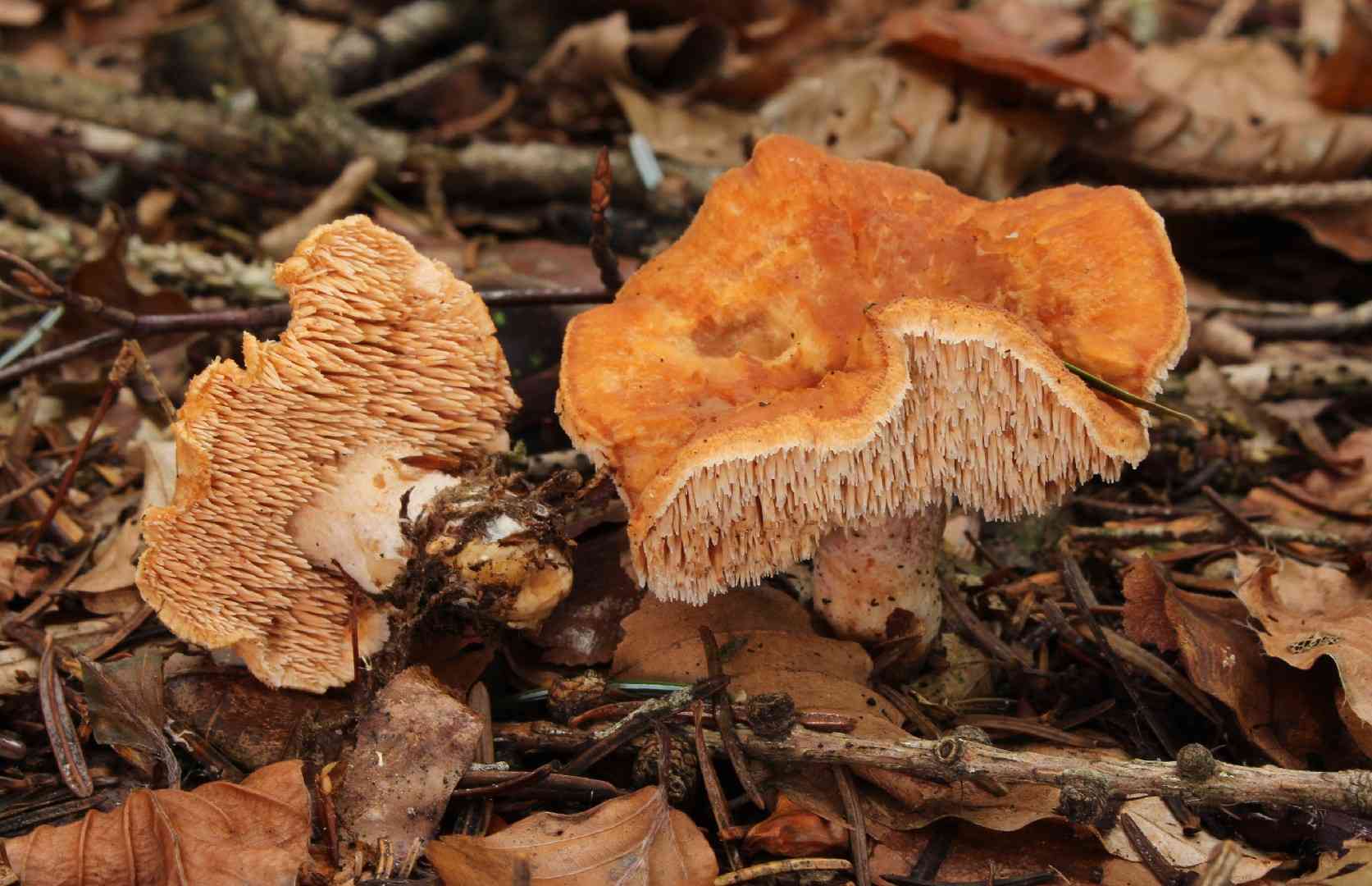
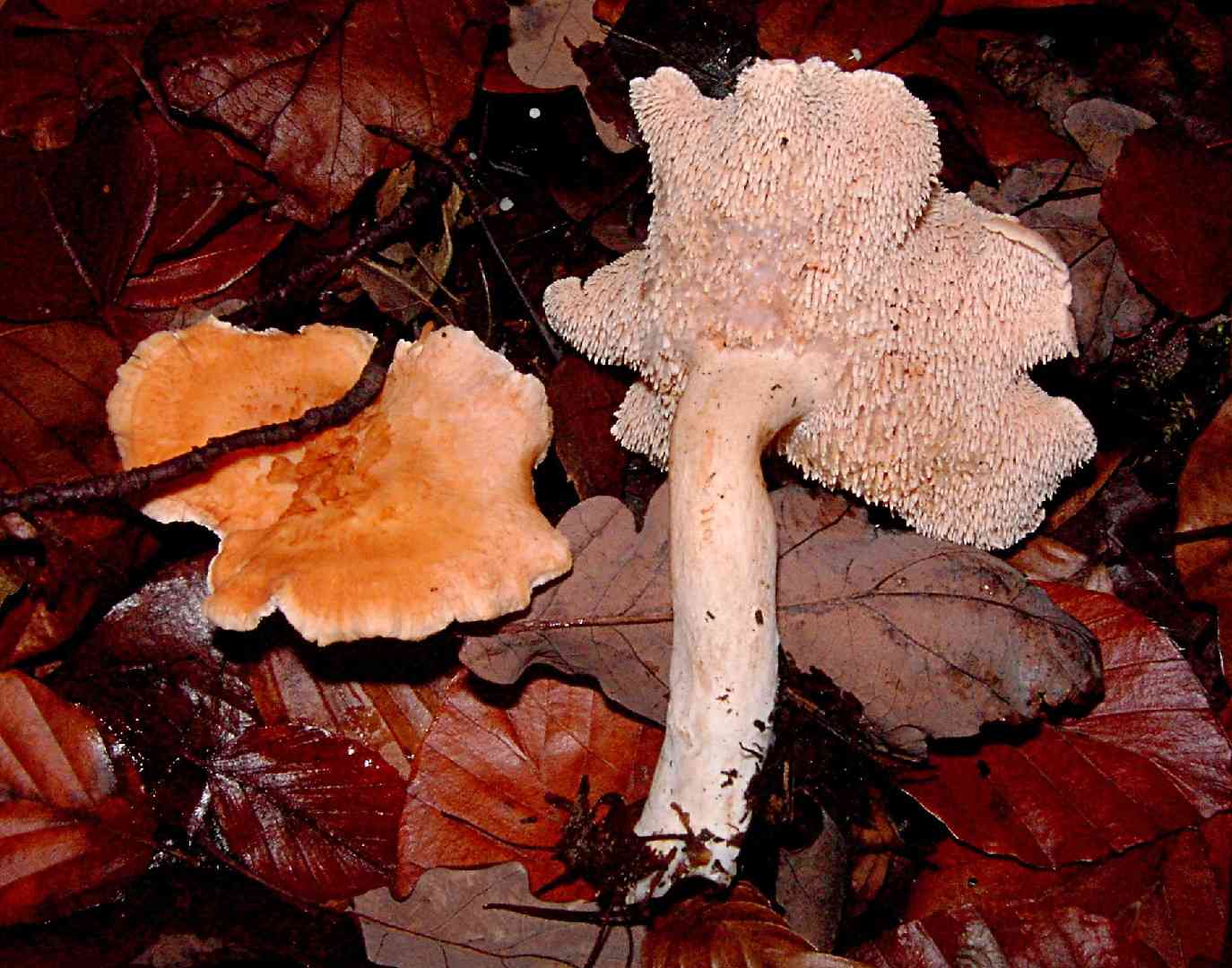
The reddish-brown cap of the
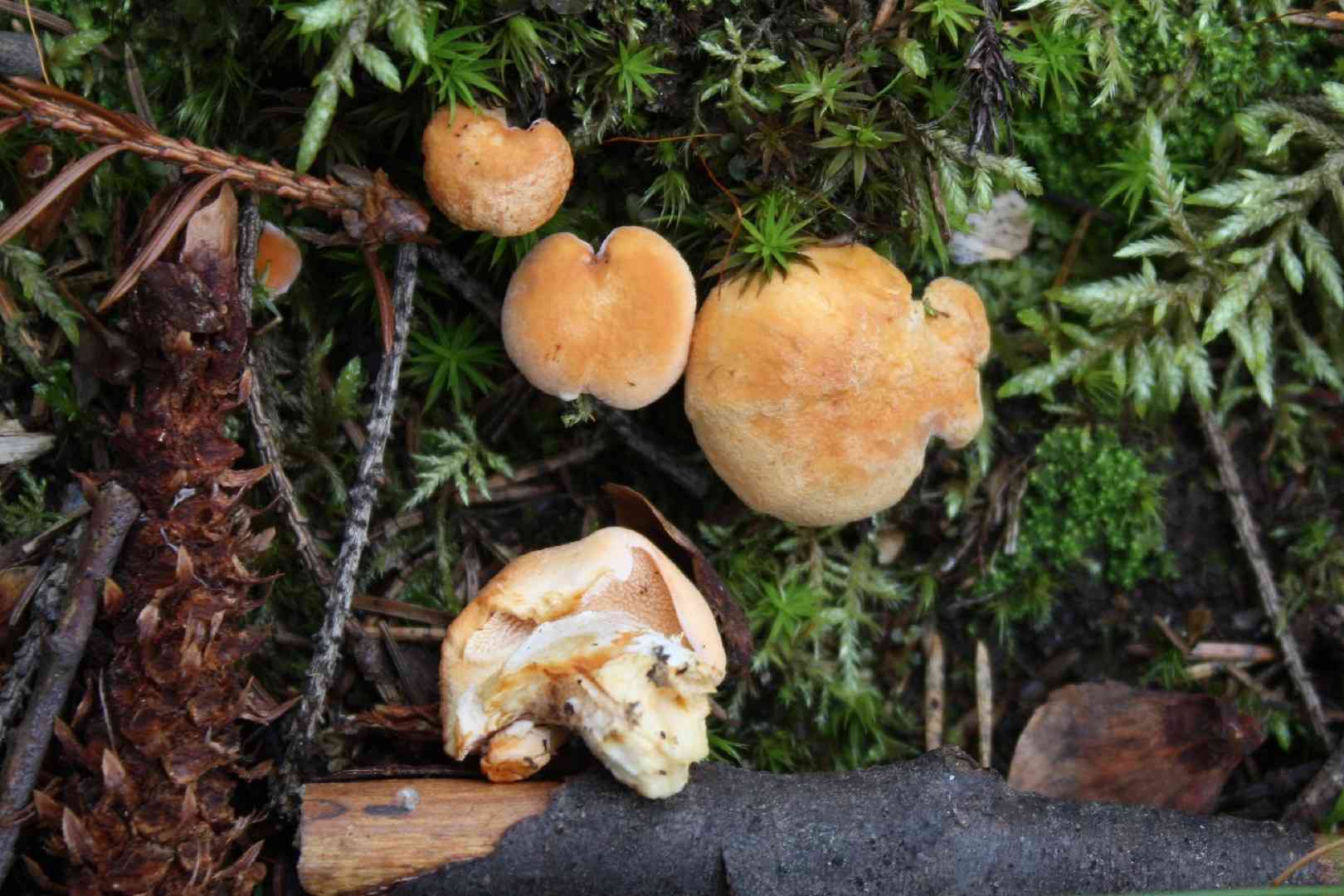
terracotta hedgehog (Hydnum rufescens) gives it the first part of its name. Its underside is covered with small spines, resembling a hedgehog, hence the second part of its common name. This species typically grows in small clusters amidst moss and decaying leaves.
In This Article
Attributes of Terracotta hedgehog
Cap Diameter
2 - 6 cm
Height
3 - 6 cm
Cap
Cap 2 - 6 cm across; orange-red or pale tan; surface smooth
Cap Surfaces
Smooth, Velvety
Stem
Stem 2 - 4 cm long, 1.5 - 3 cm thick; pinkish, white; solid
Stem Shapes
Cylindrical
Stem Surfaces
Smooth to slightly fibrous
Flesh
Firm; whitish, with pink tones
Ring
Ringless
Spore Print Color
White
Odor
Faintly mushroomy, non-distinctive.
Body Color
BrownRedOrangePink
Flesh Bruises
Discolor to brown
Growth Form
Gregarious
Nutrient Gathering
Mycorrhizal
Substrate
On soil, Leaf or Needle Litter
You can find Terracotta hedgehog by these plants
Oaks, Pines, Spruces, European beech, Firs
Occurence Habitats
Mixed Woodland
Species Status
Fairly common
Endangered Species
No
Scientific Classification of Terracotta hedgehog
Phylum
Club fungi
Class
Mushroom-forming fungi
Order
Cantharellales
Family
Hydnoid fungi
Genus
Dentinum
Toxicity and Edibility of Terracotta hedgehog
Is Terracotta hedgehog Toxic?
Toxicity information is not available for this mushroom. Always consult with an expert before consuming any wild mushrooms.