Blue Tooth
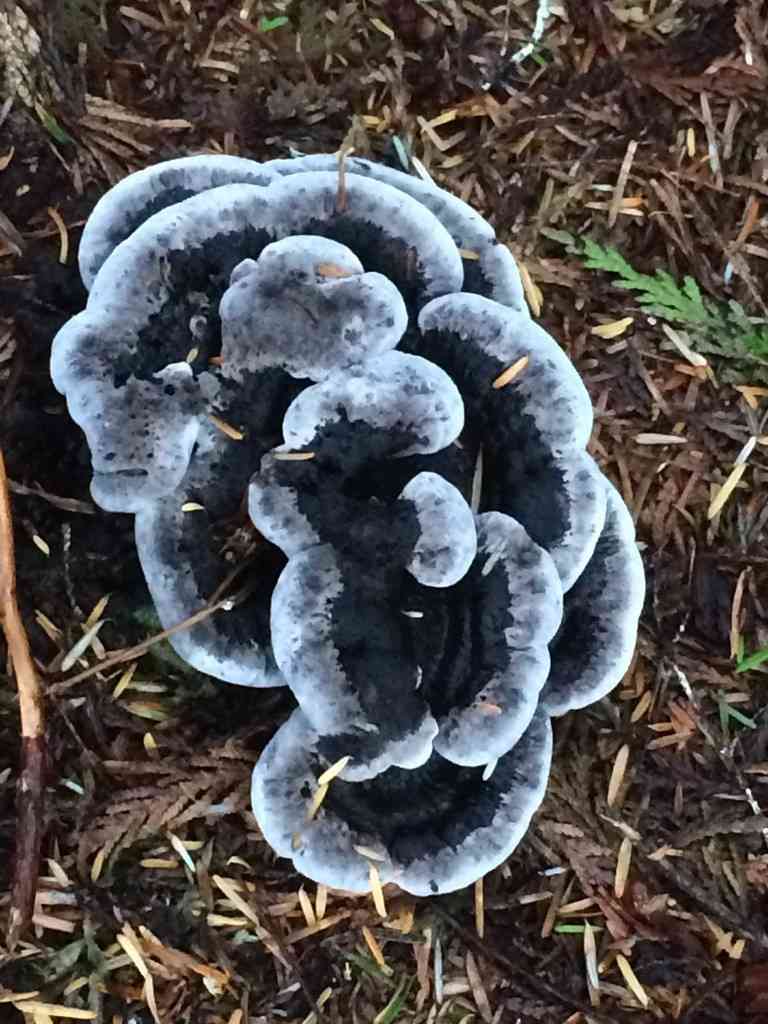
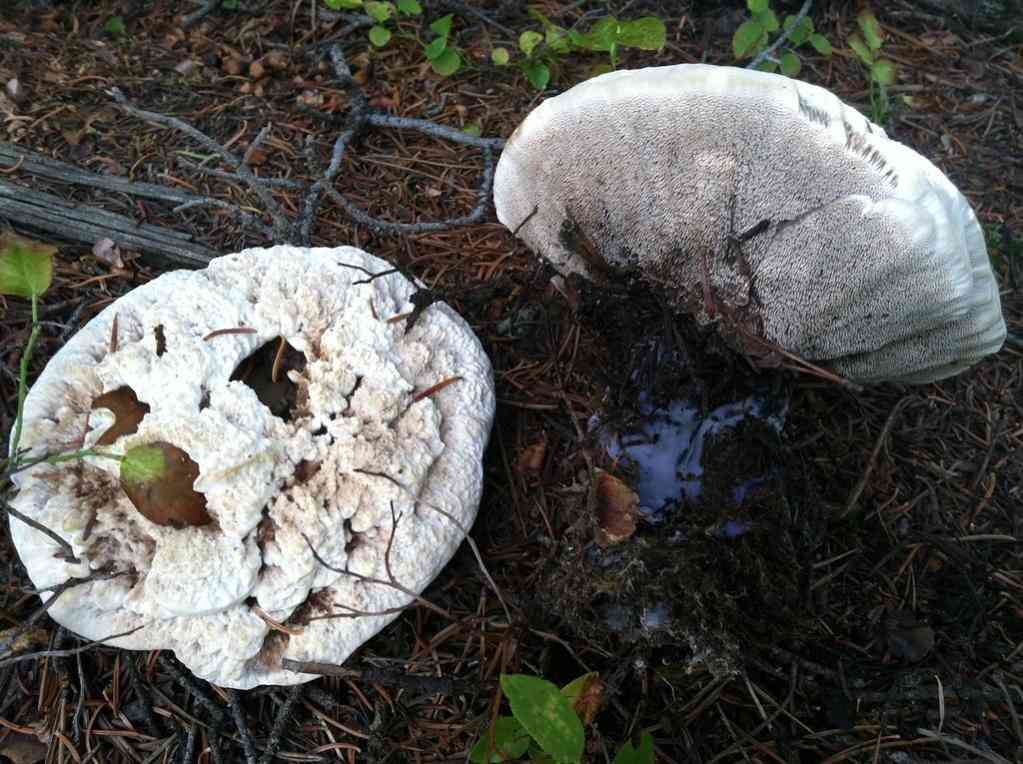
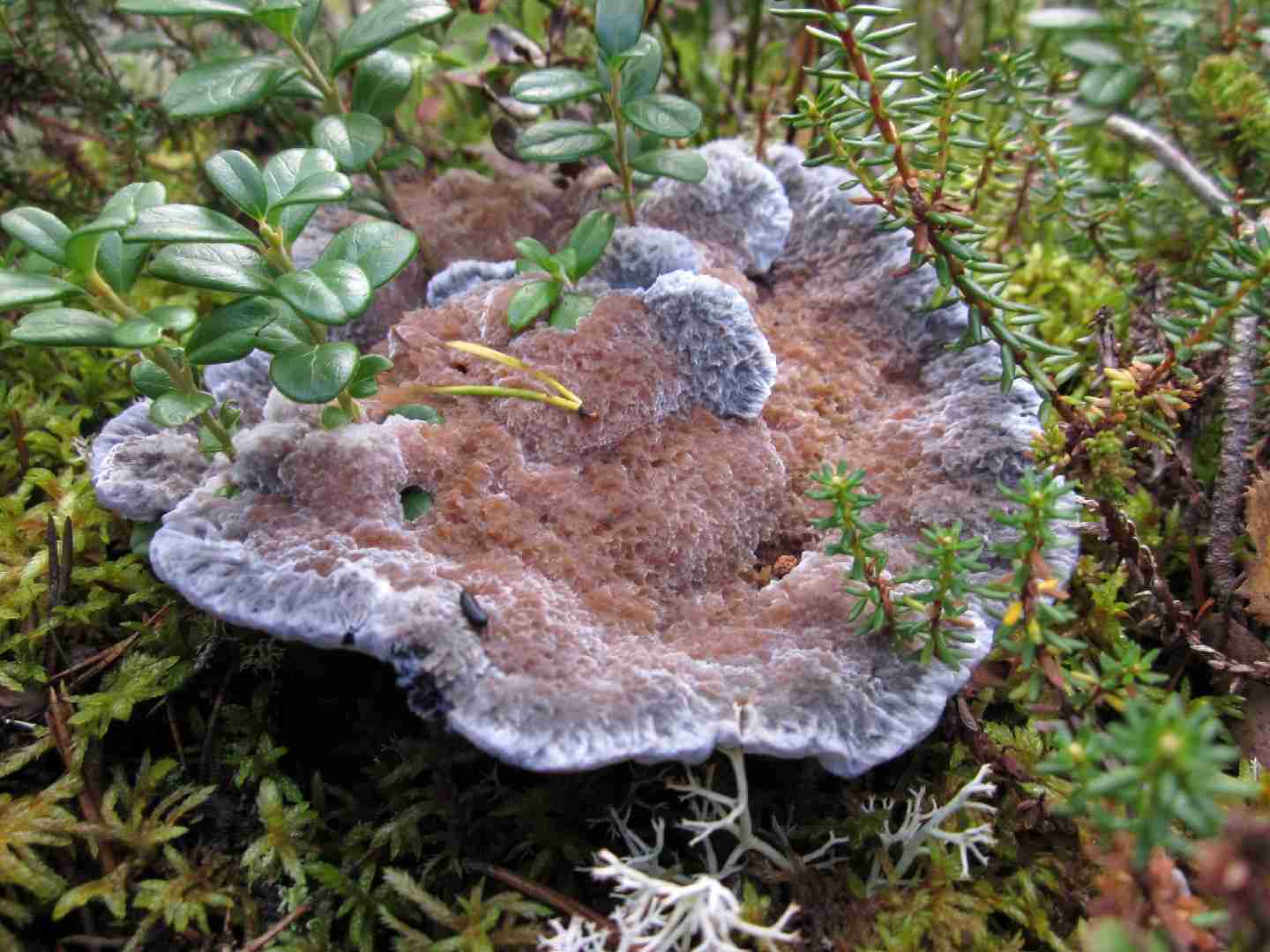
Hydnellum caeruleum
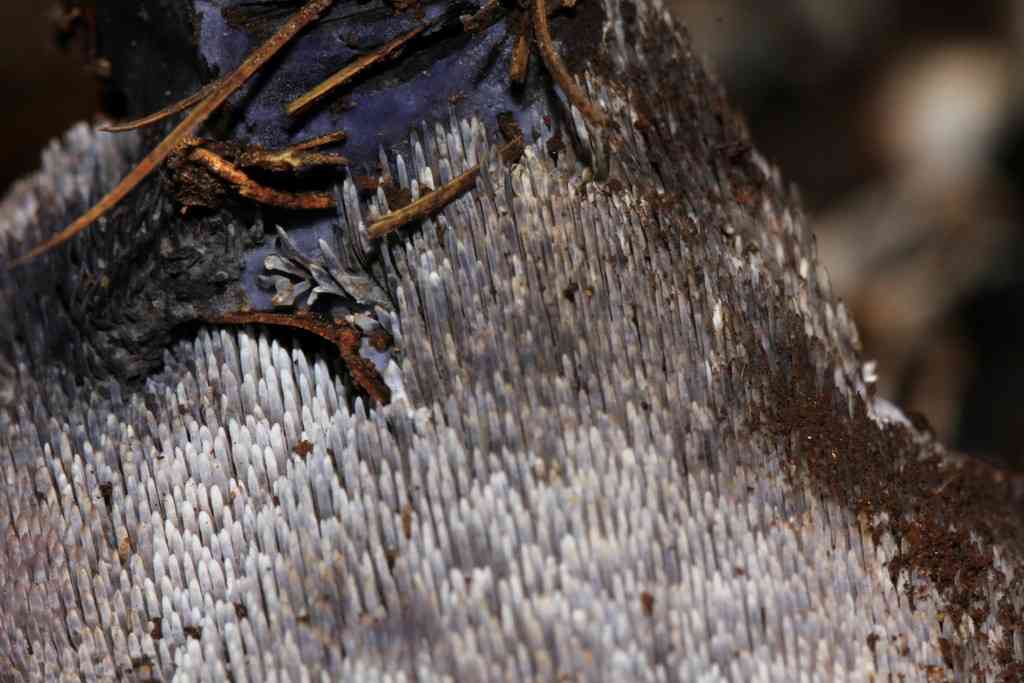
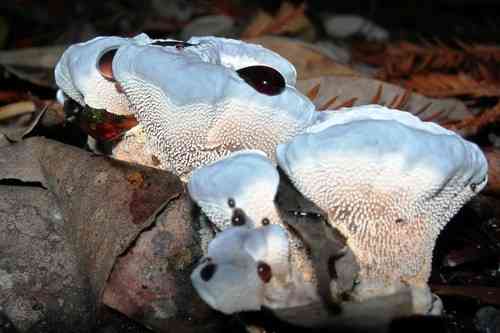
A species of Hydnellum. Also known as Blue Spine.
A notable feature of the Chroogomphus rutilus, also known as the 'Blue Tooth' fungus, is its disagreeable, flour-like scent. While named for the vibrant blue hue of its fruiting body, this coloration fades over time. This particular fungus is rich in various pigments that are suitable for use in dyeing wool and other textiles.
In This Article
Attributes of Blue Tooth
Cap Diameter
3 - 15 cm
Height
3 - 7 cm
Cap
Cap 3 - 15 cm across; top-shaped to convex, flat; white to pale yellowish, brownish; velvety and lumpy
Cap Shape
Convex, Flat, Depressed
Cap Surfaces
Velvety
Stem
Stem 2 - 5 cm long, 1 - 3 cm thick; cylindric, slightly swollen base; orange-brown
Stem Shapes
Cylindrical
Stem Surfaces
Smooth
Flesh
Tough but pliant; whitish to orangish or brownish, slightly bluish
Ring
Ringless
Spore Print Color
Brown
Odor
Slightly flour-like fragrance.
Body Color
BrownYellowWhiteOrange
Flesh Bruises
The flesh or milk does not discolor when bruised or cut.
Growth Form
Solitary, Gregarious
Nutrient Gathering
Mycorrhizal
Substrate
On soil
You can find Blue Tooth by these plants
Pines, Spruces, Firs
Occurence Habitats
Coniferous Woodland, Mixed Woodland
Species Status
Widely distributed
Endangered Species
No
Scientific Classification of Blue Tooth
Phylum
Club fungi
Class
Mushroom-forming fungi
Order
Thelephorales
Family
Bankeraceae
Genus
Hydnellum
Toxicity and Edibility of Blue Tooth
Is Blue Tooth Toxic?
Toxicity information is not available for this mushroom. Always consult with an expert before consuming any wild mushrooms.