Annosum root rot
Heterobasidion annosum
A species of Heterobasidion. Also known as Root rot.
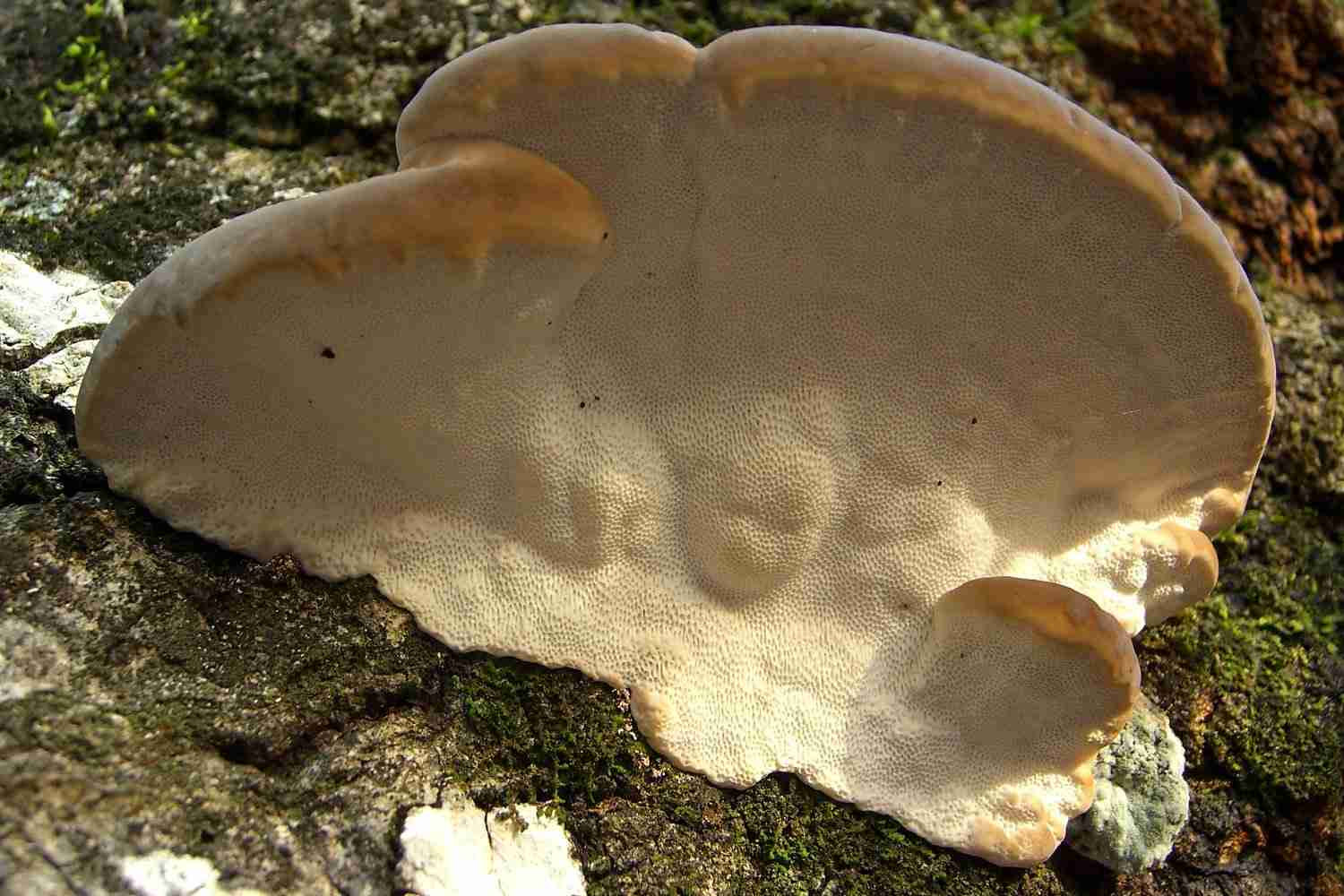
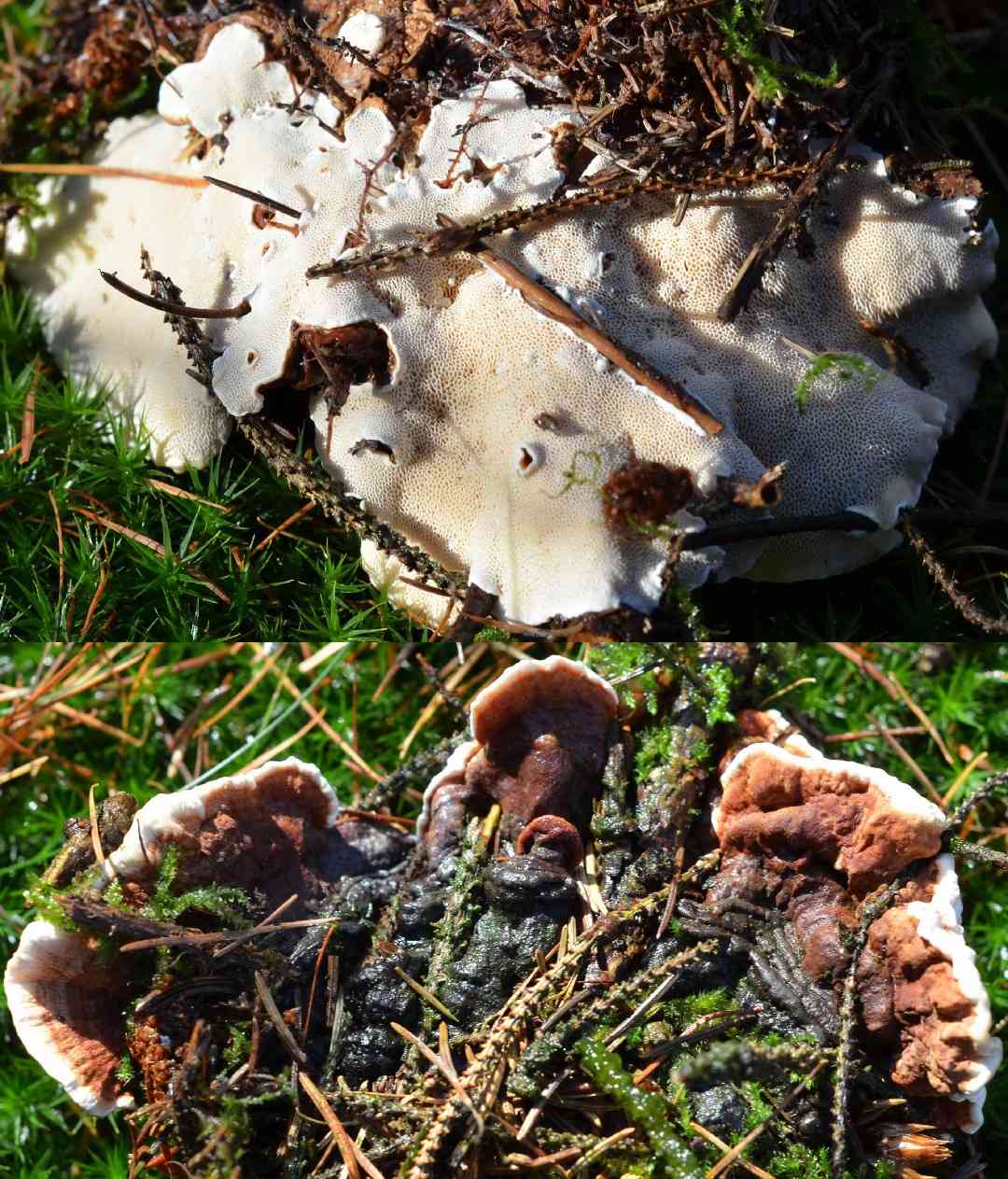
Heterobasidion annosum, a type of bracket fungus, is responsible for a disease also known as annosum root rot. This fungus is considered one of the most detrimental parasitic organisms affecting coniferous trees, though it can occasionally impact deciduous species as well. Its presence leads to significant ecological harm within forest ecosystems and substantial economic losses for the forestry sector.
In This Article
Attributes of Annosum root rot
Cap Diameter
20 - 30 cm
Cap
grayish to reddish brown zones
Cap Surfaces
Velvety
Stem
Absent
Flesh
Whitish cream and leathery, with a strong, sweetish, fungal smell
Spore Print Color
White
Odor
Mild, sweet, with a faint floral hint.
Body Color
BrownBlackRedWhite
Flesh Bruises
The flesh or milk does not discolor when bruised or cut.
Growth Form
Solitary, Gregarious
Nutrient Gathering
Saprophytic, Parasitic
Substrate
Wood of Living Trees, Dead Woods
You can find Annosum root rot by these plants
Spruces, Pines, Firs
Occurence Habitats
Coniferous Woodland
Species Status
Appearing year-round
Endangered Species
No
Scientific Classification of Annosum root rot
Phylum
Club fungi
Class
Mushroom-forming fungi
Order
Russulales
Family
Bondarzewiaceae
Genus
Heterobasidion
Toxicity and Edibility of Annosum root rot
Is Annosum root rot Toxic?
Toxicity information is not available for this mushroom. Always consult with an expert before consuming any wild mushrooms.

