Hemistropharia albocrenulata
Hemistropharia albocrenulata
A species of Hemistropharia. Also known as Hebeloma Albocrenulatum, Hypodendrum Albocrenulatum, Pholiota Fusca.
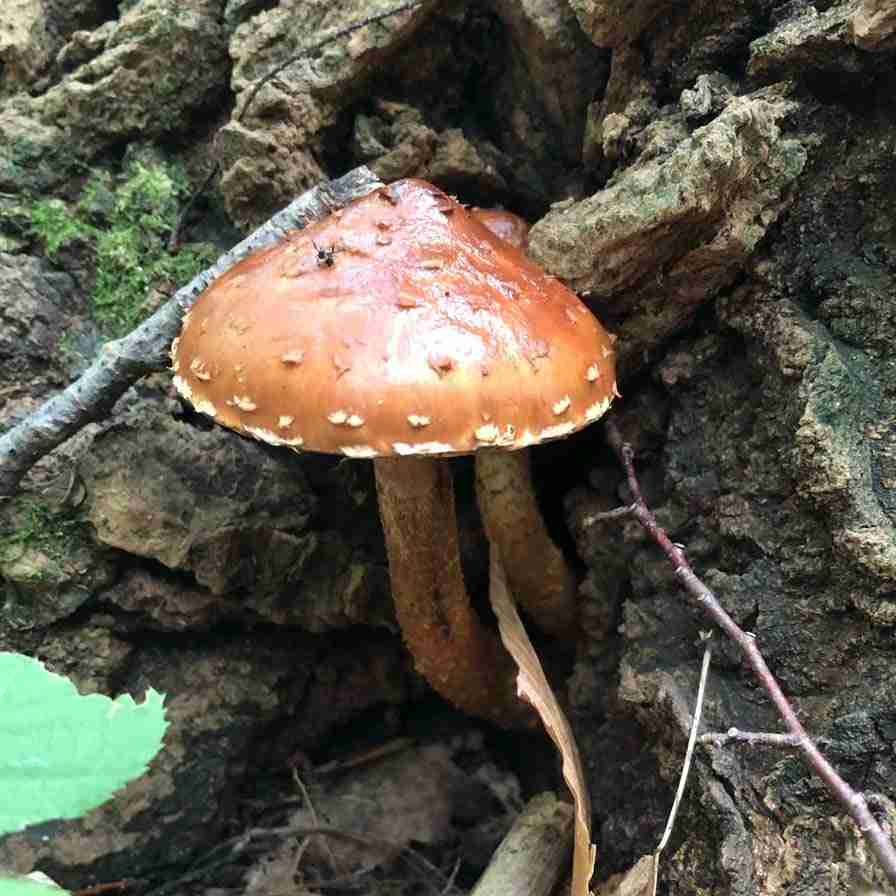
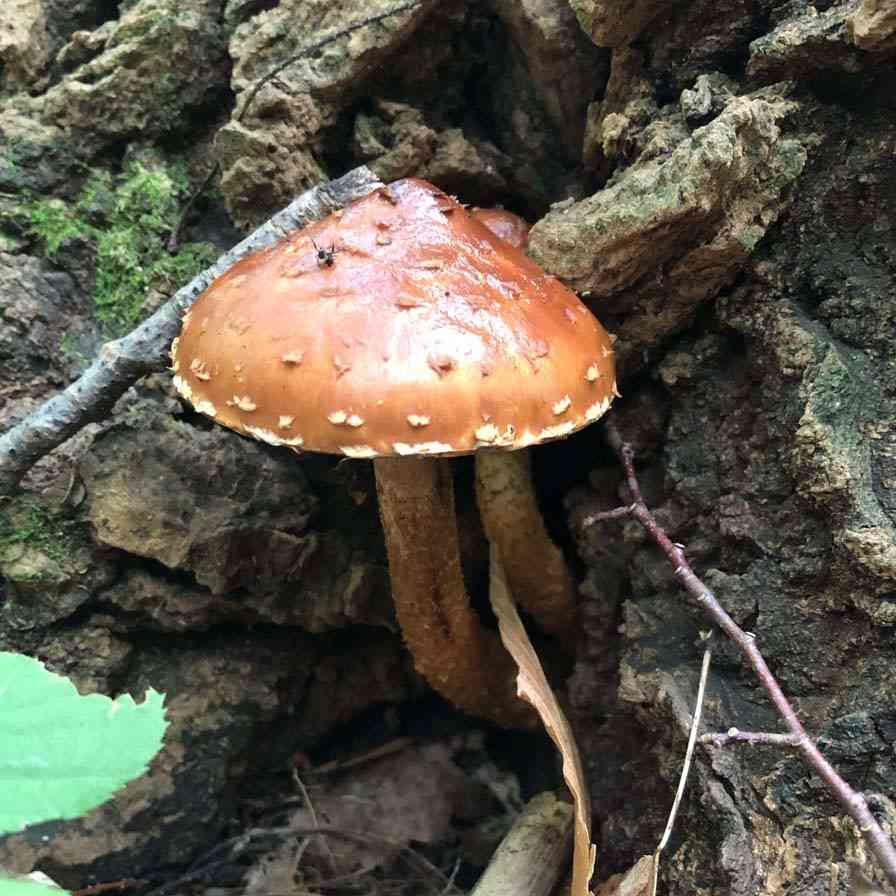
Hemistropharia albocrenulata is distinctively characterized by its viscous brown pileus and prominent lamellae. It flourishes in nutrient-rich decaying wood, progressively contributing to its decomposition.
In This Article
Attributes of Hemistropharia albocrenulata
Cap Diameter
10 - 12 cm
Height
5 - 15 cm
Cap
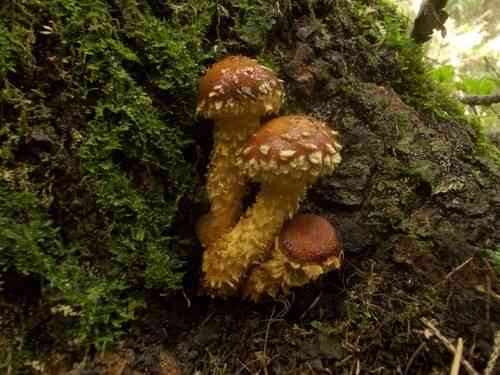
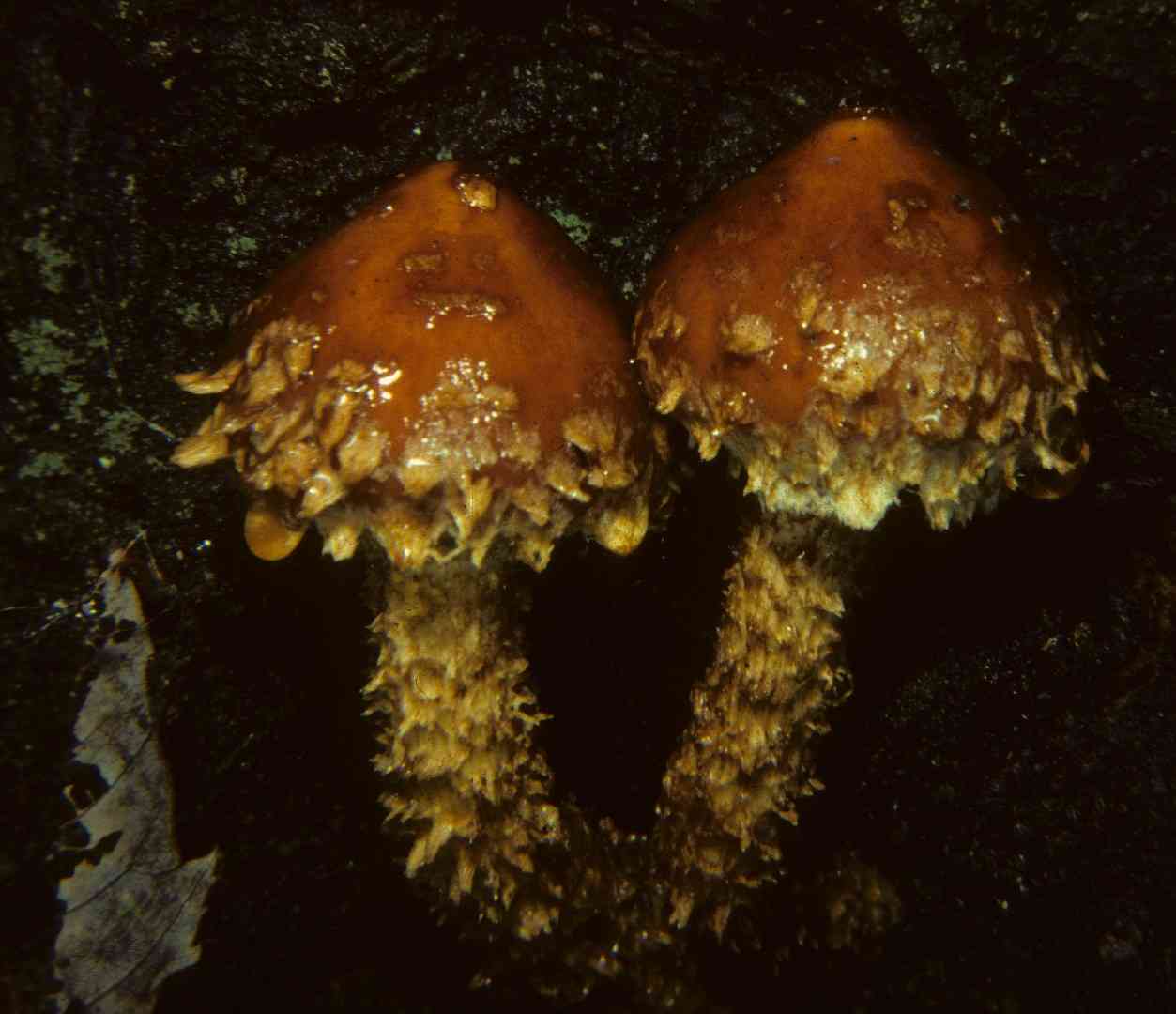
Cap 10 - 12 cm across; bell-shaped, hemispherical, flat-convex; brown; surface with light scales; margin with scales
Cap Surfaces
Slimy or slightly sticky, Fibrillose-scaly
Gills
Adherent; light gray-violet
Gill Attachment
Notched
Stem
Stem 5 - 9 cm long, 1 cm thick; yellowish, rusty, brown; smooth, with strongly protruding scales
Stem Shapes
Cylindrical
Flesh
Light, whitish, yellowish
Ring
With Ring Zone
Spore Print Color
Brown-violet
Odor
Mildly sour with radish-like notes.
Body Color
BrownYellowRed
Flesh Bruises
The flesh or milk does not discolor when bruised or cut.
Growth Form
Scattered, Gregarious
Nutrient Gathering
Saprophytic
Substrate
On wood
Species Status
Infrequently
Endangered Species
No
Scientific Classification of Hemistropharia albocrenulata
Phylum
Club fungi
Class
Mushroom-forming fungi
Order
Gilled fungi
Family
Cortinariaceae
Genus
Hemistropharia
Toxicity and Edibility of Hemistropharia albocrenulata
Is Hemistropharia albocrenulata Toxic?
Toxicity information is not available for this mushroom. Always consult with an expert before consuming any wild mushrooms.

