Iodine bolete
Hemileccinum impolitum
A species of Hemileccinum.
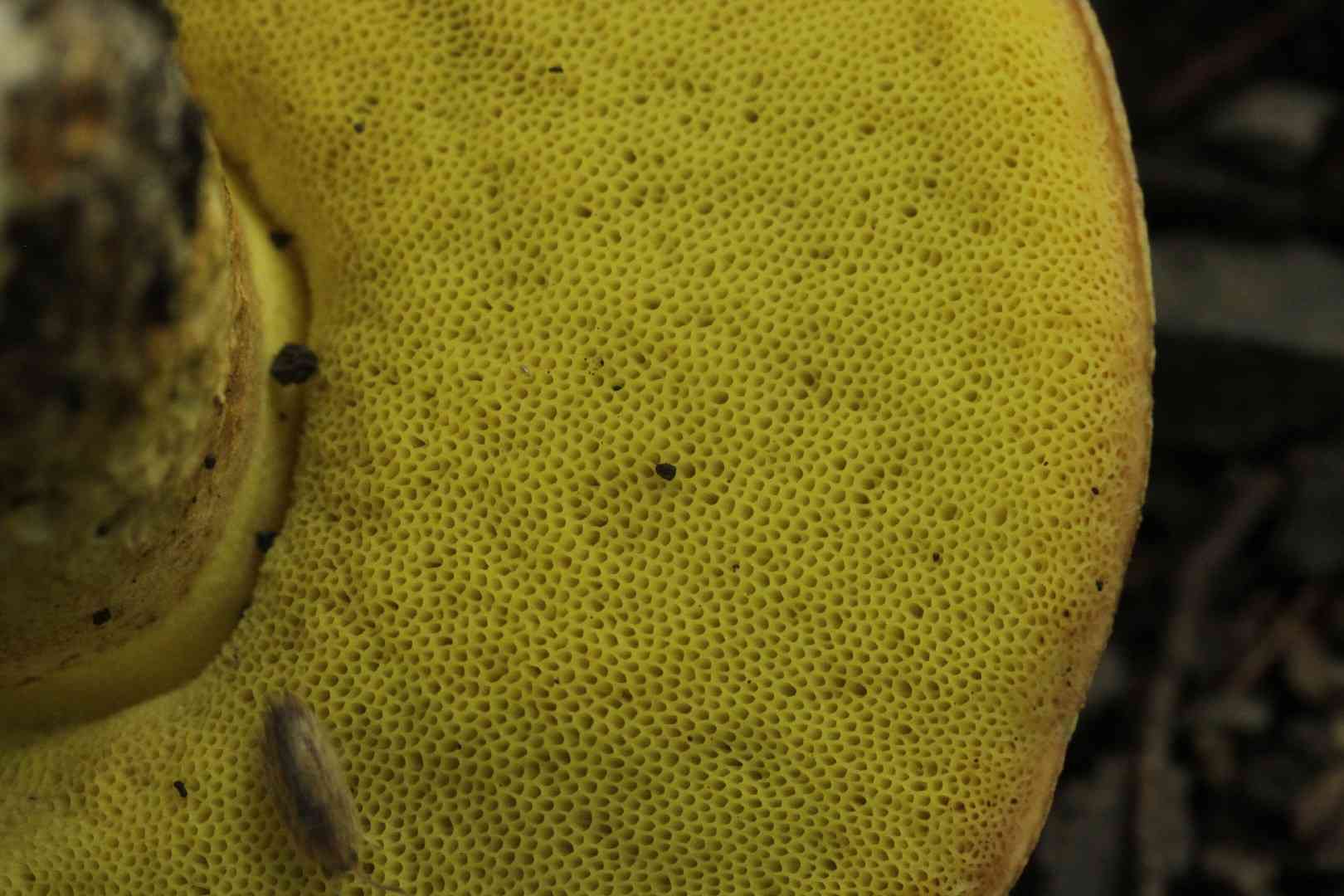
The Iodine bolete's name hints at its key identification feature: a potent iodine aroma released when the mushroom is bruised. This common fungus is invariably found growing alongside deciduous trees, particularly oak, with which it shares a mutually beneficial relationship.
In This Article
Attributes of Iodine bolete
Cap Diameter
4 - 13 cm
Height
6 - 16 cm
Cap
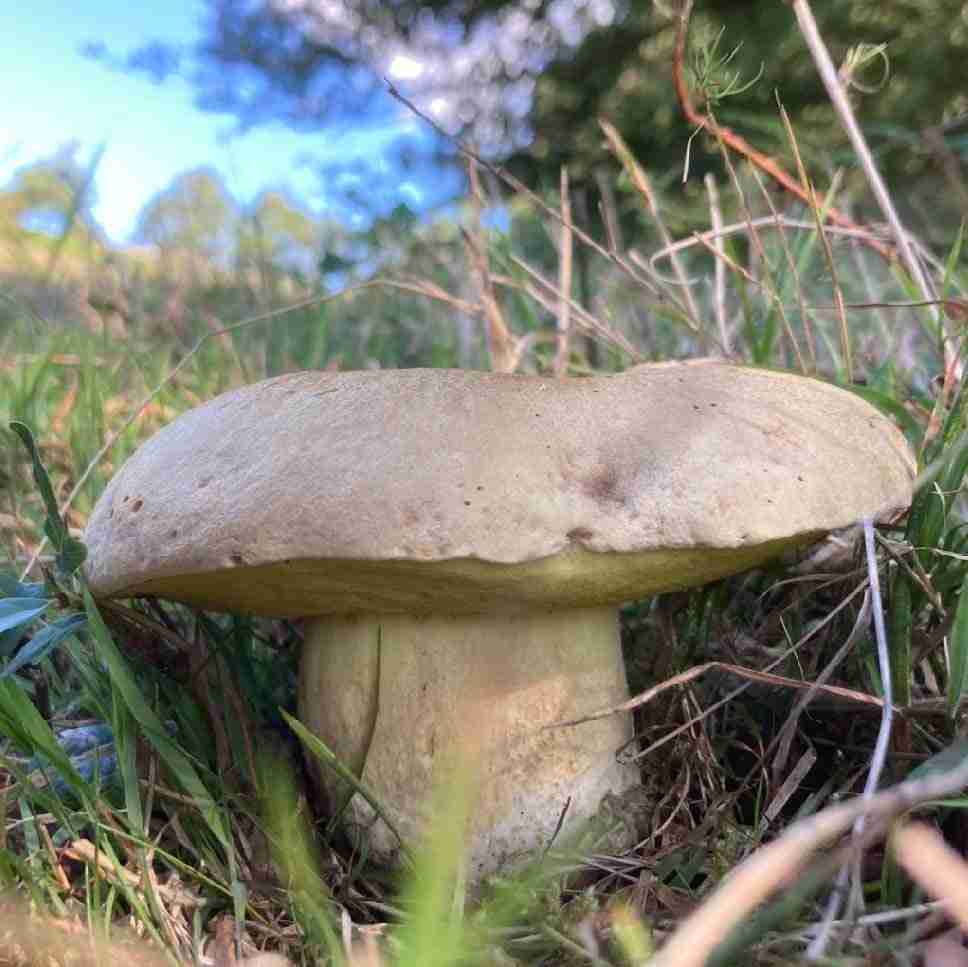
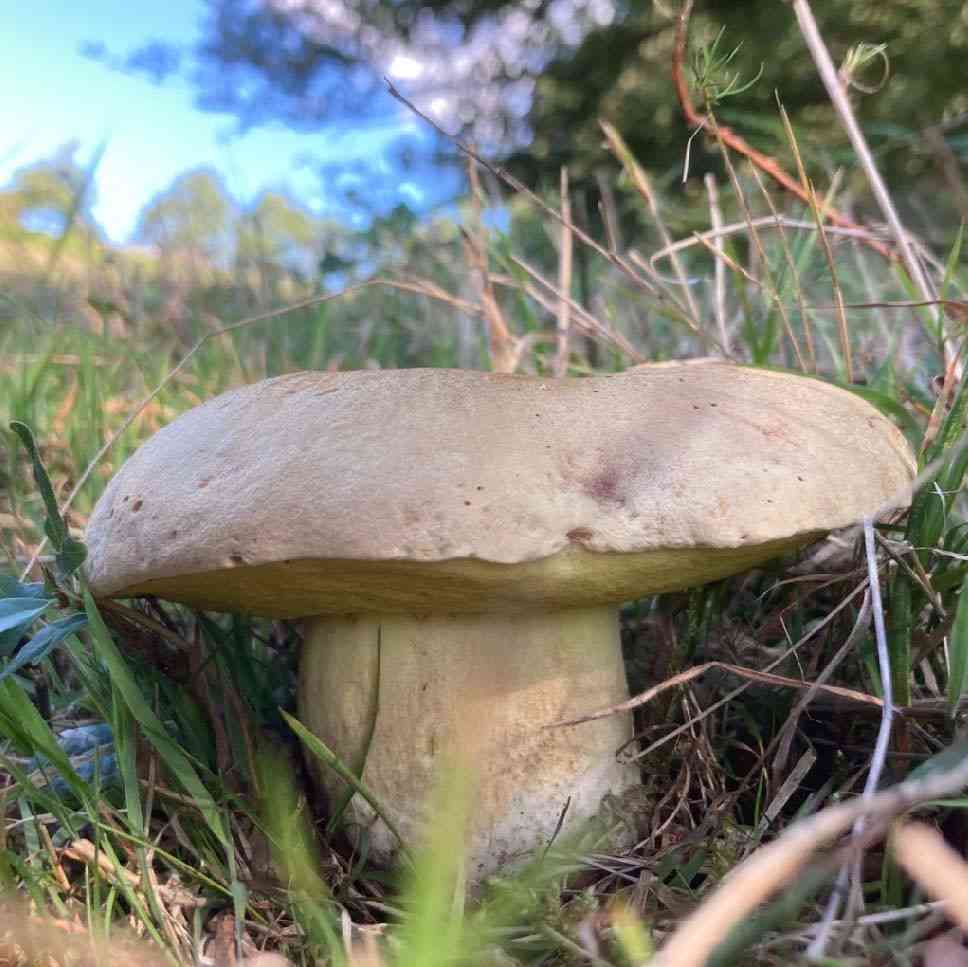
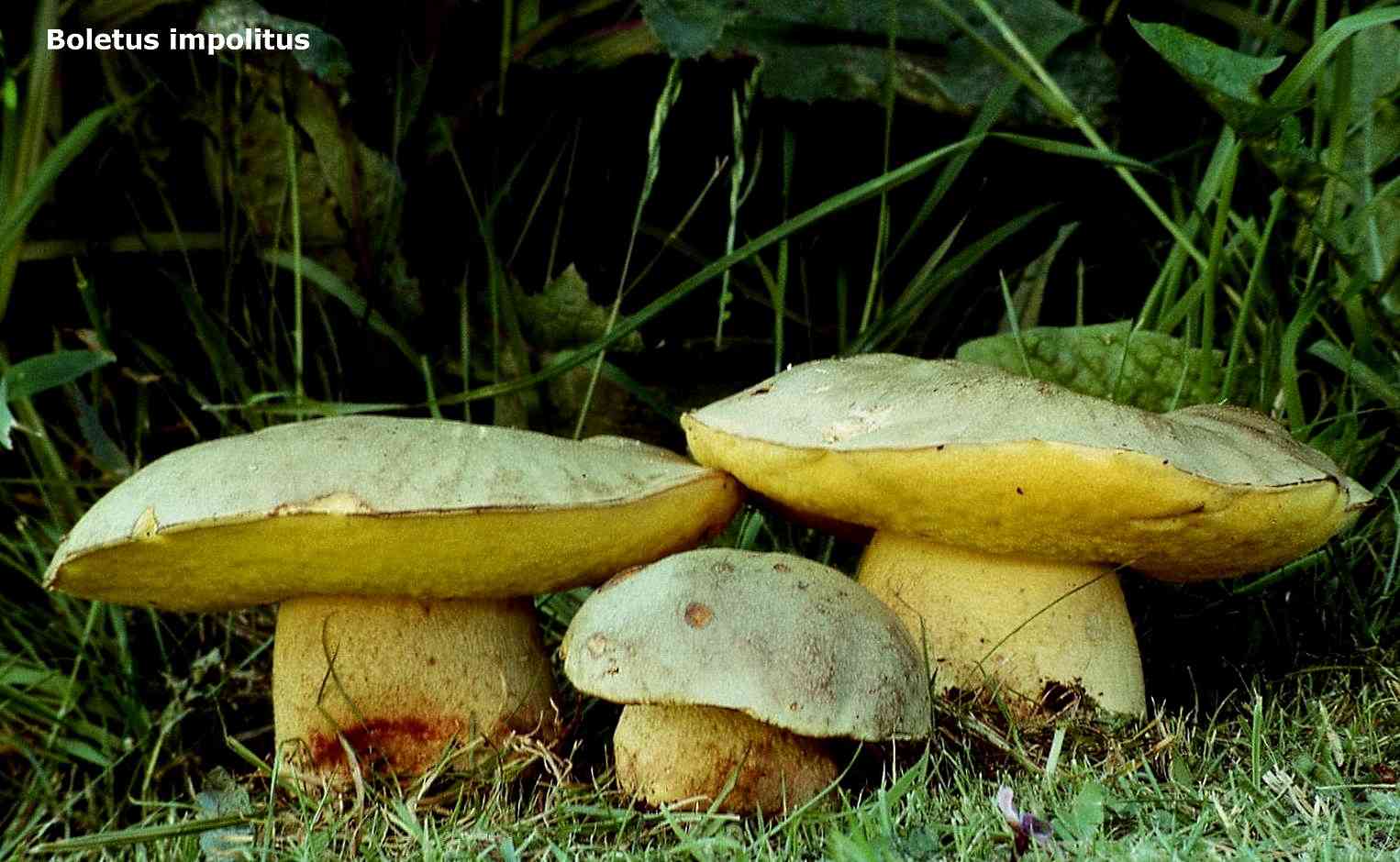
Cap 5 - 20 cm in diameter; hemispherical, convex, finally flat; light tan, brown; covered in a velvety, disappears in age; sometimes with a slightly uplifted margin
Cap Shape
Convex, Central Bump
Cap Surfaces
Smooth, Velvety
Stem
Stem 5 - 15 cm high by 2 - 6 cm wide; cylindrical; cream to pale yellow; covered in tiny pustules below the apex
Stem Shapes
Cylindrical
Stem Surfaces
Scaly
Flesh
Thick; soft; pale yellow to whitish; usually remaining the same colour when cut
Ring
Ringless
Spore Print Color
Olivaceous-brown
Odor
Mild with subtle iodoform notes when cut.
Body Color
BrownGreenYellowBronzeGrayCream
Flesh Bruises
The flesh or milk does not discolor when bruised or cut.
Growth Form
Scattered, Gregarious
Nutrient Gathering
Mycorrhizal
Substrate
On soil
You can find Iodine bolete by these plants
Oaks, European beech
Occurence Habitats
Deciduous Woodland, Coniferous Woodland
Species Status
Widely distributed in temperate and southern Europe
Endangered Species
No
Scientific Classification of Iodine bolete
Phylum
Club fungi
Class
Mushroom-forming fungi
Order
Boletes and allies
Family
Boletes
Genus
Hemileccinum
Toxicity and Edibility of Iodine bolete
Is Iodine bolete Toxic?
Toxicity information is not available for this mushroom. Always consult with an expert before consuming any wild mushrooms.

