White saddle

Helvella crispa

A species of Elfin saddles. Also known as Fluted white Helvella, Elfin saddle.

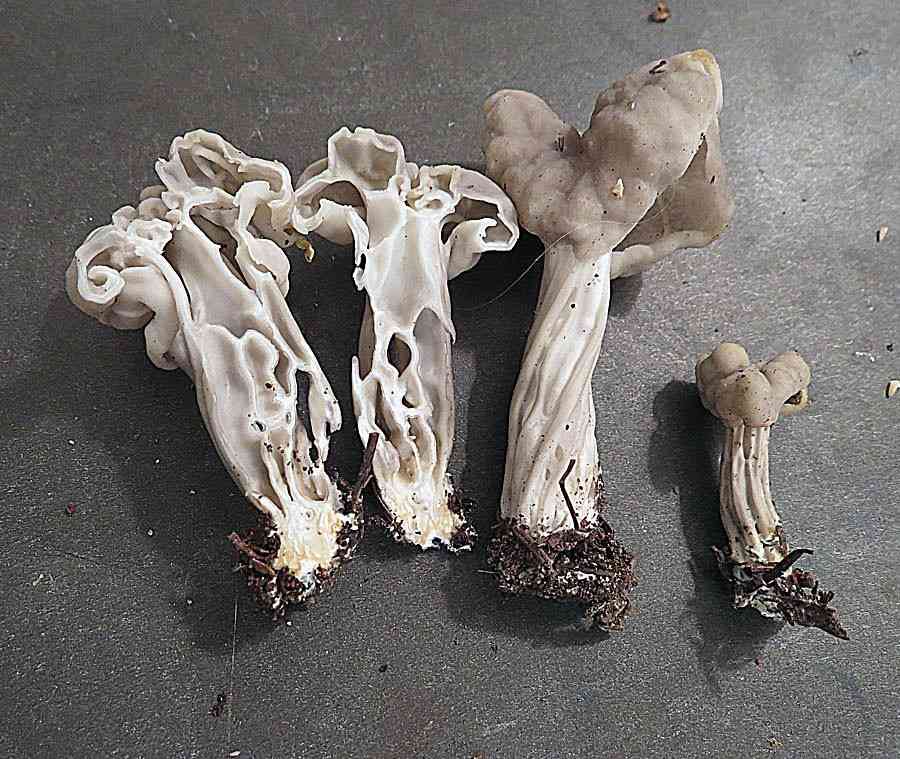
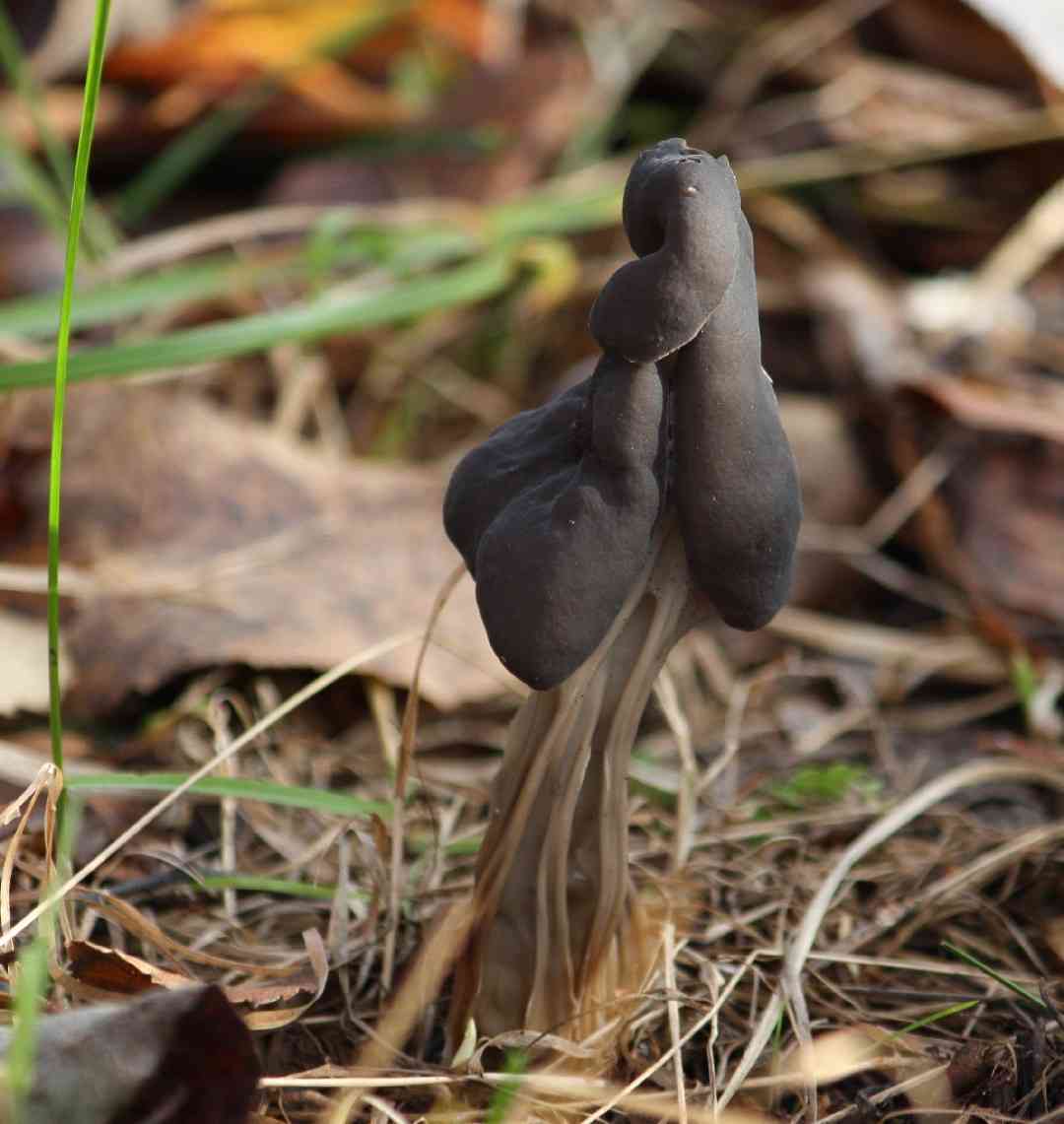
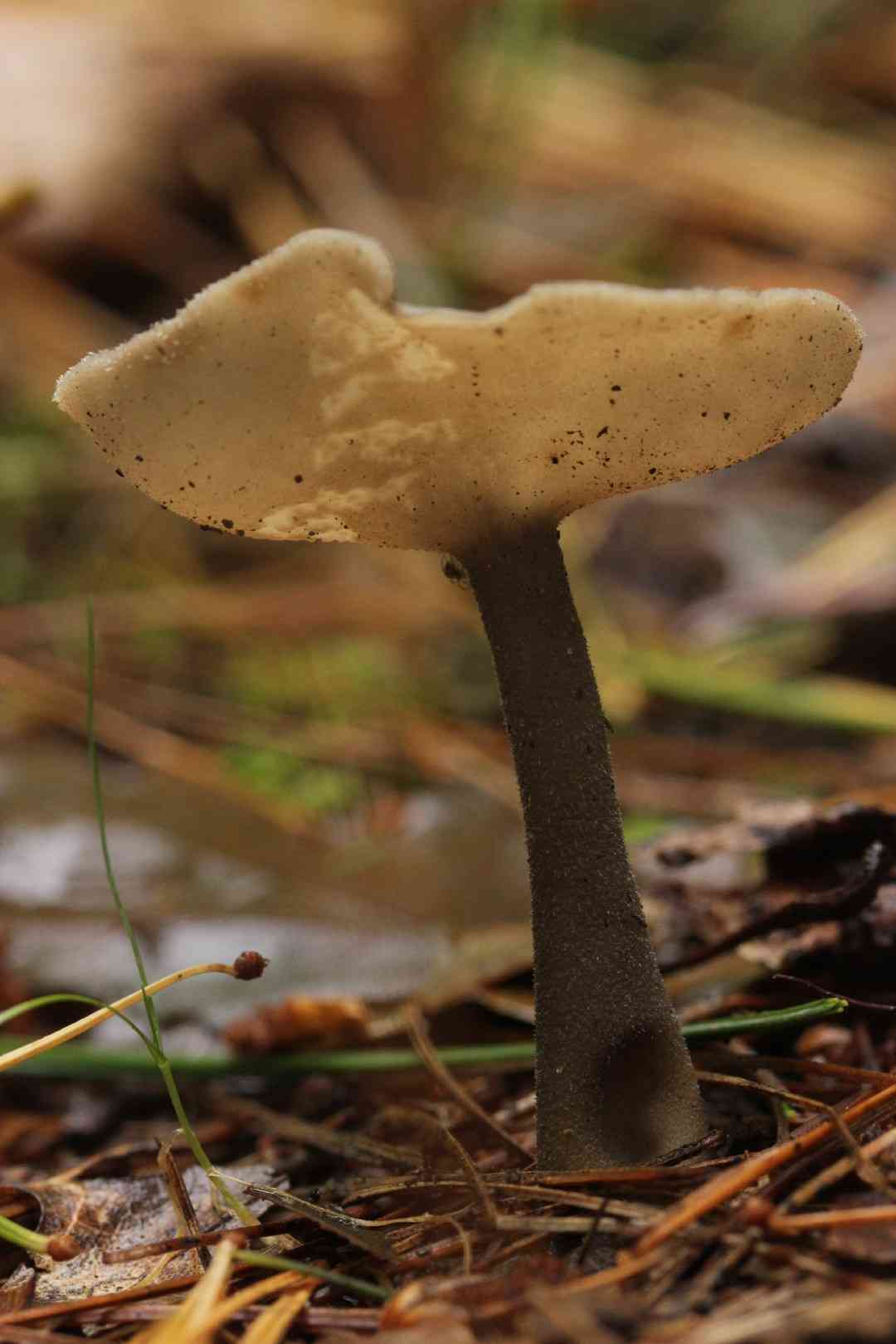
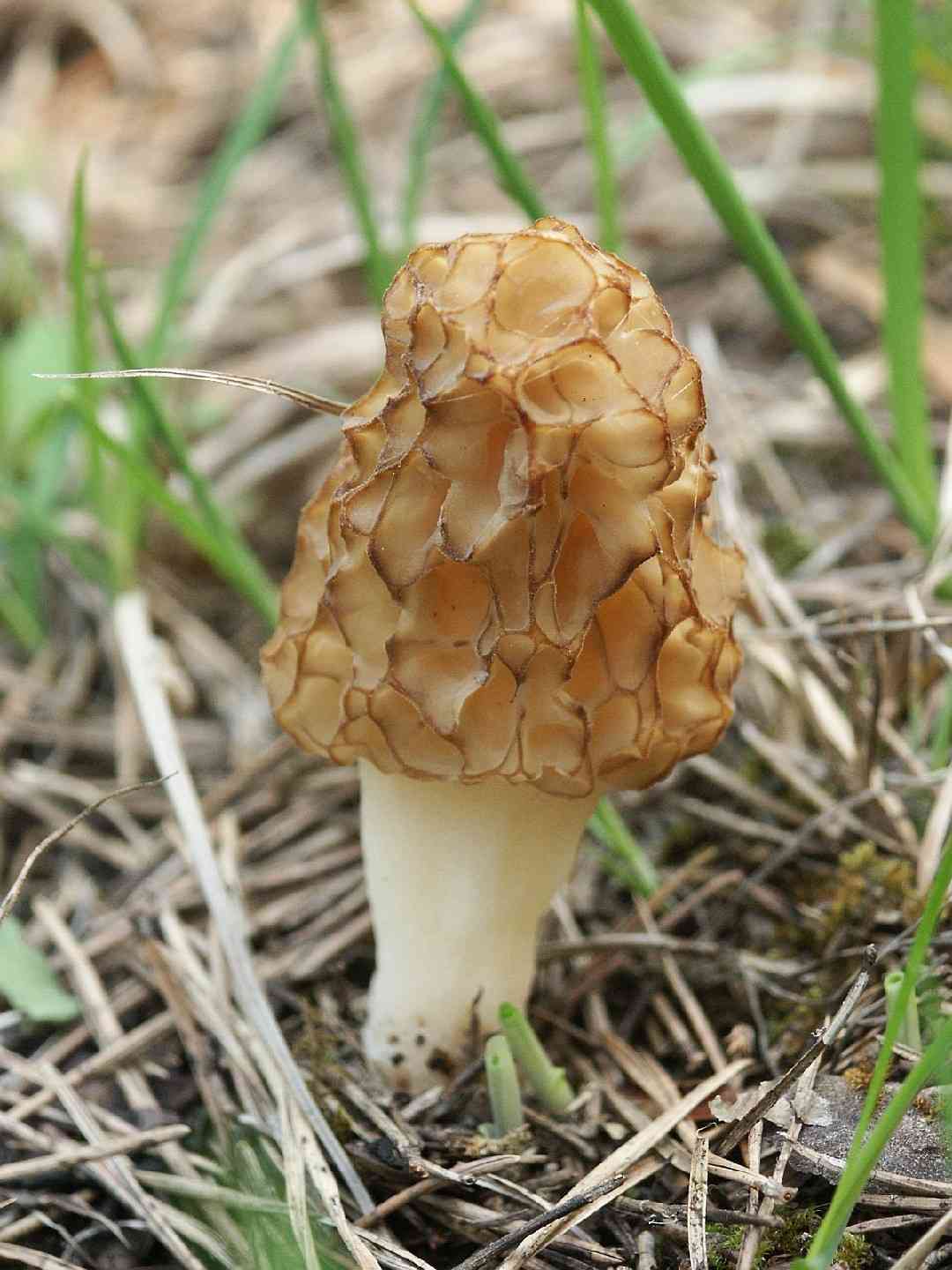
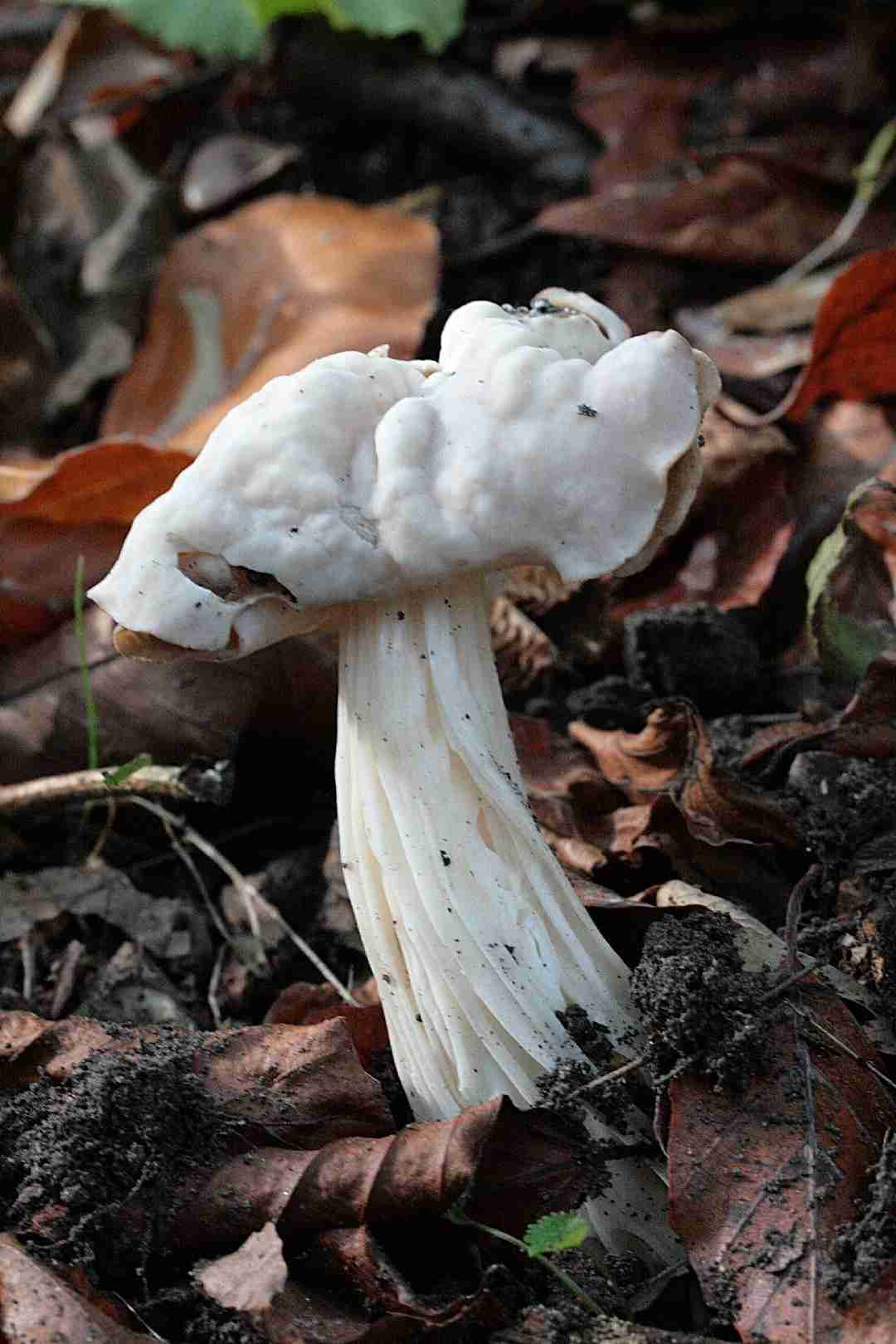
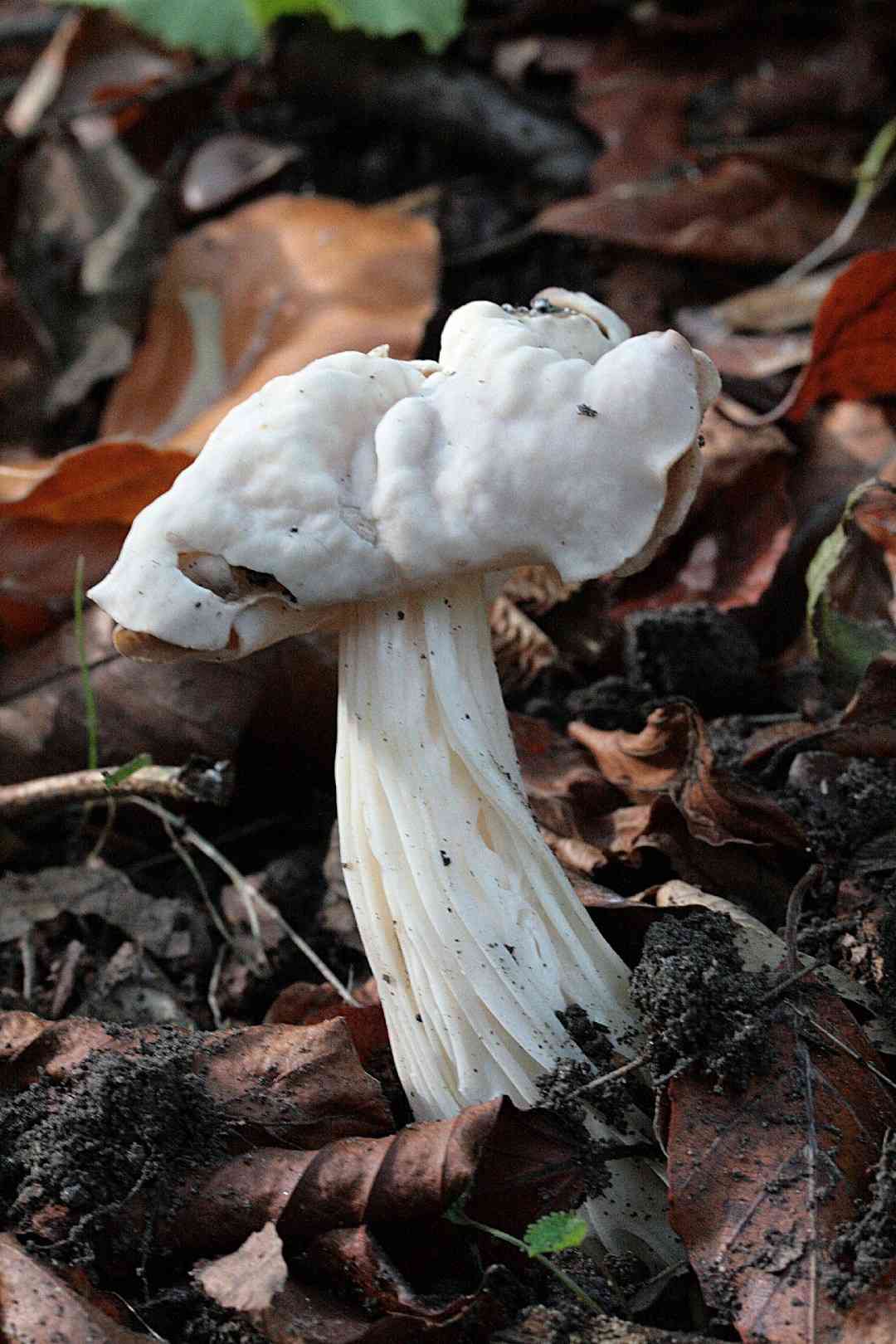
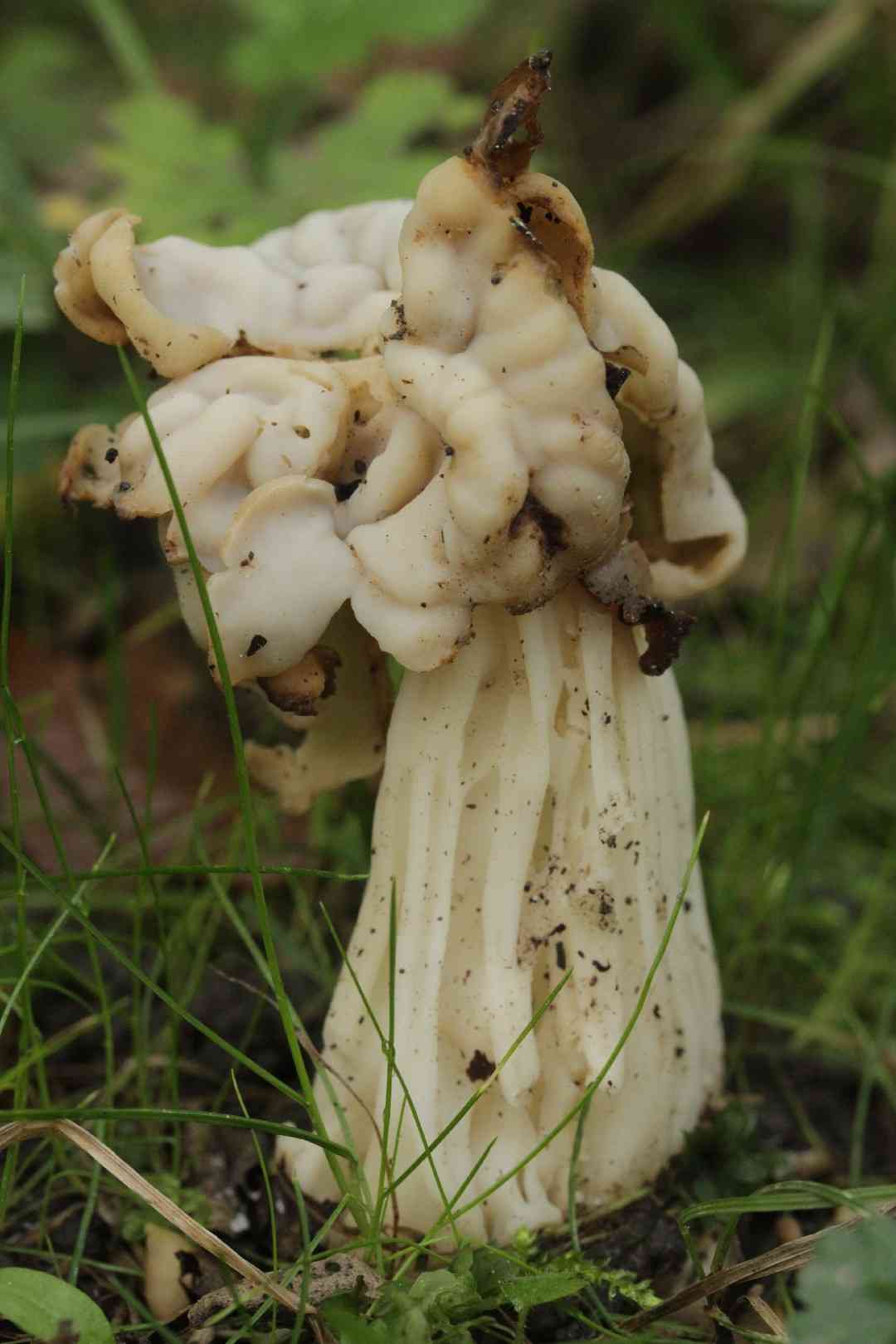
The white saddle mushroom (Helvella crispa) is an easily recognizable species native to the temperate forests of Europe and eastern North America. Its unique appearance, characterized by a fluted stem reminiscent of a cedar trunk and an irregularly shaped, often brain-like or lumpy cap, makes it almost impossible to confuse with other fungi. Due to inconsistent information regarding its edibility, it's advisable to appreciate this unusual mushroom visually rather than consuming it.

In This Article
Attributes Classification Toxicity Similar Mushrooms

Attributes of White saddle

ForwardPlant - ID plants and mushrooms, and learn more about them🌿

Identify and diagnose plants, get toxicity alerts, and explore safety guides for all types of fungi.

Try for Free
Cap Diameter
1 - 8 cm
Height
5 - 15 cm
Cap
Cap 1 - 5 cm across; irregularly saddle-shaped; cream
Stem
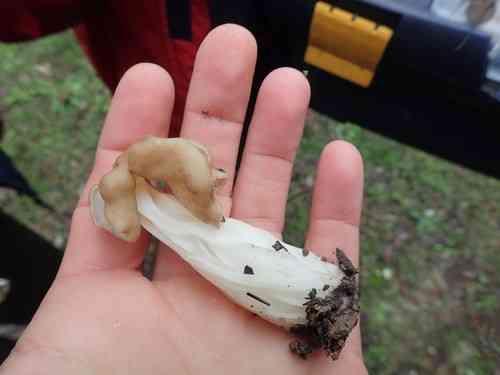
Stem 3 - 10 cm long, 5 - 30 mm thick; white or pinkish
Stem Surfaces
Ribbed
Flesh
Thin; brittle
Ring
Ringless
Spore Print Color
White
Odor
Faint, mildly mushroom-like, unspecific.
Body Color
YellowCream
Flesh Bruises
The flesh or milk does not discolor when bruised or cut.
Growth Form
Solitary, Gregarious
Nutrient Gathering
Mycorrhizal
Substrate
On soil, Leaf or Needle Litter
You can find White saddle by these plants
Oaks, European beech
Occurence Habitats
Deciduous Woodland, Disturbed Lands, Coniferous Woodland
Species Status
Widely distributed in North America
Endangered Species
No

Scientific Classification of White saddle

ForwardPlant APP

AI mushroom expert in your pocket

Try for Free
Phylum
Sac fungi
Class
Pezizomycetes
Order
Pezizales
Family
Ascomycete fungi
Genus
Elfin saddles
⚠️

Toxicity and Edibility of White saddle

ForwardPlant: Identify & Forage

Your Essential Guide to Edible vs. Toxic Mushrooms. Forage with Confidence!

Try for Free

Is White saddle Toxic?

Ingesting white saddle mushrooms can lead to various unpleasant effects, such as gastrointestinal upset and a feeling of sickness. Furthermore, the presence of naturally occurring compounds within the white saddle has been linked to cancer, elevating its hazard level.