Cinnamon bracket

Hapalopilus rutilans

A species of Hapalopilus. Also known as Purple dye polypore.

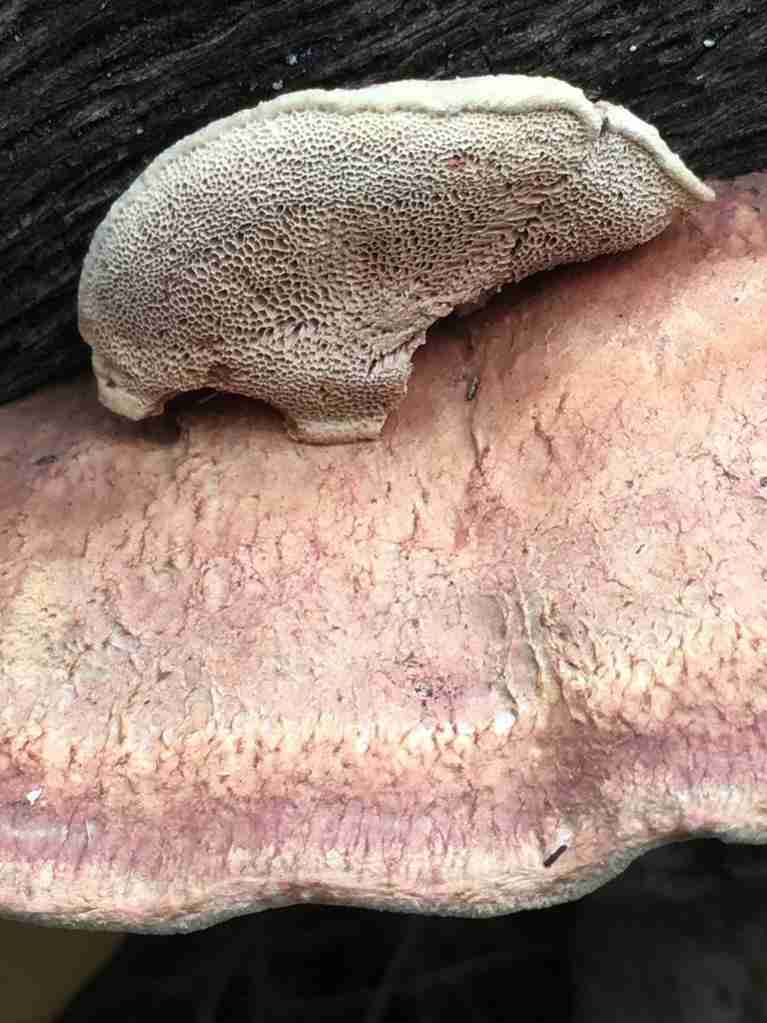
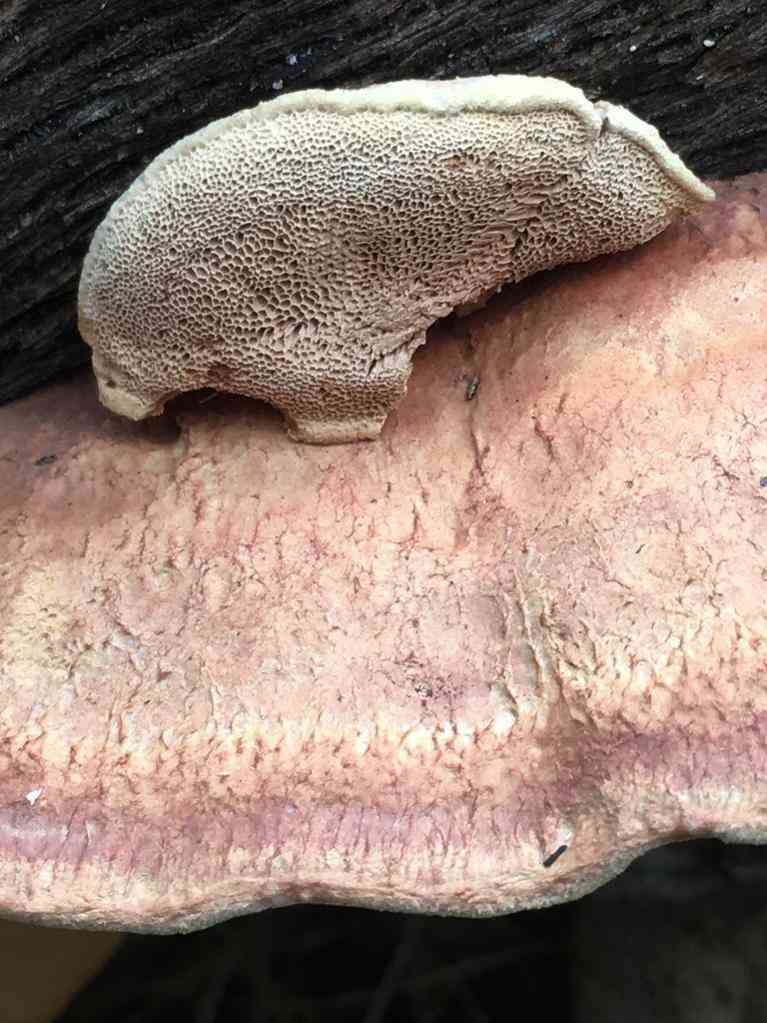
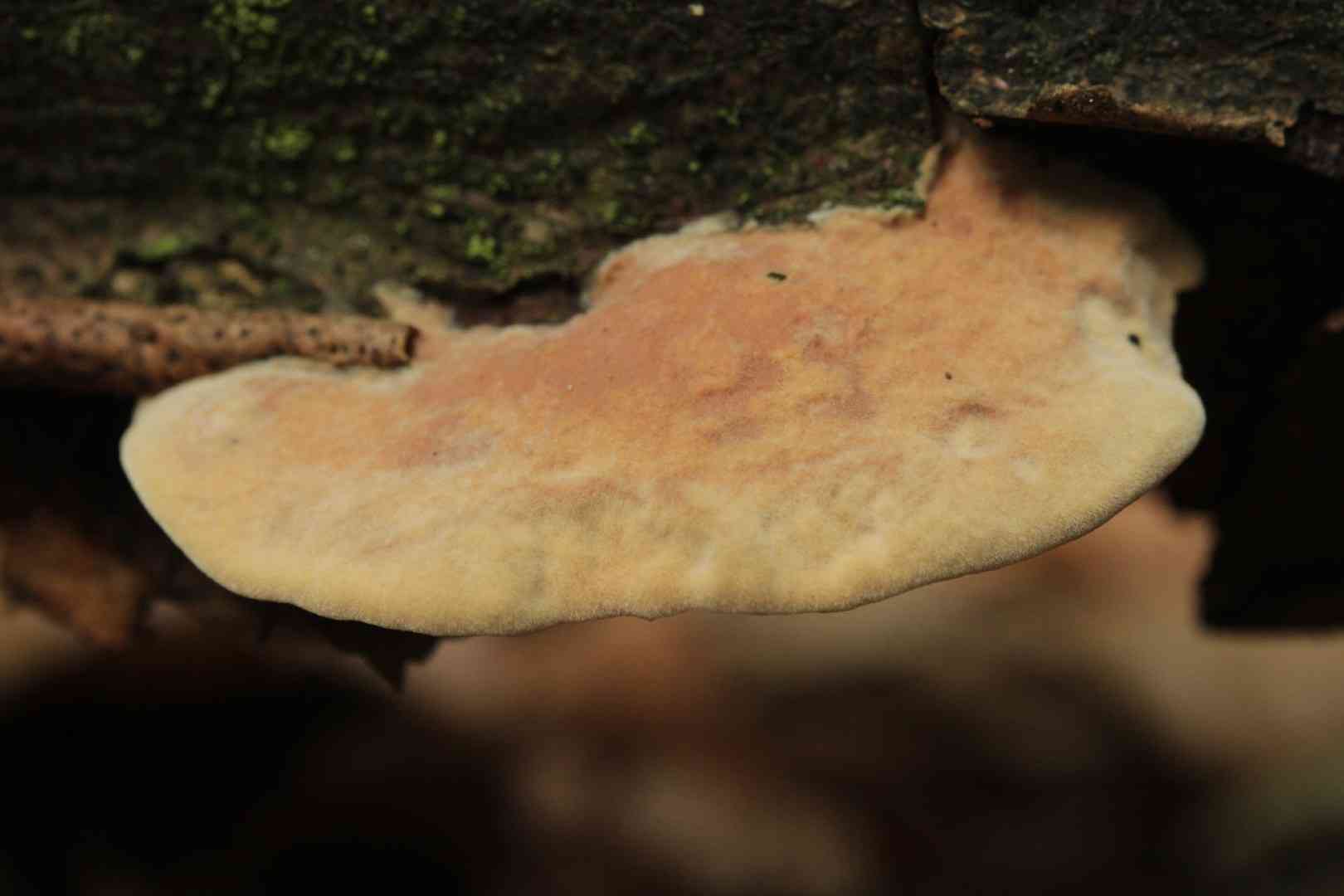
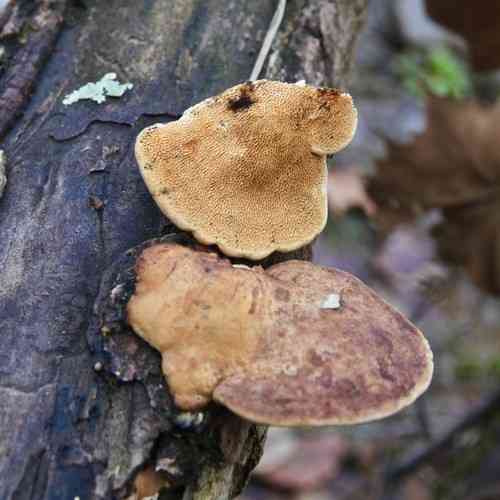
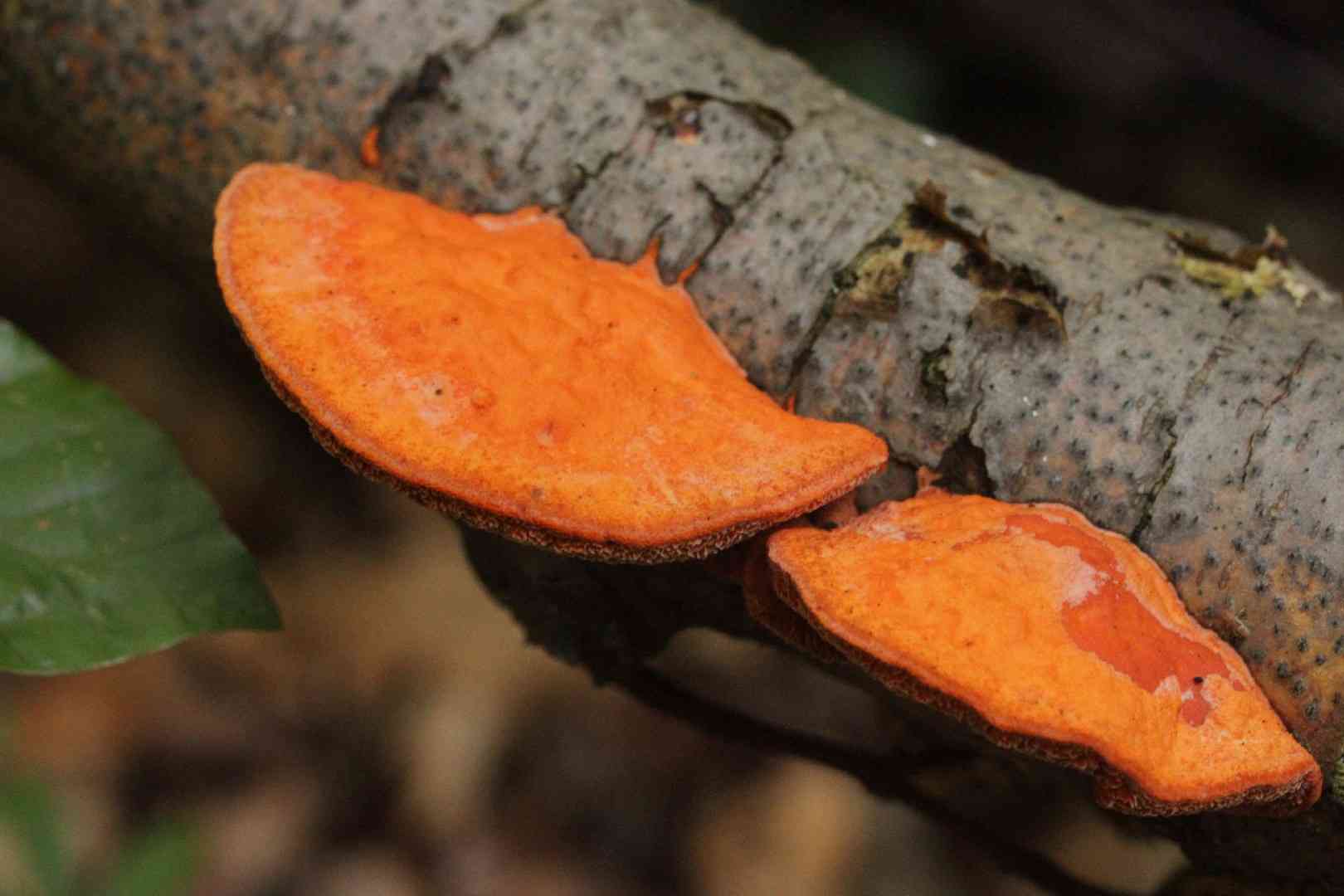
The Cinnamon Bracket (Hapalopilus rutilans) is a fungal species known for inducing white rot in decaying timber. Its toxic fruiting bodies typically manifest as shelf-like structures, exhibiting a muted orange coloration. However, when exposed to ammonia, a chemical transformation occurs, causing them to turn purple. This property has practical applications, as it can be utilized in the production of wool dyes, yielding a spectrum of hues from pale lavender to rich, deep purple.

In This Article
Attributes Classification Toxicity Similar Mushrooms

Attributes of Cinnamon bracket

ForwardPlant - ID plants and mushrooms, and learn more about them🌿

Identify and diagnose plants, get toxicity alerts, and explore safety guides for all types of fungi.

Try for Free
Cap Diameter
2.5 - 7 cm
Height
2 - 10 cm
Cap
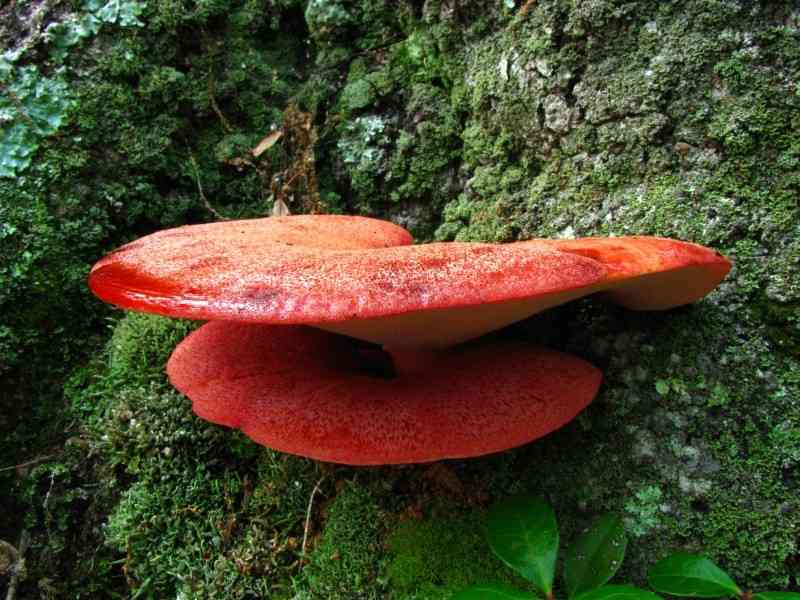
Cap 2.5 - 7 cm across; irregularly semicircular, kidney-shaped, convex; dull orange to dull orangish cinnamon; surface finely suedelike, or wrinkled
Flesh
Soft to tough; cinnamon; unchanging when sliced
Spore Print Color
White
Odor
Mildly mushroomy but not distinctive.
Body Color
YellowWhiteOrange
Growth Form
Solitary, Clustered
Nutrient Gathering
Saprophytic
Substrate
Dead Woods, Wood of Living Trees
You can find Cinnamon bracket by these plants
Sorbus
Occurence Habitats
Deciduous Woodland
Species Status
Widely distributed
Endangered Species
No

Scientific Classification of Cinnamon bracket

ForwardPlant APP

AI mushroom expert in your pocket

Try for Free
Phylum
Club fungi
Class
Mushroom-forming fungi
Order
Shelf fungi
Family
Polyporaceae
Genus
Hapalopilus
⚠️

Toxicity and Edibility of Cinnamon bracket

ForwardPlant: Identify & Forage

Your Essential Guide to Edible vs. Toxic Mushrooms. Forage with Confidence!

Try for Free

Is Cinnamon bracket Toxic?

The neurotoxic fungus, Cinnamon bracket, is commonly found in decaying woodlands during damp weather. Recognized by its unique cinnamon-hued cap, ingestion of Cinnamon bracket can lead to serious health issues. These may manifest as dizziness, cerebral edema, ocular disturbances, organ damage, and violet-tinged urine, which specifically indicates harm to the liver and kidneys.
Toxins type
Polyporic acid
Type of poisoning
Neurotoxic
Toxic Severity
High toxicity
Incubation Period
10-15 hours (indication: purple urine)
Poisoning Symptoms
Eye problems, vertigo, stomach issues, brain swelling, violet urine, organ harm, severe liver and kidney damage.

