Chestnut bolete
Gyroporus castaneus
A species of Gyroporus.
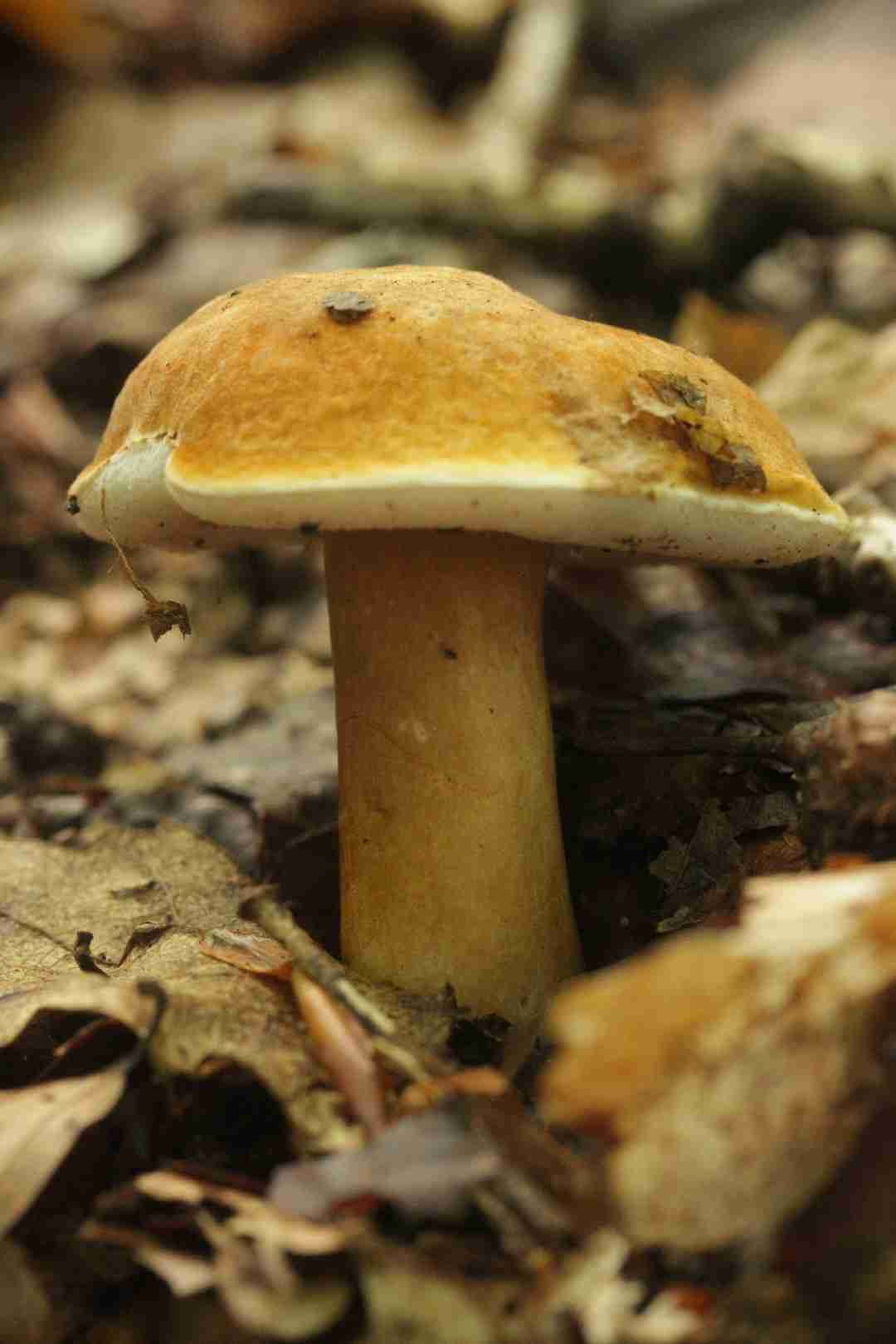
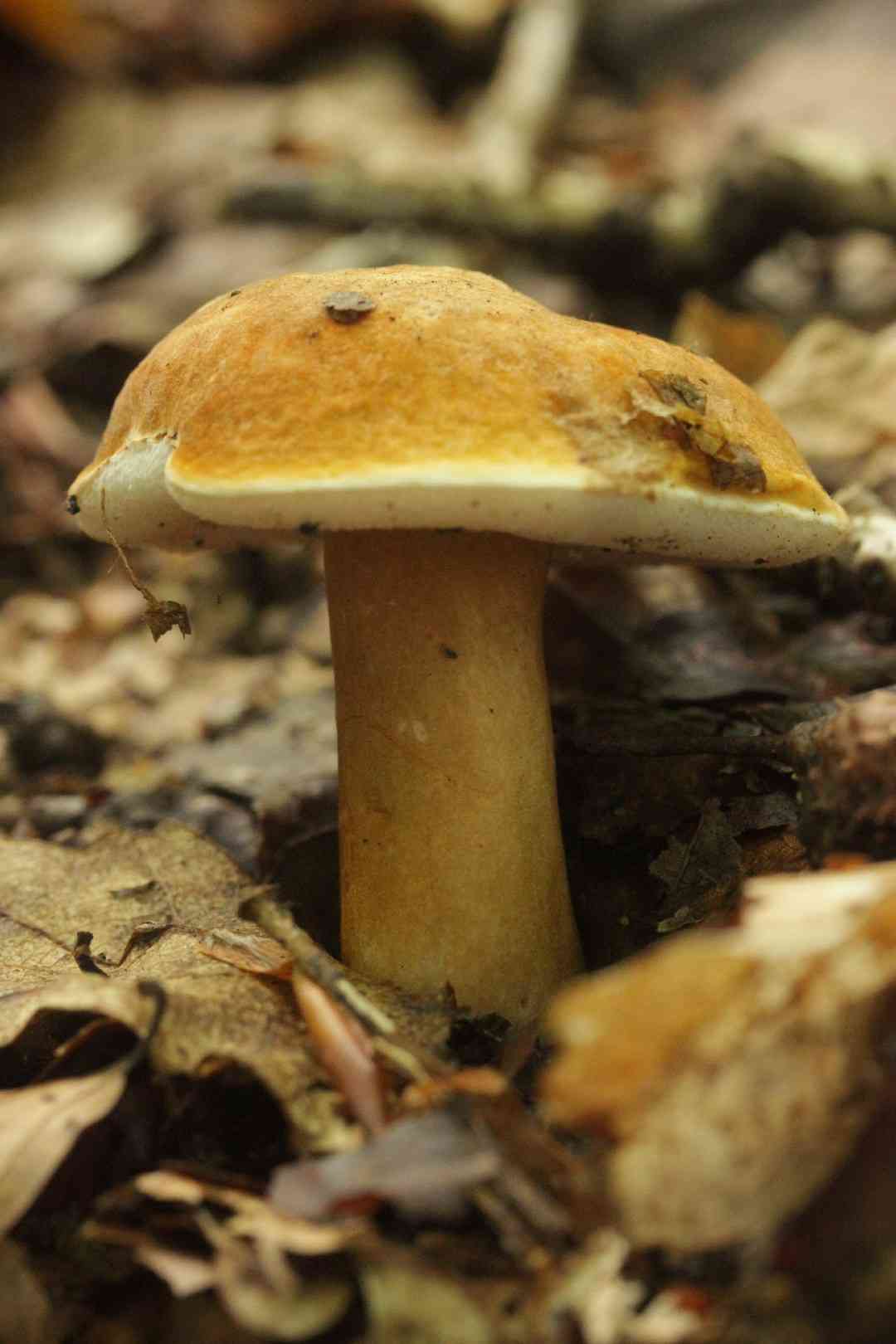
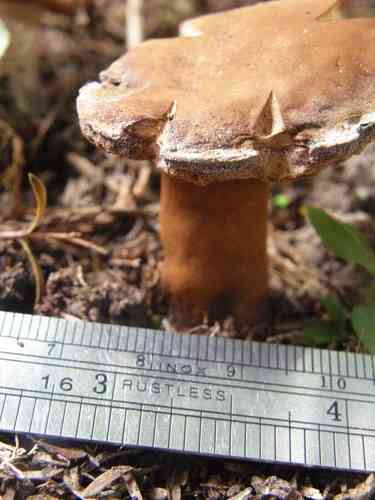
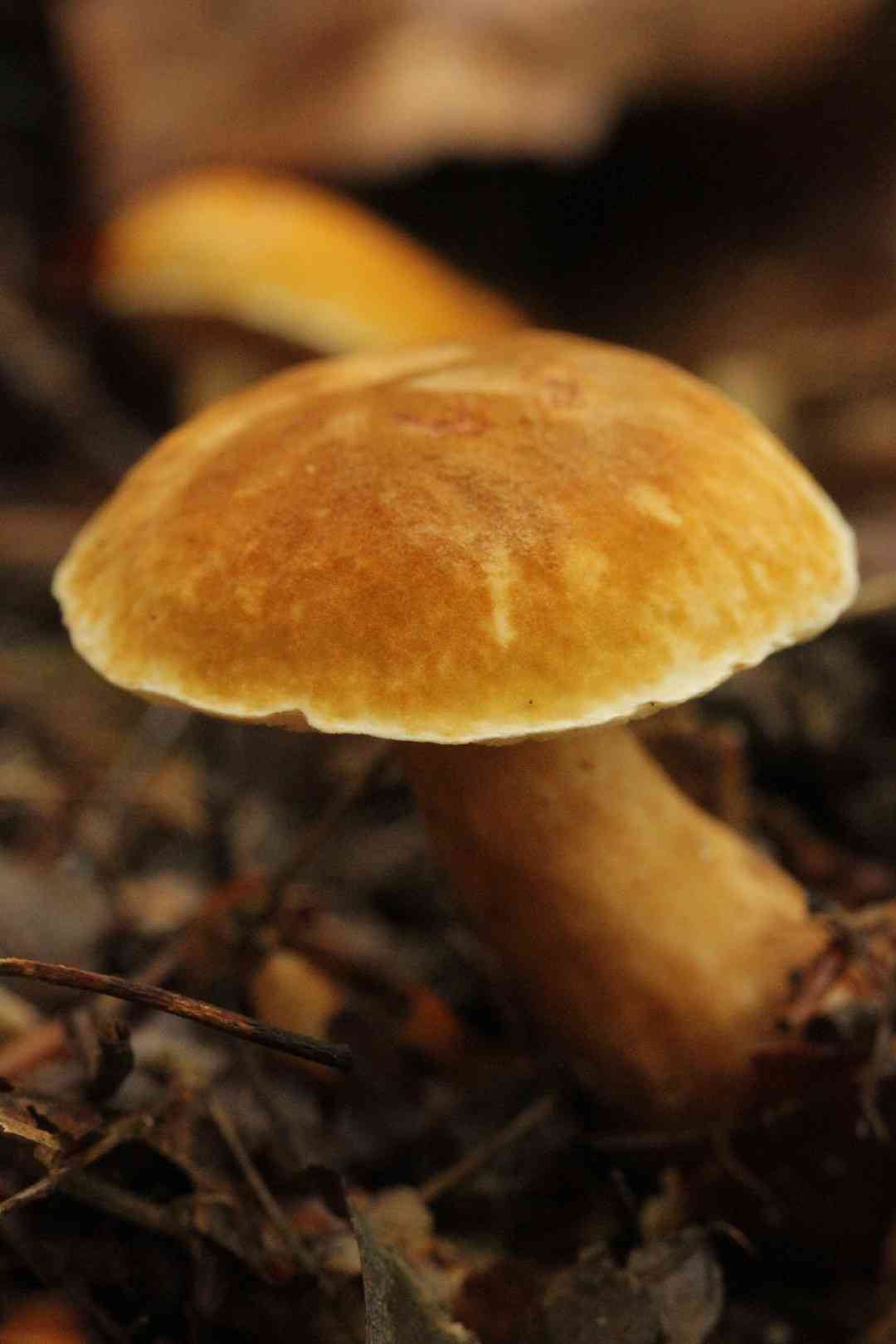
The chestnut bolete (Gyroporus castaneus) can be primarily recognized by its cap, which frequently cracks and spreads out with maturity. This mushroom commonly appears in clusters, especially near oak trees, and is notable for its hollow stem—a key characteristic. Its habitat spans across Europe and eastern North America.
In This Article
Attributes of Chestnut bolete
Cap Diameter
2 - 10 cm
Height
3 - 10 cm
Cap
Cap 2 - 10 cm; convex, nearly flat in age; brown; smooth; margin often splitting in places at maturity
Cap Shape
Convex, Flat
Cap Surfaces
Smooth, Velvety
Stem
Stem 3 - 9 cm long, 5 - 15 mm thick; equal; colored like the cap; smooth
Stem Shapes
Cylindrical
Stem Surfaces
Smooth
Flesh
Fairly brittle; white, not staining on exposure
Ring
Ringless
Spore Print Color
Pale yellow
Odor
Mildly mushroomy but not distinctive.
Body Color
BrownYellowBronzeOrange
Flesh Bruises
The flesh or milk does not discolor when bruised or cut.
Growth Form
Solitary, Scattered, Gregarious
Nutrient Gathering
Mycorrhizal
Substrate
On soil
You can find Chestnut bolete by these plants
Coast live oak, Oaks, European beech
Occurence Habitats
Deciduous Woodland, Coniferous Woodland, Mixed Woodland, Disturbed Lands
Species Status
Widely distributed and common in eastern North America
Endangered Species
No
Scientific Classification of Chestnut bolete
Phylum
Club fungi
Class
Mushroom-forming fungi
Order
Boletes and allies
Family
Gyroporaceae
Genus
Gyroporus
Toxicity and Edibility of Chestnut bolete
Is Chestnut bolete Toxic?
Toxicity information is not available for this mushroom. Always consult with an expert before consuming any wild mushrooms.

