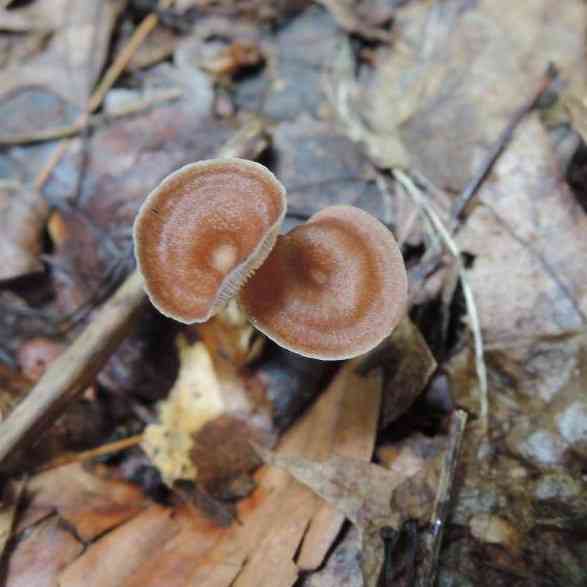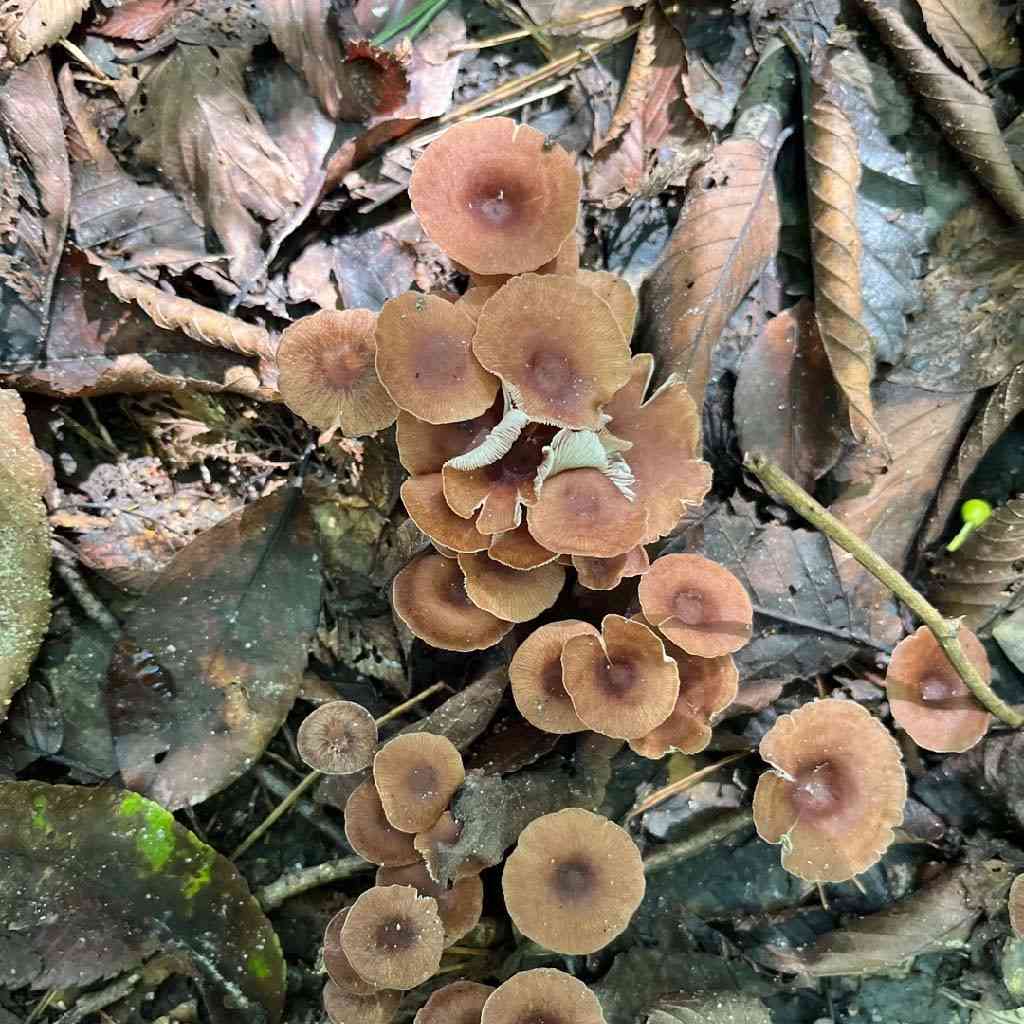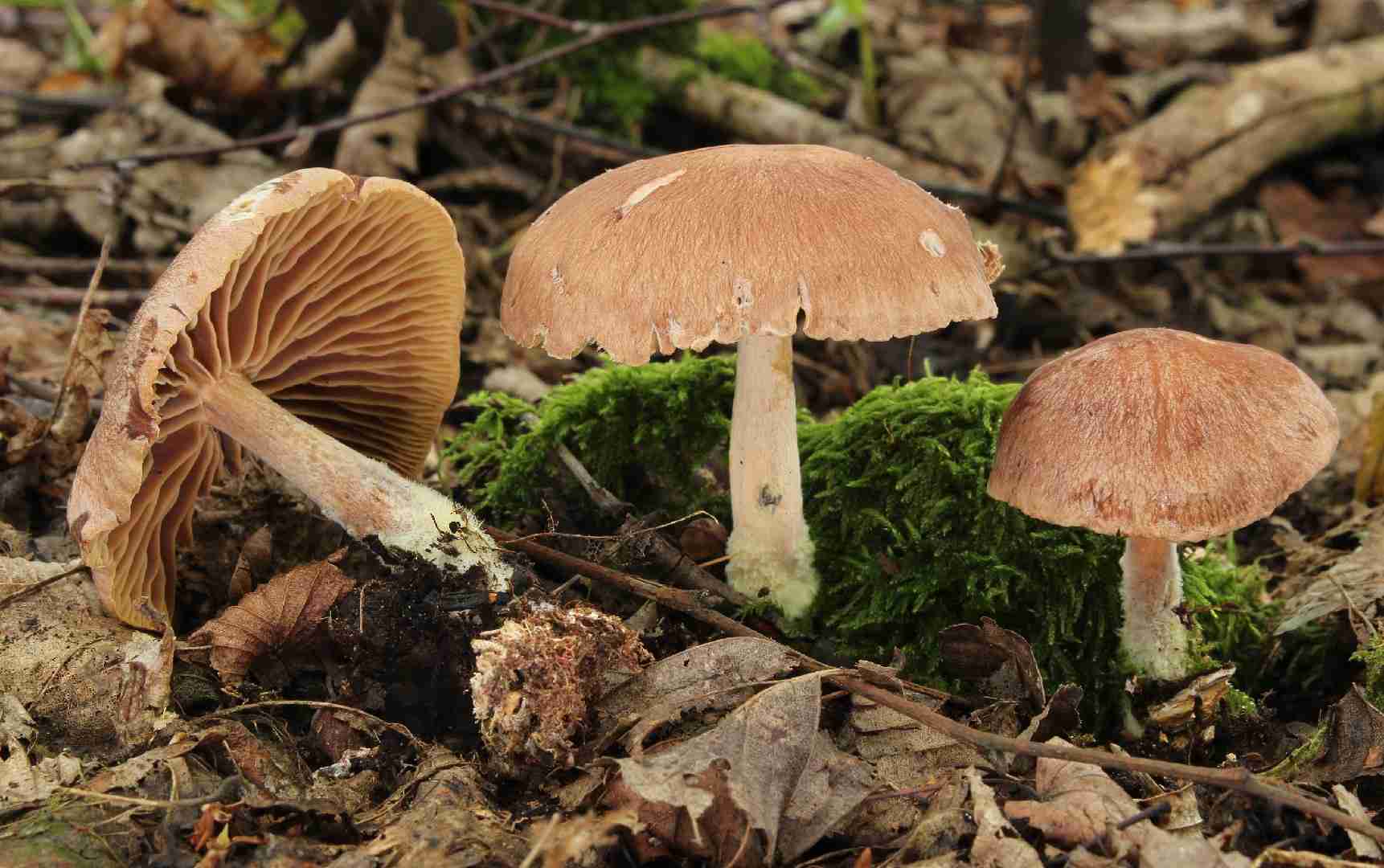
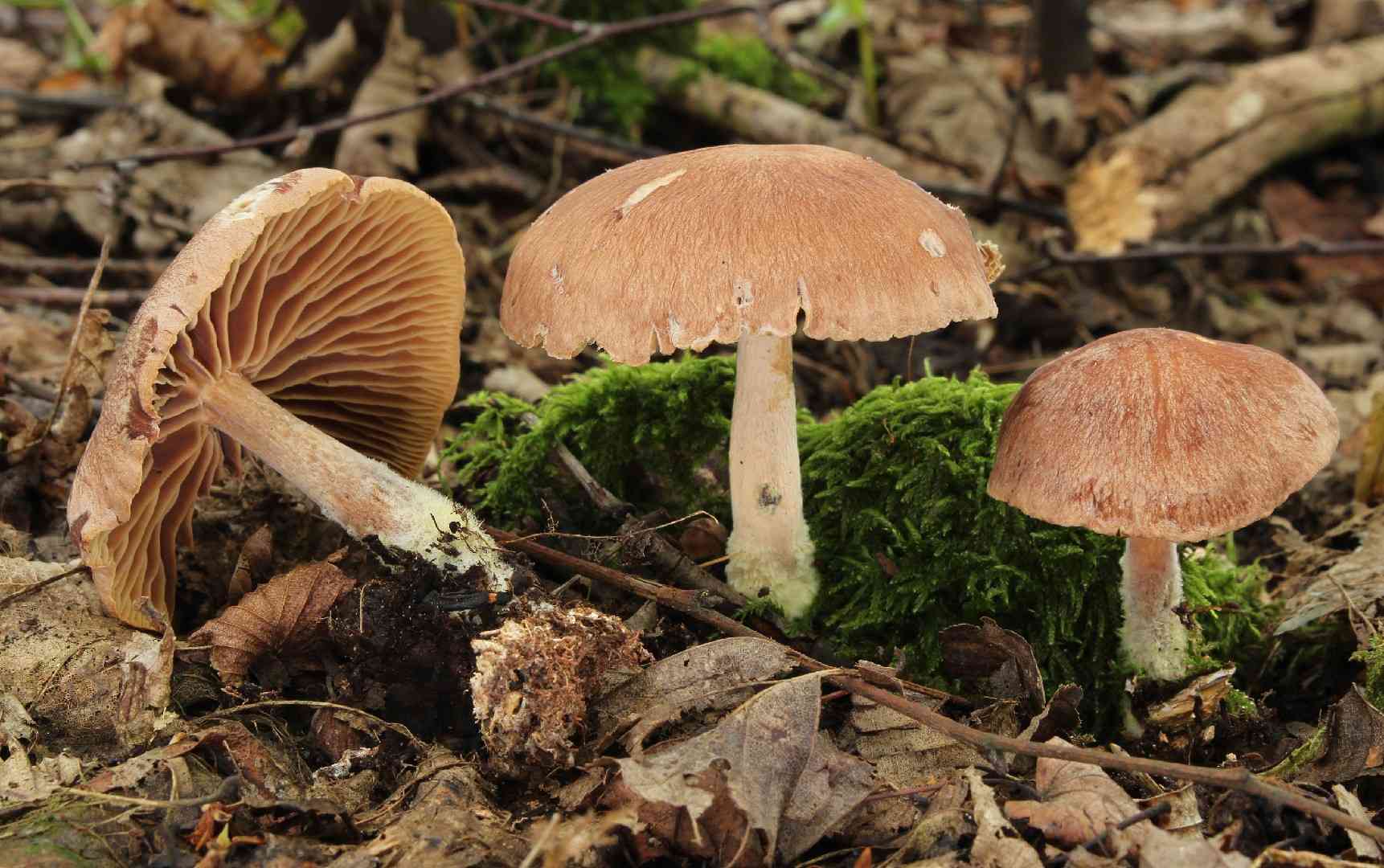
Wood woollyfoot
Gymnopus peronatus
A species of Gymnopus.
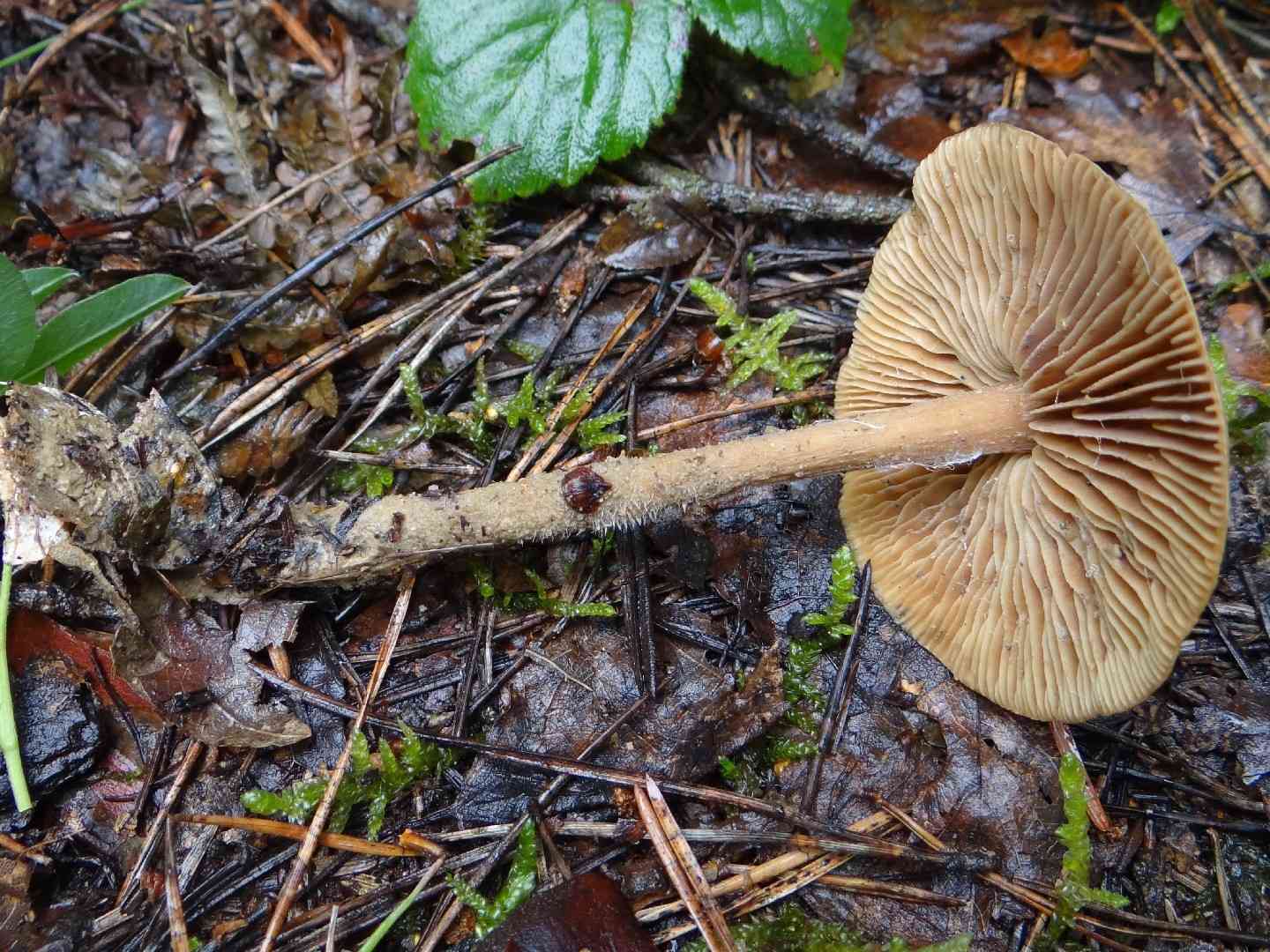
Marasmiellus candidipes is a common fungus in certain environments, thriving on fallen leaves beneath deciduous trees. Its name suggests its notable feature: the lower part of its stalk is covered in distinct white, hair-like structures. This resilient mushroom can absorb moisture again even after becoming dry.
In This Article
Attributes of Wood woollyfoot
Cap Diameter
2 - 7 cm
Height
4 - 8 cm
Cap
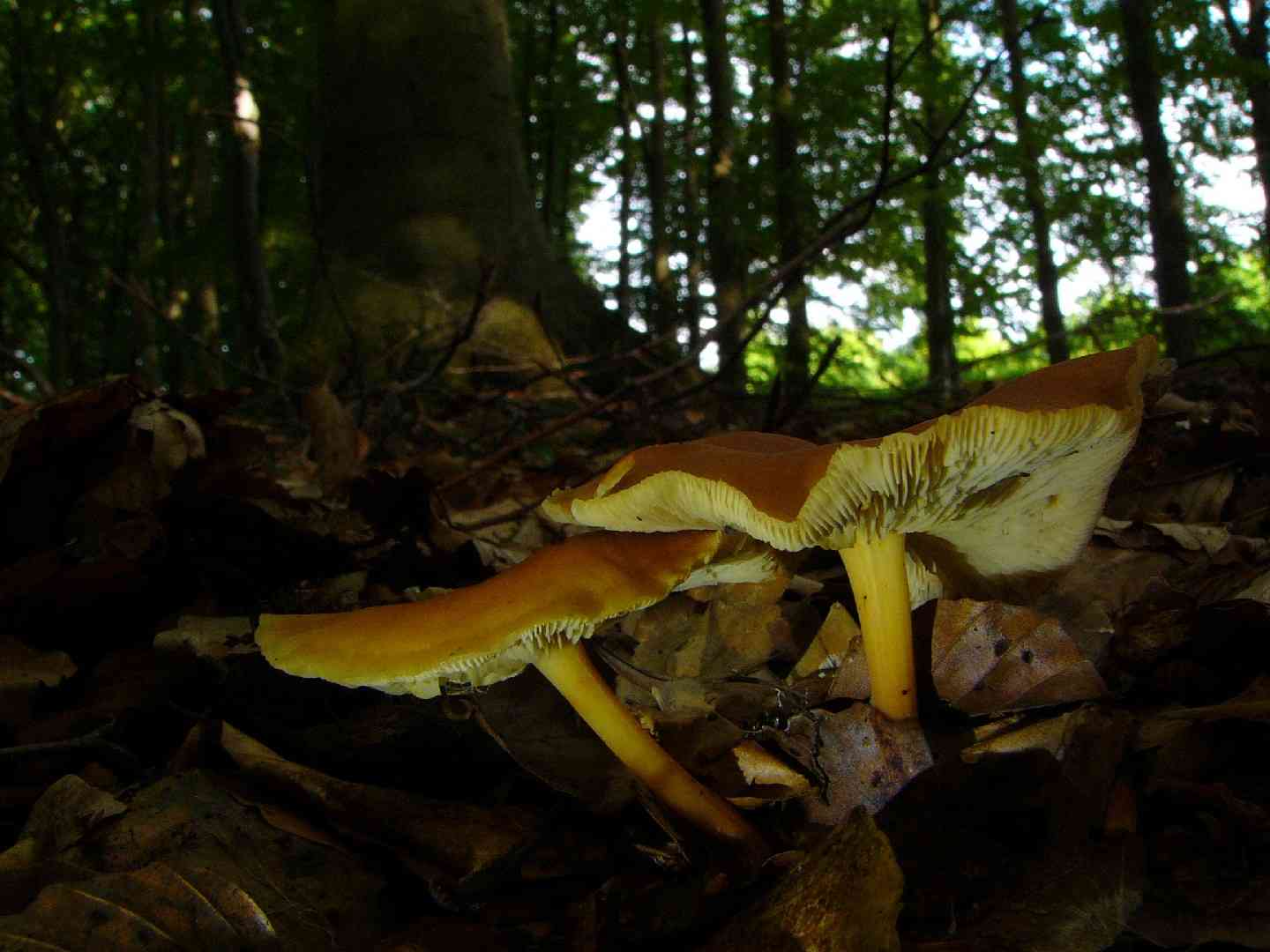
Cap 2 - 6 cm across; brown; smooth, matt to finely fibrillose
Cap Shape
Convex, Flat, Central Bump
Gills
Widely spaced; buff to pale brownish
Stem
Stem 8 cm long, 5 mm thick; yellow-brown to pale gray-brown
Stem Shapes
Cylindrical
Stem Surfaces
Smooth to slightly fibrous
Flesh
Fibrous; whitish to yellow; unchanging
Ring
Ringless
Spore Print Color
White
Odor
Mildly mushroomy but not distinctive.
Body Color
BrownYellowRed
Flesh Bruises
The flesh or milk does not discolor when bruised or cut.
Growth Form
Scattered, Gregarious
Nutrient Gathering
Saprophytic
Substrate
Leaf or Needle Litter
Occurence Habitats
Deciduous Woodland, Meadows, Scrublands
Species Status
Widespread and common
Endangered Species
No
Scientific Classification of Wood woollyfoot
Phylum
Club fungi
Class
Mushroom-forming fungi
Order
Gilled fungi
Family
Marasmiaceae
Genus
Gymnopus
Toxicity and Edibility of Wood woollyfoot
Is Wood woollyfoot Toxic?
Toxicity information is not available for this mushroom. Always consult with an expert before consuming any wild mushrooms.