Stinking parachute
Gymnopus perforans
A species of Gymnopus.
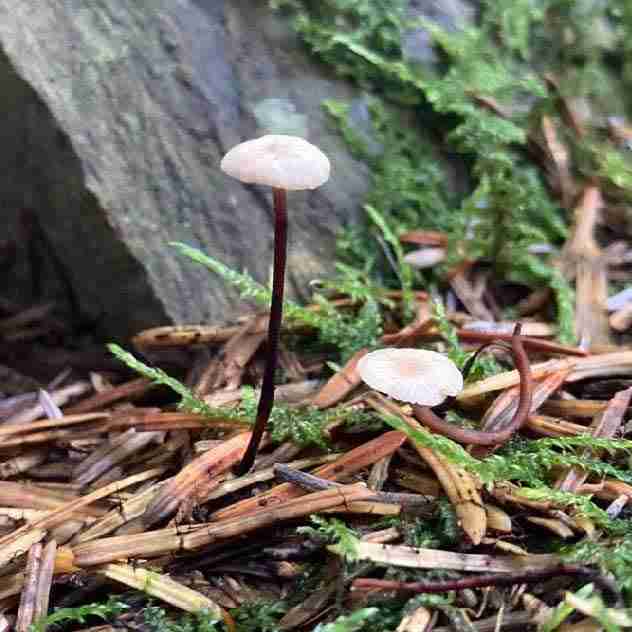
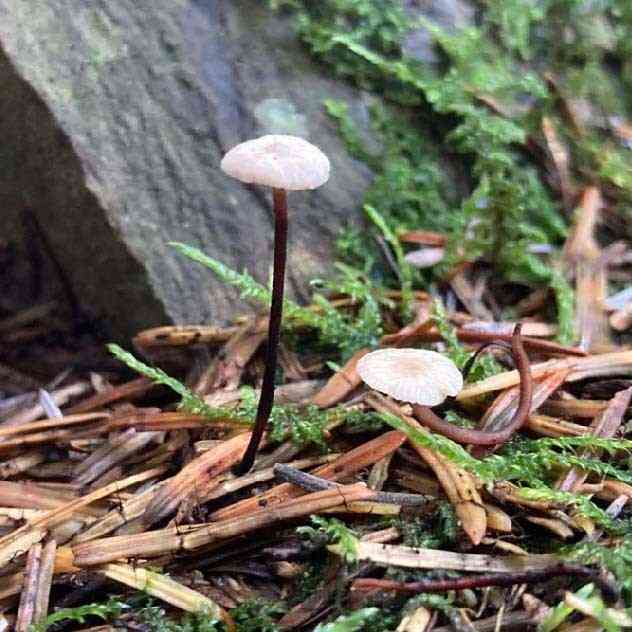
This malodorous mushroom, scientifically known as Gymnopus, thrives on the decomposing needles of conifers like fir, spruce, and pine. Its offensive scent is frequently likened to the putrid smell of decaying cabbage, a characteristic that also inspired its common name, the Stinking Parachute. The genus name itself, Gymnopus, aptly translates to naked foot.
In This Article
Attributes of Stinking parachute
Cap Diameter
4 - 17 mm
Height
1 - 4 cm
Cap
Cap 4 - 17 mm across; convex to broadly convex, bell-shaped; pale brown, buff, white; with wrinkled or ribbed
Cap Shape
Flat, Depressed
Cap Surfaces
Visible lines or stripes
Gills
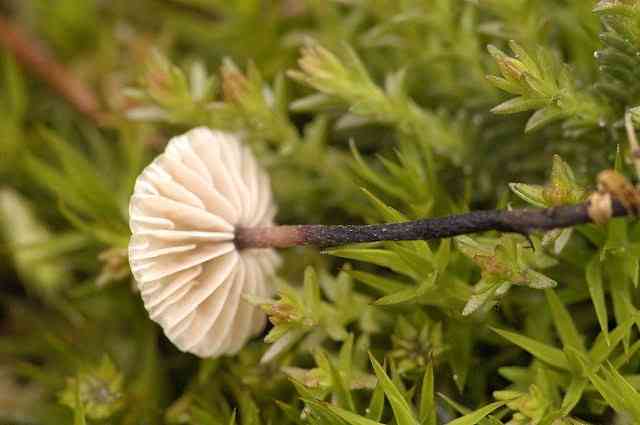
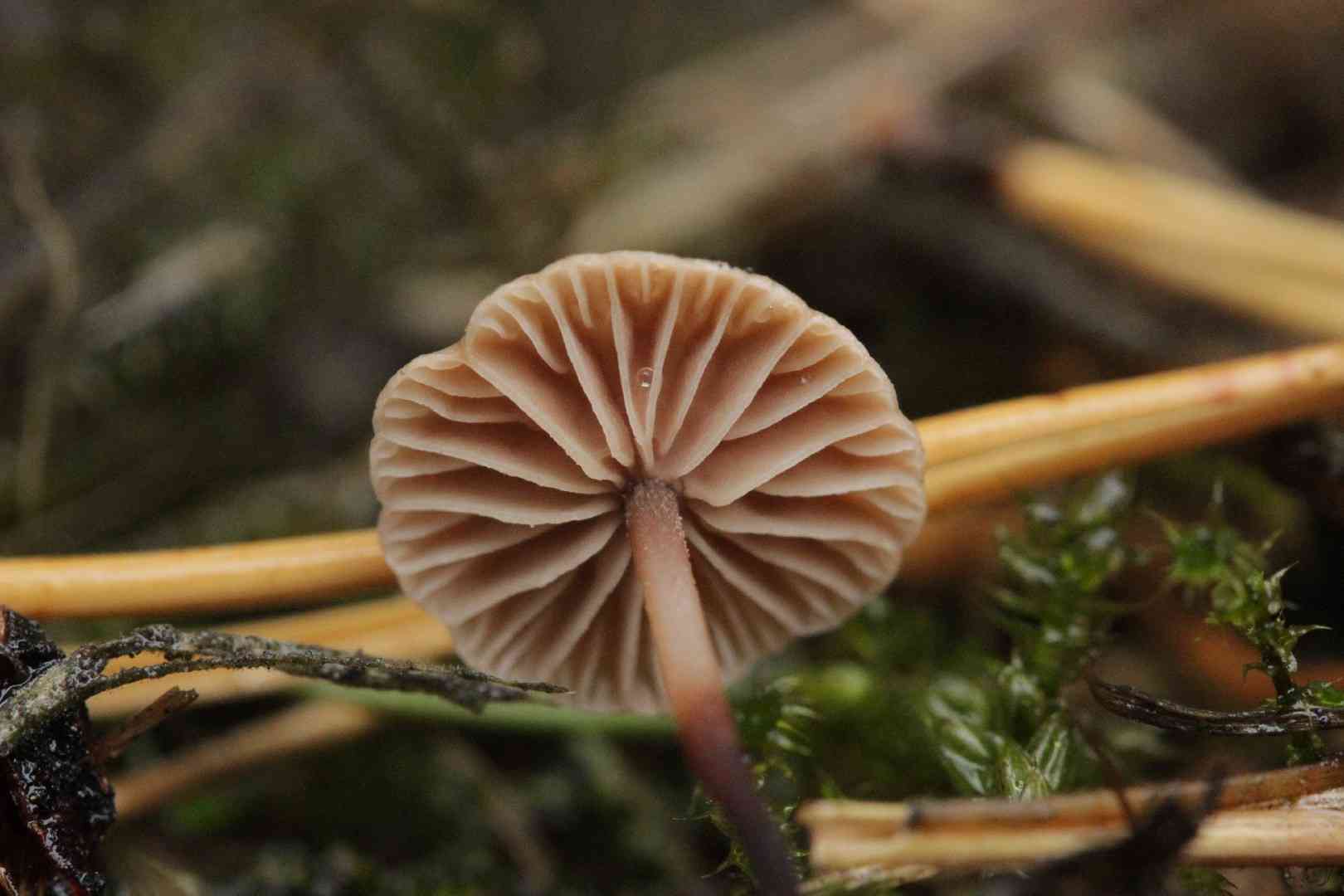
Adnexed, broadly adnate; distant; buff to whitish
Stem
Stem 4 cm long, 0.5 - 1 mm thick; pale, brown to dark brown, reddish brown, black; with finely hairy to finely velvety
Stem Shapes
Cylindrical
Flesh
Thin; whitish to brownish
Ring
Ringless
Spore Print Color
White, whitish, cream
Odor
Reminiscent of decaying cabbage.
Body Color
BrownBlackYellowRedWhite
Flesh Bruises
The flesh or milk does not discolor when bruised or cut.
Growth Form
Solitary, Scattered, Gregarious
Nutrient Gathering
Saprophytic
Substrate
On wood
You can find Stinking parachute by these plants
Ponderosa pine
Endangered Species
No
Scientific Classification of Stinking parachute
Phylum
Club fungi
Class
Mushroom-forming fungi
Order
Gilled fungi
Family
Marasmiaceae
Genus
Gymnopus
Toxicity and Edibility of Stinking parachute
Is Stinking parachute Toxic?
The malodorous parachute, characterized by its pungent smell, is a frequent sight in humid, wooded areas during wet periods. Though morphologically distinctive, its consumption may lead to mild stomach upset. It's best to steer clear of this species due to potential health risks, especially as it bears a close resemblance to harmless varieties.
Type of poisoning
Gastrointestinal
Toxic Severity
Low toxicity
Incubation Period
0.5-4 hours
Poisoning Symptoms
Experience of minor digestive upset in the stomach and intestines.

