Foetid parachute
Gymnopus foetidus
A species of Gymnopus.
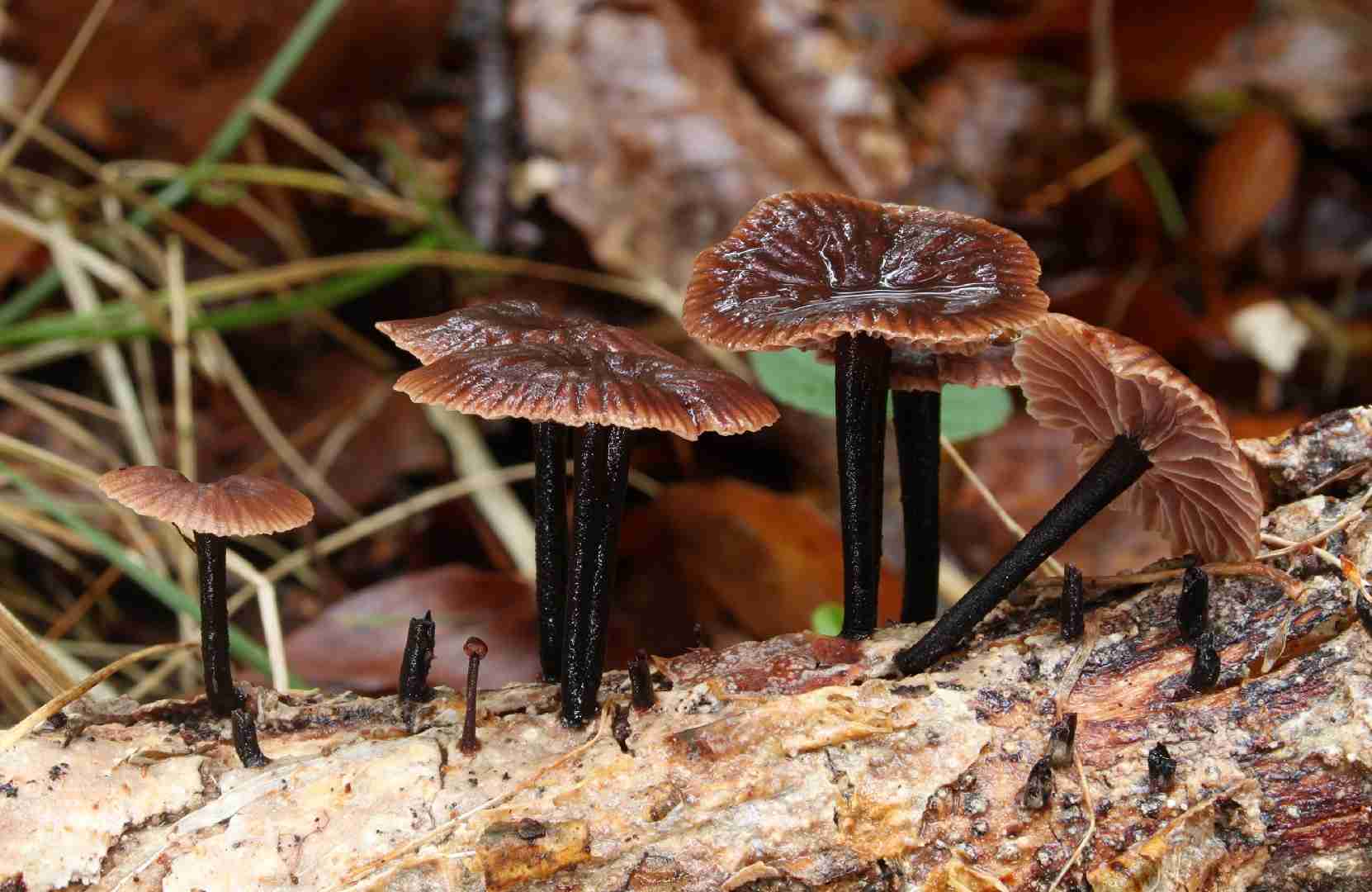
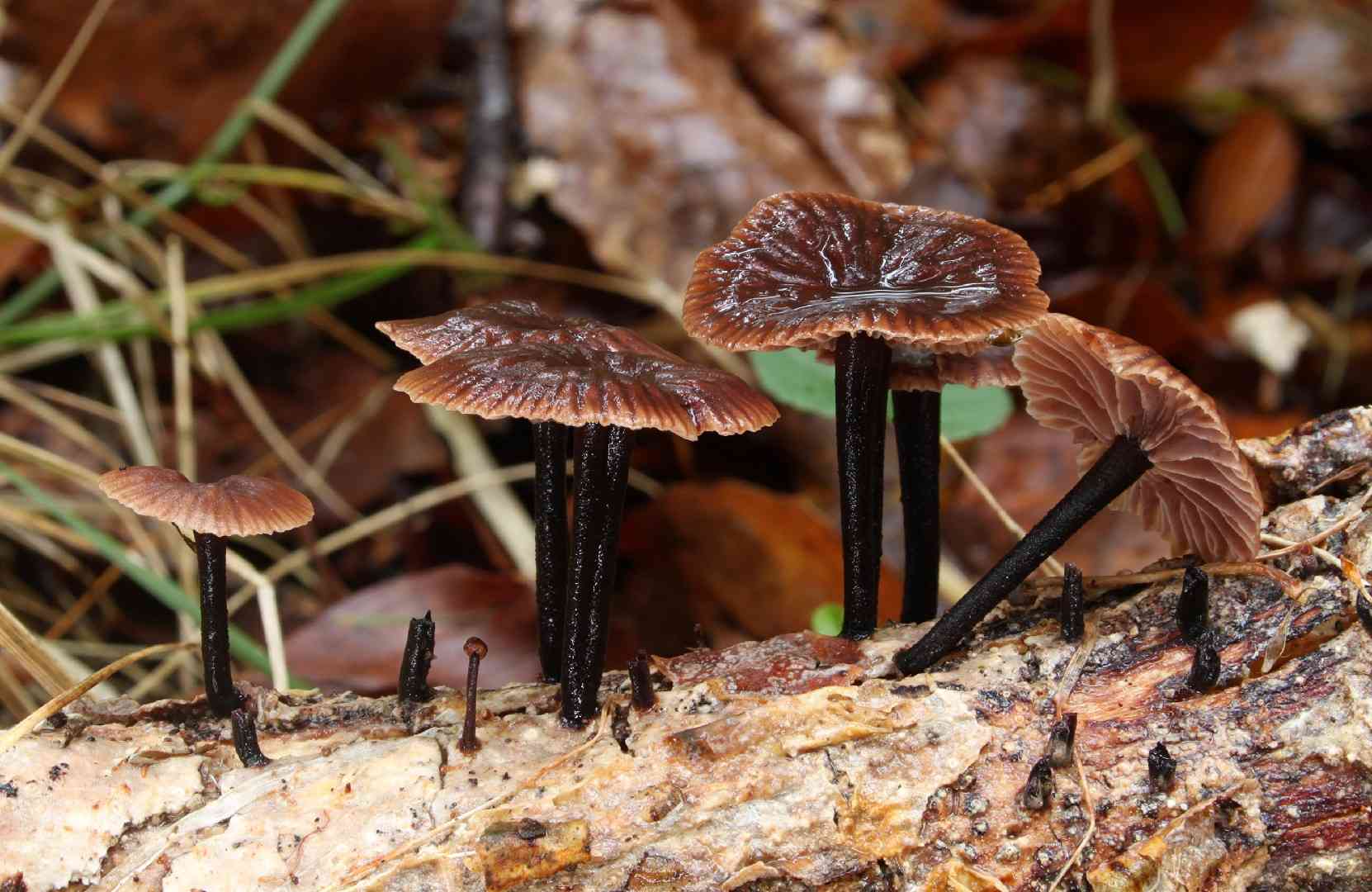
The fetid parachute mushroom, often found in clusters on decomposing wood, is particularly prevalent in spring and summer. It's identifiable by its small stature and a cap that ranges from off-white to brownish, frequently darkening in the center with maturity. Its gills, initially light-colored, transition to a brownish hue over time. A distinct, unpleasant smell is emitted by this mushroom, especially when numerous.
In This Article
Attributes of Foetid parachute
Cap Diameter
1 - 4 cm
Height
1 - 4 cm
Cap
Cap 1 - 3 cm wide; reddish-brown center; tan
Cap Shape
Flat, Depressed
Cap Surfaces
Velvety, Visible lines or stripes
Gills
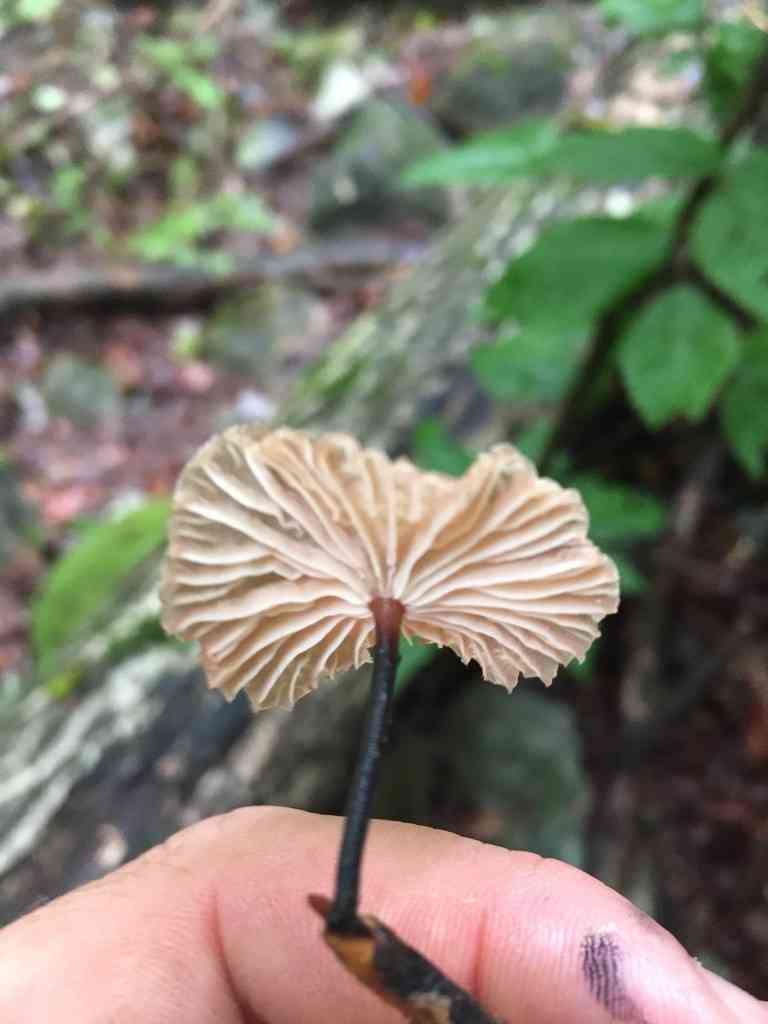
Adnate; distant; brown pink
Gill Attachment
Notched
Stem
2 - 3 cm long and 1 - 1.5 mm thick; brownish; velvety, cottony at the base
Stem Shapes
Cylindrical
Flesh
Fibrous; brown to black; unchanging
Ring
Ringless
Spore Print Color
White
Odor
Pungent, reminiscent of rotten fish and mold.
Body Color
BrownRedBronze
Flesh Bruises
The flesh or milk does not discolor when bruised or cut.
Growth Form
Gregarious, Clustered
Nutrient Gathering
Saprophytic
Substrate
On soil
You can find Foetid parachute by these plants
Oaks, European beech
Species Status
Rare
Endangered Species
No
Scientific Classification of Foetid parachute
Phylum
Club fungi
Class
Mushroom-forming fungi
Order
Gilled fungi
Family
Marasmiaceae
Genus
Gymnopus
Toxicity and Edibility of Foetid parachute
Is Foetid parachute Toxic?
Toxicity information is not available for this mushroom. Always consult with an expert before consuming any wild mushrooms.

