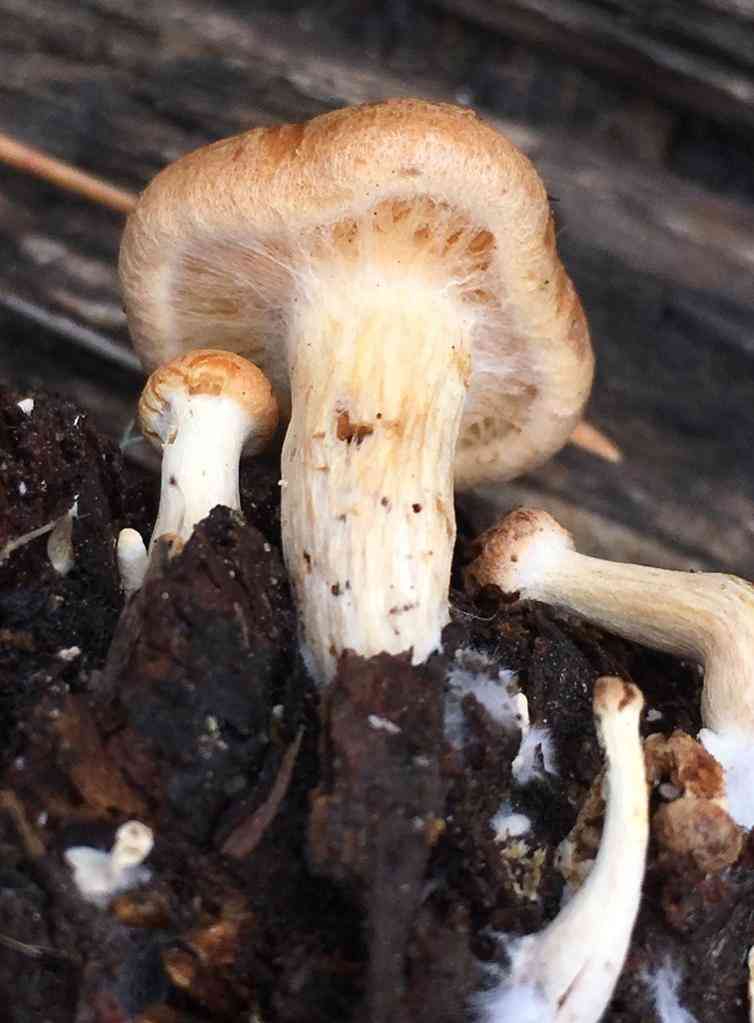
Scaly rustgill

Gymnopilus sapineus

A species of Rustgills. Also known as Fir flamecap.

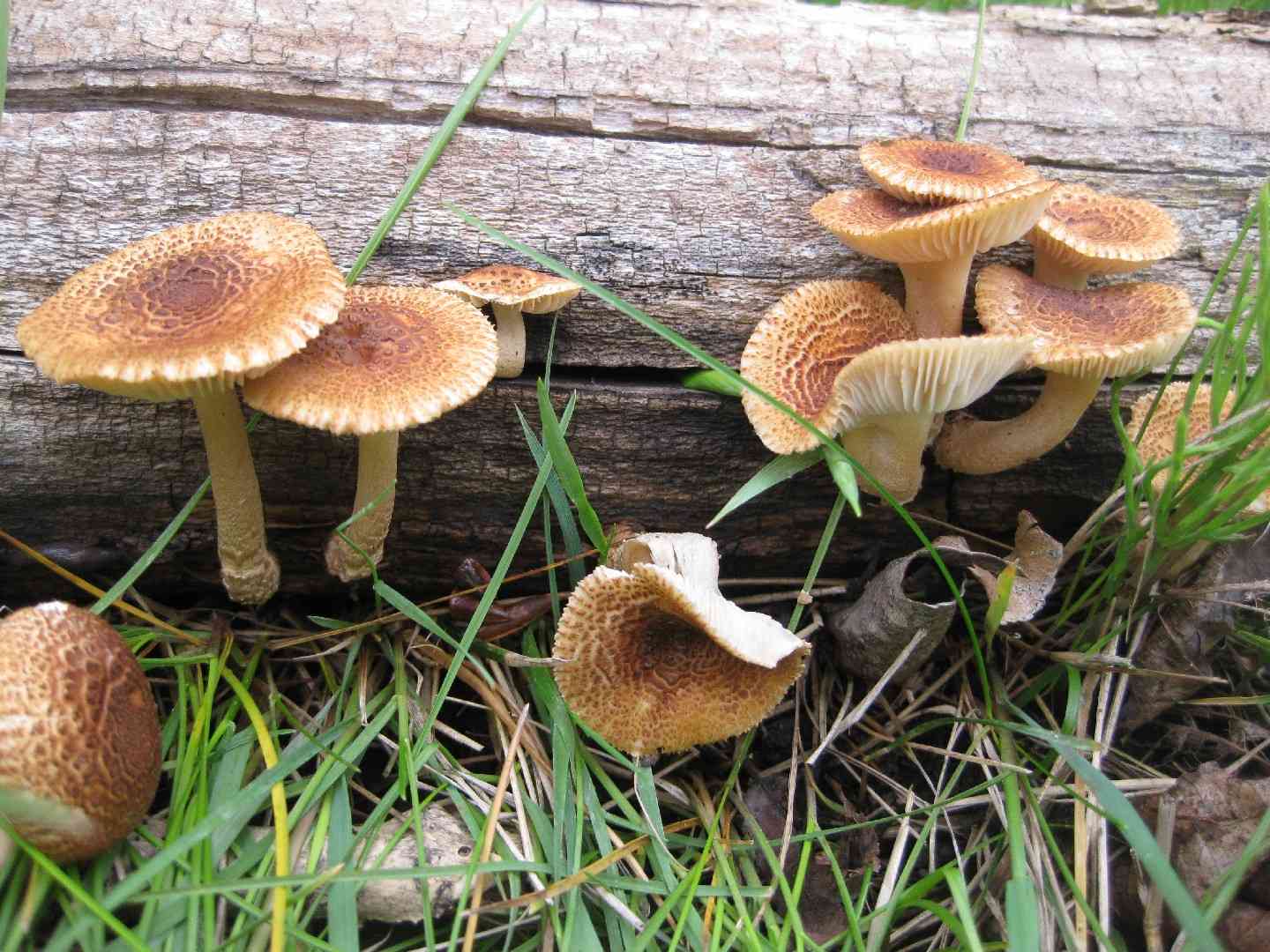
The scientific designation, Gymnopilus sapineus, offers substantial clues for recognizing the scaly rustgill; it essentially translates to the naked cap of pine. This particular mushroom, which features a smooth cap, typically thrives on decaying conifer wood often obscured by leaf litter on the forest floor. It is considered unsuitable for consumption and carries a potential risk of toxicity, a characteristic frequently observed among its close relatives within the Gymnopilus genus.

In This Article
Attributes Classification Toxicity Similar Mushrooms

Attributes of Scaly rustgill

ForwardPlant - ID plants and mushrooms, and learn more about them🌿

Identify and diagnose plants, get toxicity alerts, and explore safety guides for all types of fungi.

Try for Free
Cap Diameter
2 - 9 cm
Height
4 - 8 cm
Cap
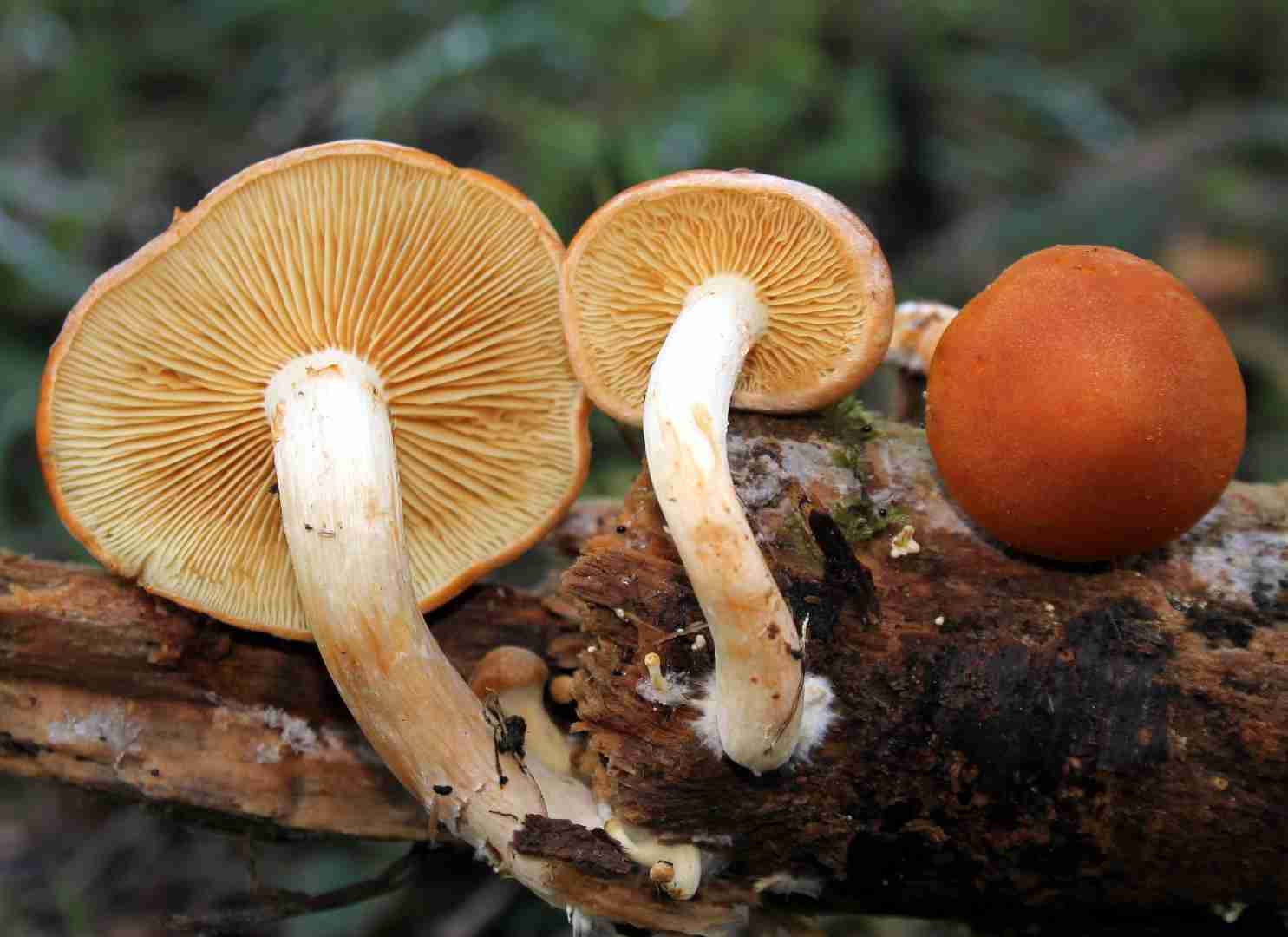
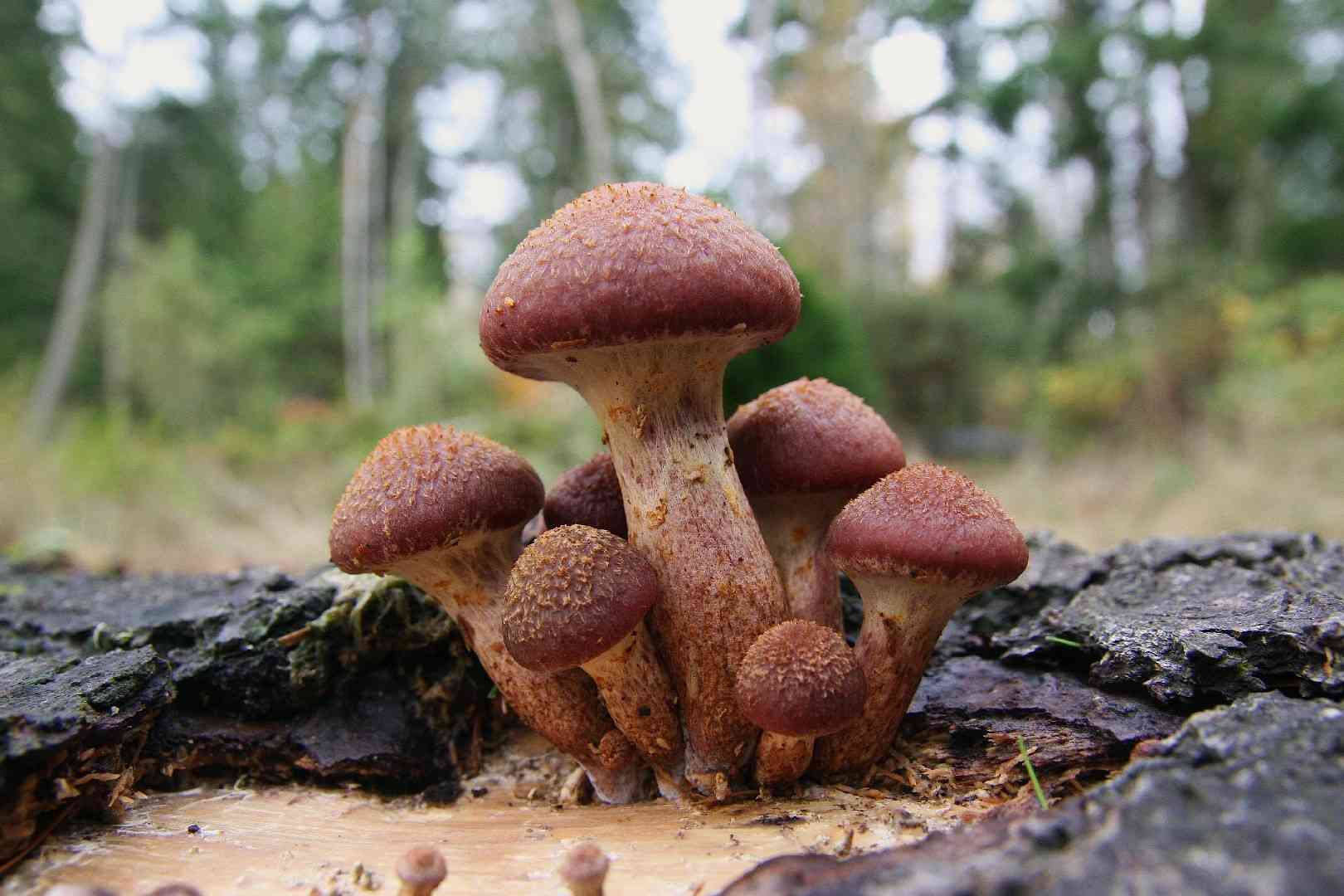
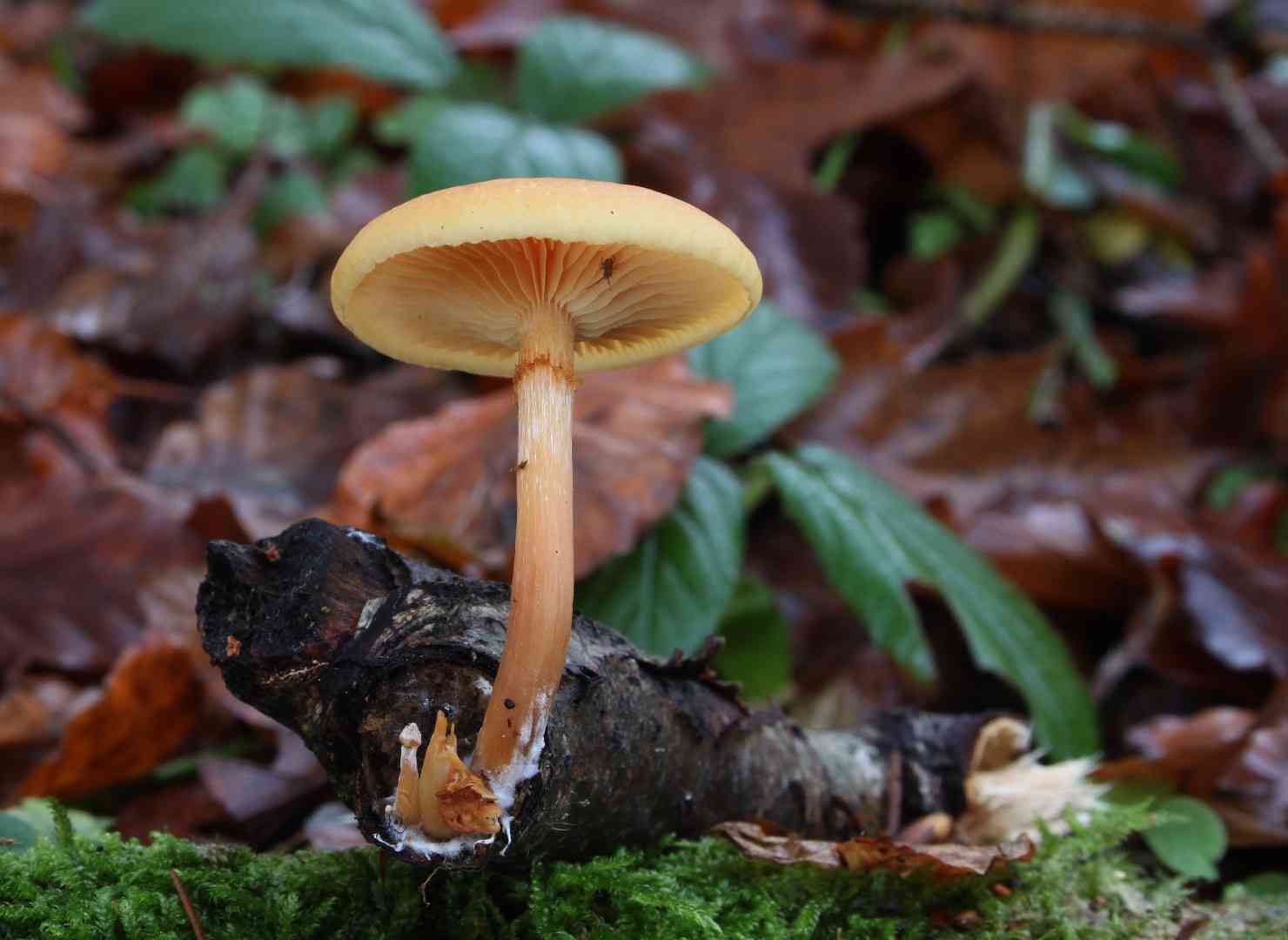
2 - 8 cm wide; convex or nearly flat; yellowish to reddish brown; smooth
Cap Shape
Convex, Flat, Central Bump
Cap Surfaces
Smooth, Fibrillose-scaly
Gills
Close; yellow, whitish to rusty brown
Gill Attachment
Attached
Stem
3 - 7 cm long, under 1 cm thick; equal; paler than cap-color; smooth or finely hairy
Stem Shapes
Cylindrical
Stem Surfaces
Fibrillose
Flesh
Whitish or pale yellow
Ring
Ringless
Spore Print Color
Rusty brown to orange-brown
Odor
Slight, general mushroom smell, non-distinctive.
Body Color
BrownBlackYellowRed
Flesh Bruises
The flesh or milk does not discolor when bruised or cut.
Growth Form
Solitary, Scattered, Gregarious
Nutrient Gathering
Saprophytic
Substrate
Dead Woods
You can find Scaly rustgill by these plants
Pines, Serbian spruce, Scots pine
Occurence Habitats
Coniferous Woodland
Species Status
Widely distributed in North America
Endangered Species
No

Scientific Classification of Scaly rustgill

ForwardPlant APP

AI mushroom expert in your pocket

Try for Free
Phylum
Club fungi
Class
Mushroom-forming fungi
Order
Gilled fungi
Family
Hymenogastraceae
Genus
Rustgills
⚠️

Toxicity and Edibility of Scaly rustgill

ForwardPlant: Identify & Forage

Your Essential Guide to Edible vs. Toxic Mushrooms. Forage with Confidence!

Try for Free

Is Scaly rustgill Toxic?

While widely distributed and often found in dense clusters on decaying conifers, the scaly rustgill is considered inedible due to its distinct bitter flavor and possible toxic effects. The full scope of its toxicity is not yet fully understood, highlighting the importance of additional investigation and careful handling of this particular mushroom species.
Type of poisoning
Neurotoxic
Toxic Severity
Low to high toxicity
Incubation Period
0.5-3 hours
Poisoning Symptoms
Manifests as mental confusion, mood swings, hallucinations, and cardiovascular issues including low blood pressure and a fast heartbeat. These symptoms can be dangerous to the individual and others. Severe cases may also experience heavy nausea and vomiting.