Golden-gilled Gymnopilus
Gymnopilus luteofolius
A species of Rustgills.
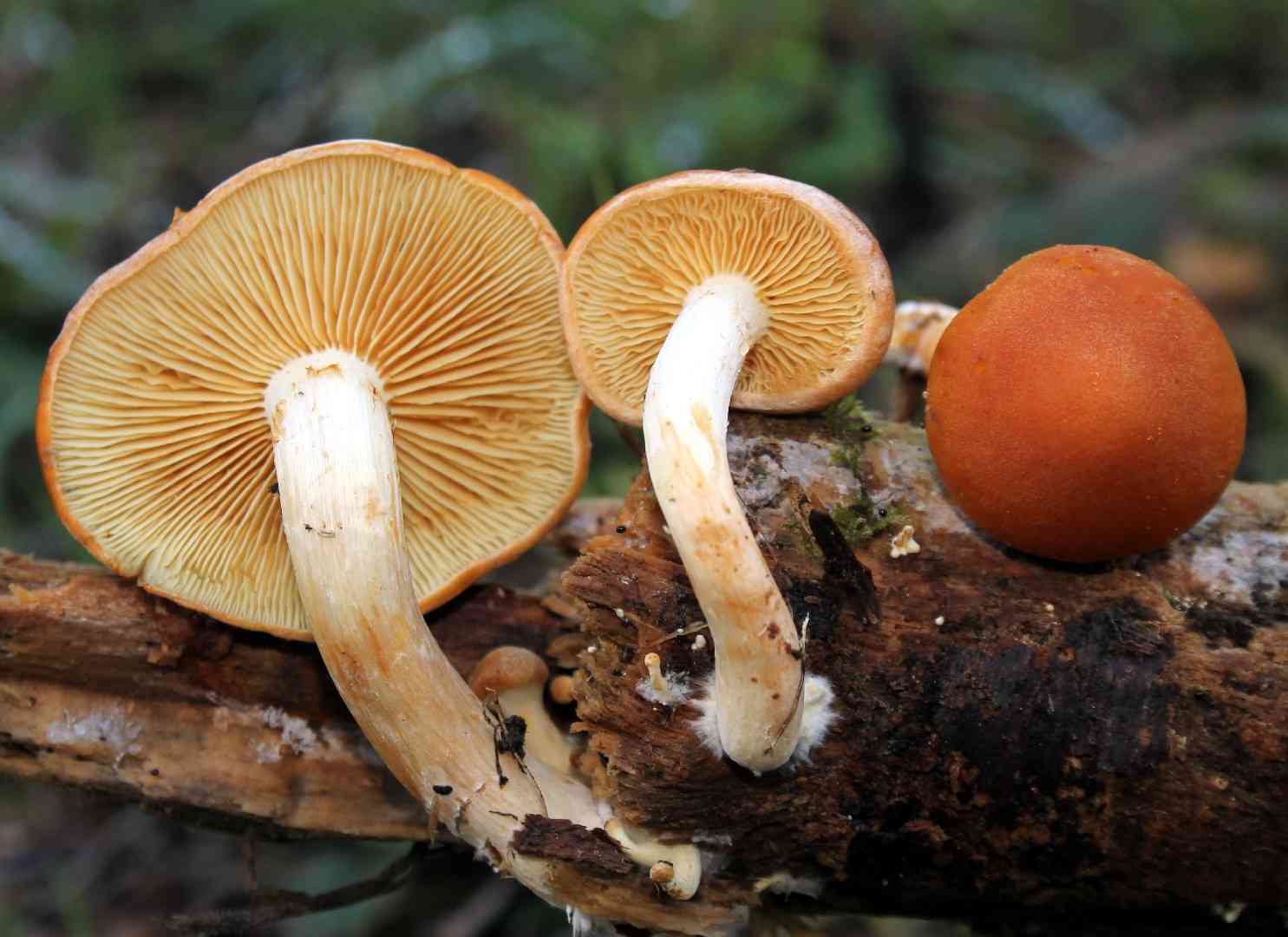
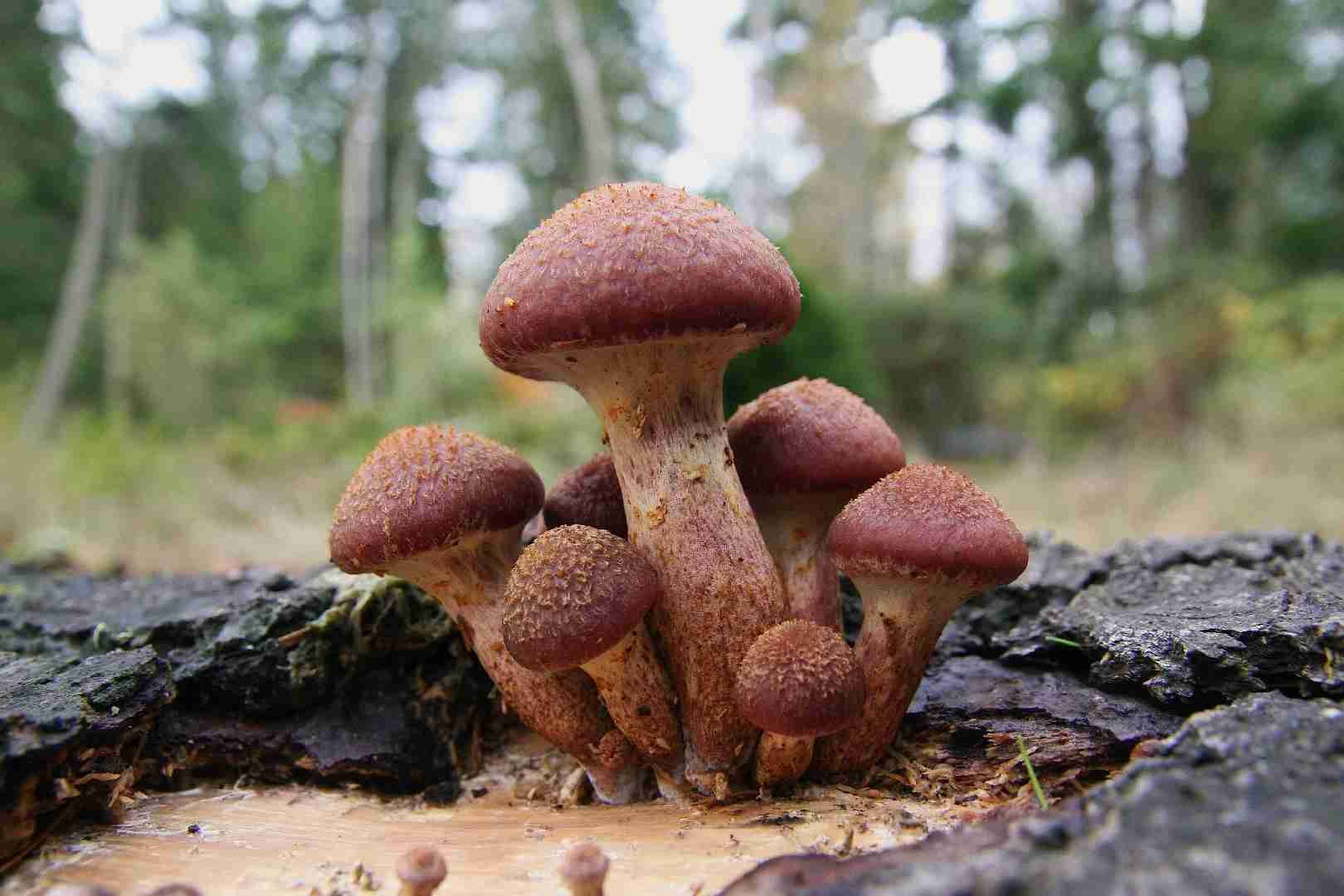
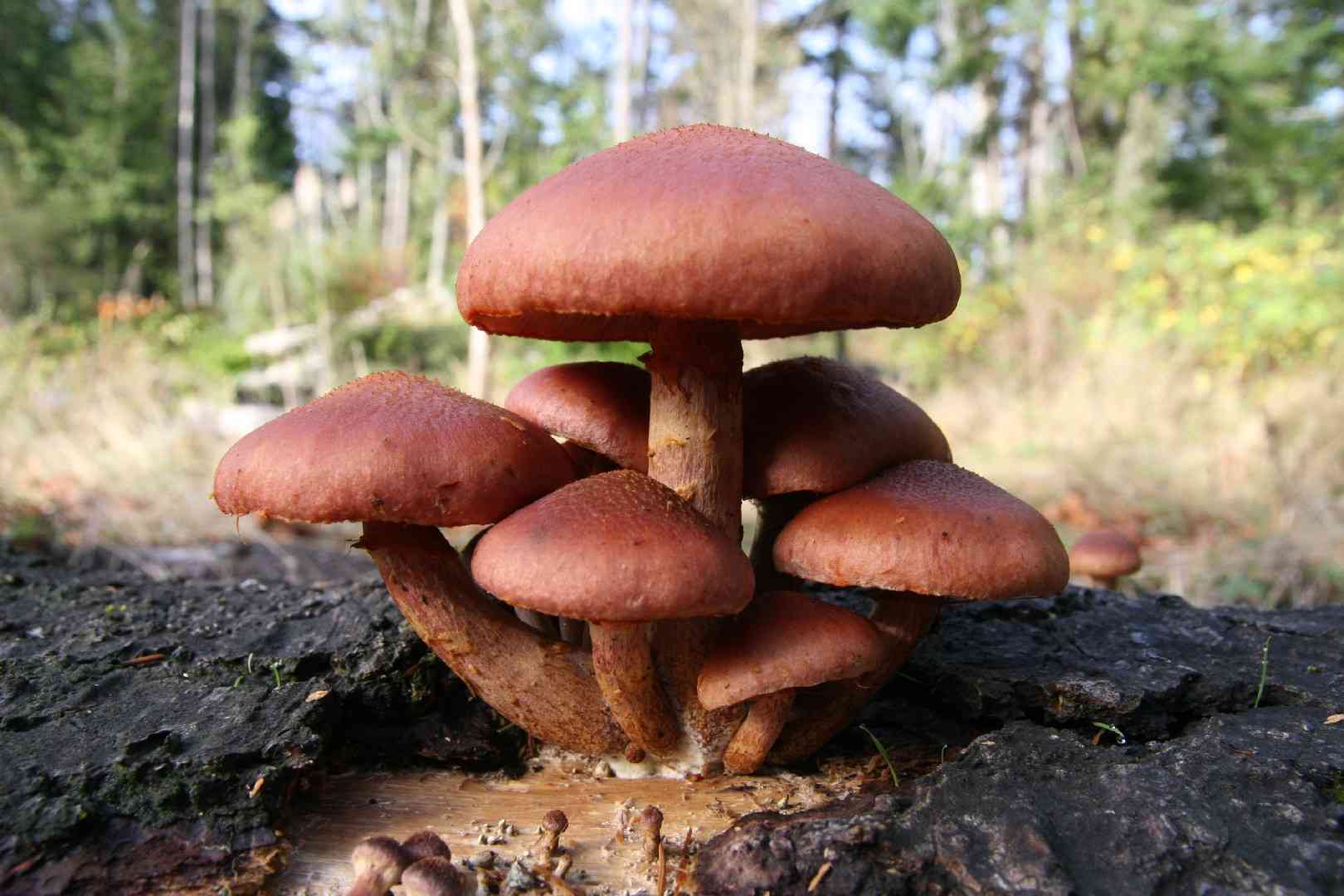
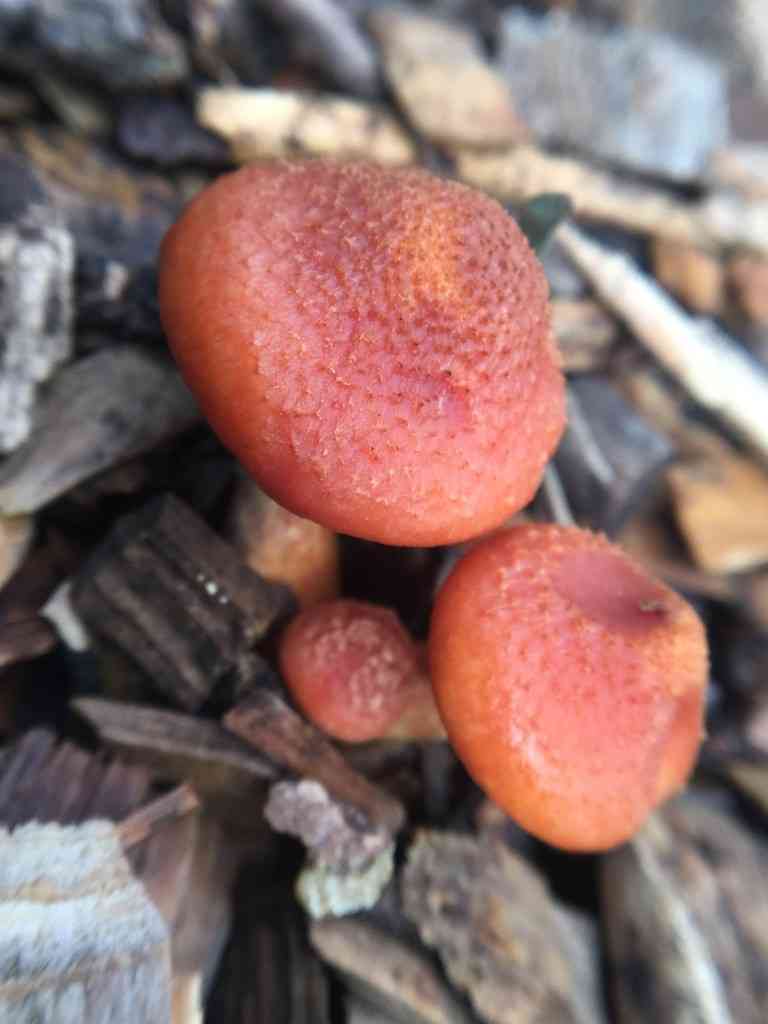
The golden-gilled Gymnopilus is readily recognizable by its scaled, purplish-orange cap and its affinity for growing on wood chips. Numerous sources indicate that this mushroom is slightly poisonous and consumption is not recommended.
In This Article
Attributes of Golden-gilled Gymnopilus
Cap Diameter
2 - 8 cm
Height
2 - 8 cm
Cap
Cap 2 - 6 cm across; convex, broadly bell-shaped; red to pinkish, brownish orange; with small, innate scale
Cap Shape
Convex, Bell-shaped, Flat
Cap Surfaces
Fibrillose-scaly
Gills
Attached; close; pale to medium yellow, deeper yellow, rusty brown
Gill Attachment
Notched
Stem
Stem 3 - 6 cm long, 3 - 6 mm thick; slightly swollen base; orangish to brownish; fibrillose
Stem Shapes
Cylindrical
Stem Surfaces
Fibrillose
Flesh
Whitish; turning purplish pink or not in the cap when sliced
Ring
With Ring Zone
Spore Print Color
Bright rusty orange
Odor
Mildly mushroomy but not distinctive.
Body Color
BrownRedPurplePink
Flesh Bruises
The flesh or milk does not discolor when bruised or cut.
Growth Form
Gregarious, Clustered
Nutrient Gathering
Saprophytic
Substrate
Dead Woods, Wood Chips or Mulch
Occurence Habitats
Coniferous Woodland, Deciduous Woodland, Disturbed Lands
Species Status
Widely distributed
Endangered Species
No
Scientific Classification of Golden-gilled Gymnopilus
Phylum
Club fungi
Class
Mushroom-forming fungi
Order
Gilled fungi
Family
Hymenogastraceae
Genus
Rustgills
Toxicity and Edibility of Golden-gilled Gymnopilus
Is Golden-gilled Gymnopilus Toxic?
Toxicity information is not available for this mushroom. Always consult with an expert before consuming any wild mushrooms.