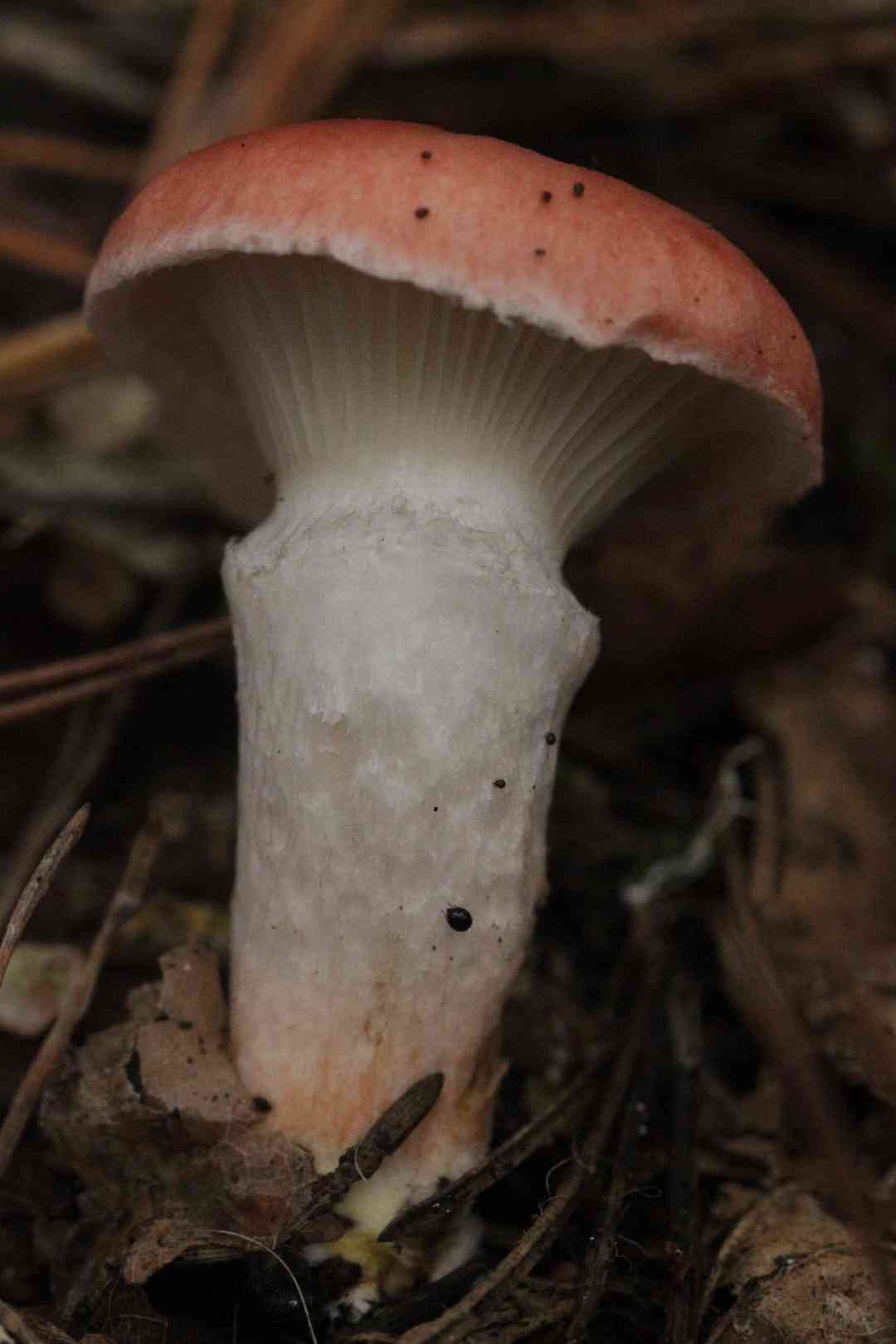
Rosy spike
Gomphidius roseus
A species of Spike-caps.
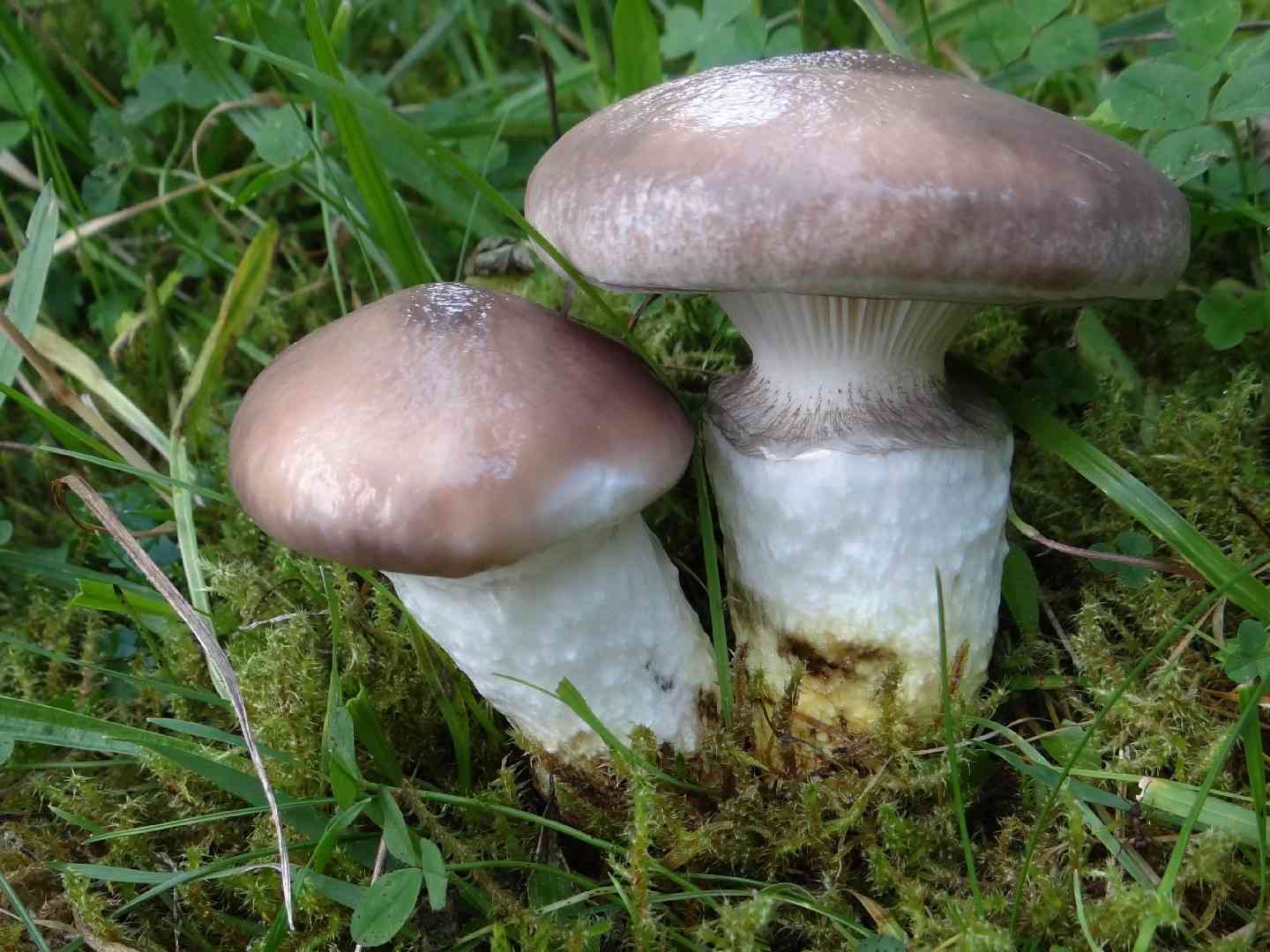
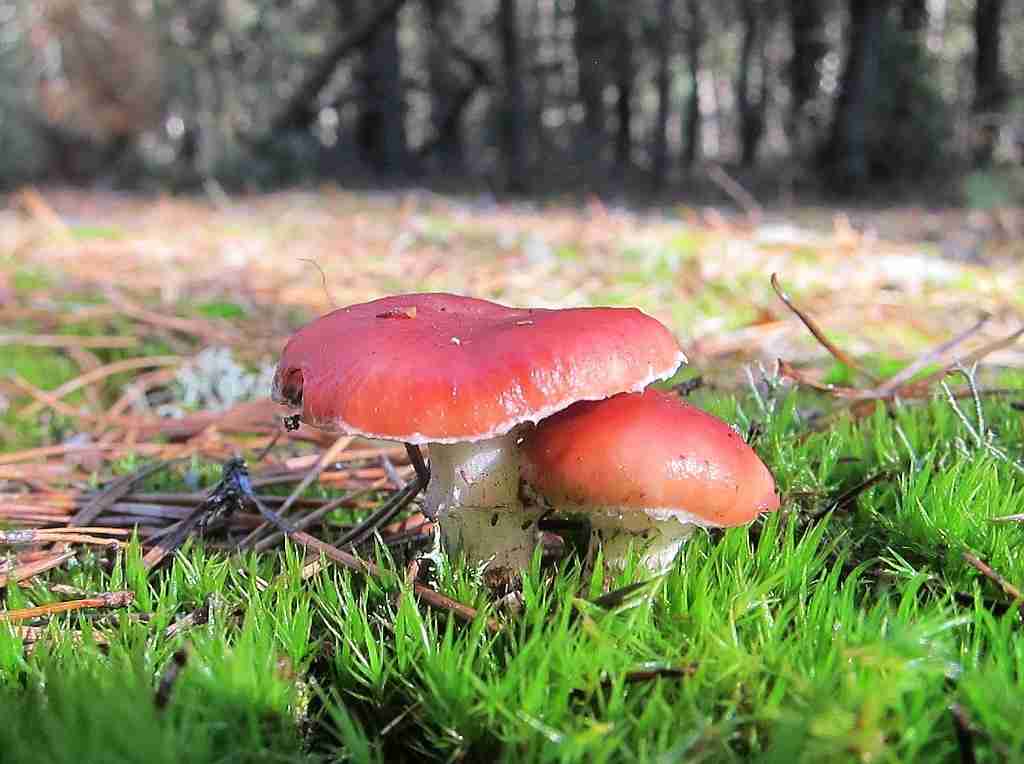
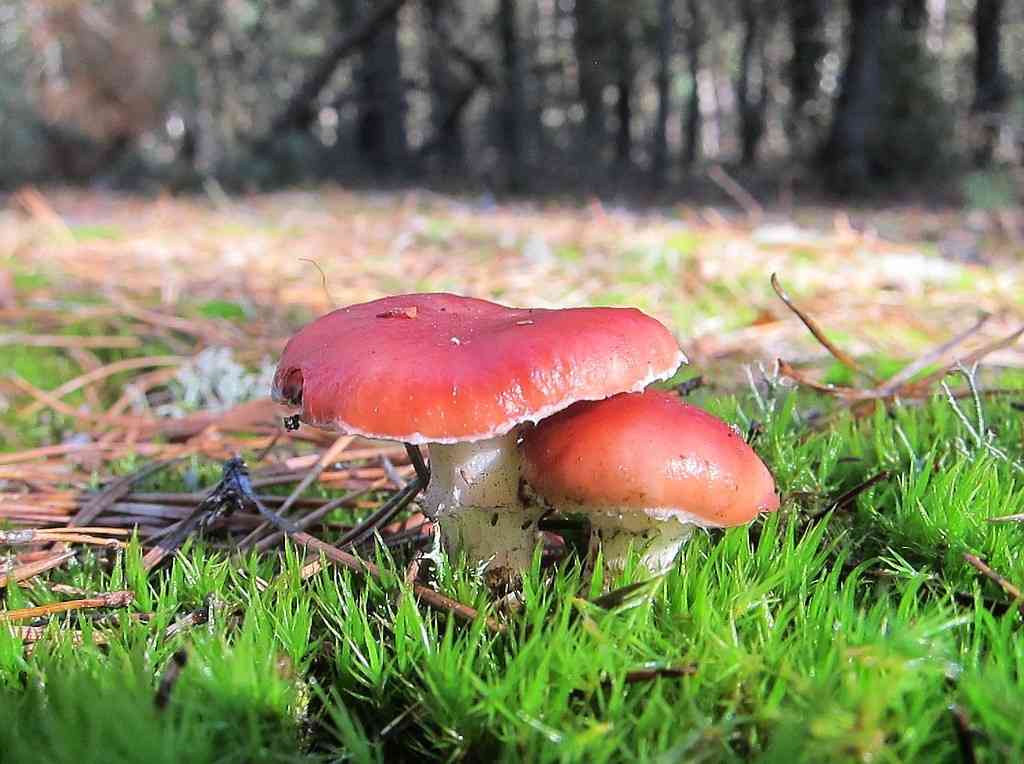
Clustered rosy spikes, a captivating fungus, are characterized by their prominent pink tops that mature into a rusty brown hue. Their slender, elongated, grayish stems support their caps. These mushrooms form a mutualistic relationship with conifers, assisting in their nutrient uptake. They typically appear in late summer through autumn, frequently growing in groups.
In This Article
Attributes of Rosy spike
Cap Diameter
3 - 5 cm
Height
4 - 10 cm
Cap
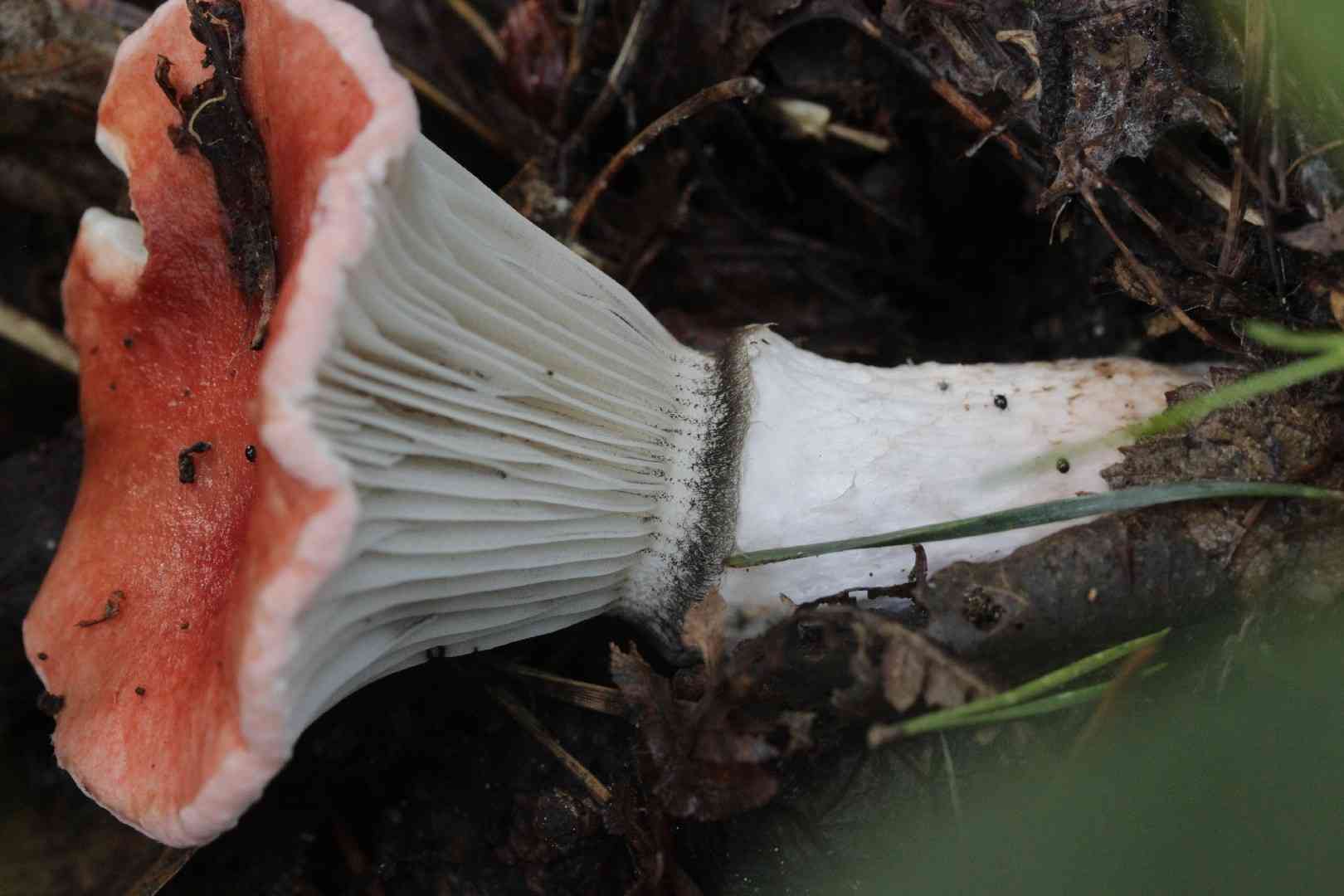
Cap up to 5 cm in diameter; initially convex, later flattens; coral-pink, becomes a more brick-like colour with maturity; often slimy or sticky
Cap Surfaces
Smooth, Slimy or slightly sticky
Gills
Decurrent; grey
Gill Attachment
Decurrent
Stem
2.5 - 4.5 cm high, 4 - 10 mm wide; white with a pinkish or wine-coloured tint, often flushed yellow at the base
Stem Shapes
Tapering
Stem Surfaces
Smooth
Flesh
Whitish, may be tinged pink
Ring
With Ring Zone
Spore Print Color
Brownish-black to black
Odor
Mildly fungoid, not remarkable.
Body Color
YellowRedWhitePink
Flesh Bruises
The flesh or milk does not discolor when bruised or cut.
Growth Form
Gregarious
Nutrient Gathering
Mycorrhizal, Parasitic
Substrate
On soil, On mushrooms
You can find Rosy spike by these plants
Spruces, Pines, Scots pine
Occurence Habitats
Coniferous Woodland
Species Status
Least Concern
Endangered Species
No
Scientific Classification of Rosy spike
Phylum
Club fungi
Class
Mushroom-forming fungi
Order
Boletes and allies
Family
Gomphidiaceae
Genus
Spike-caps
Toxicity and Edibility of Rosy spike
Is Rosy spike Toxic?
Toxicity information is not available for this mushroom. Always consult with an expert before consuming any wild mushrooms.