Ganoderma butt rot
Ganoderma zonatum
A species of Artist's bracket and allies.
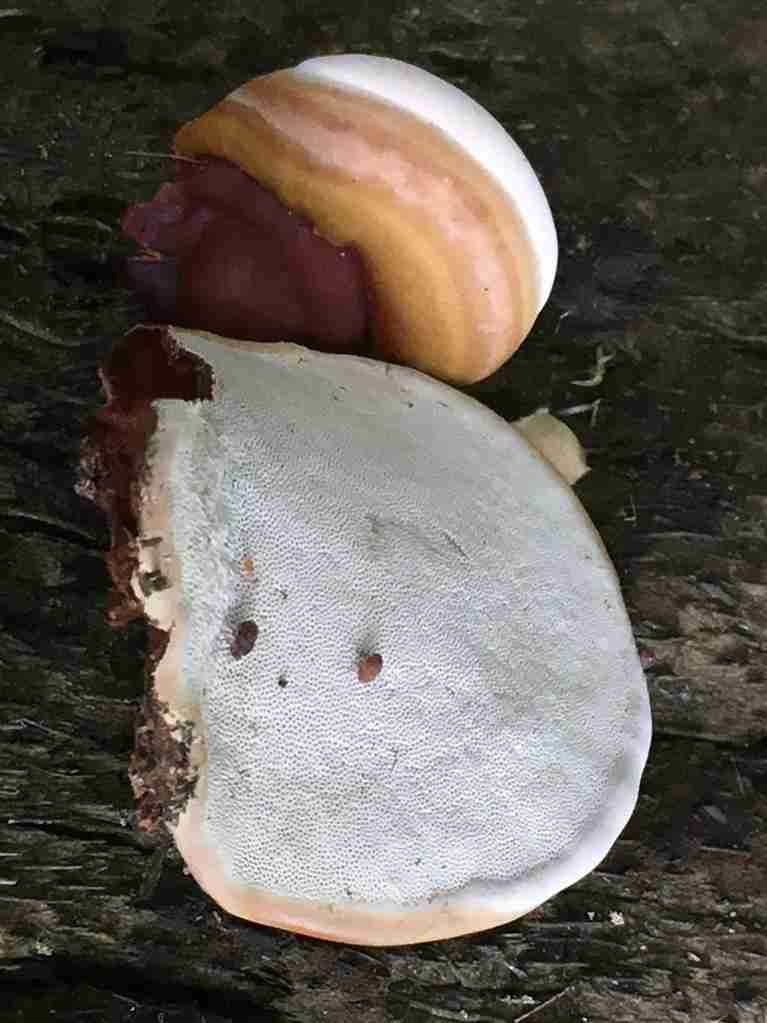
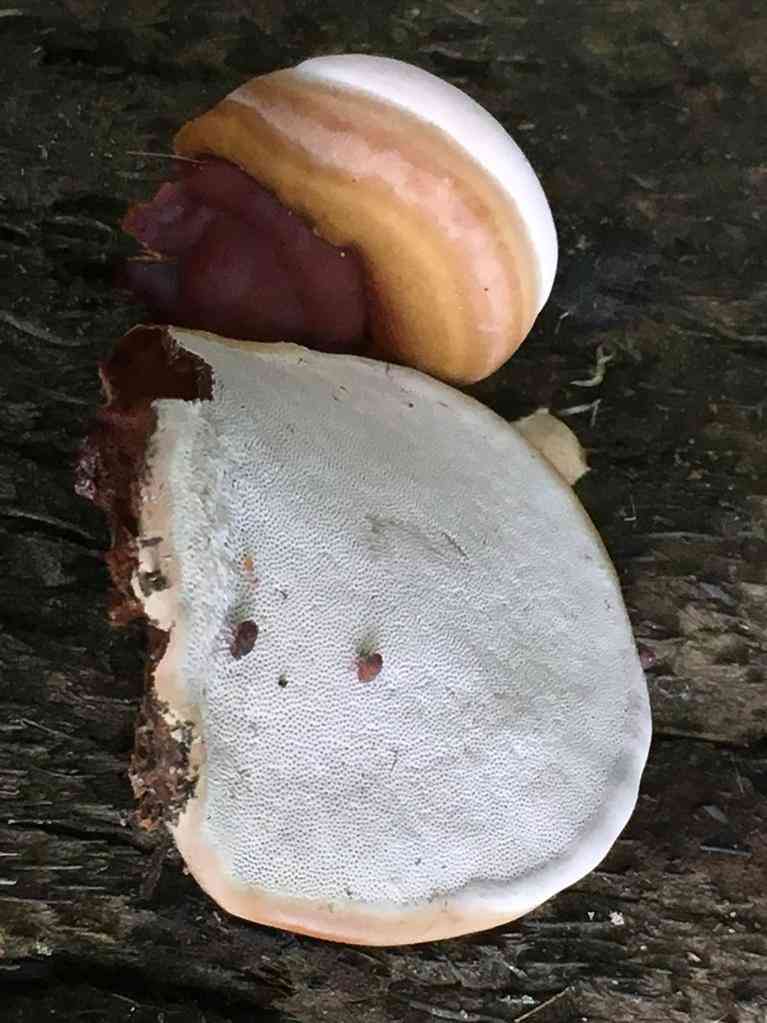
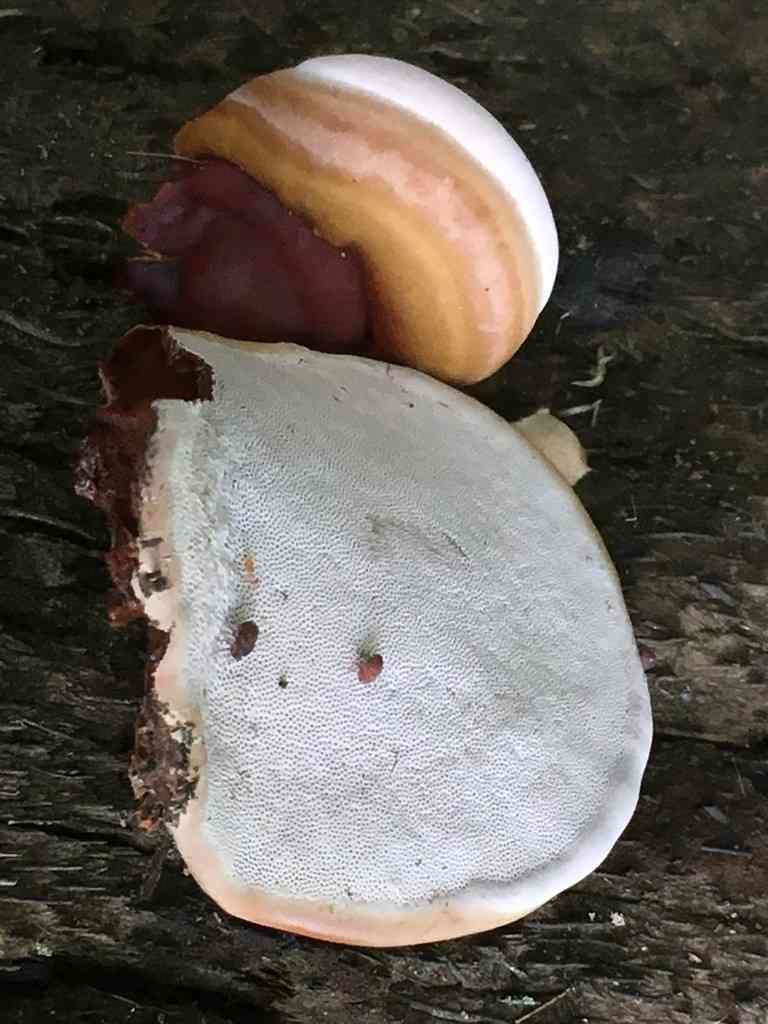
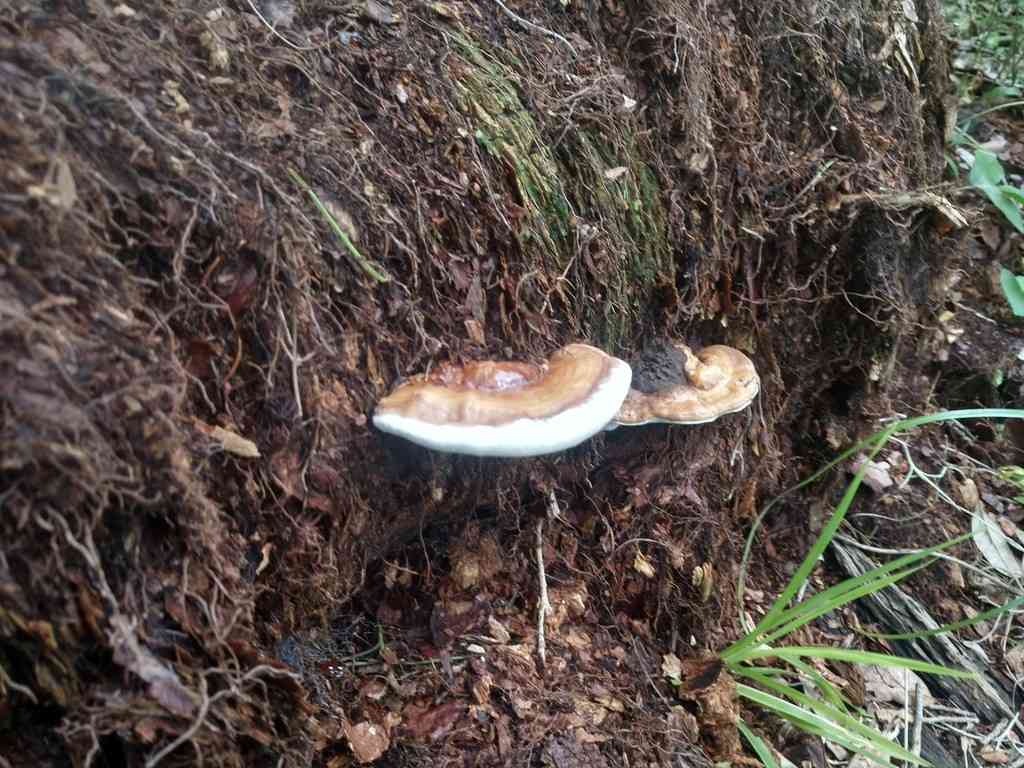
Ganoderma butt rot, a fungal disease, commonly appears at the lower sections of palm trees, initiating a decaying process within the trunk. This deterioration can progressively weaken the tree's structural integrity, eventually leading to its collapse. A key identifying feature of Ganoderma butt rot is its unique conk, a woody protrusion emerging from the infected trunk, characterized by rings of varying colors. Given its destructive potential, Ganoderma butt rot poses a significant concern in environments featuring palm trees.
In This Article
Attributes of Ganoderma butt rot
Cap Diameter
5 - 8 cm
Cap
5–8 x 7–11 cm; applanate to convex; light brown to orange; dull to semidull, brittle; margin rounded
Stem
Sessile
Flesh
Up to 1 cm wide; soft, floccose, fibrous, concentrically zonate; dark brown
Spore Print Color
Rust-colored
Body Color
White
Growth Form
Solitary, Scattered, Gregarious, Clustered
Nutrient Gathering
Parasitic
Substrate
On wood
You can find Ganoderma butt rot by these plants
Spruces
Species Status
Rare in Brazil
Endangered Species
No
Scientific Classification of Ganoderma butt rot
Phylum
Club fungi
Class
Mushroom-forming fungi
Order
Shelf fungi
Family
Ganodermataceae
Genus
Artist's bracket and allies
Toxicity and Edibility of Ganoderma butt rot
Is Ganoderma butt rot Toxic?
Toxicity information is not available for this mushroom. Always consult with an expert before consuming any wild mushrooms.

