Artist's conk
Ganoderma applanatum
A species of Artist's bracket and allies. Also known as Bear bread.
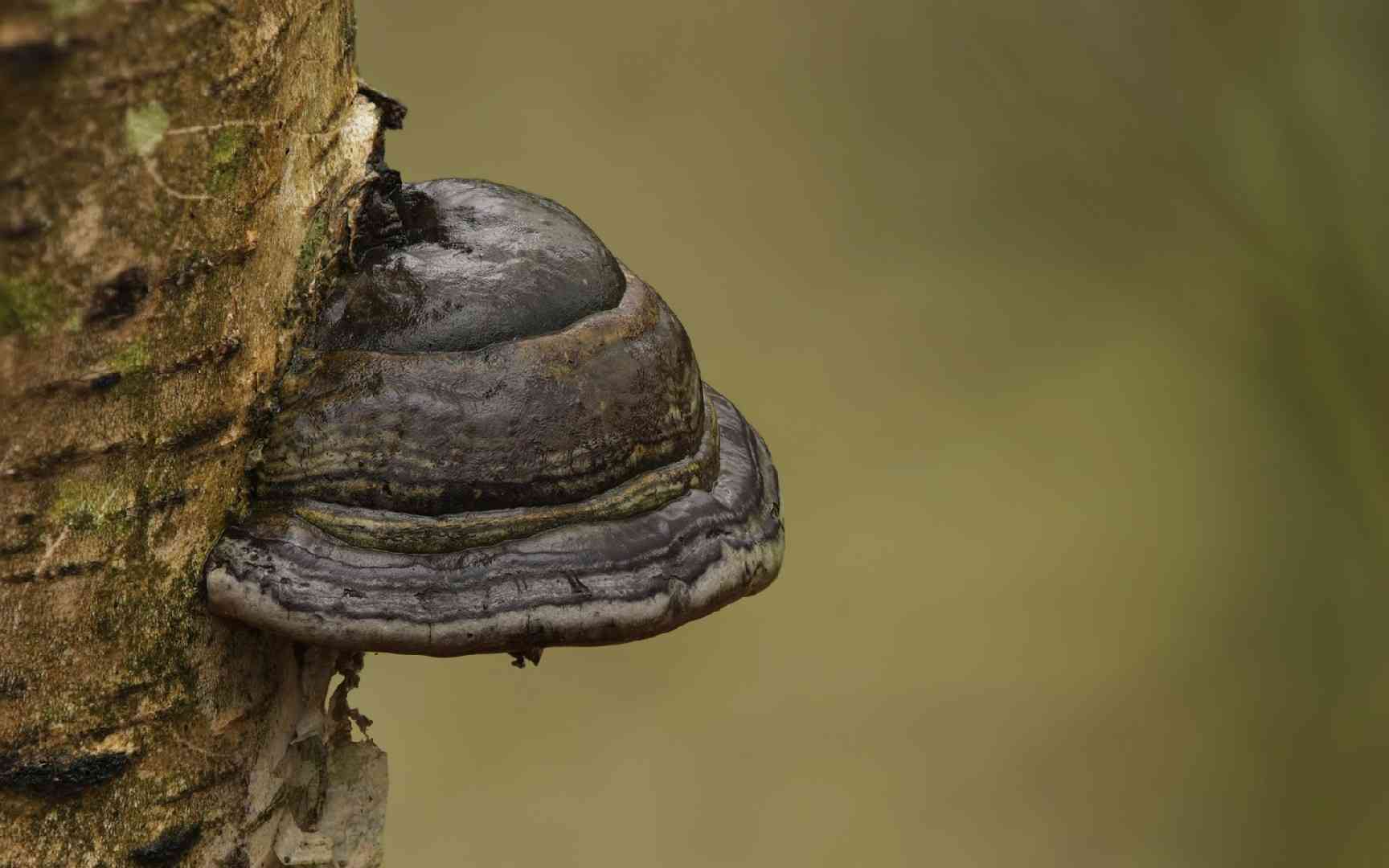
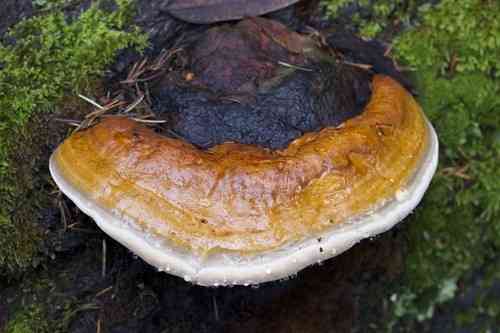
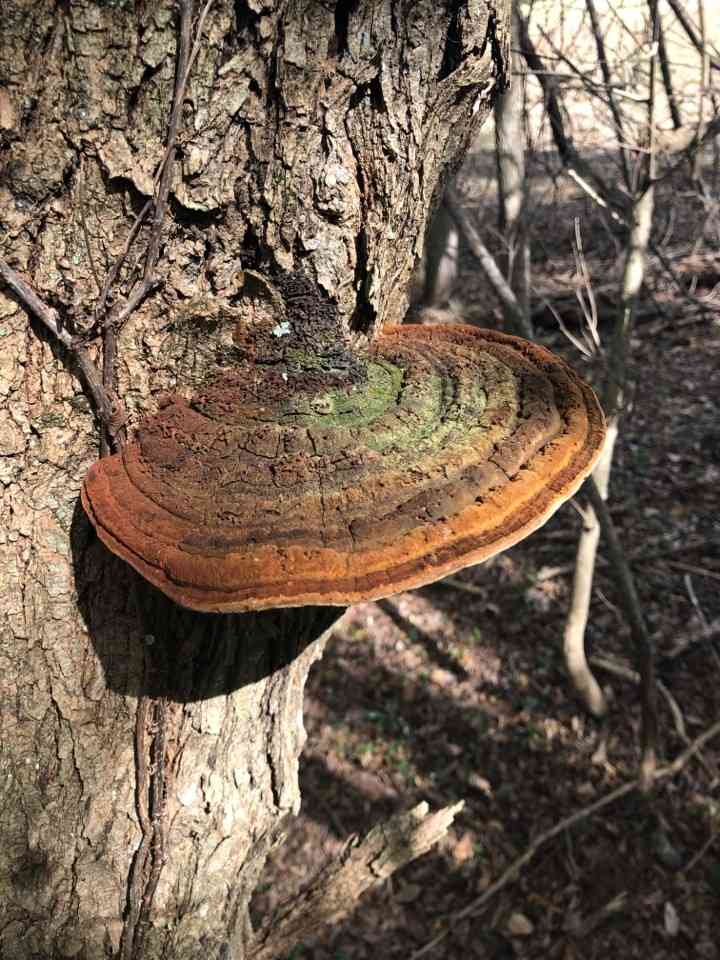
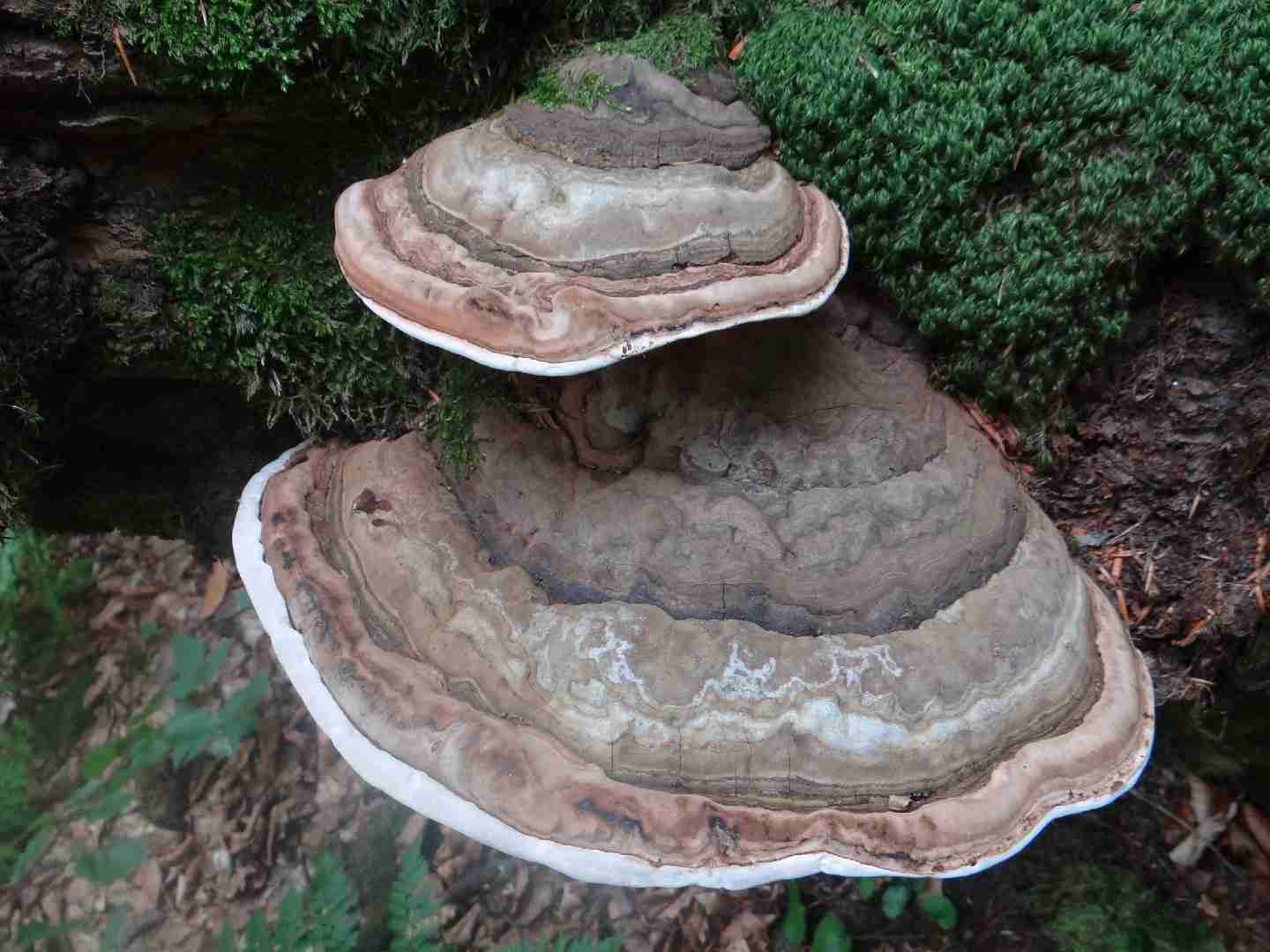
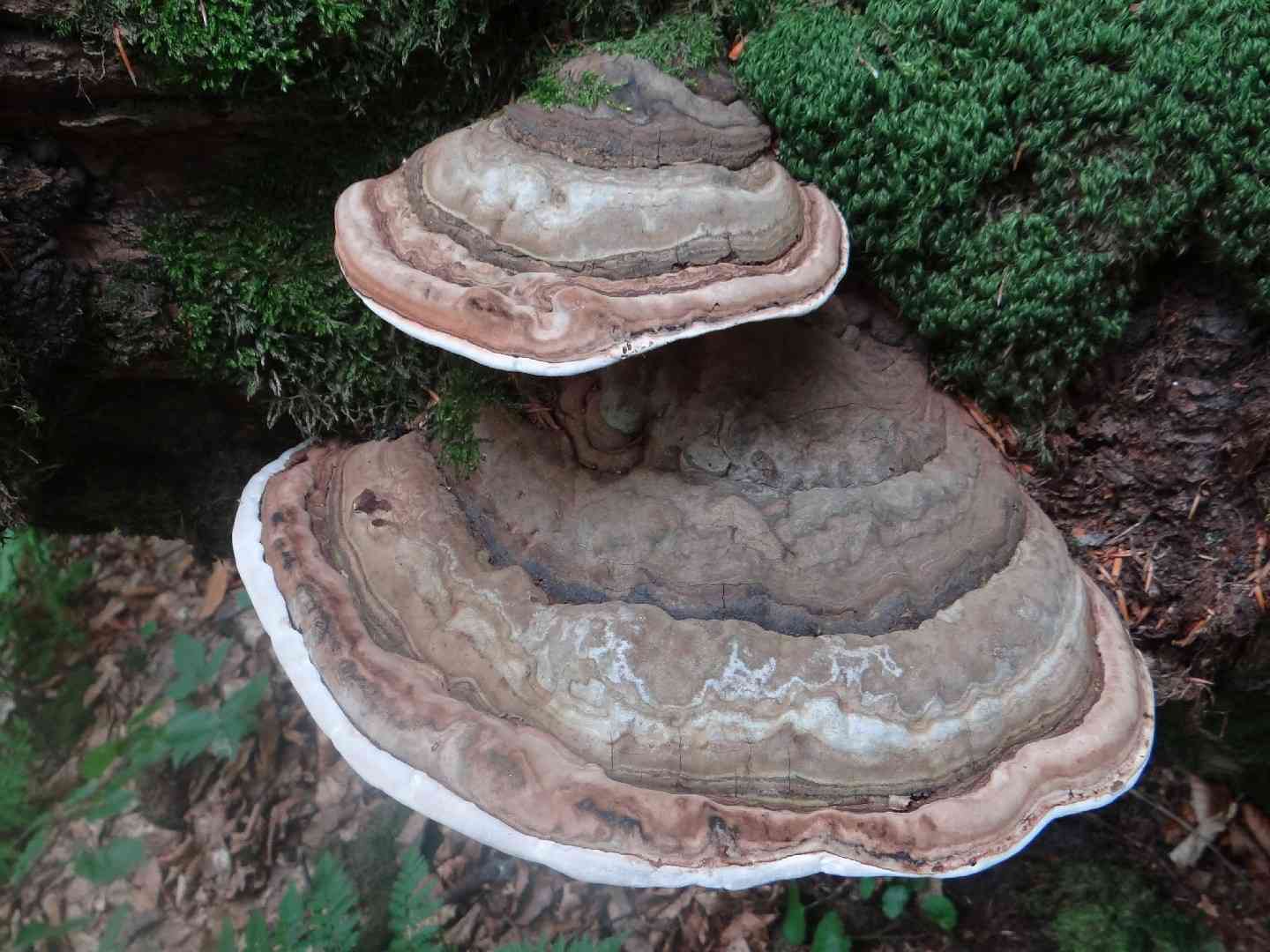
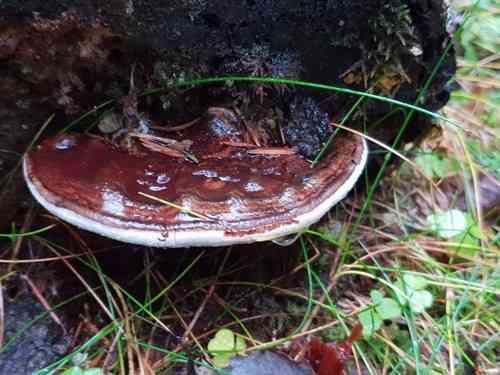
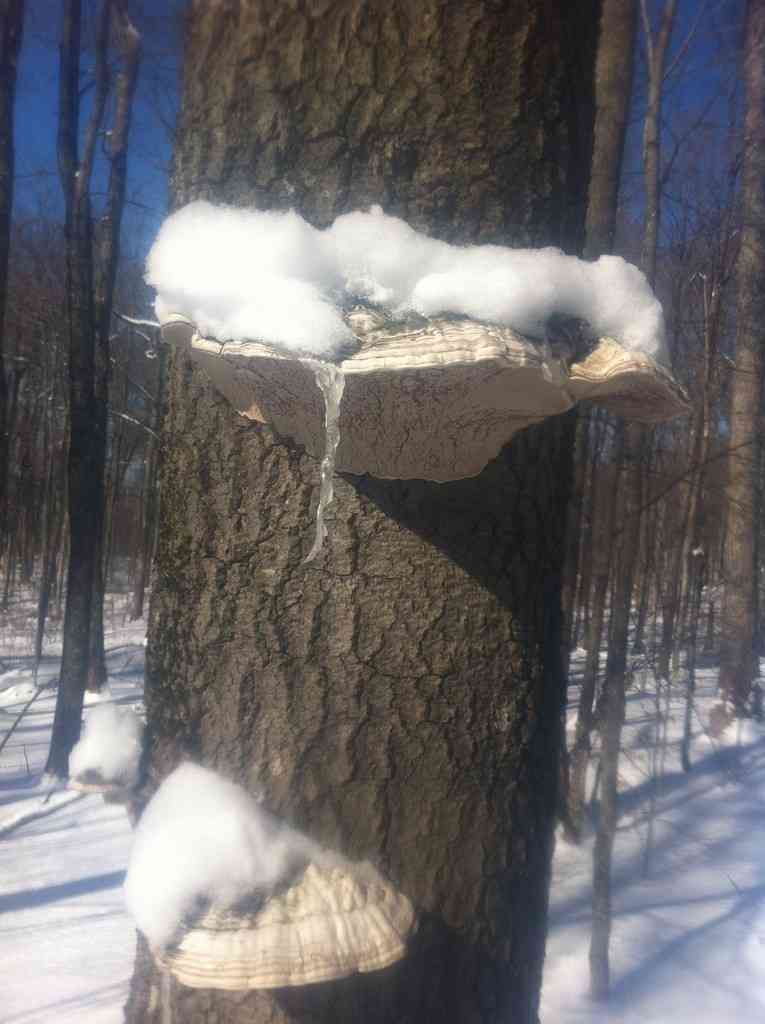
This shelf fungus, known for its longevity, can persist for multiple years and its age can be determined by the distinct growth ridges visible on its dark exterior. Artist's conk typically forms in cascading tiers near the bases of various trees like oak, beech, and conifers, as well as on decaying wood. When it disperses its spores, they create a noticeable brown dust that blankets the surrounding area. Markings made on its pale underside result in dark lines.
In This Article
Attributes of Artist's conk
Cap Diameter
10 - 30 cm
Height
5 - 30 cm
Cap
10 - 30 cm across, 8 - 14 cm deep; semicircular, irregular; brownish to grayish brown; smooth
Cap Shape
Flat
Cap Surfaces
Smooth
Stem
Stem usually absent
Flesh
Thin; woody; brown to cinnamon brown
Ring
Colored and/or textured in concentric rings
Spore Print Color
Brown
Odor
Mildly mushroomy but not distinctive.
Body Color
BrownBronzeGray
Flesh Bruises
Discolor to brown
Growth Form
Solitary, Gregarious
Nutrient Gathering
Saprophytic, Parasitic
Substrate
Dead Woods, Wood of Living Trees
You can find Artist's conk by these plants
Eastern cottonwood, Oaks
Occurence Habitats
Deciduous Woodland, Coniferous Woodland
Species Status
Common and widely distributed in North America.
Endangered Species
No
Scientific Classification of Artist's conk
Phylum
Club fungi
Class
Mushroom-forming fungi
Order
Shelf fungi
Family
Ganodermataceae
Genus
Artist's bracket and allies
Toxicity and Edibility of Artist's conk
Is Artist's conk Toxic?
Toxicity information is not available for this mushroom. Always consult with an expert before consuming any wild mushrooms.