Moss bell

Galerina hypnorum

A species of Galerina.

The precise classification of the moss bell remains undetermined. This species exhibits significant variability, and some experts suggest that Galerina hypnorum has been broadly applied to encompass numerous distinct species and forms. Given the taxonomic uncertainty and limited available data, foraging for and consuming the moss bell is ill-advised.

In This Article
Attributes Classification Toxicity

Attributes of Moss bell

ForwardPlant - ID plants and mushrooms, and learn more about them🌿

Identify and diagnose plants, get toxicity alerts, and explore safety guides for all types of fungi.

Try for Free
Cap Diameter
4 - 6 mm
Height
1 - 7 cm
Cap
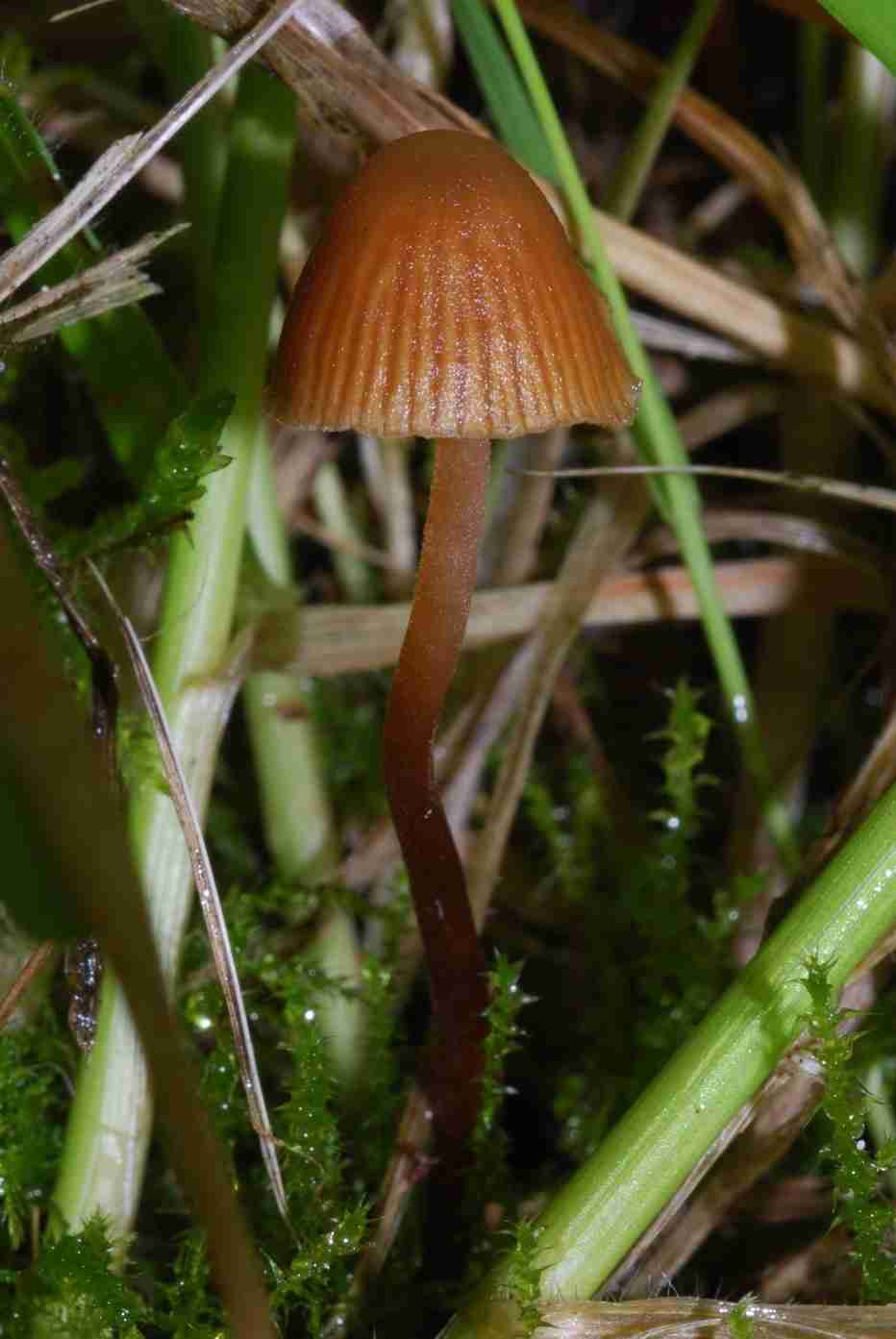
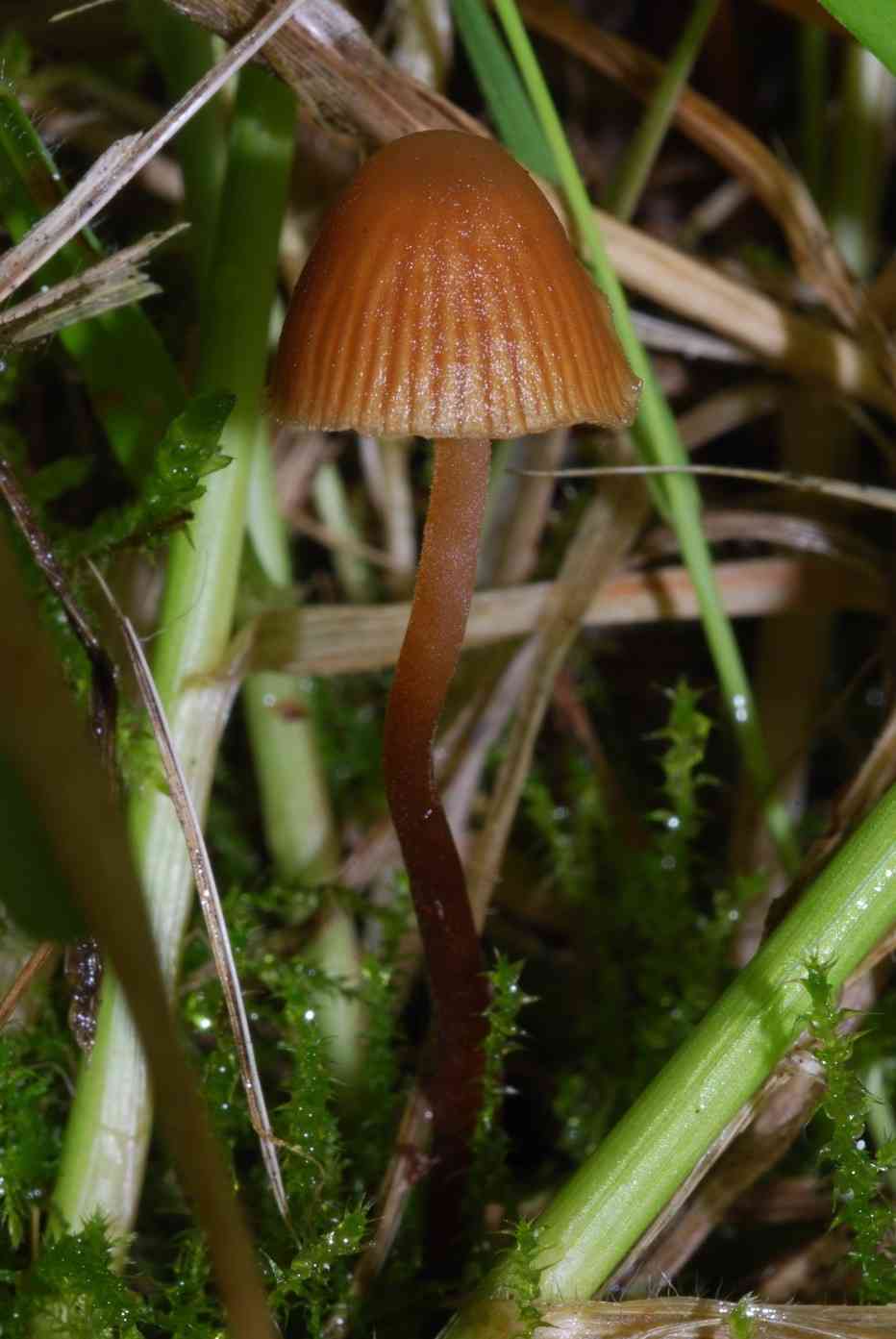
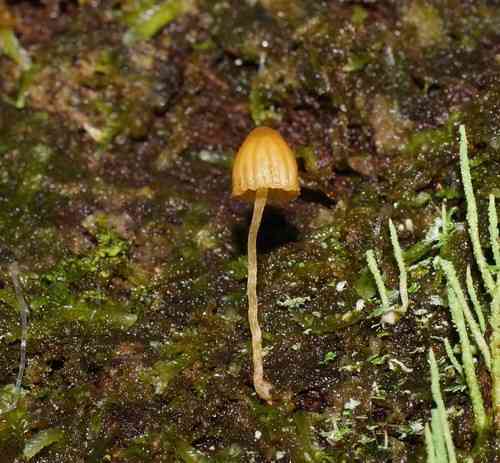
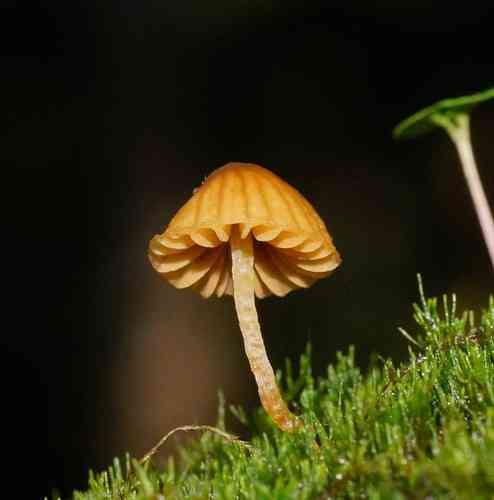
Cap width 4 - 6 mm; hemispherical, bell-shaped; orange-yellow; smooth, striate almost to the cap-centre
Cap Shape
Convex, Central Bump
Cap Surfaces
Smooth, Visible lines or stripes
Gills
Adnate; distant; yellow-tawny, rust-coloured
Gill Attachment
Attached
Stem
Stem width 1 mm, length 2 - 4 cm; similarly coloured to the cap; smooth
Stem Shapes
Cylindrical
Flesh
Thin; yellow-tawny
Ring
Ringless
Spore Print Color
Yellow brown
Odor
Mildly mushroomy, not prominent.
Body Color
YellowOrange
Flesh Bruises
The flesh or milk does not discolor when bruised or cut.
Growth Form
Scattered, Gregarious
Nutrient Gathering
Saprophytic
Substrate
On wood
You can find Moss bell by these plants
Spruces, European beech
Species Status
Only in the Northern Hemisphere
Endangered Species
No

Scientific Classification of Moss bell

ForwardPlant APP

AI mushroom expert in your pocket

Try for Free
Phylum
Club fungi
Class
Mushroom-forming fungi
Order
Gilled fungi
Family
Hymenogastraceae
Genus
Galerina
⚠️

Toxicity and Edibility of Moss bell

ForwardPlant: Identify & Forage

Your Essential Guide to Edible vs. Toxic Mushrooms. Forage with Confidence!

Try for Free

Is Moss bell Toxic?

The moss bell mushroom, known for its hepatotoxicity, commonly thrives in moss-covered areas throughout different times of the year. While it exhibits unique physical traits, misidentification with harmless species is a common risk. Consumption leads to prompt symptoms such as stomach pain and sickness, with later stages potentially resulting in cardiac arrest and severe liver impairment. Professional medical assistance is advised if accidental ingestion occurs.


Toxins type
Amatoxins, Phallotoxins, Virotoxins
Type of poisoning
Hepatotoxic
Toxic Severity
Extreme toxicity
Incubation Period
4-24 hours
Poisoning Symptoms
Early symptoms: abdominal cramps, nausea, weakness, vomiting, and dizziness, with potential for circulatory failure. Later stages: calf and abdominal cramps, hepatitis, heart failure, bloody diarrhea, and liver damage.