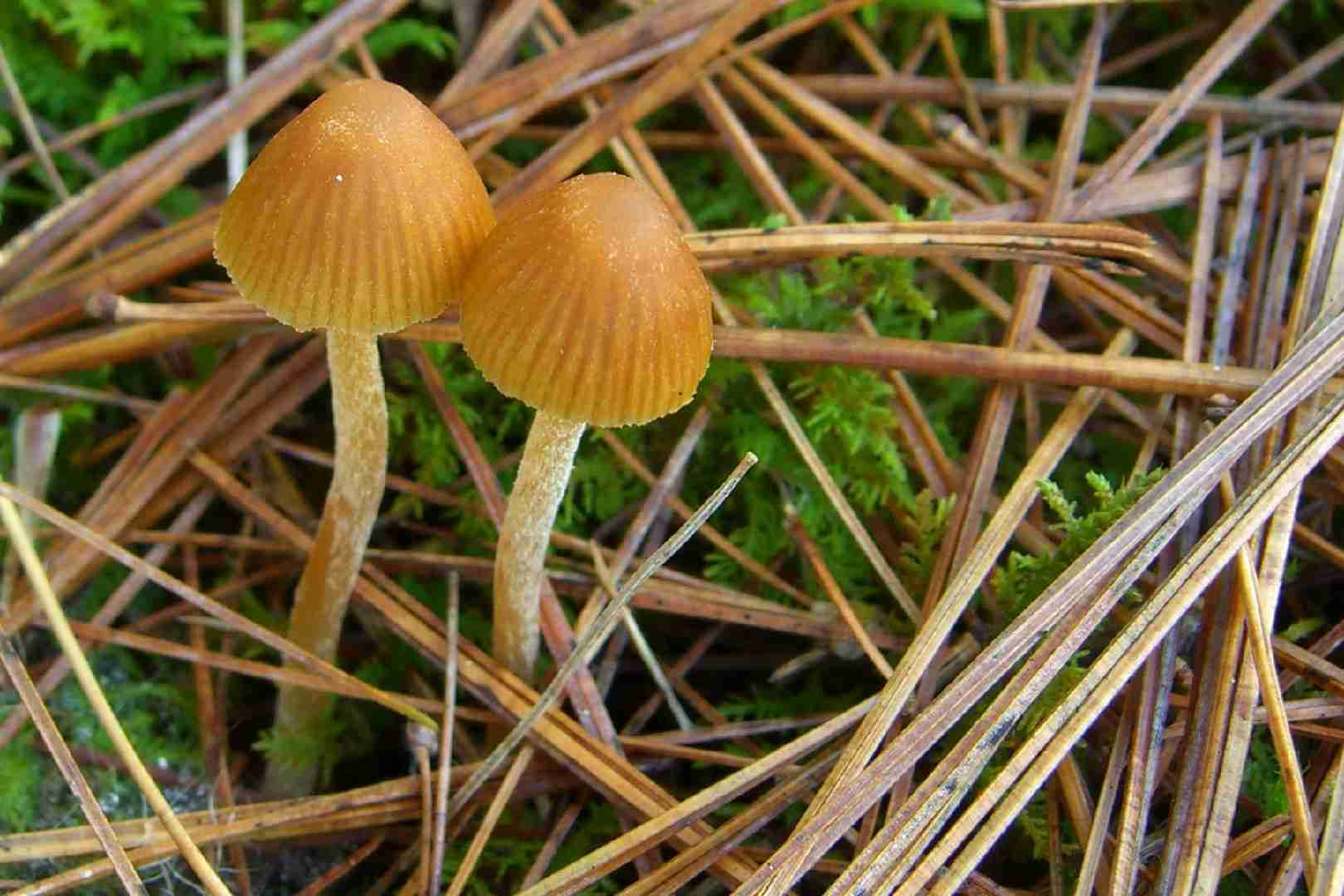
Galerina heterocystis
Galerina heterocystis
A species of Galerina.
Galerina heterocystis, a species within the Hymenogastraceae family, commonly inhabits moist or moss-rich habitats, frequently found near decomposing timber. It is characterized by its diminutive stature and remarkable resilience in colder conditions. This mushroom features a brownish cap, which serves as an effective camouflage, allowing it to blend seamlessly into its native environment and evade detection.
Attributes of Galerina heterocystis
Scientific Classification of Galerina heterocystis
Toxicity and Edibility of Galerina heterocystis
Is Galerina heterocystis Toxic?
Galerina heterocystis contains a powerful toxin that targets the liver. Ingesting it can initially cause symptoms such as fatigue, nausea, loose stools, and stomach discomfort. A period of seeming recovery might then occur, which is misleading, as more severe conditions like jaundice and liver failure can develop afterward. Given that this species currently lacks any clear identifying physical characteristics, it is crucial to exercise extreme vigilance. For safety reasons, its consumption is strictly prohibited.

