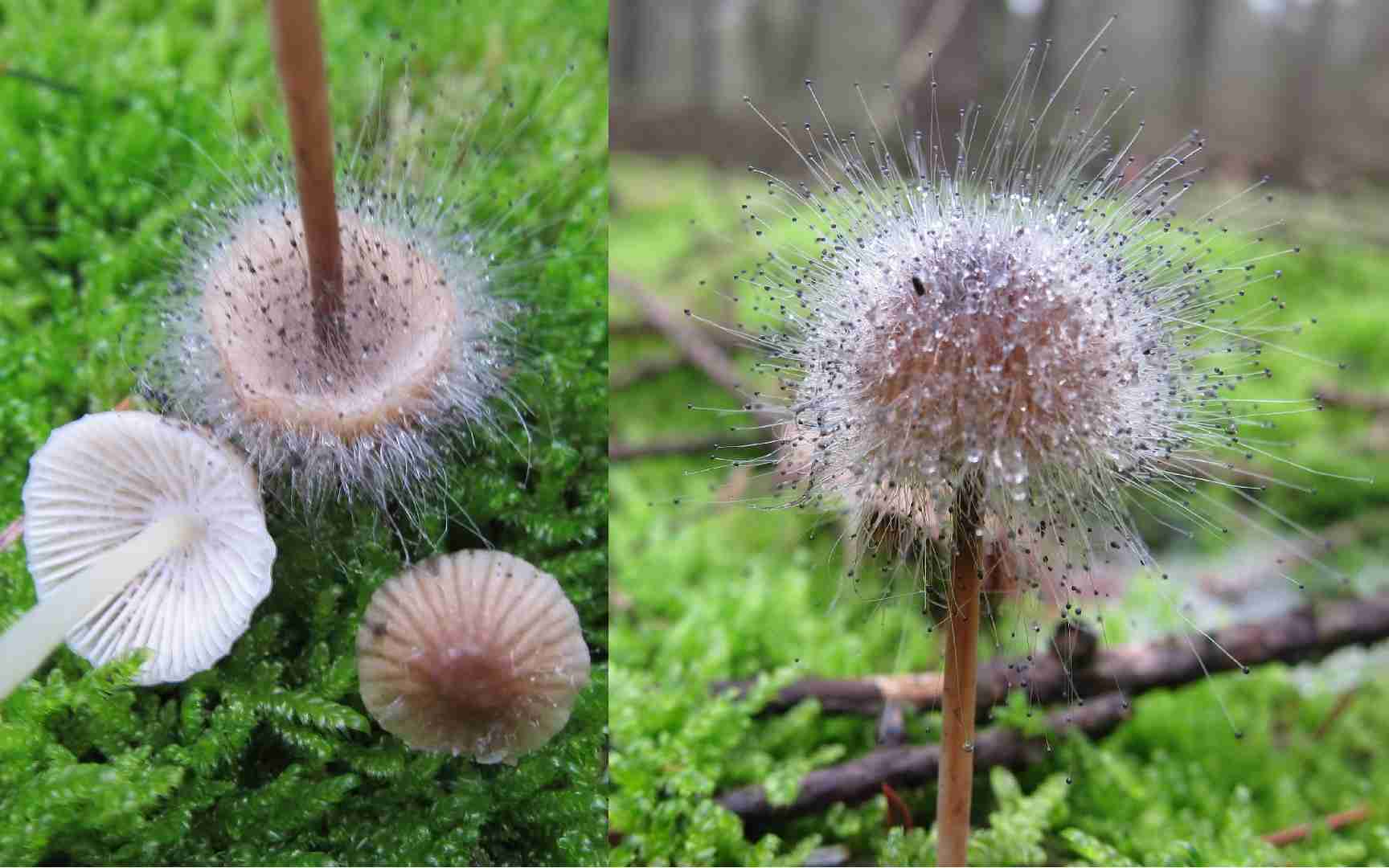
Ribbed bell

Galerina clavata

A species of Galerina.

The ribbed bell, a small and visually distinctive fungus, primarily colonizes mossy or grassy areas, frequently near decaying timber. Its characteristic appearance comes from its typically bell-shaped cap, adorned with prominent ribs. Despite its fragile aesthetic, it flourishes in cool, moist environments and is more prevalent in northerly climes.

In This Article
Attributes Classification Toxicity

Attributes of Ribbed bell

ForwardPlant - ID plants and mushrooms, and learn more about them🌿

Identify and diagnose plants, get toxicity alerts, and explore safety guides for all types of fungi.

Try for Free
Flesh Bruises
The flesh or milk does not discolor when bruised or cut.
You can find Ribbed bell by these plants
Willows, Pines

Scientific Classification of Ribbed bell

ForwardPlant APP

AI mushroom expert in your pocket

Try for Free
Phylum
Club fungi
Class
Mushroom-forming fungi
Order
Gilled fungi
Family
Hymenogastraceae
Genus
Galerina
⚠️

Toxicity and Edibility of Ribbed bell

ForwardPlant: Identify & Forage

Your Essential Guide to Edible vs. Toxic Mushrooms. Forage with Confidence!

Try for Free

Is Ribbed bell Toxic?

The ribbed bell mushroom is commonly observed across diverse environments at various times of the year. Ingesting this fungus can initially cause digestive upset, including queasiness and regurgitation, subsequently progressing to significant hepatic harm, which may culminate in liver collapse and fatality. Its unique physical characteristics differentiate it from harmless types, making it imperative to refrain from eating it.


Toxins type
Amatoxins, Phallotoxins, Virotoxins
Type of poisoning
Hepatotoxic
Toxic Severity
High toxicity
Incubation Period
6-24 hours
Poisoning Symptoms
Initial symptoms, including nausea, vomiting, abdominal pain, diarrhea, and lethargy. As liver damage advances, symptoms might progress to jaundice, liver failure, and potentially death.