Galerina Badipes

Galerina badipes

A species of Galerina.

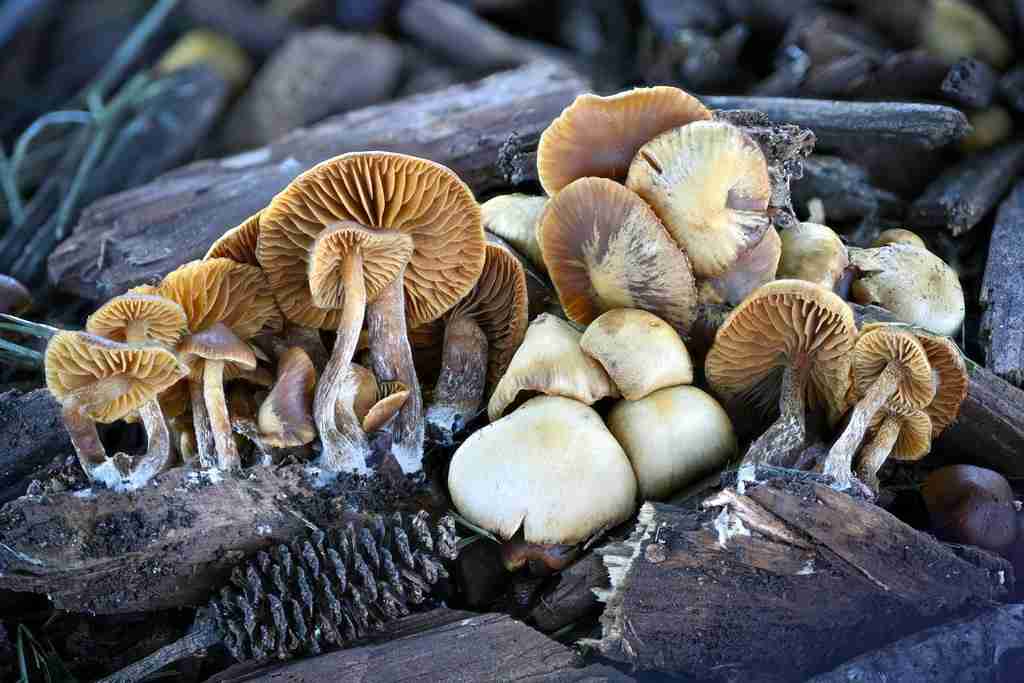
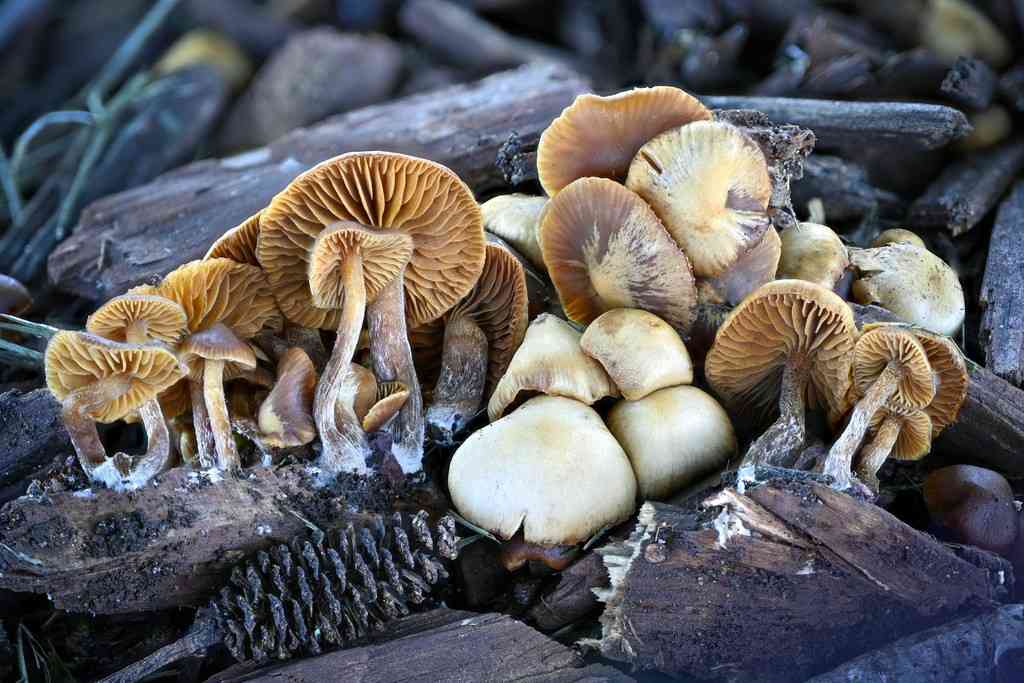
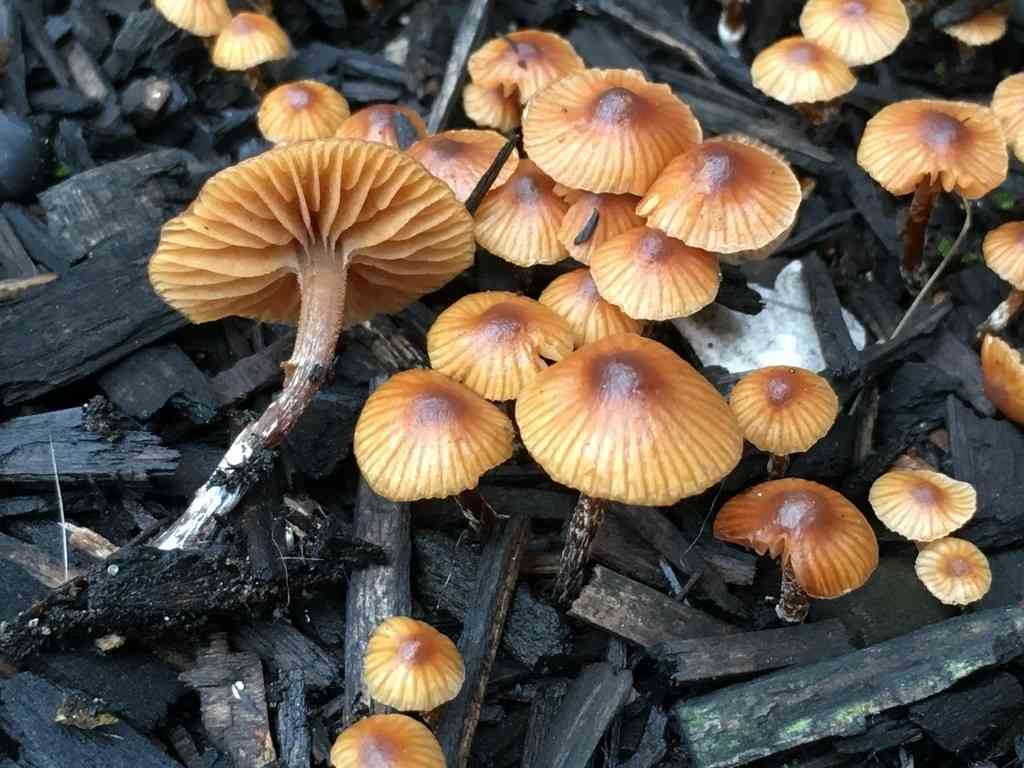
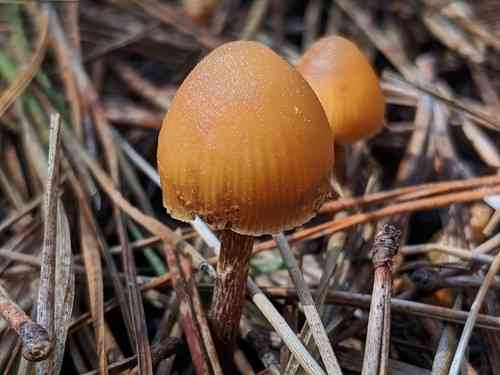
The charmingly miniature Galerina Badipes, much like the majority of its genus, truly reveals its unique characteristics when examined microscopically. Its cap, measuring between 5 and 15 mm, is notably smooth and unfurrowed, adorned with delicate remnants of a veil in its youth. The mushroom's flesh is brown and exhibits no discoloration upon slicing.

In This Article
Attributes Classification Toxicity

Attributes of Galerina Badipes

ForwardPlant - ID plants and mushrooms, and learn more about them🌿

Identify and diagnose plants, get toxicity alerts, and explore safety guides for all types of fungi.

Try for Free
Cap Diameter
4 - 16 mm
Height
2 - 3.5 cm
Cap
Cap 5 - 15 mm across; convex; yellowish, brown; margin incurved
Cap Shape
Convex
Cap Surfaces
Smooth, Slimy or slightly sticky, Visible lines or stripes
Gills
Broadly to narrowly attached; close; off-white, rusty brown; not bruising
Gill Attachment
Attached
Stem
Stem 2 - 3.5 mm long, 2 - 3 mm thick; pale brownish, darker brown
Stem Shapes
Cylindrical
Stem Surfaces
Fibrillose
Flesh
Brownish; unchanging when sliced
Ring
With Ring Zone
Spore Print Color
Rusty brown
Odor
Indistinct, typically fungal.
Body Color
BrownYellowWhite
Flesh Bruises
The flesh or milk does not discolor when bruised or cut.
Growth Form
Solitary, Gregarious
Nutrient Gathering
Saprophytic
Substrate
Dead Woods
You can find Galerina Badipes by these plants
Spruces, Pines, Sitka spruce
Occurence Habitats
Deciduous Woodland, Coniferous Woodland
Endangered Species
No

Scientific Classification of Galerina Badipes

ForwardPlant APP

AI mushroom expert in your pocket

Try for Free
Phylum
Club fungi
Class
Mushroom-forming fungi
Order
Gilled fungi
Family
Hymenogastraceae
Genus
Galerina
⚠️

Toxicity and Edibility of Galerina Badipes

ForwardPlant: Identify & Forage

Your Essential Guide to Edible vs. Toxic Mushrooms. Forage with Confidence!

Try for Free

Is Galerina Badipes Toxic?

Galina Badipes poses a serious health risk due to its hepatotoxic properties. Initial signs of ingestion often manifest as digestive discomfort, including cramps, nausea, and emesis, along with general weakness, which can progress to compromised circulation. As the illness advances, more severe complications such as inflammation of the liver, cardiac arrest, and liver destruction are probable. Careful observation of its unique physical characteristics is crucial for distinguishing it from harmless species.


Toxins type
Amatoxins, Phallotoxins, Virotoxins
Type of poisoning
Hepatotoxic
Toxic Severity
High toxicity
Incubation Period
4-24 hours
Poisoning Symptoms
Early symptoms: abdominal cramps, nausea, weakness, vomiting, and dizziness, with potential for circulatory failure. Later stages: calf and abdominal cramps, hepatitis, heart failure, bloody diarrhea, and liver damage.