Salmon pinkgill
Entoloma quadratum
A species of Pinkgills.
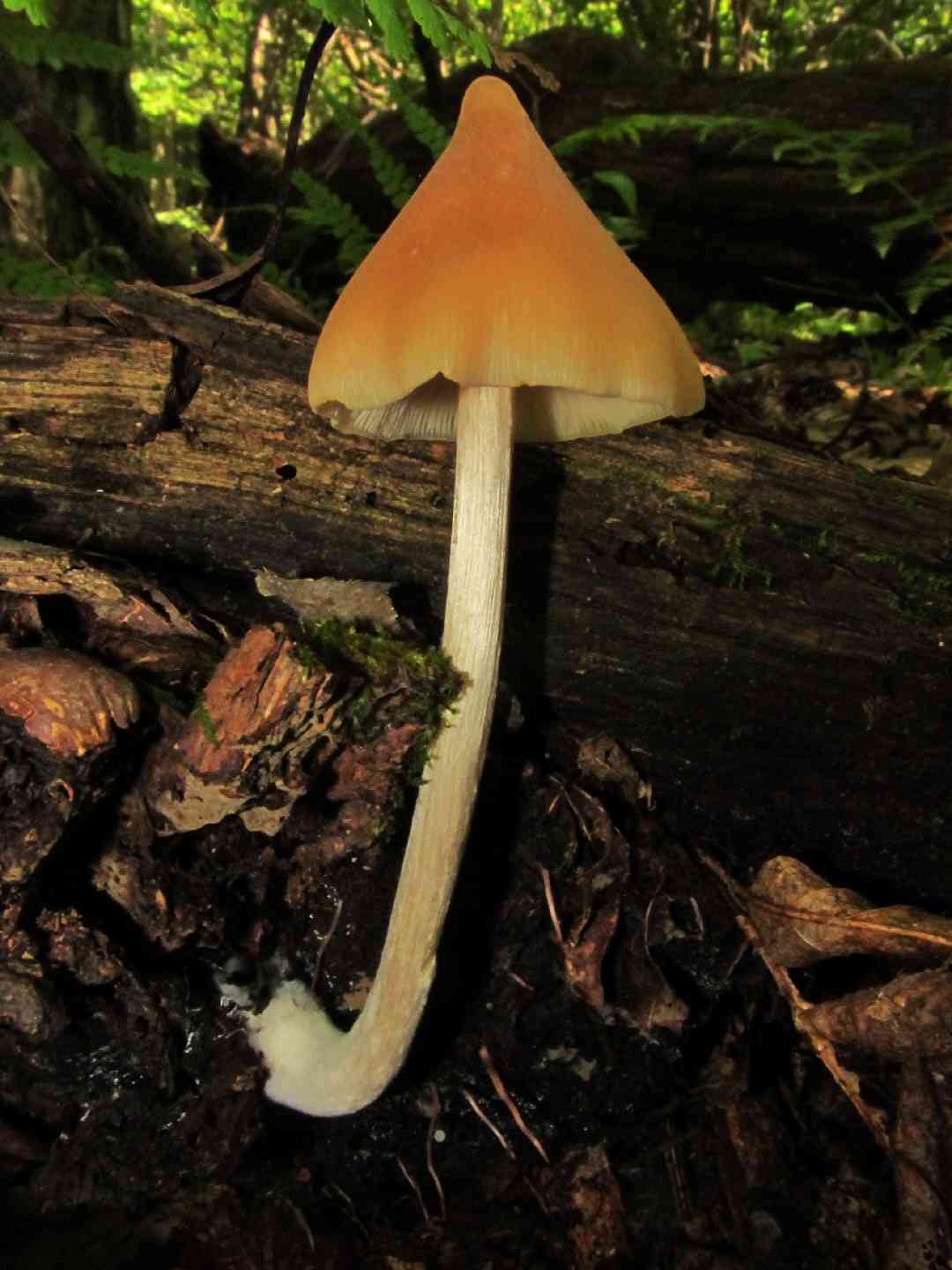
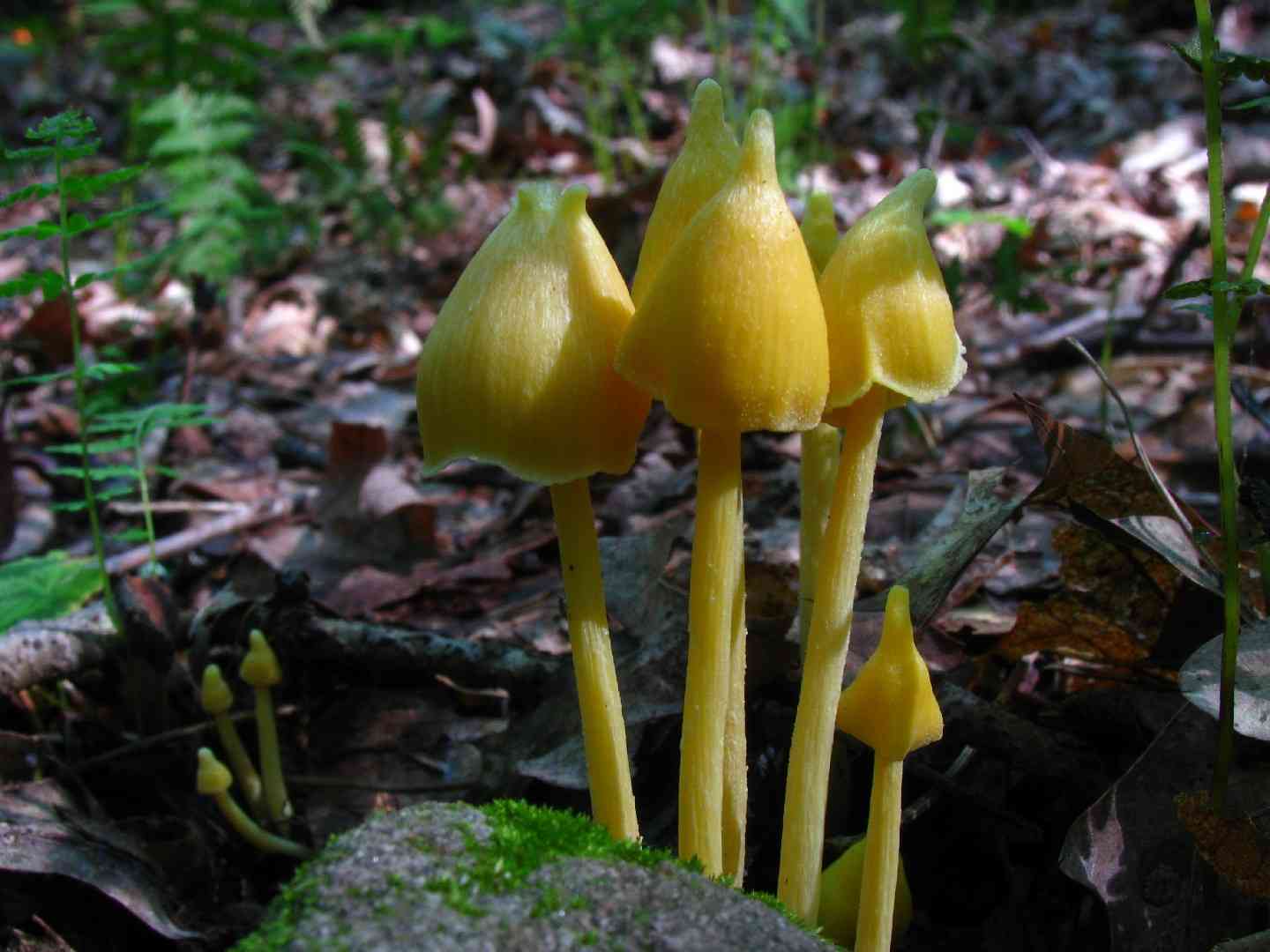
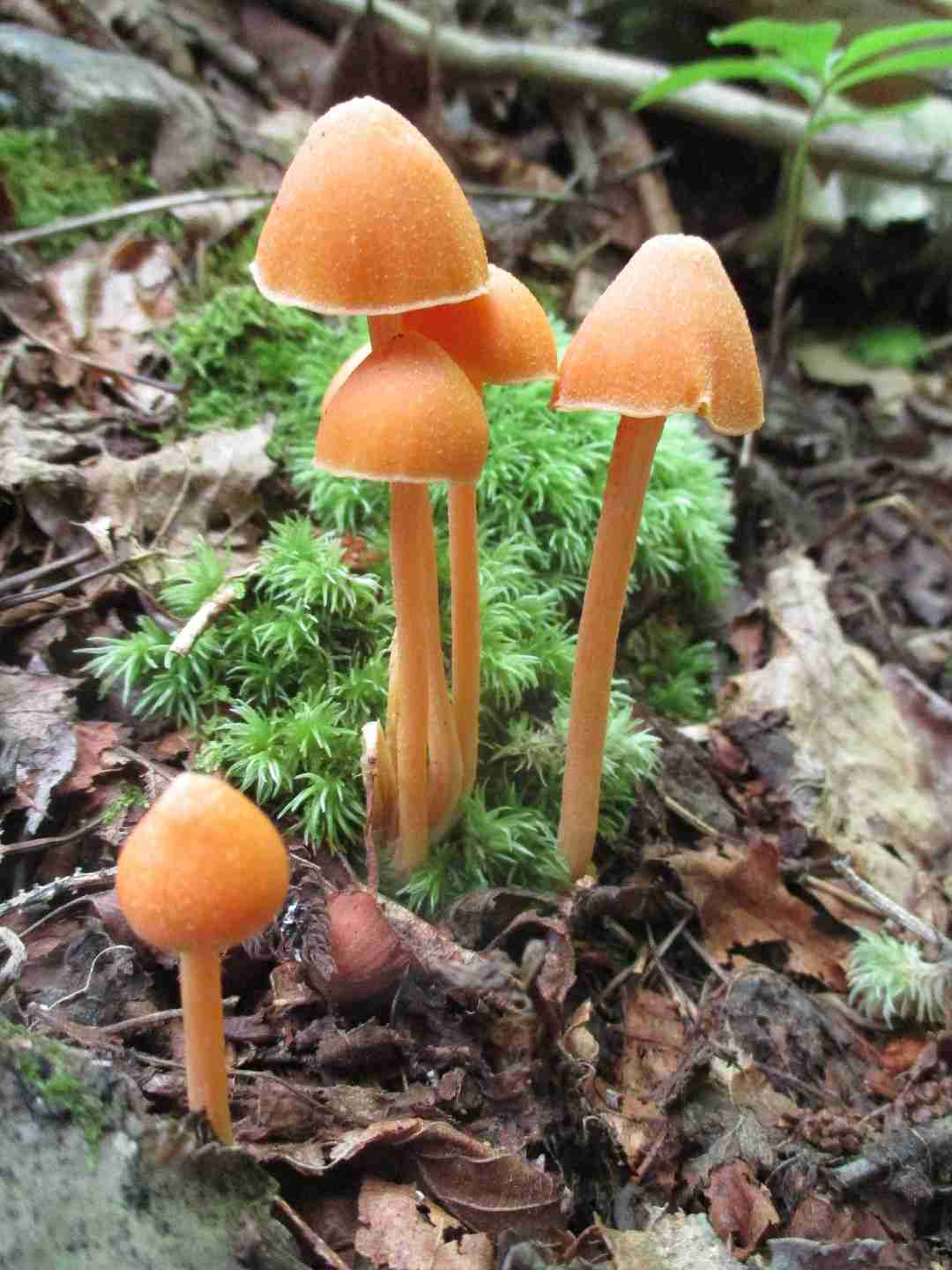
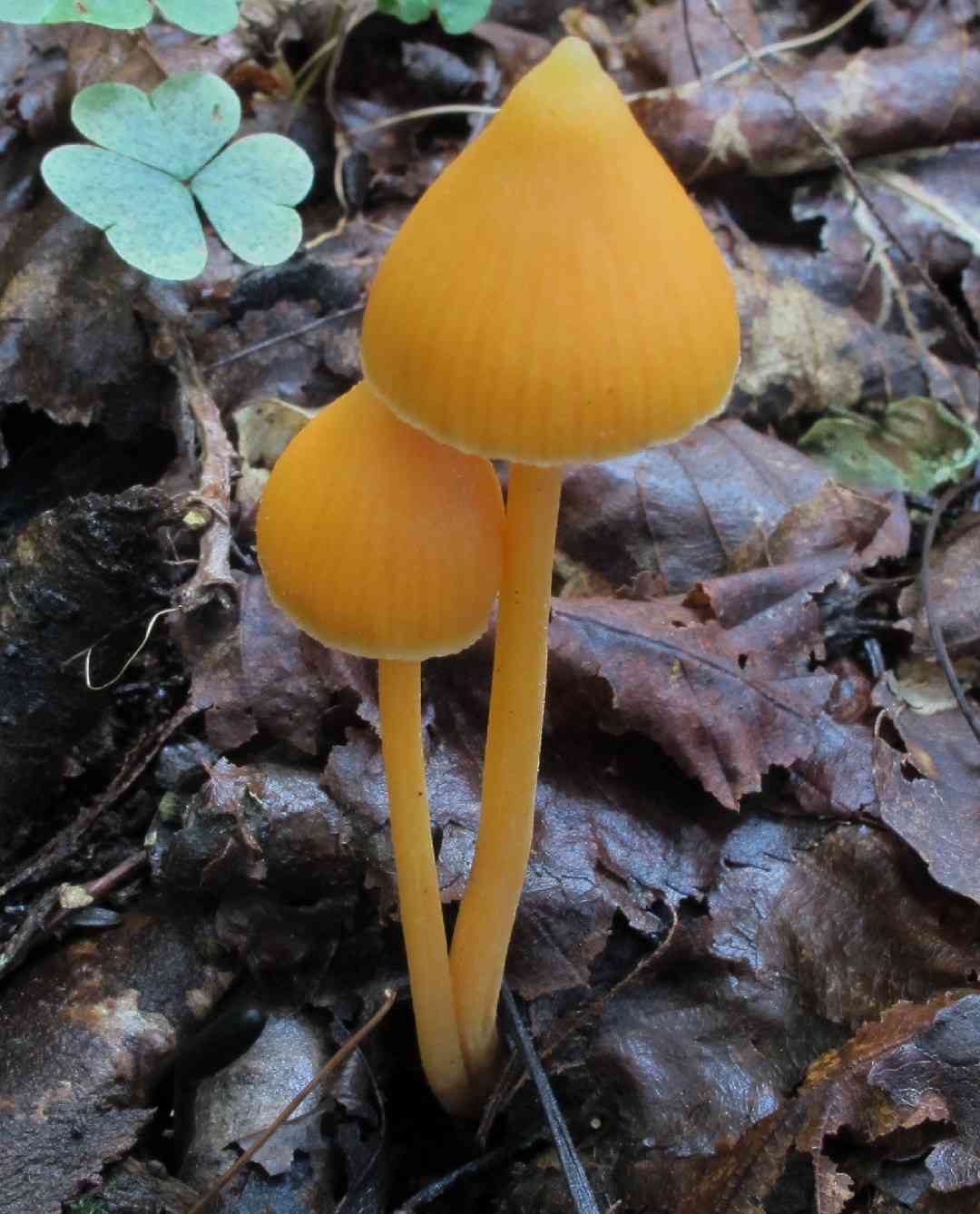
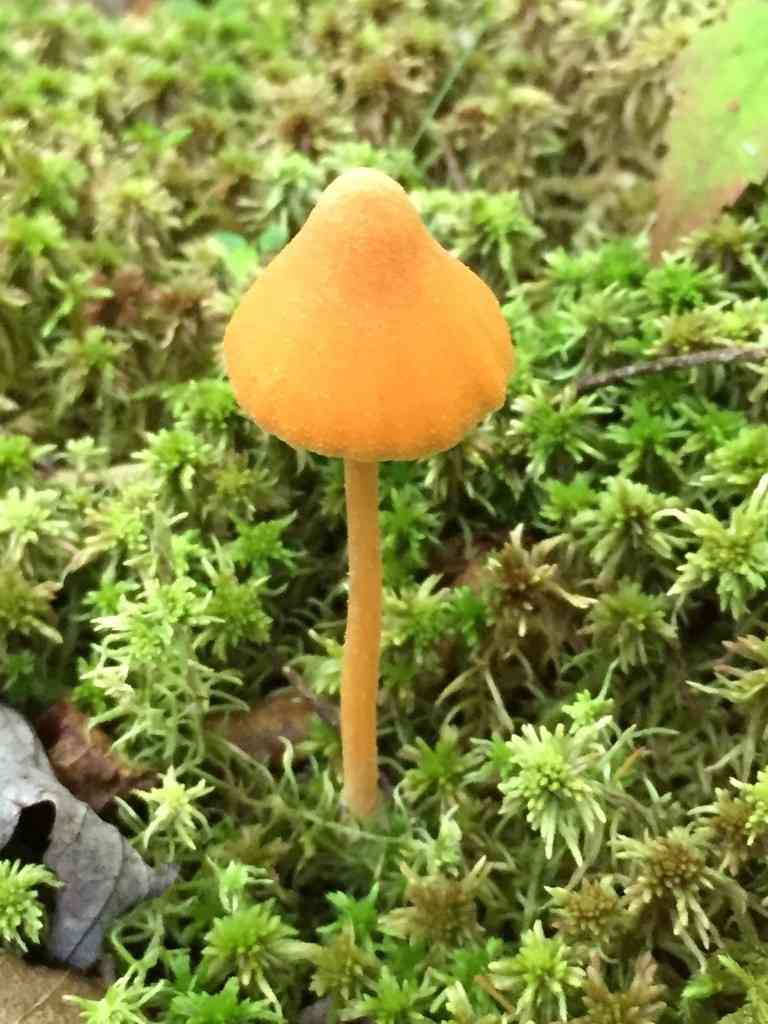
Entoloma quadratum, or the salmon pinkgill, stands out with its distinctive sharp, salmon-pink cap, though this vibrant hue tends to soften as it ages. Despite its appealing appearance, this particular mushroom is recognized as poisonous and is therefore unsuitable for foraging and consumption.
In This Article
Attributes of Salmon pinkgill
Cap Diameter
1 - 3 cm
Height
4 - 12 cm
Cap
Cap 1 - 3 cm; conical or bell-shaped; orangish or dirty yellowish; bald, sticky when fresh
Cap Shape
Bell-shaped, Central Bump
Cap Surfaces
Smooth, Slimy or slightly sticky, Visible lines or stripes
Gills
Adnexed; distant or nearly so; salmon-pink, even when old
Gill Attachment
Attached
Stem
Stem 4 - 10 cm long, 2 mm thick; hollow, fragile; colored like the cap, or with a greenish tinge; bald, smooth
Stem Shapes
Cylindrical
Stem Surfaces
Smooth
Flesh
Thin; fragile; colored like the cap, or paler
Ring
Ringless
Spore Print Color
Pink
Odor
Mildly mushroomy but not distinctive.
Body Color
GreenYellowOrange
Flesh Bruises
The flesh or milk does not discolor when bruised or cut.
Growth Form
Solitary, Gregarious, Scattered
Nutrient Gathering
Saprophytic
Substrate
On soil, Mosses, Dead Woods
Occurence Habitats
Coniferous Woodland
Species Status
Apparently widely distributed in eastern North America
Endangered Species
No
Scientific Classification of Salmon pinkgill
Phylum
Club fungi
Class
Mushroom-forming fungi
Order
Gilled fungi
Family
Entolomataceae
Genus
Pinkgills
Toxicity and Edibility of Salmon pinkgill
Is Salmon pinkgill Toxic?
Given the absence of extensive study and the potential for adverse effects, consuming the salmon pinkgill mushroom is not recommended. It's well-established that numerous Entoloma species are poisonous, leading to symptoms such as stomach discomfort, loose stools, sickness, and head pain.