Mousepee pinkgill

Entoloma incanum

A species of Pinkgills.

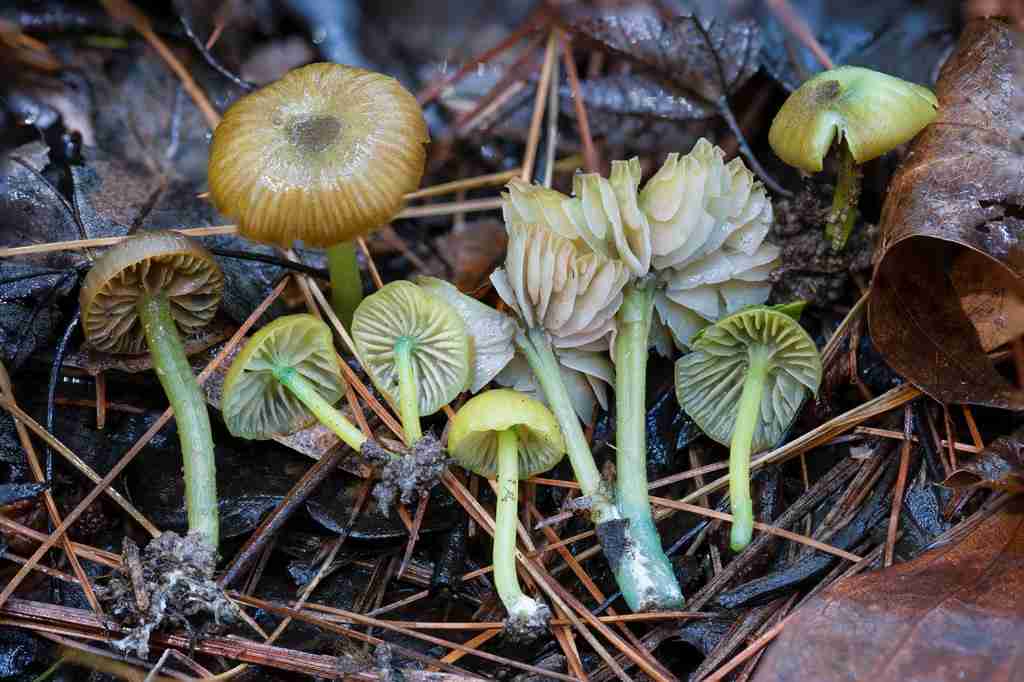
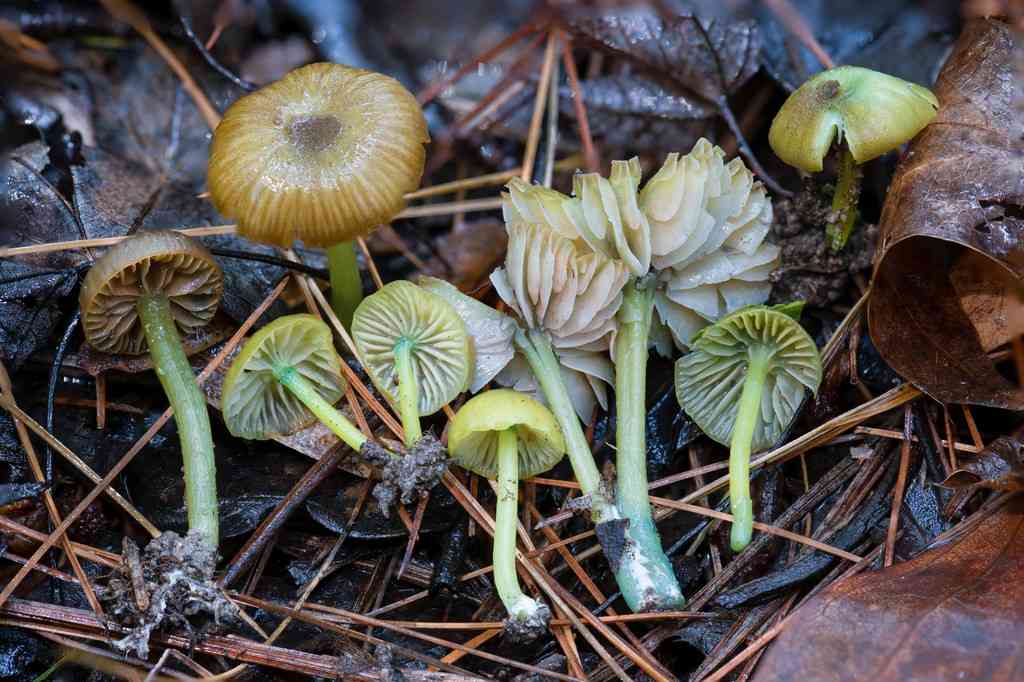
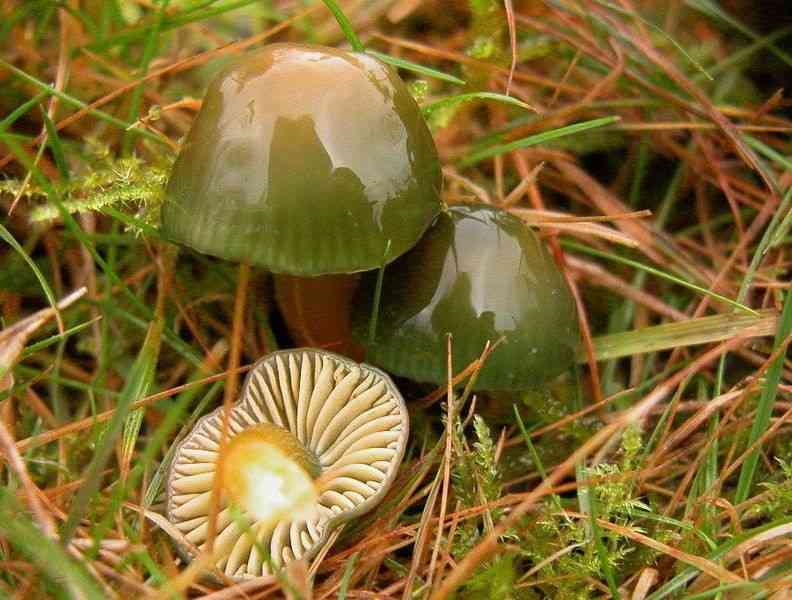
The mousepee pinkgill, an unusually verdant fungus, is readily identified by its distinctive aroma, often likened to that of captive mice. This species typically thrives within the leaf litter of varied woodlands and appears to favor disrupted habitats. While it shares a visual resemblance with the licorice-scented Clitocybe odora, it is crucial to note that the mousepee pinkgill has been implicated in potential toxicity and, therefore, should not be ingested.

In This Article
Attributes Classification Toxicity Similar Mushrooms

Attributes of Mousepee pinkgill

ForwardPlant - ID plants and mushrooms, and learn more about them🌿

Identify and diagnose plants, get toxicity alerts, and explore safety guides for all types of fungi.

Try for Free
Cap Diameter
1 - 4 cm
Height
2 - 8 cm
Cap
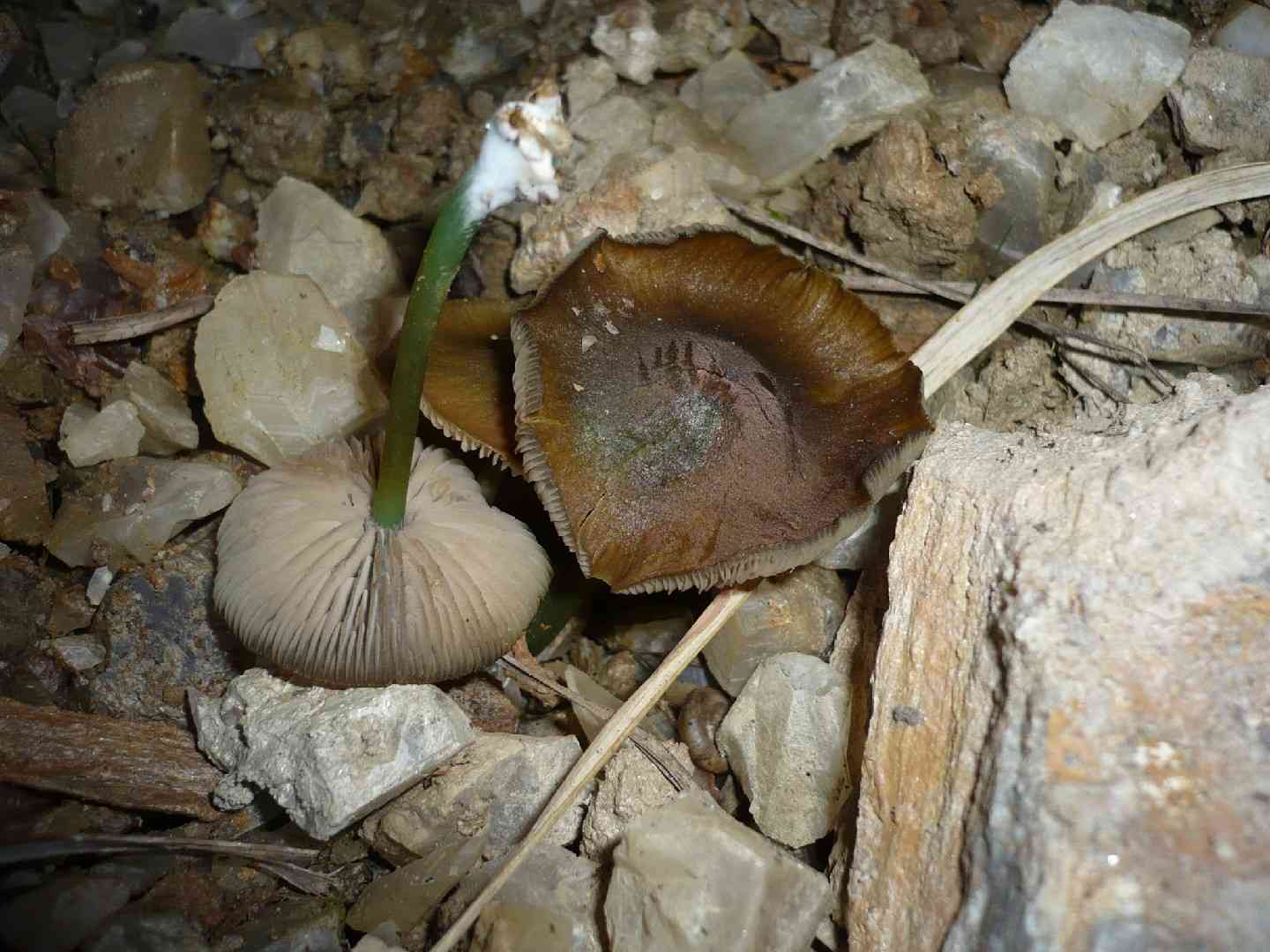
Cap 1 - 5 cm; convex; green, then greenish, yellowish, or brownish; dry to greasy; the margin becoming lined
Cap Shape
Convex, Depressed
Cap Surfaces
Smooth, Visible lines or stripes
Gills
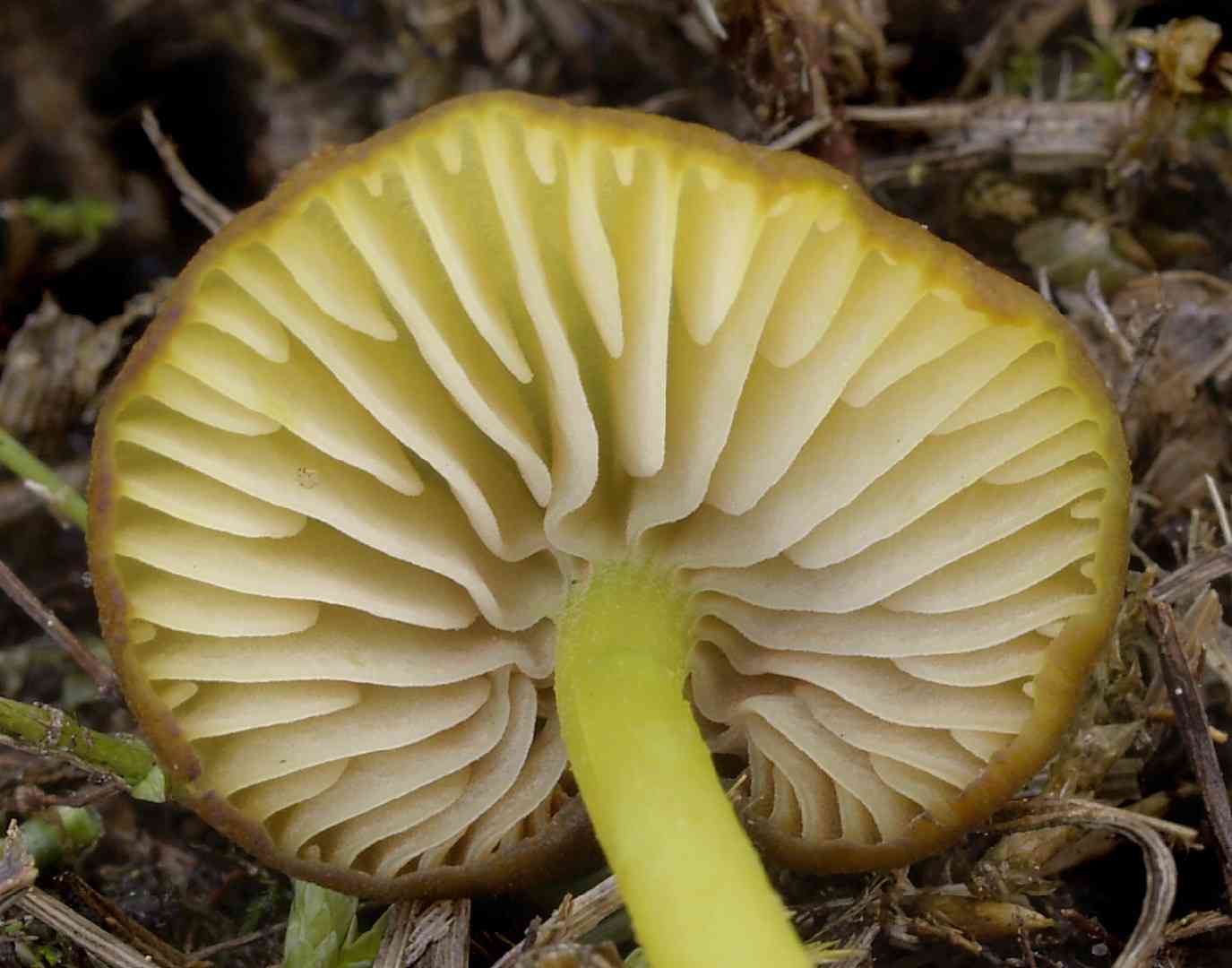
Attached; nearly distant; whitish or colored like the cap, pink; bruising green to blue-green
Gill Attachment
Attached
Stem
Stem 2 - 6 cm long, 1 - 4 mm thick; equal, hollow; colored like the cap; dry or greasy, bald, smooth; bruising darker green to blue-green
Stem Shapes
Cylindrical
Stem Surfaces
Fibrillose
Flesh
Thin; fragile; yellowish to greenish; darkening to dark green or blue-green when bruised
Ring
Ringless
Spore Print Color
Salmon-pink
Odor
Mildly musty, similar to mice.
Body Color
BrownGreenYellow
Flesh Bruises
Discolor to blue
Growth Form
Solitary, Scattered, Gregarious
Nutrient Gathering
Saprophytic
Substrate
On soil, Leaf or Needle Litter
You can find Mousepee pinkgill by these plants
Willows
Occurence Habitats
Deciduous Woodland, Coniferous Woodland, Meadows
Species Status
Fairly widely distributed east of the Great Plains
Endangered Species
No

Scientific Classification of Mousepee pinkgill

ForwardPlant APP

AI mushroom expert in your pocket

Try for Free
Phylum
Club fungi
Class
Mushroom-forming fungi
Order
Gilled fungi
Family
Entolomataceae
Genus
Pinkgills
⚠️

Toxicity and Edibility of Mousepee pinkgill

ForwardPlant: Identify & Forage

Your Essential Guide to Edible vs. Toxic Mushrooms. Forage with Confidence!

Try for Free

Is Mousepee pinkgill Toxic?

The pinkgill mushroom, known by its scientific name Mousepee, poses significant health risks to humans due to its toxicity. Ingestion can lead to a range of adverse gastrointestinal symptoms, such as indigestion, as well as neurological effects like dizziness, visual disturbances, and problems with blood circulation. This species possesses distinct physical traits that allow for its identification. Nevertheless, given its poisonous nature, it must never be consumed. It is commonly encountered during particular times of the year, thriving in specific environments and under certain growth conditions.

Type of poisoning
Gastrointestinal
Toxic Severity
Low to high toxicity
Incubation Period
0.5-6 hours
Poisoning Symptoms
Digestive issues, vertigo, vision complications, blood circulation troubles.

More Mushrooms That Are Similar to Mousepee pinkgill
