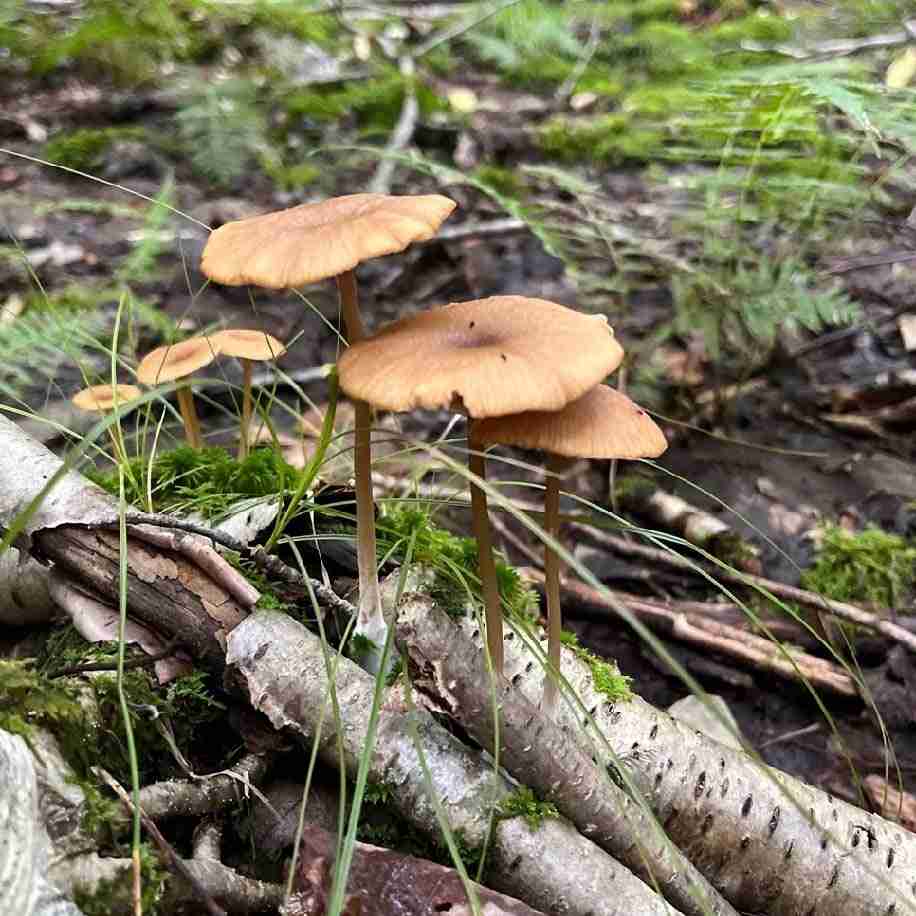
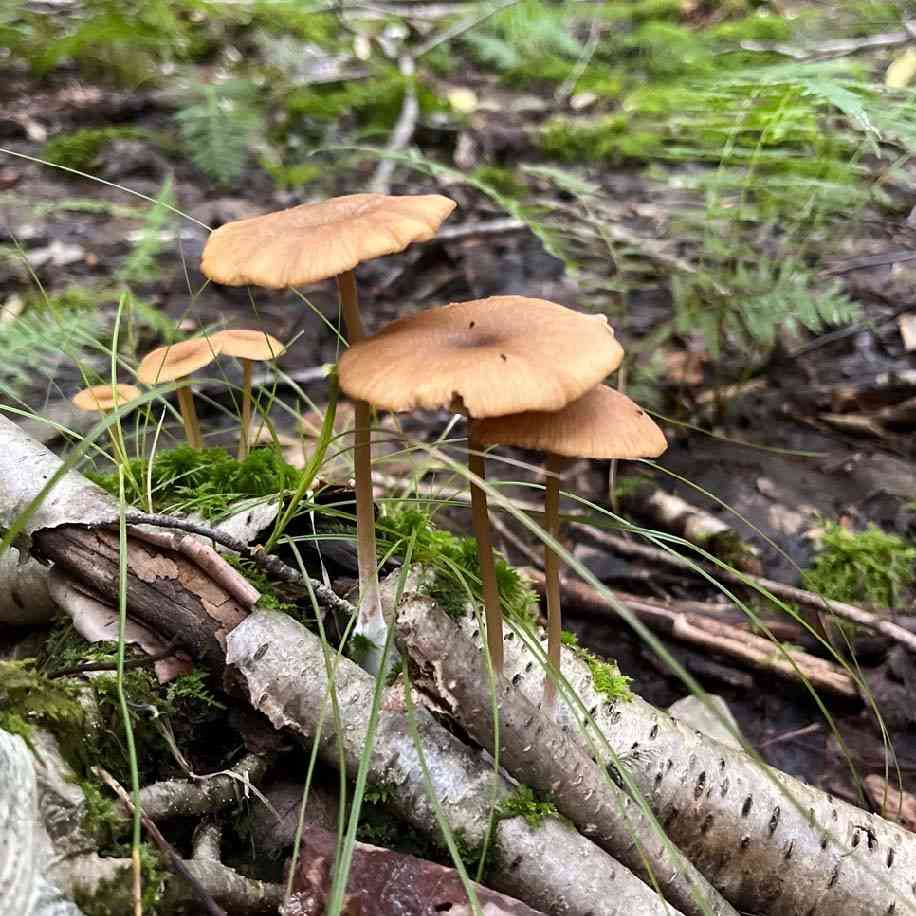
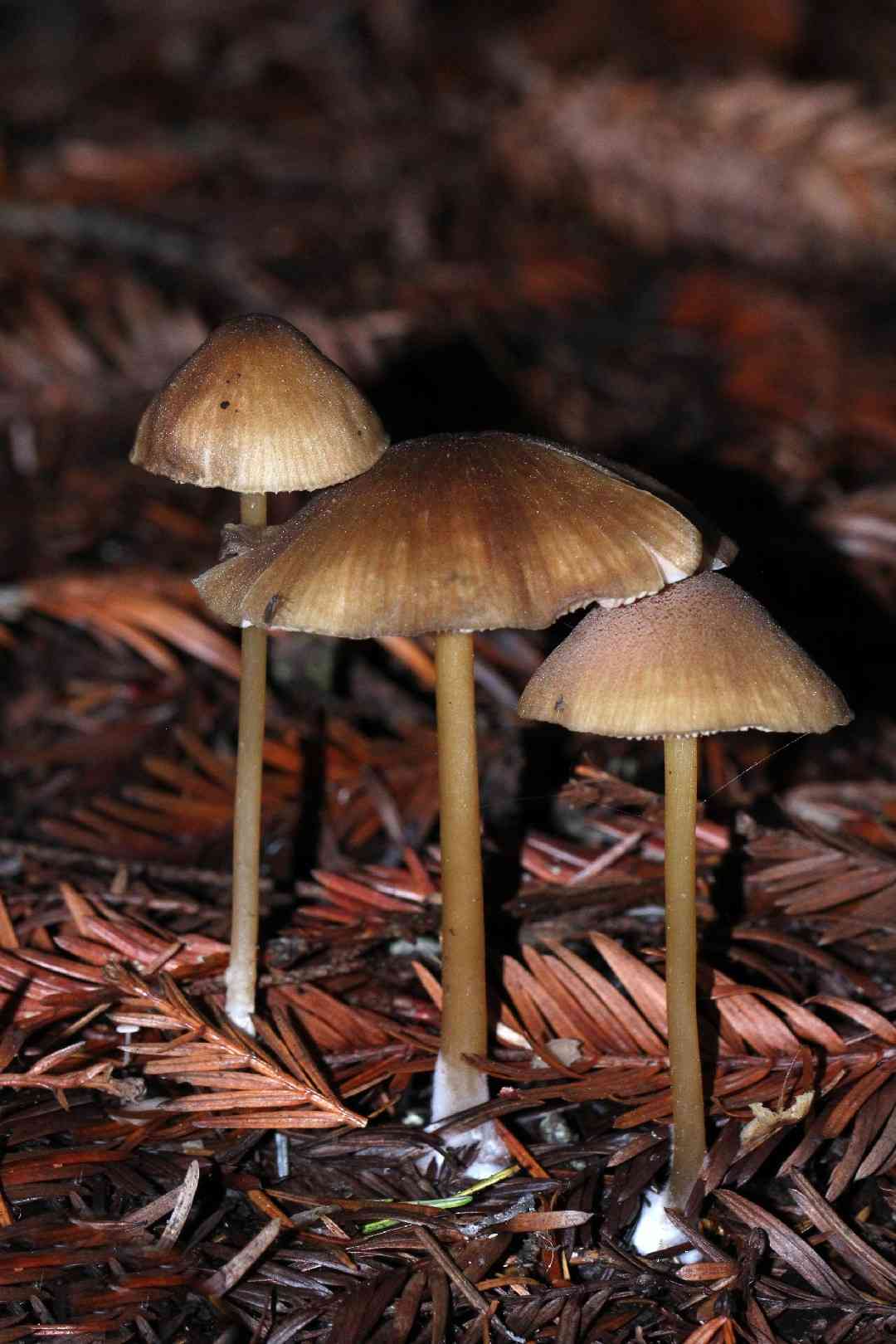
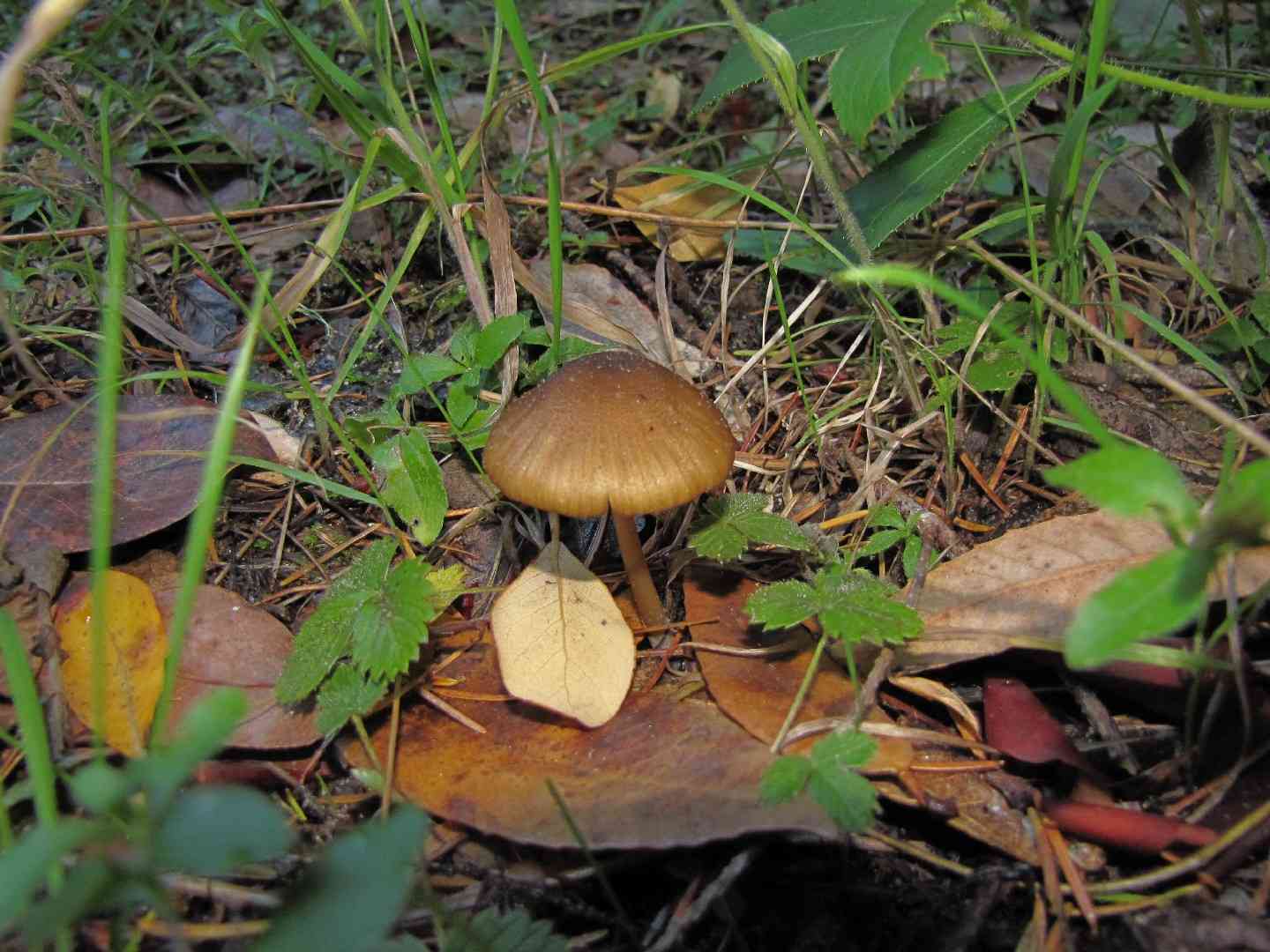
Pretty pinkgill

Entoloma formosum

A species of Pinkgills.

The pretty pinkgill is an uncommon Entoloma mushroom. Its genus name, meaning within the hem, refers to the characteristic inward-curving edge that surrounds its gills. The species epithet, formosum, originates from a Latin term signifying beautiful or aesthetic.

In This Article
Attributes Classification Toxicity

Attributes of Pretty pinkgill

ForwardPlant - ID plants and mushrooms, and learn more about them🌿

Identify and diagnose plants, get toxicity alerts, and explore safety guides for all types of fungi.

Try for Free
Cap Diameter
1 - 7 cm
Cap
Cap 1 - 5 cm; conical-convex or plane; yellow or copper color; brown erect scaly over center; margin striate-lined
Cap Shape
Flat, Depressed
Cap Surfaces
Fibrillose-scaly, Visible lines or stripes
Gills
Adnate, shortly decurrent; close or subdistant, broad; white at first or pale cream, soon pink
Gill Attachment
Attached
Stem
Stem 2.5 - 10 cm long, 1 - 4 mm broad; equal; yellow or brown; glabrous, smooth
Stem Shapes
Cylindrical
Flesh
Thin; white
Ring
Ringless
Spore Print Color
Flesh pink
Odor
Mildly mushroomy but not distinctive.
Body Color
BrownYellowBronze
Flesh Bruises
The flesh or milk does not discolor when bruised or cut.
Growth Form
Solitary, Scattered, Gregarious
Substrate
On soil
You can find Pretty pinkgill by these plants
Black alder, Spruces, Sycamore
Species Status
Range widespread
Endangered Species
No

Scientific Classification of Pretty pinkgill

ForwardPlant APP

AI mushroom expert in your pocket

Try for Free
Phylum
Club fungi
Class
Mushroom-forming fungi
Order
Gilled fungi
Family
Entolomataceae
Genus
Pinkgills
⚠️

Toxicity and Edibility of Pretty pinkgill

ForwardPlant: Identify & Forage

Your Essential Guide to Edible vs. Toxic Mushrooms. Forage with Confidence!

Try for Free

Is Pretty pinkgill Toxic?

The attractive pinkgill mushroom is recognized for possessing gastrointestinal toxins, rendering it dangerous if consumed. Common reactions include problems with digestion, dizziness, visual disturbances, and impaired blood circulation. Accurate identification of this mushroom is vital due to its poisonous nature. Detailed information regarding its specific habitat, unique features, and optimal seasons for growth is available in reputable mycological literature.


Type of poisoning
Gastrointestinal
Toxic Severity
Low to high toxicity
Incubation Period
0.5-6 hours
Poisoning Symptoms
Digestive issues, vertigo, vision complications, blood circulation troubles.