Stump pinkgill
Entoloma euchroum
A species of Pinkgills.
The Pluteus ephebeus mushroom thrives primarily on deteriorating timber, frequently observed colonizing the remnants of deciduous trees. Its appearance typically spans from late summer through autumn. A defining characteristic of this fungus is its unique pinkish gill hue, aiding in its recognition. It features a cap ranging from small to medium in size and favors shaded, moist habitats. Its existence signifies an active contribution to the natural process of decomposition.
In This Article
Attributes of Stump pinkgill
Cap Diameter
2 - 5 cm
Height
1 - 10 cm
Cap
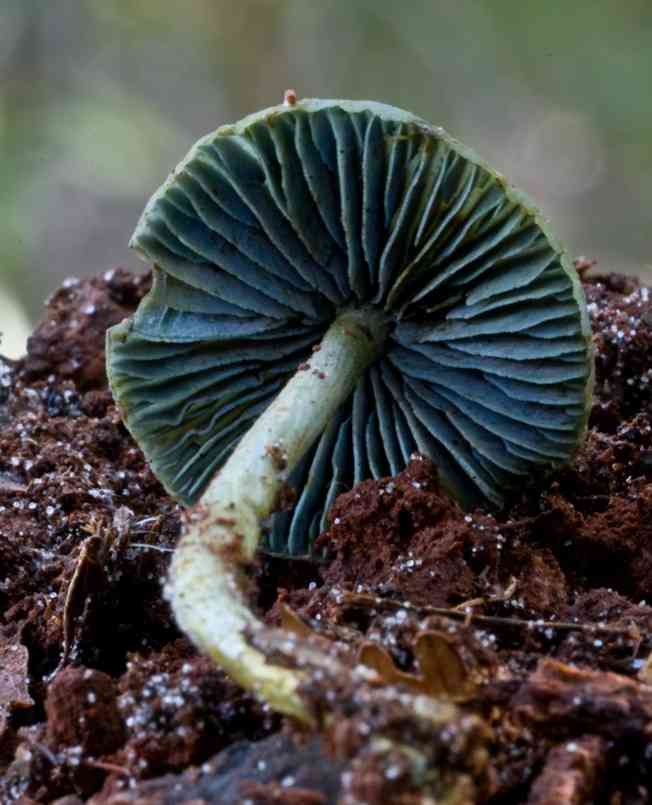
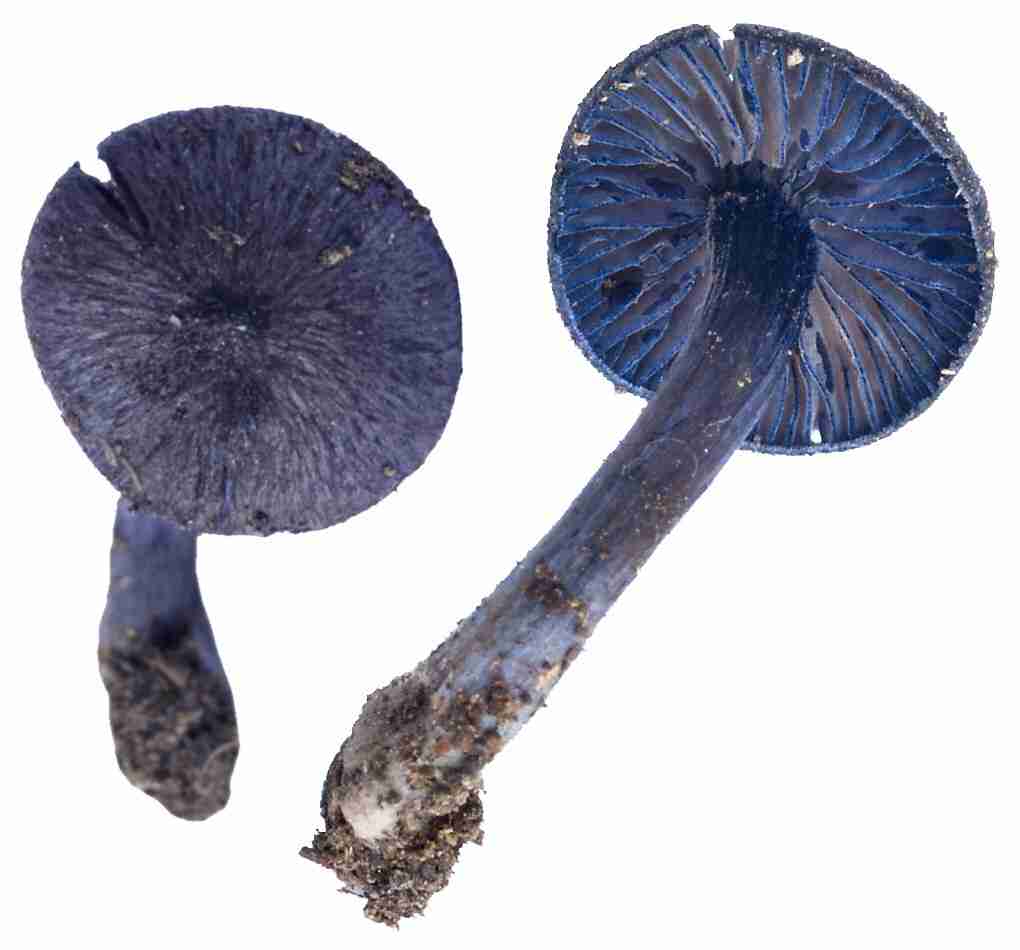
Cap 5 - 50 mm across; convex-hemispherical, campanulate; pale blue-violet to silver grey; surface silky, fibrillose to scaly
Cap Shape
Bell-shaped, Depressed
Cap Surfaces
Fibrillose-scaly
Gills
Adnate, sinuate; not very crowded; blue to purple, pink
Gill Attachment
Attached
Stem
Stem 2 - 7 cm long, 2 - 6 mm thick; pale blue-violet to silver grey; very fibrillose
Stem Shapes
Cylindrical
Flesh
Fibrous; white to pale blue-greyish; unchanging
Ring
Ringless
Spore Print Color
Pink
Odor
Sweetly spicy, fruity, with a violet-like scent.
Body Color
SilverGrayWhiteBluePurple
Flesh Bruises
The flesh or milk does not discolor when bruised or cut.
Growth Form
Solitary, Scattered
Substrate
On soil
You can find Stump pinkgill by these plants
Common hazel
Species Status
Quite rare
Scientific Classification of Stump pinkgill
Phylum
Club fungi
Class
Mushroom-forming fungi
Order
Gilled fungi
Family
Entolomataceae
Genus
Pinkgills
Toxicity and Edibility of Stump pinkgill
Is Stump pinkgill Toxic?
Toxicity information is not available for this mushroom. Always consult with an expert before consuming any wild mushrooms.