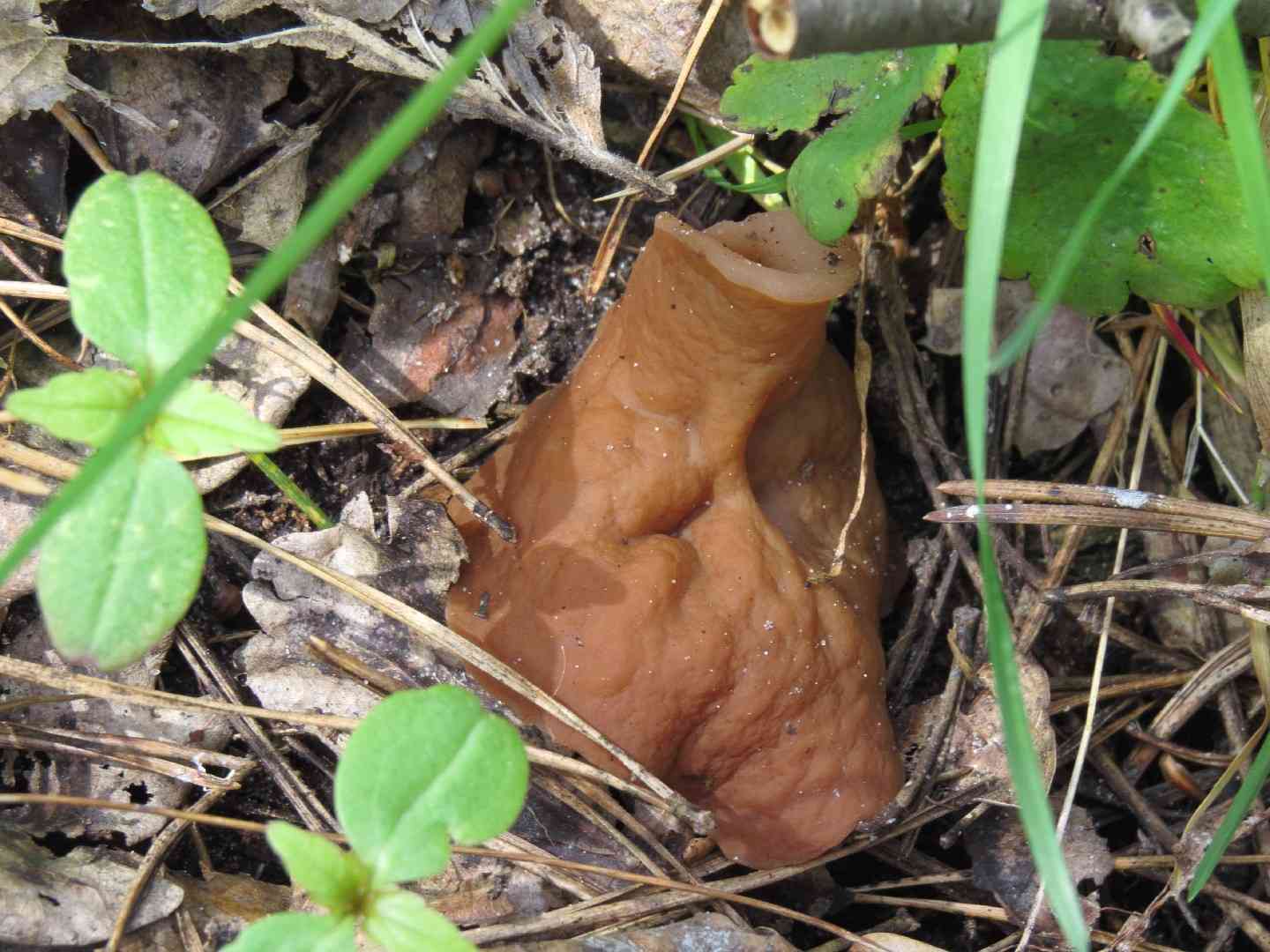
Pig's ears
Discina ancilis
A species of Discina.
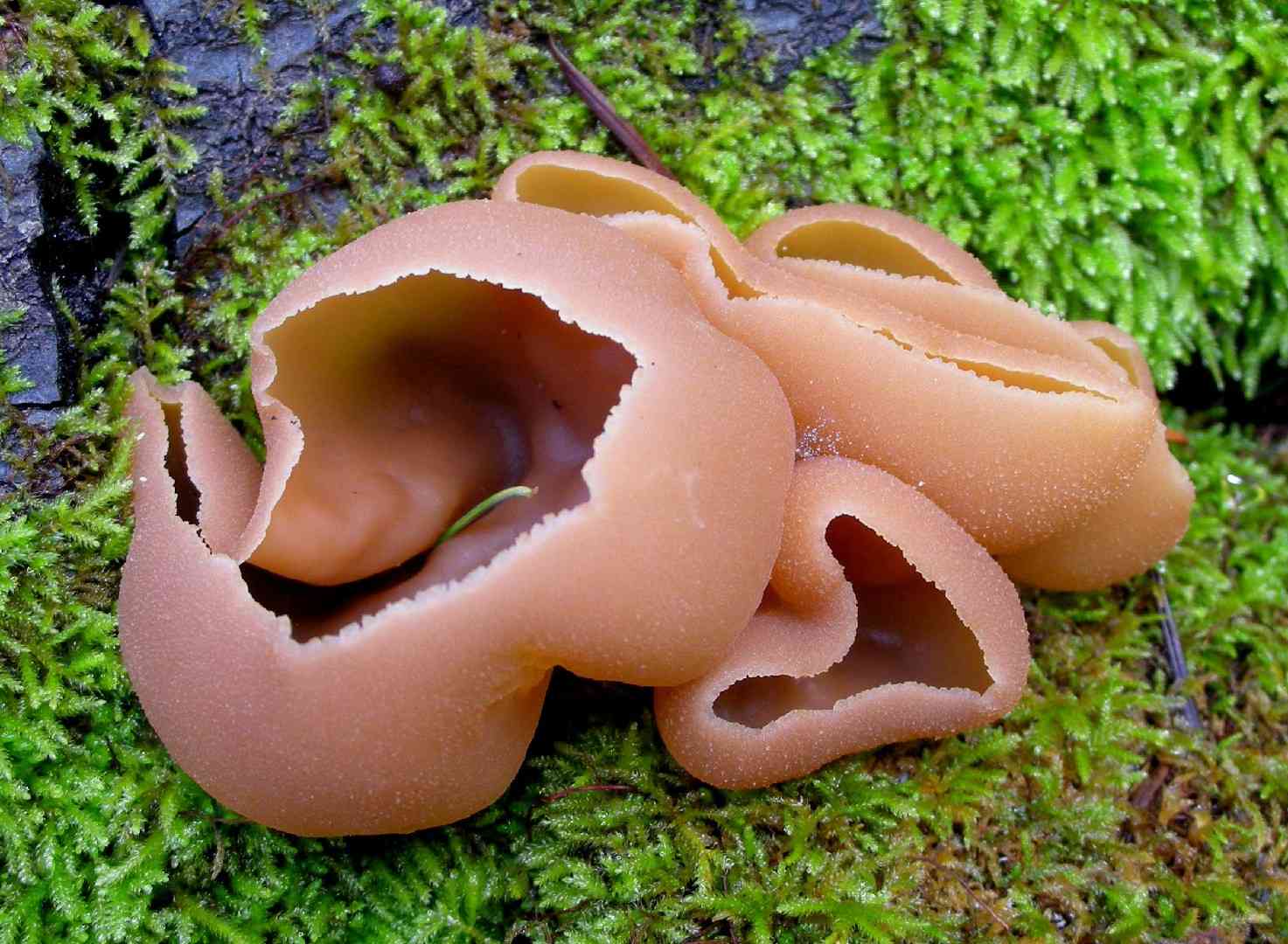
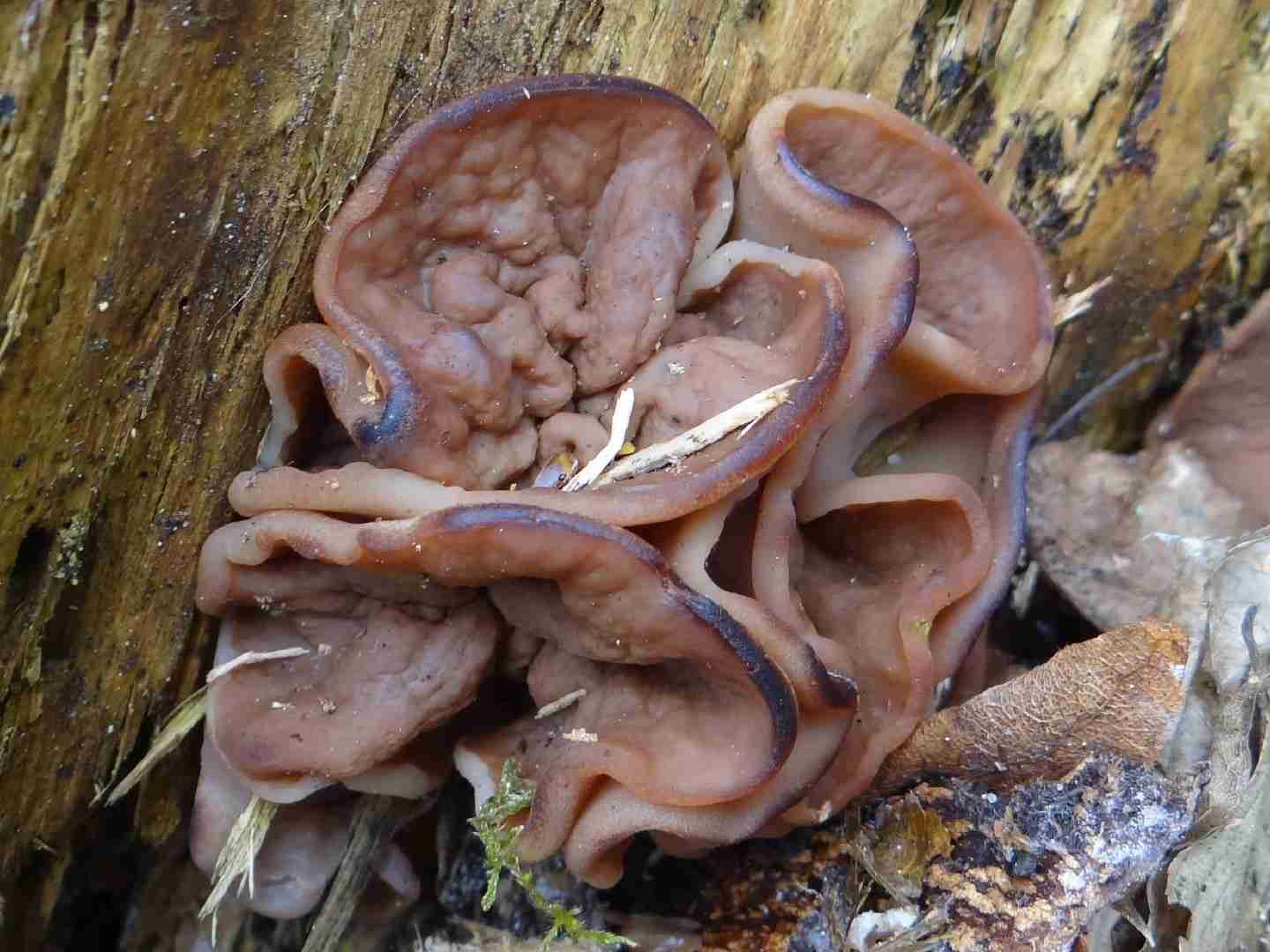
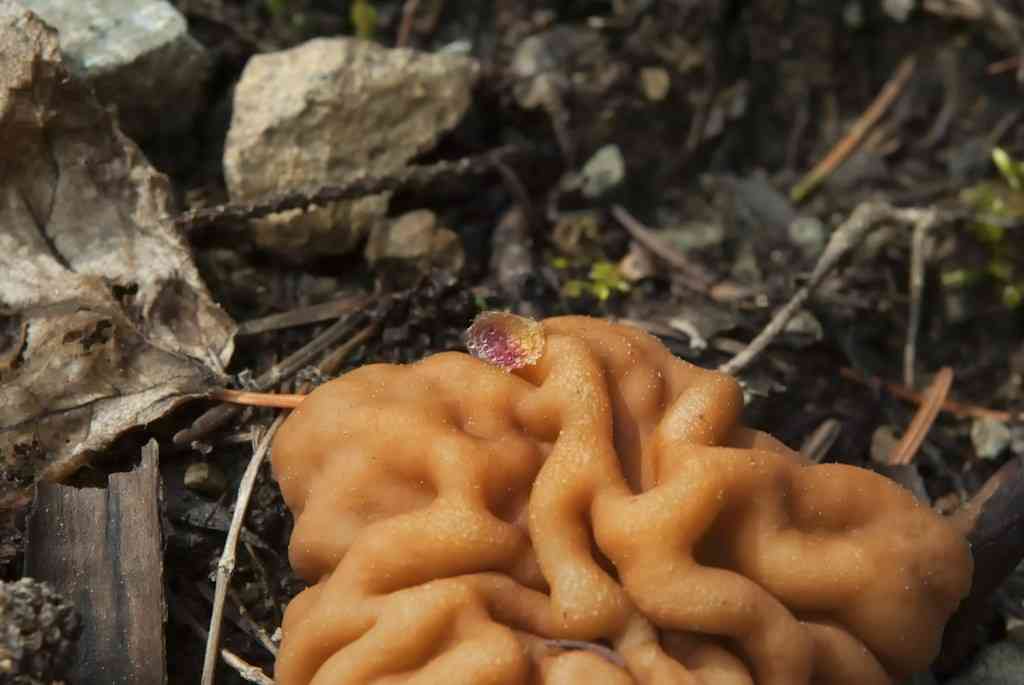
Due to its distinctive look, the mushroom known as pig's ears is quite noticeable in woodland environments. It develops a substantial, flattened, and somewhat waxy cap with crinkled edges. The appearance of this cap bears a striking resemblance to a pig's ear, hence the origin of its common name.
In This Article
Attributes of Pig's ears
Cap Diameter
4 - 15 cm
Height
3 - 10 mm
Cap
Cap 4 - 15 cm across; cup-shaped, convex; yellow-brown to red-brown, grey white to flesh-coloured-pink; with delicately tomentose
Stem
Stem 3 - 10 mm long, 2 - 3 cm thick; whitish, white-grey
Flesh
Waxy consistency; whitish
Ring
Ringless
Spore Print Color
Brown
Odor
Mildly mushroomy but not distinctive.
Body Color
BrownYellowRedGrayWhite
Flesh Bruises
The flesh or milk does not discolor when bruised or cut.
Growth Form
Solitary, Gregarious
Nutrient Gathering
Saprophytic
Substrate
On soil, Leaf or Needle Litter, Dead Woods
You can find Pig's ears by these plants
Red pine
Occurence Habitats
Coniferous Woodland
Species Status
Common
Endangered Species
No
Scientific Classification of Pig's ears
Phylum
Sac fungi
Class
Pezizomycetes
Order
Pezizales
Family
Discinaceae
Genus
Discina
Toxicity and Edibility of Pig's ears
Is Pig's ears Toxic?
Challenging to identify, the neurotoxic mushroom known as 'pig's ears' can initially cause symptoms such as headaches, lightheadedness, and altered vision upon consumption. These early signs may progress to include muscle weakness, involuntary shaking, an erratic pulse, and a risk of losing consciousness. It is vital to accurately identify and steer clear of this mushroom, especially when it is actively growing.
Toxins type
Gyromitrin
Type of poisoning
Neurotoxic
Toxic Severity
Low to high toxicity
Incubation Period
6-24 hours
Poisoning Symptoms
Early symptoms typically include headache, dizziness, sweating, and visual distortions. This can progress to more severe issues such as muscle weakness, tremors, an irregular heartbeat, and even potential loss of consciousness due to the neurotoxic nature of the toxin.