Crazed cap
Dermoloma cuneifolium
A species of Crazed caps.
The 'Crazed Cap' mushroom, a member of a prominent fungal lineage recognized for its varied appearances, commonly thrives in grasslands. It possesses a distinctive cap morphology that aids in its recognition. Its prevalence frequently signals ecological activities related to the breakdown of plant material, thus playing a role in the nutrient cycling within its native environment.
In This Article
Attributes of Crazed cap
Cap Diameter
1 - 6 cm
Height
4 - 7 cm
Cap
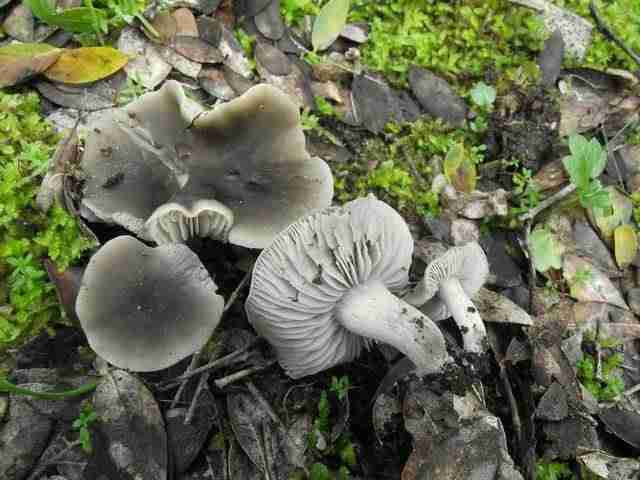
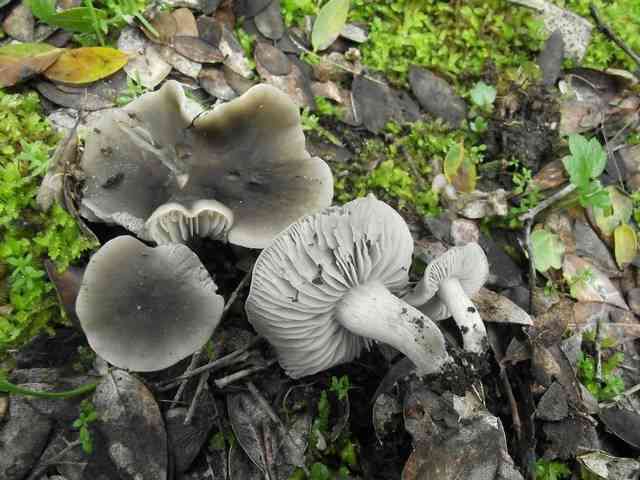
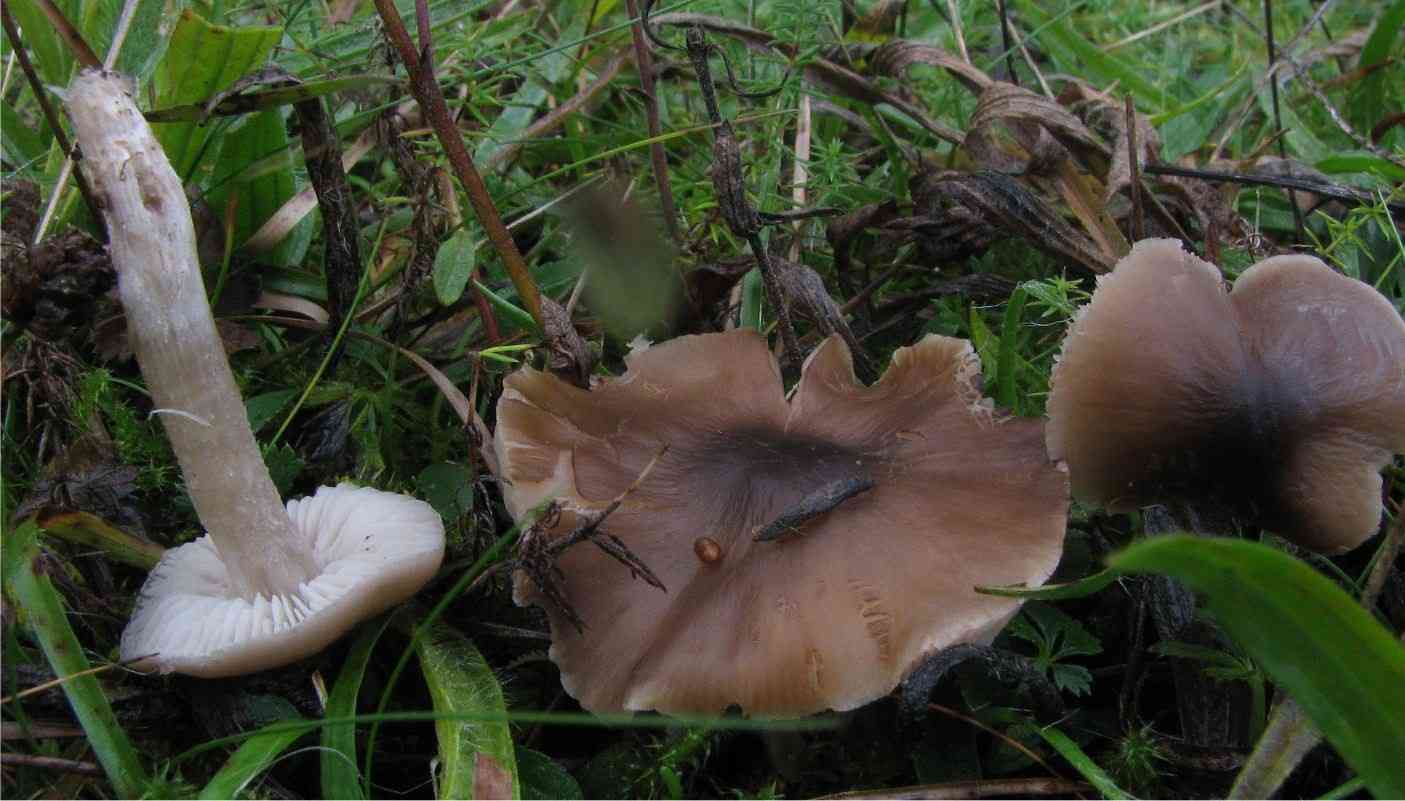
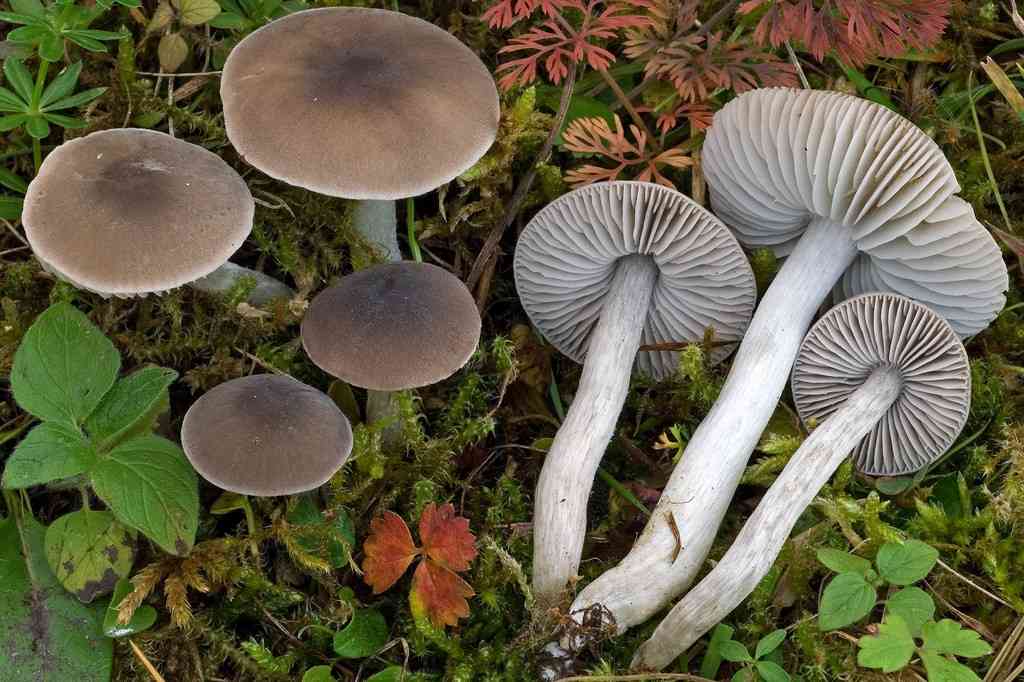
Cap 3 - 5 cm across; convex to flat; gray-brown
Cap Shape
Convex, Flat, Depressed, Central Bump
Cap Surfaces
Smooth, Visible lines or stripes
Gills
Sinuate; close, nearly distant; white
Gill Attachment
Notched
Stem
Stem 3 - 5 cm long, 5 - 10 mm thick; equal; white
Stem Shapes
Cylindrical
Stem Surfaces
Smooth to slightly fibrous
Flesh
White; unchanging when sliced
Ring
Ringless
Spore Print Color
White
Odor
Strong mealy scent.
Body Color
BrownGrayWhite
Flesh Bruises
The flesh or milk does not discolor when bruised or cut.
Growth Form
Scattered, Gregarious
Nutrient Gathering
Saprophytic
Substrate
On soil
You can find Crazed cap by these plants
Maples
Occurence Habitats
Meadows, Deciduous Woodland
Species Status
Common
Endangered Species
No
Scientific Classification of Crazed cap
Phylum
Club fungi
Class
Mushroom-forming fungi
Order
Gilled fungi
Family
Pale-spore mushrooms
Genus
Crazed caps
Toxicity and Edibility of Crazed cap
Is Crazed cap Toxic?
Toxicity information is not available for this mushroom. Always consult with an expert before consuming any wild mushrooms.

