Cystolepiota adulterina
Cystolepiota adulterina
A species of Cystolepiota.
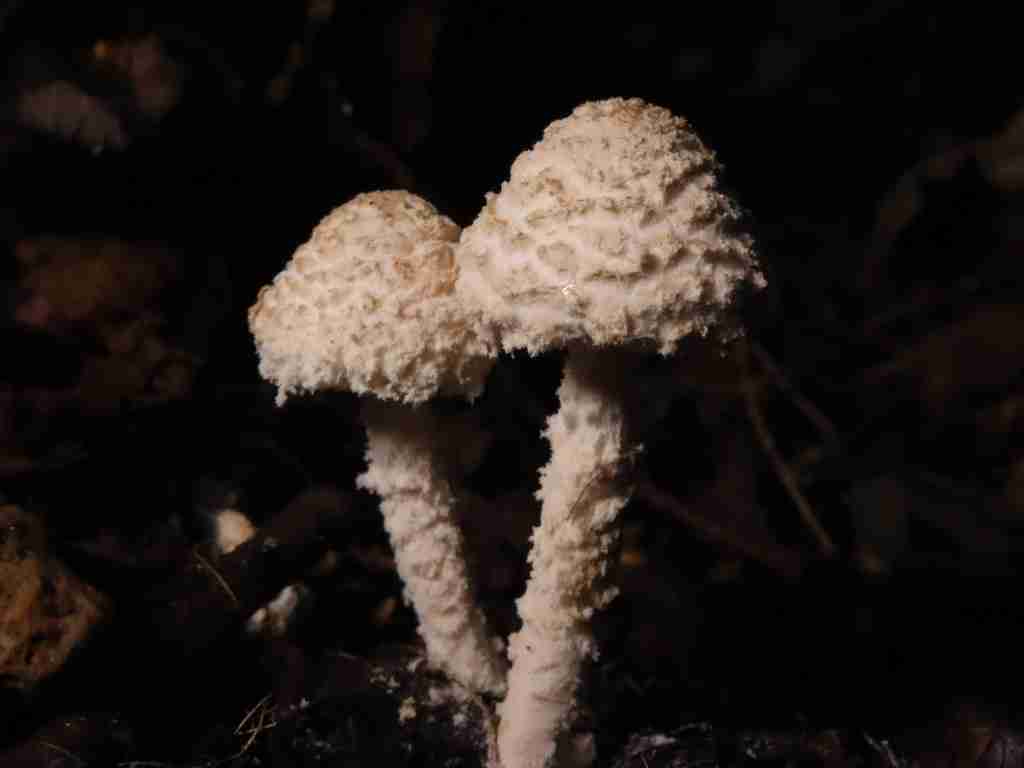
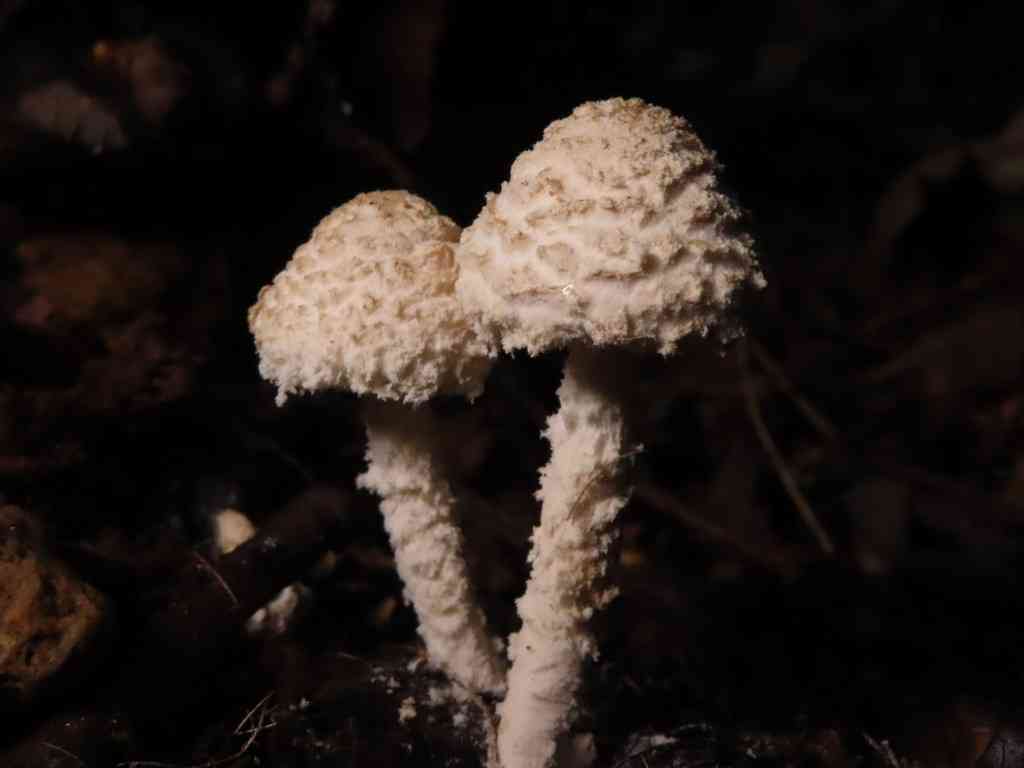
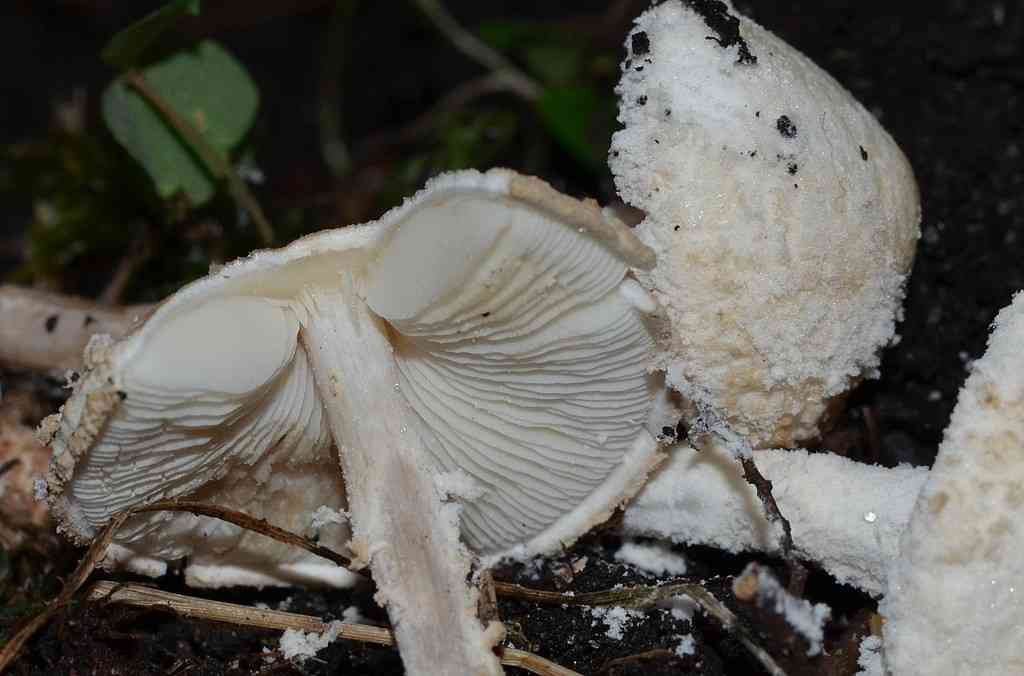
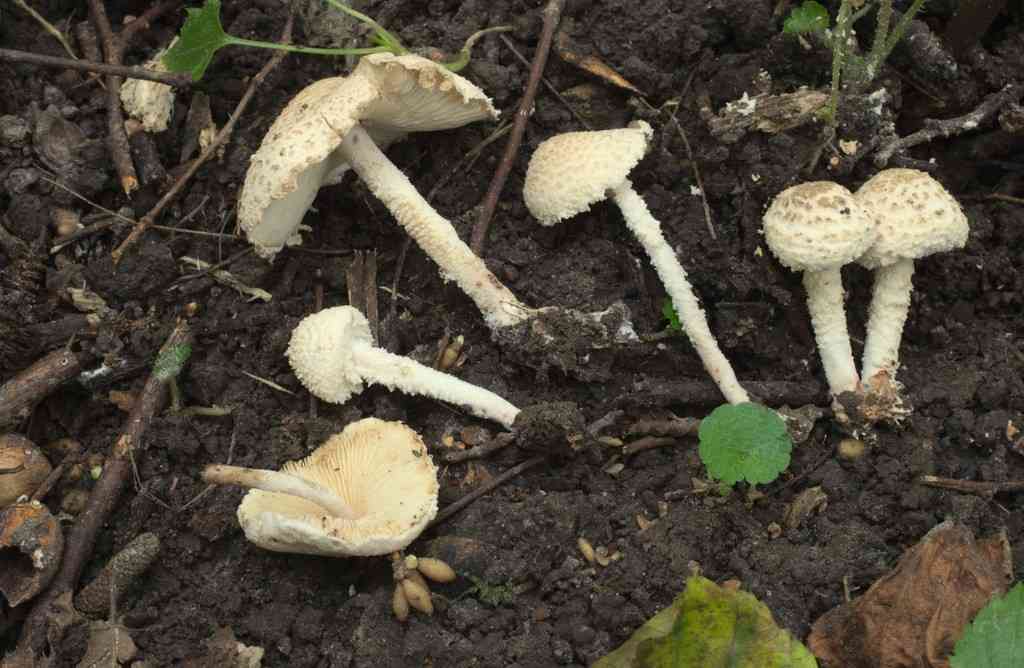
Cystolepiota adulterina, an Agaricaceae family member, is characterized by its small to medium-sized fruiting bodies. This species, commonly encountered in leaf litter and grassy areas, displays a unique cap with a granular or powdery texture. Its gills are closely packed and often appear lighter than the cap, while a subtle ring may adorn its stem.
In This Article
Attributes of Cystolepiota adulterina
Cap Diameter
1 - 4 cm
Height
3 - 5 cm
Cap Shape
Convex, Flat, Central Bump
Cap Surfaces
Fibrillose-scaly
Gill Attachment
Free
Stem Shapes
Cylindrical
Ring
With Ring Zone
Spore Print Color
White
Odor
Mildly musty and non-distinctive
Flesh Bruises
The flesh or milk does not discolor when bruised or cut.
Substrate
On soil
You can find Cystolepiota adulterina by these plants
European beech, Norway spruce
Scientific Classification of Cystolepiota adulterina
Phylum
Club fungi
Class
Mushroom-forming fungi
Order
Gilled fungi
Family
Agaricaceae
Genus
Cystolepiota
Toxicity and Edibility of Cystolepiota adulterina
Is Cystolepiota adulterina Toxic?
Consuming Cystolepiota adulterina can cause various toxic reactions. It is advisable to avoid this fungus.

