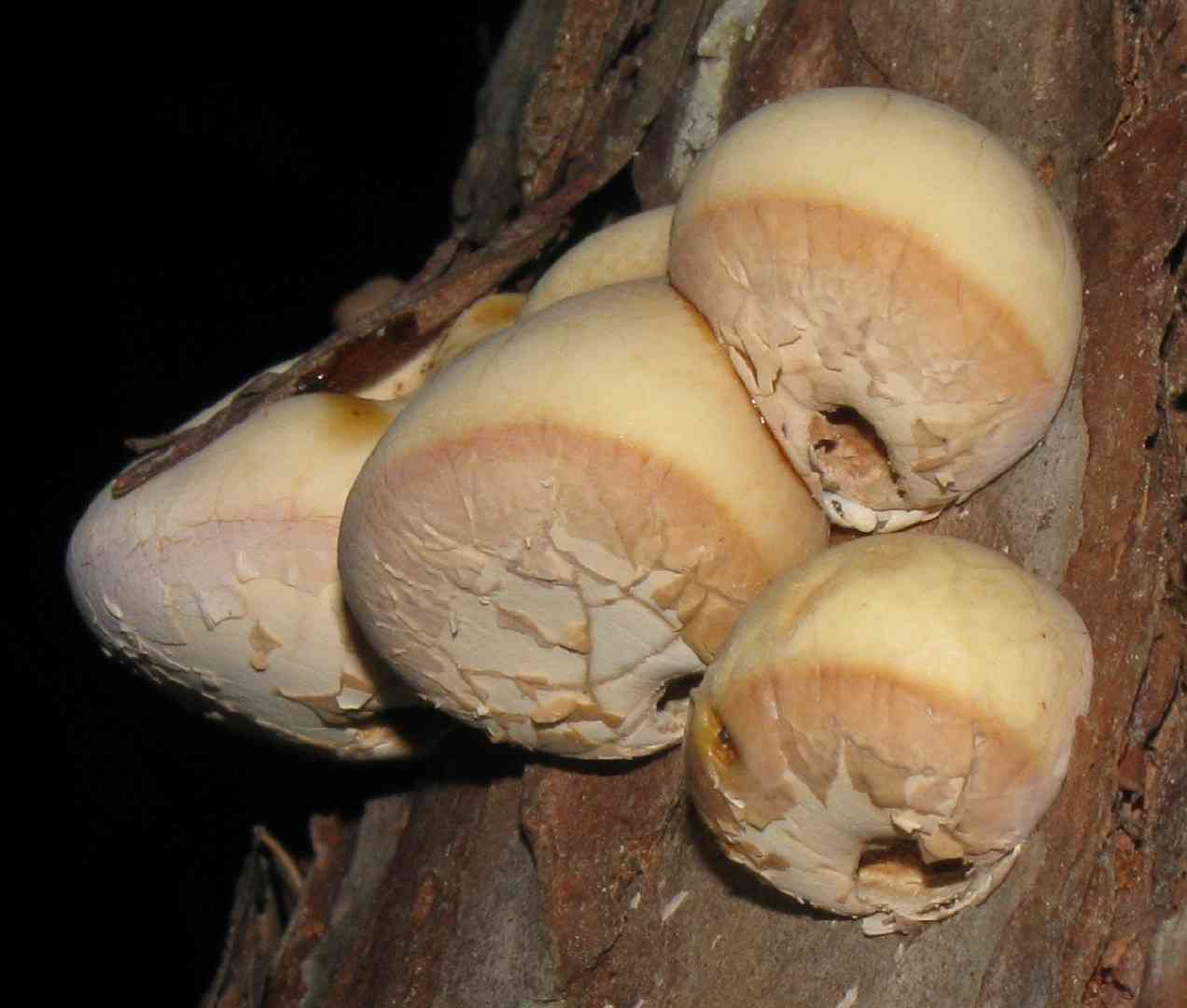
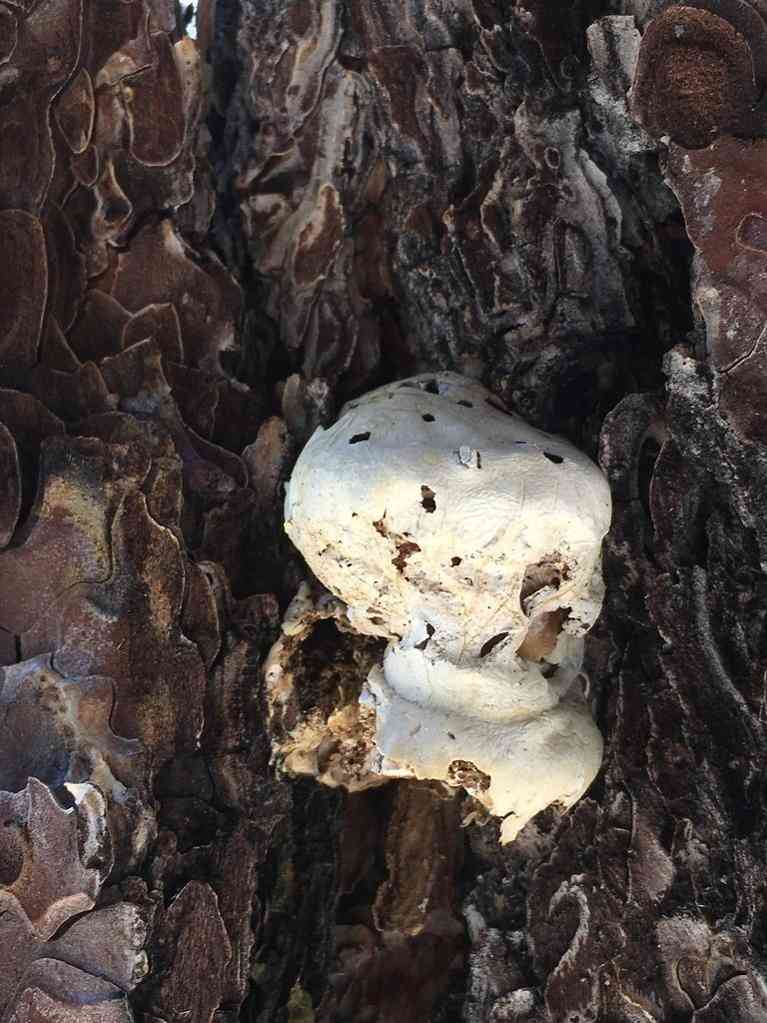
Veiled polypore
Cryptoporus volvatus
A species of Cryptoporus.
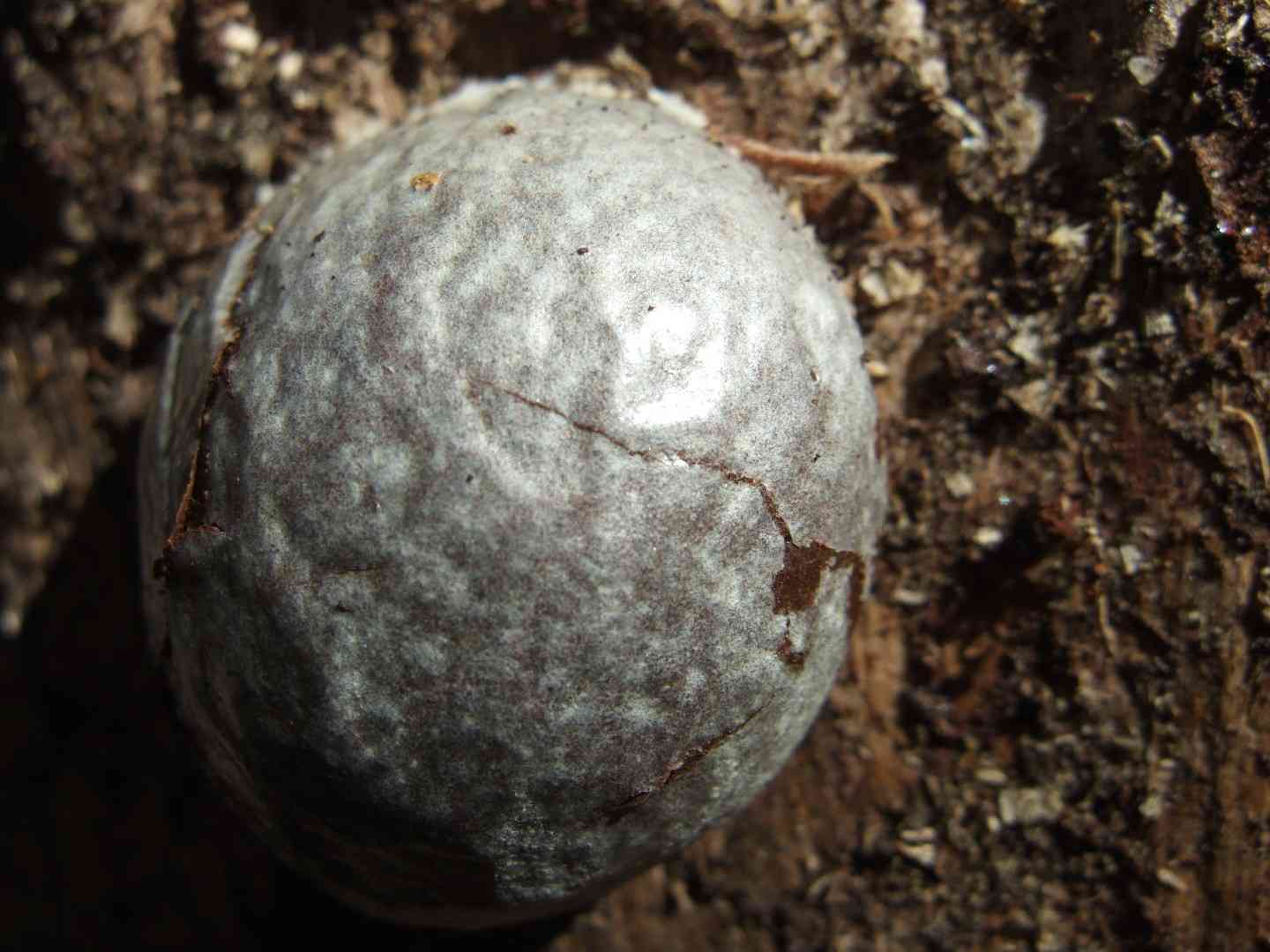
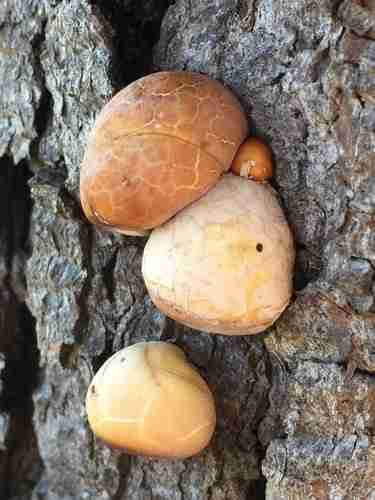
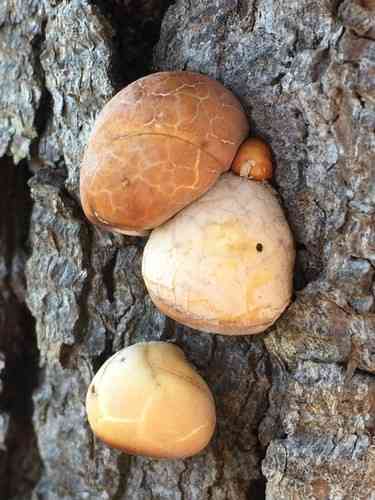
Chances are, if you've ever strolled through a woodland littered with deceased conifer trees, you've encountered a veiled polypore. This particular fungus earns its name because its pore openings are obscured by a rounded flap of tissue, much like a veil. Unlike many other polypores that spread in flat, sheet-like structures, the veiled polypore frequently exhibits a nearly spherical shape. These fungi are particularly common in pine forests that have suffered damage from fires or insect infestations.
In This Article
Attributes of Veiled polypore
Cap Diameter
3 - 6 cm
Height
1 - 5 cm
Cap
Cap 5 cm across; spherical; tan to ocher-brown; surface smooth, or with a lacquered gloss
Cap Shape
Convex
Cap Surfaces
Smooth
Flesh
Corky; white
Spore Print Color
Pinkish
Odor
Fragrant with a hint of resin.
Body Color
BrownYellowCream
Flesh Bruises
The flesh or milk does not discolor when bruised or cut.
Growth Form
Solitary, Scattered, Gregarious
Nutrient Gathering
Saprophytic
Substrate
Dead Woods
You can find Veiled polypore by these plants
Bishop pine
Occurence Habitats
Coniferous Woodland
Species Status
Widely distributed
Endangered Species
No
Scientific Classification of Veiled polypore
Phylum
Club fungi
Class
Mushroom-forming fungi
Order
Shelf fungi
Family
Polyporaceae
Genus
Cryptoporus
Toxicity and Edibility of Veiled polypore
Is Veiled polypore Toxic?
Toxicity information is not available for this mushroom. Always consult with an expert before consuming any wild mushrooms.