Hairy parachute
Crinipellis scabella
A species of Crinipellis.
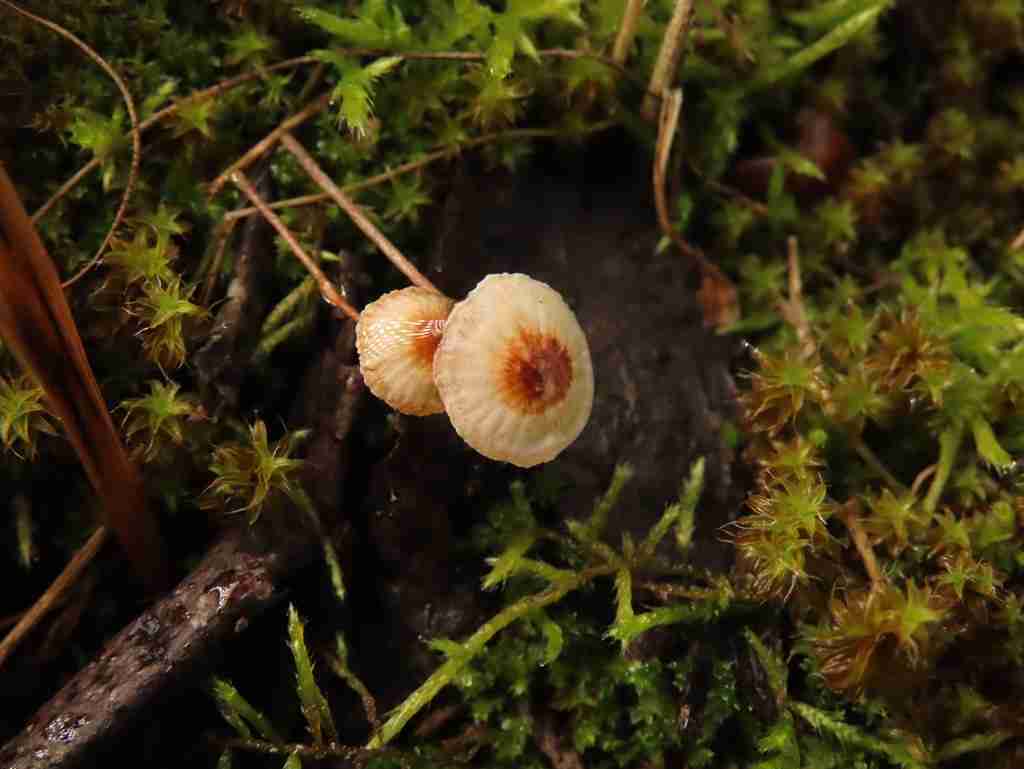
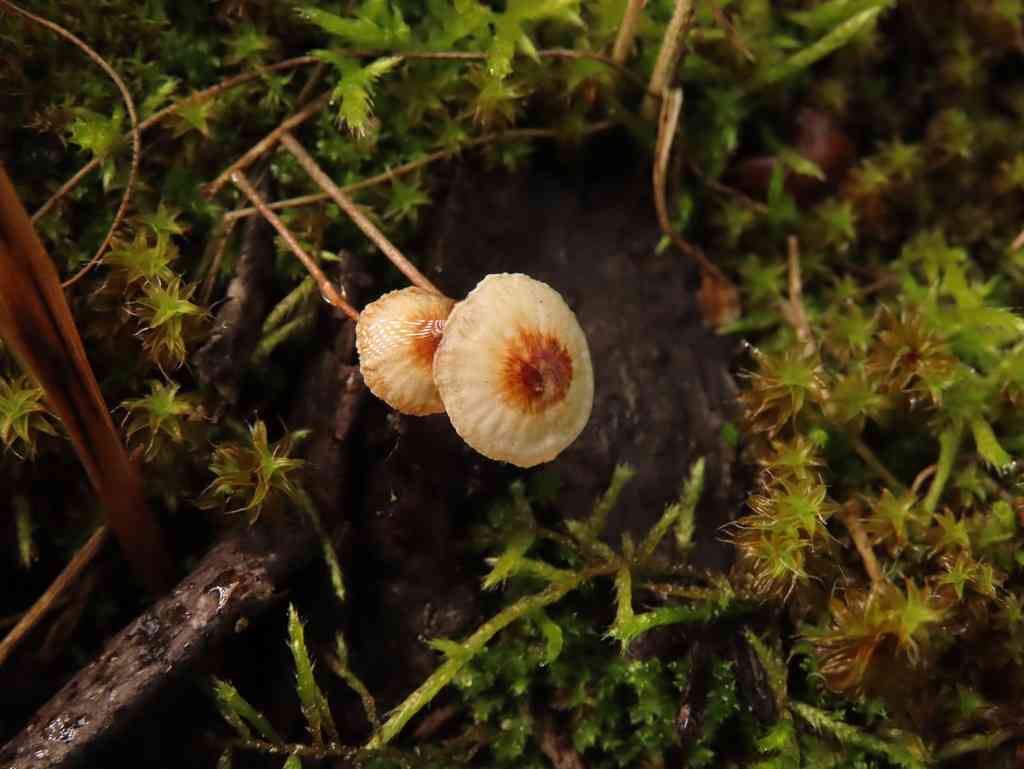
The hairy parachute fungus is recognized by its delicate, bell-shaped cap covered in fine hairs. Despite its fragile appearance, this resilient mushroom flourishes in the leaf litter of forests. A slender, sturdy stalk supports its cap. Typically found in moist, shaded environments, the hairy parachute plays a vital role in the ecosystem by breaking down organic material.
In This Article
Attributes of Hairy parachute
Cap Diameter
1 - 2 cm
Cap
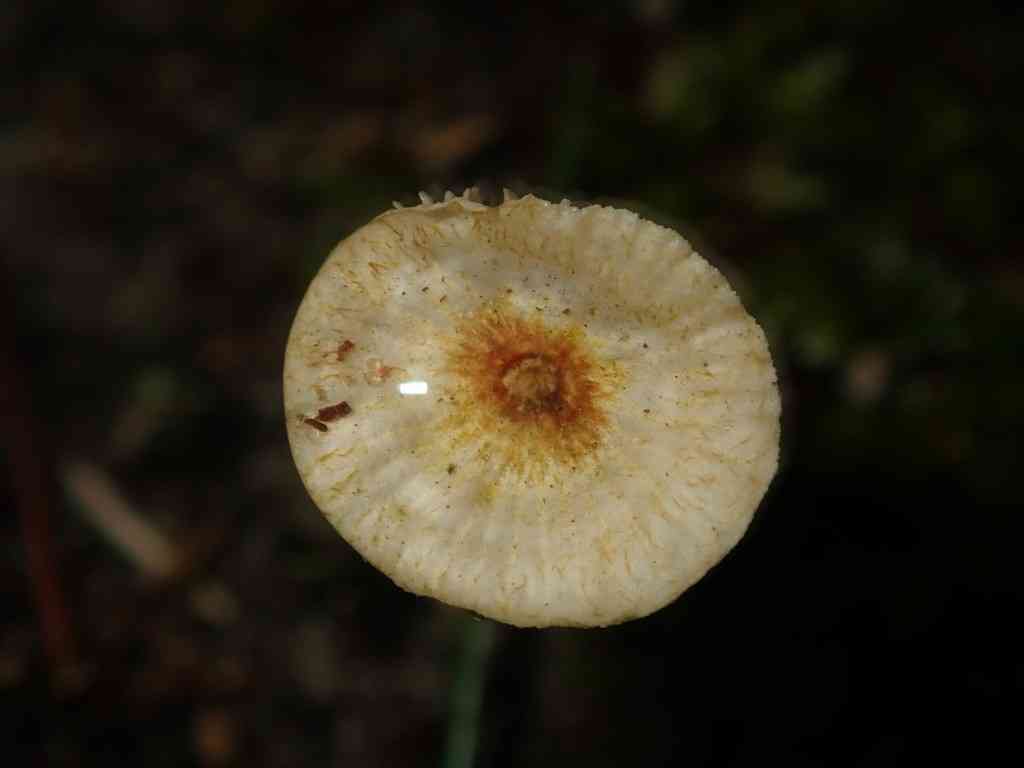
Cap 8 - 15 mm; semicircular; cream or light beige; with concave edges
Cap Surfaces
Fibrillose-scaly, Slimy or slightly sticky
Gill Attachment
Attached
Stem
Up to 5 cm; slightly curved, thin, conical, thickened near the mycelium; covered with fine pile from below, closer to the top - with flakes
Stem Shapes
Cylindrical
Flesh
Thin; fragile
Ring
Ringless
Spore Print Color
Light cream
Odor
Mildly mushroomy but not distinctive.
Body Color
BrownYellowGrayWhiteCream
Flesh Bruises
The flesh or milk does not discolor when bruised or cut.
Growth Form
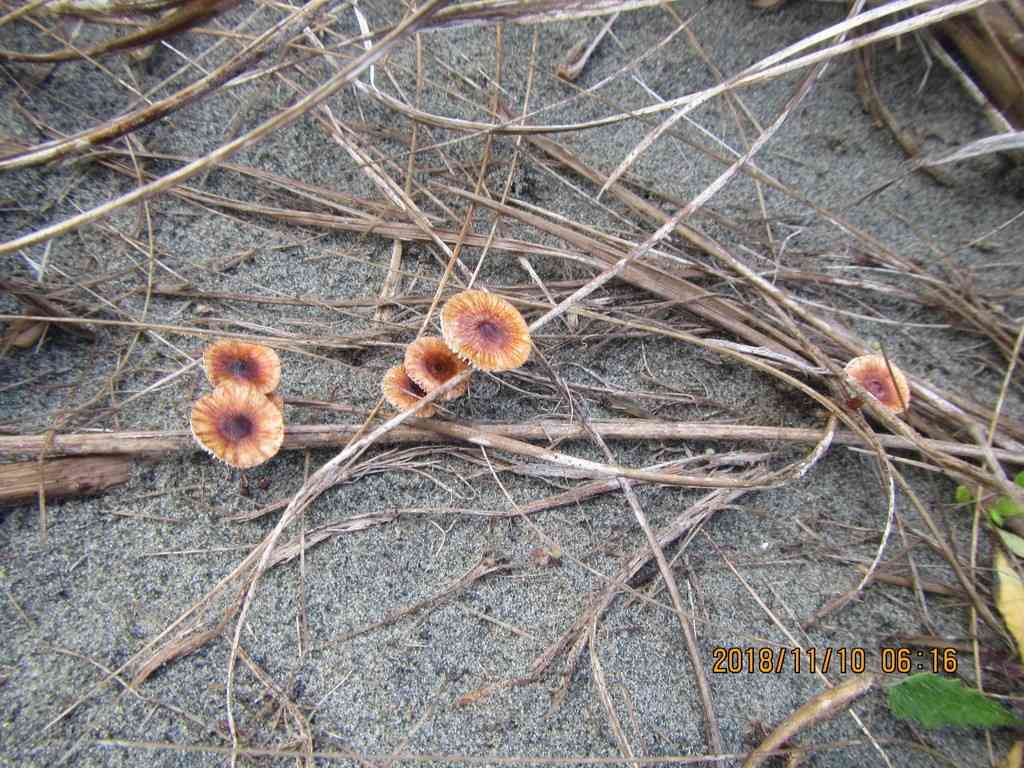
Scattered, Gregarious
Nutrient Gathering
Saprophytic
Substrate
On wood
Species Status
Common
Endangered Species
No
Scientific Classification of Hairy parachute
Phylum
Club fungi
Class
Mushroom-forming fungi
Order
Gilled fungi
Family
Marasmiaceae
Genus
Crinipellis
Toxicity and Edibility of Hairy parachute
Is Hairy parachute Toxic?
Toxicity information is not available for this mushroom. Always consult with an expert before consuming any wild mushrooms.

