Pale oysterling
Crepidotus caspari
A species of Crepidotus.
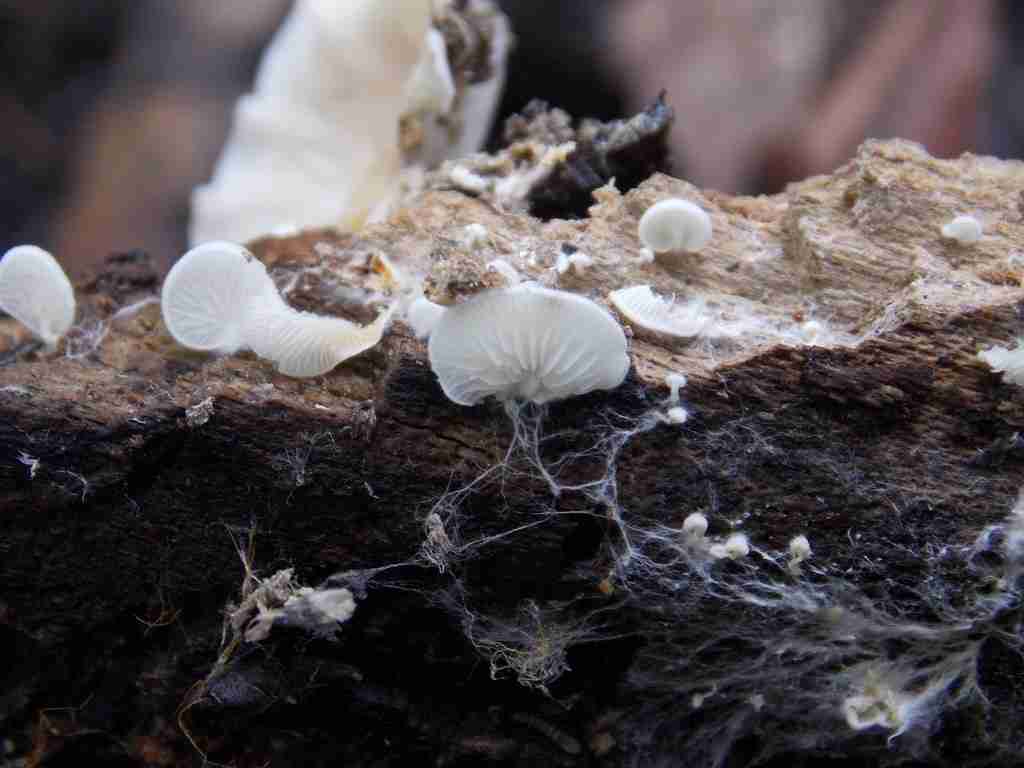
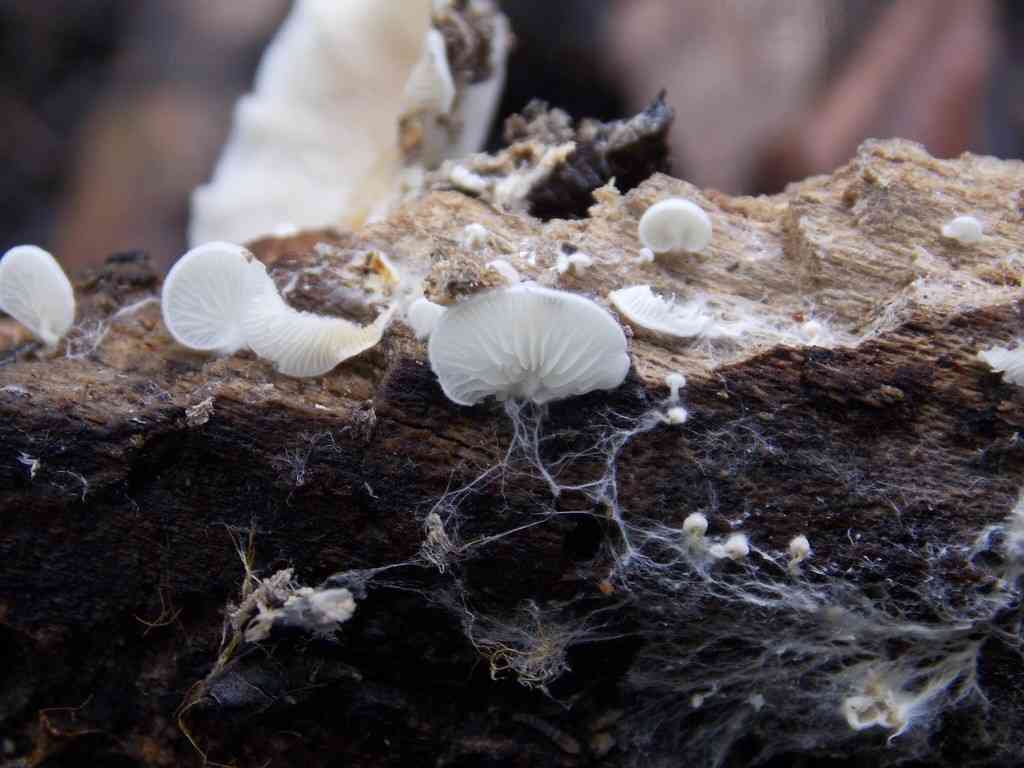
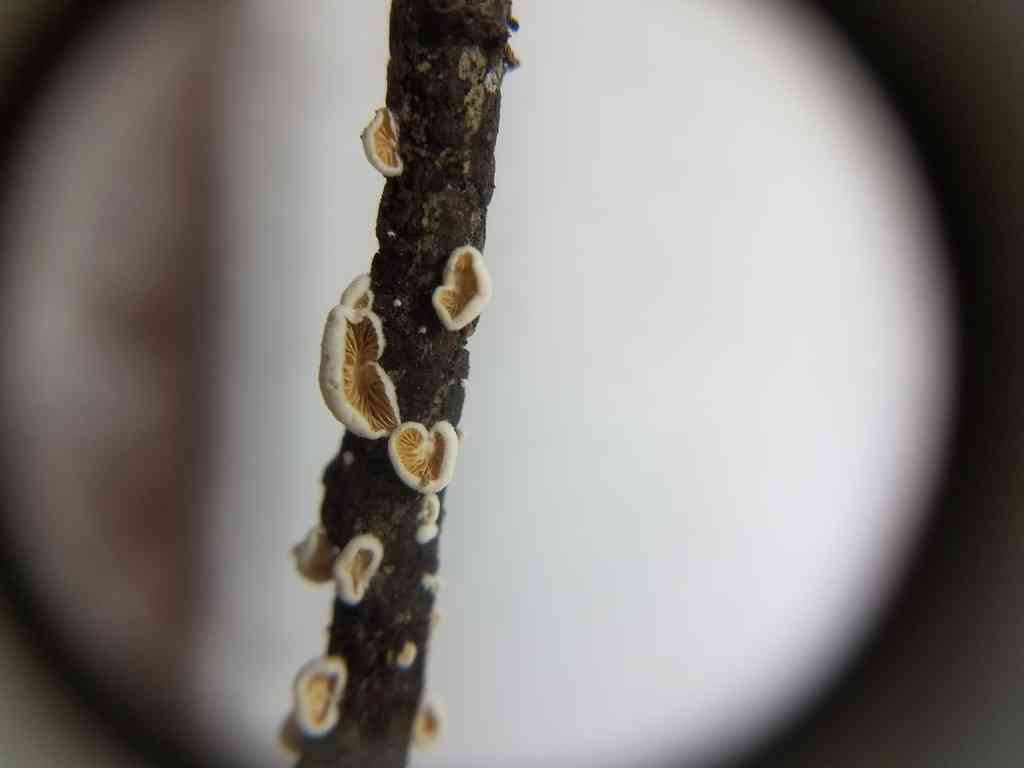
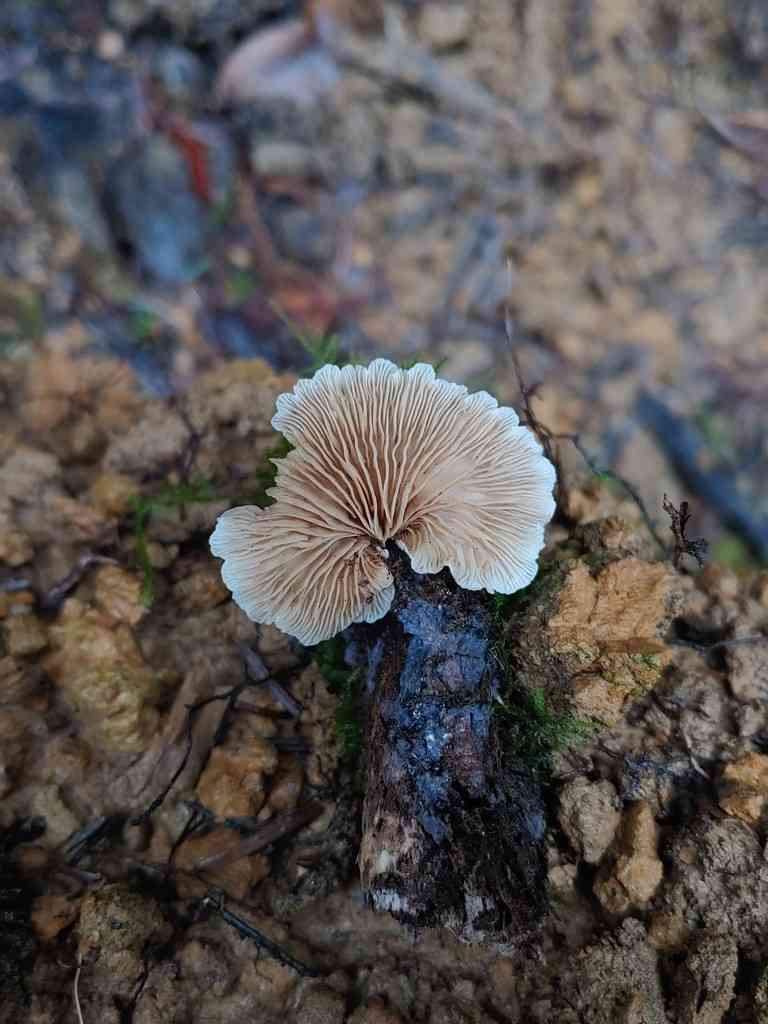
The Delicate Oysterling is commonly found on decomposing timber, primarily during the summer and autumn months. Its distinguishing features include a diminutive, light-colored, shell-shaped cap that exhibits a gentle upward curve, with lamellae on its underside that directly attach to the wooden surface it inhabits. This particular species is remarkable for its versatility in colonizing diverse types of wood, rendering it a frequent discovery in woodland environments.
In This Article
Attributes of Pale oysterling
Cap Diameter
4 - 50 mm
Cap
Cap 4 - 50 mm in diameter; bell-shaped; white or light yellow; surface tomentose
Gills
Adherent; wide; yellowish, later buffy
Stem
Absent
Flesh
Thin; white
Odor
Mildly mushroomy but not distinctive.
Body Color
YellowWhite
Flesh Bruises
The flesh or milk does not discolor when bruised or cut.
Growth Form
Scattered, Gregarious
Nutrient Gathering
Saprophytic
Substrate
Dead Woods
You can find Pale oysterling by these plants
Willows, Ashes
Occurence Habitats
Deciduous Woodland
Species Status
Rare
Endangered Species
No
Scientific Classification of Pale oysterling
Phylum
Club fungi
Class
Mushroom-forming fungi
Order
Gilled fungi
Family
Inocybaceae
Genus
Crepidotus
Toxicity and Edibility of Pale oysterling
Is Pale oysterling Toxic?
Toxicity information is not available for this mushroom. Always consult with an expert before consuming any wild mushrooms.

