Grounded oysterling
Crepidotus autochthonus
A species of Crepidotus.
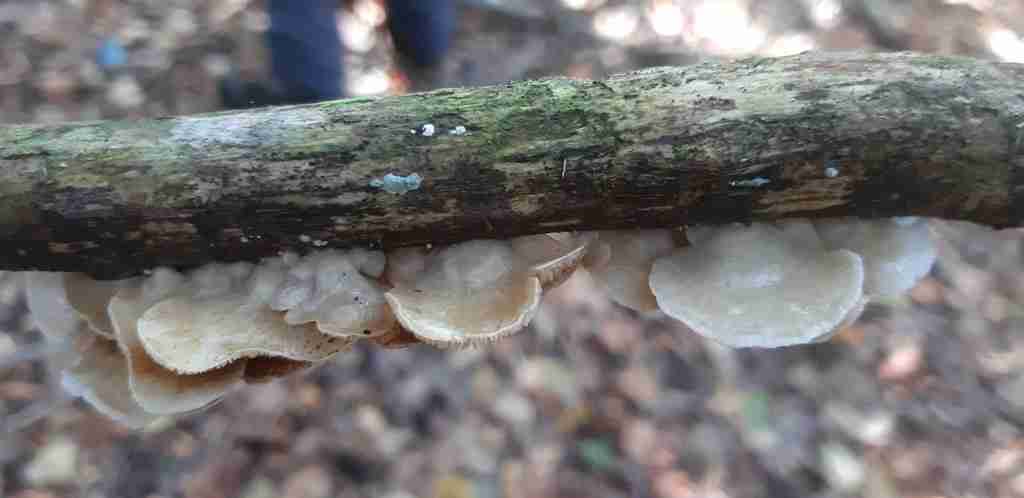
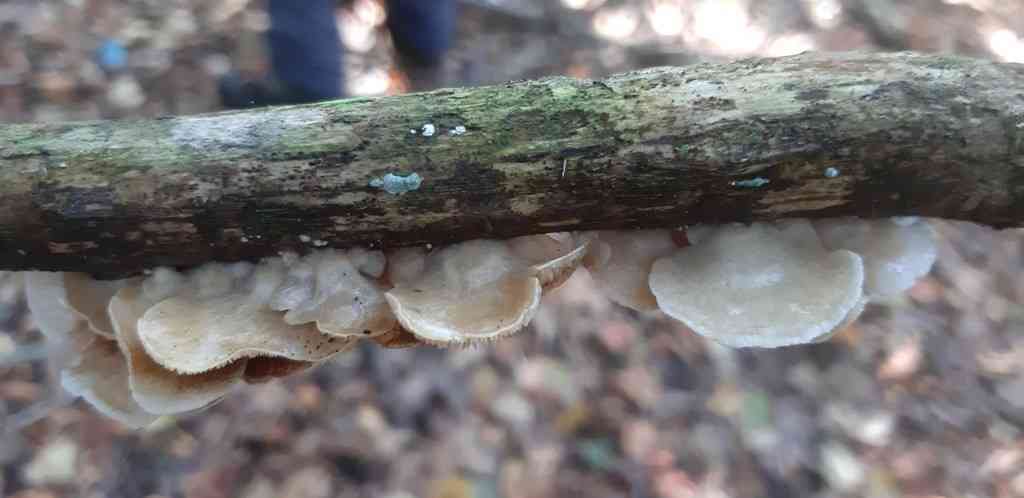
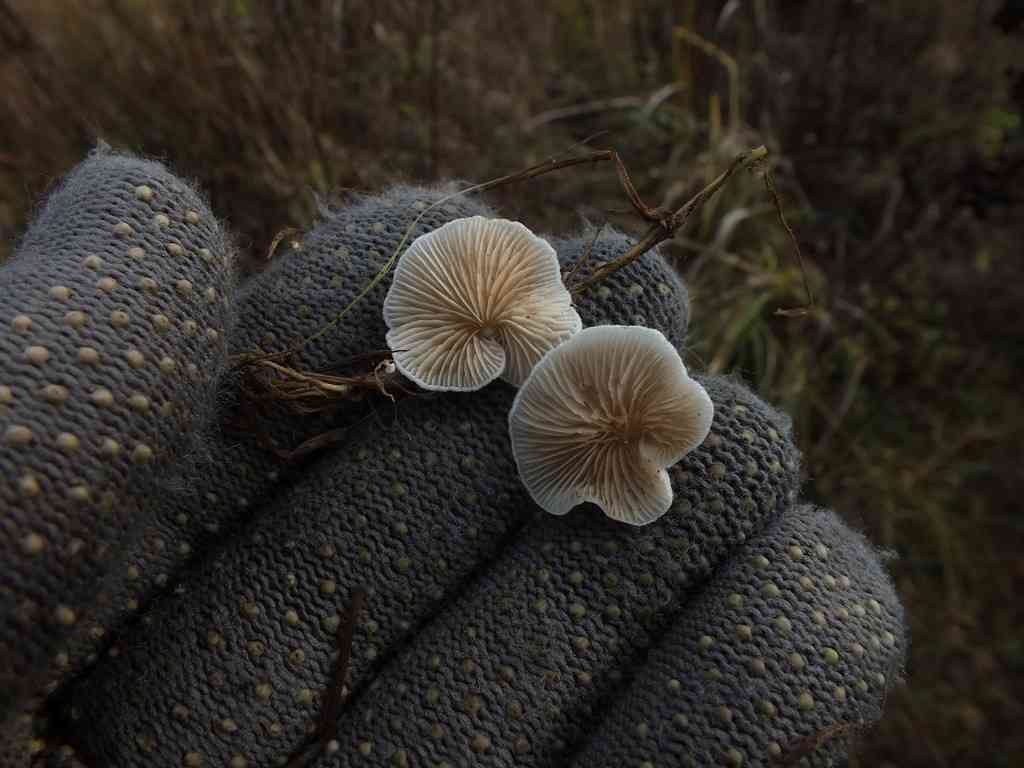
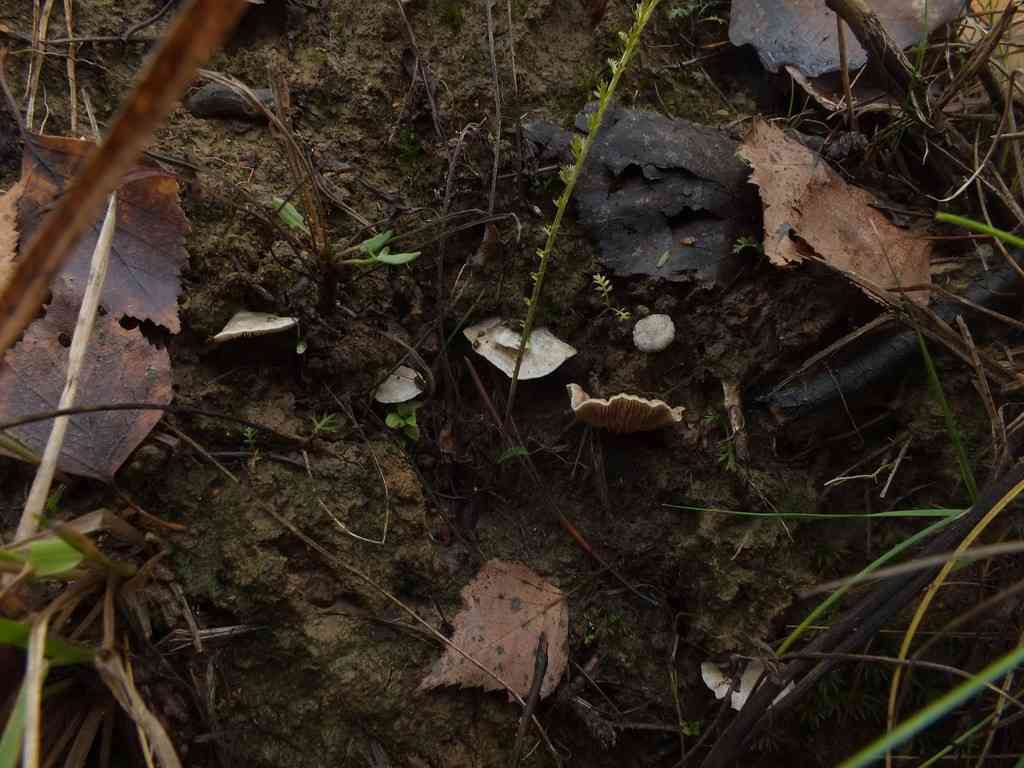
Typically found on decaying wood, the grounded oysterling mushroom demonstrates a remarkable capacity for breaking down organic material. These fungi are distinguished by a fan or kidney-shaped cap and a stem that is often small and not clearly defined. Beneath the cap, they possess gill-like formations crucial for releasing the spores needed for their propagation. Grounded oysterlings vary considerably in size, from diminutive to moderately substantial.
In This Article
Attributes of Grounded oysterling
Cap Diameter
1 - 11 cm
Cap Surfaces
Fibrillose-scaly
Spore Print Color
White
Odor
Mildly mushroomy but not distinctive.
Flesh Bruises
The flesh or milk does not discolor when bruised or cut.
Nutrient Gathering
Saprophytic
Substrate
On wood
You can find Grounded oysterling by these plants
European beech, Pines
Scientific Classification of Grounded oysterling
Phylum
Club fungi
Class
Mushroom-forming fungi
Order
Gilled fungi
Family
Inocybaceae
Genus
Crepidotus
Toxicity and Edibility of Grounded oysterling
Is Grounded oysterling Toxic?
Toxicity information is not available for this mushroom. Always consult with an expert before consuming any wild mushrooms.

