Cortinarius saniosus

Cortinarius saniosus

A species of Cortinar.

Cortinarius saniosus, a prominent species within its fungal genus, stands out due to its unique characteristics. Thriving in forested environments, this fungus exhibits a cap and stalk that undergo changes in color and texture as it develops. It forms a mutually beneficial association with specific tree species, aiding their nutrient uptake. However, due to ongoing research and constraints, comprehensive information regarding its geographical spread and environmental interactions remains subject to refinement.

In This Article
Attributes Classification Toxicity

Attributes of Cortinarius saniosus

ForwardPlant - ID plants and mushrooms, and learn more about them🌿

Identify and diagnose plants, get toxicity alerts, and explore safety guides for all types of fungi.

Try for Free
Cap Diameter
5 - 35 mm
Cap
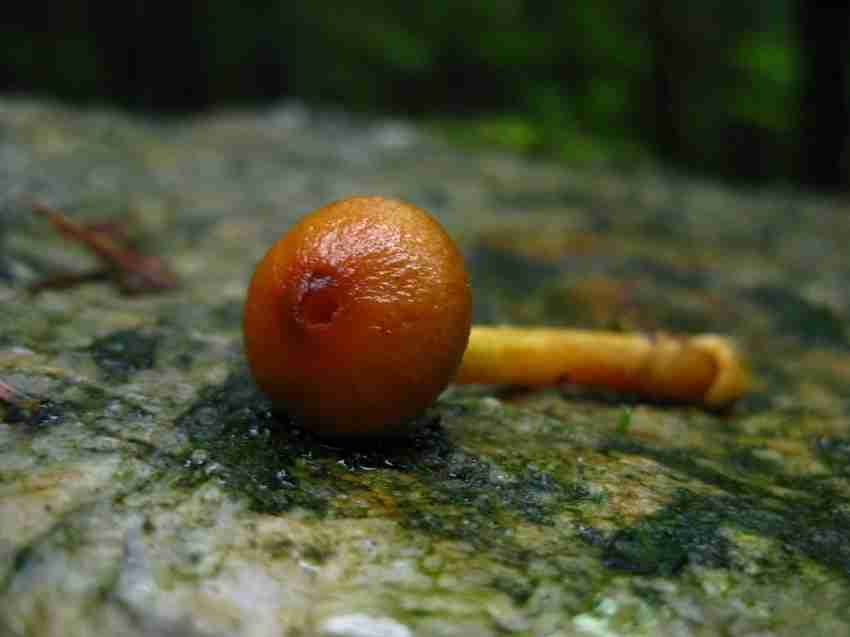
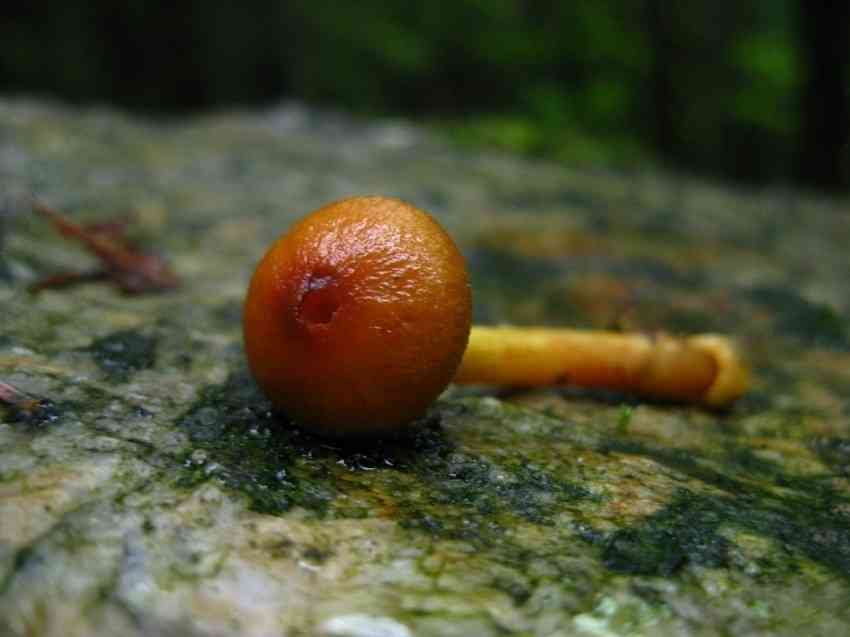
Cap 5 - 35 mm broad; conical to planoconvex; brown, brownish yellow; margin curved downward
Cap Shape
Convex, Flat
Cap Surfaces
Fibrillose-scaly
Gills
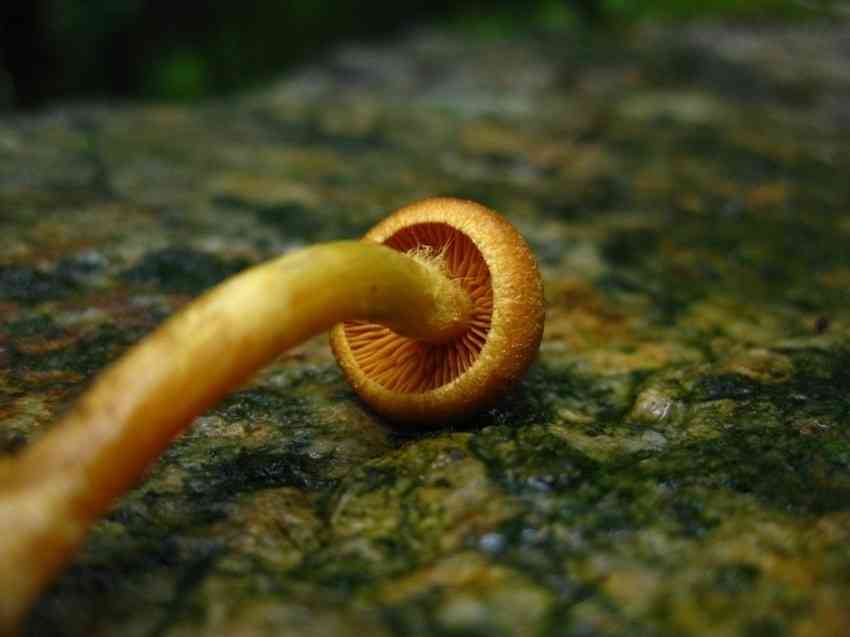
Broadly adnate; intermediate to subdistant; pale yellowish to pale yellowish brown
Gill Attachment
Notched
Stem
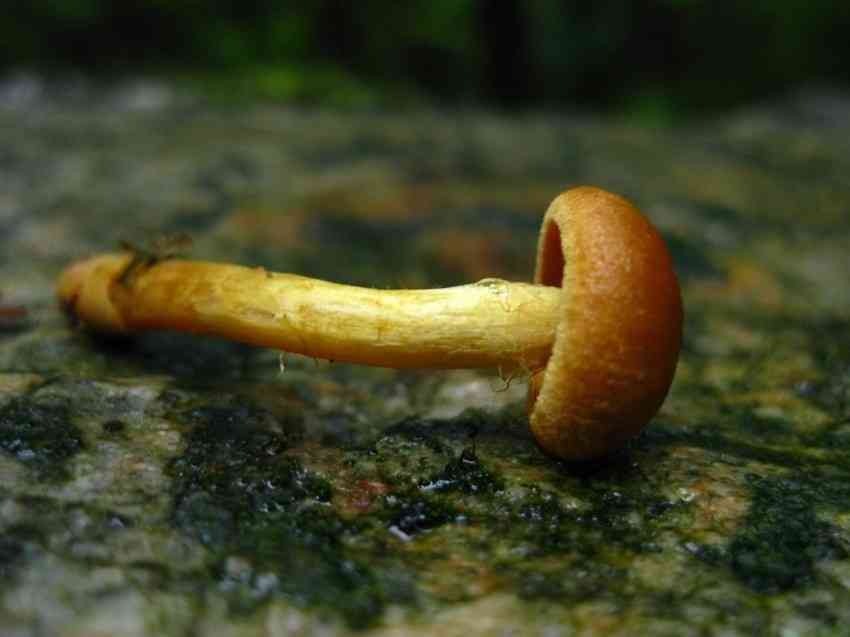
10-70 × 1-5 mm; cylindrical, clavate base; upper pale greyish, lower light yellowish brown
Stem Shapes
Cylindrical
Flesh
In cap thin; in cap dark brownish yellow to grey brown, in top of stem ochraceous
Ring
With Ring Zone
Spore Print Color
Rusty brown
Odor
Mild radish reminiscent scent.
Body Color
BrownBlackYellowRedGoldGray
Flesh Bruises
The flesh or milk does not discolor when bruised or cut.
Growth Form
Solitary, Scattered, Gregarious
Nutrient Gathering
Mycorrhizal
Substrate
On soil
You can find Cortinarius saniosus by these plants
Spruces, Pines, Oaks, Willows
Species Status
Widely distributed
Endangered Species
No

Scientific Classification of Cortinarius saniosus

ForwardPlant APP

AI mushroom expert in your pocket

Try for Free
Phylum
Club fungi
Class
Mushroom-forming fungi
Order
Gilled fungi
Family
Cortinariaceae
Genus
Cortinar
⚠️

Toxicity and Edibility of Cortinarius saniosus

ForwardPlant: Identify & Forage

Your Essential Guide to Edible vs. Toxic Mushrooms. Forage with Confidence!

Try for Free

Is Cortinarius saniosus Toxic?

Cortinarius saniosus is a mushroom containing kidney-damaging toxins, appearing in different environments based on the time of year and specific circumstances. Ingesting it can result in extreme dehydration, pain in the kidneys, elevated blood pressure, and harm to both the liver and kidneys. More serious cases may involve vomiting due to uremia and complete kidney failure. While its appearance is unique, it's crucial to identify it with certainty to prevent mistaking it for harmless types.


Toxins type
Orellanine
Type of poisoning
Nephrotoxic
Toxic Severity
High toxicity
Incubation Period
2-17 days, 4-24 hours with potential early symptoms
Poisoning Symptoms
Intense thirst, parched mouth, aching head, renal discomfort, elevated urea, organ damage, high blood pressure, late stage uremic vomiting, liver and kidney destruction, transparent urine post kidney failure.