Cortinarius olivaceofuscus

Cortinarius olivaceofuscus

A species of Cortinar.

Cortinarius olivaceofuscus belongs to an extensive and varied fungal family recognized for its naturalistic hues. Its typical appearance includes a cap and stem that display different shades, varying from olive to a deep brown. This species flourishes in woodland environments and frequently establishes mutually beneficial connections with trees, which is vital for the transfer of nutrients within the ecosystem.

In This Article
Attributes Classification Toxicity

Attributes of Cortinarius olivaceofuscus

ForwardPlant - ID plants and mushrooms, and learn more about them🌿

Identify and diagnose plants, get toxicity alerts, and explore safety guides for all types of fungi.

Try for Free
Cap Diameter
3 - 8 cm
Cap
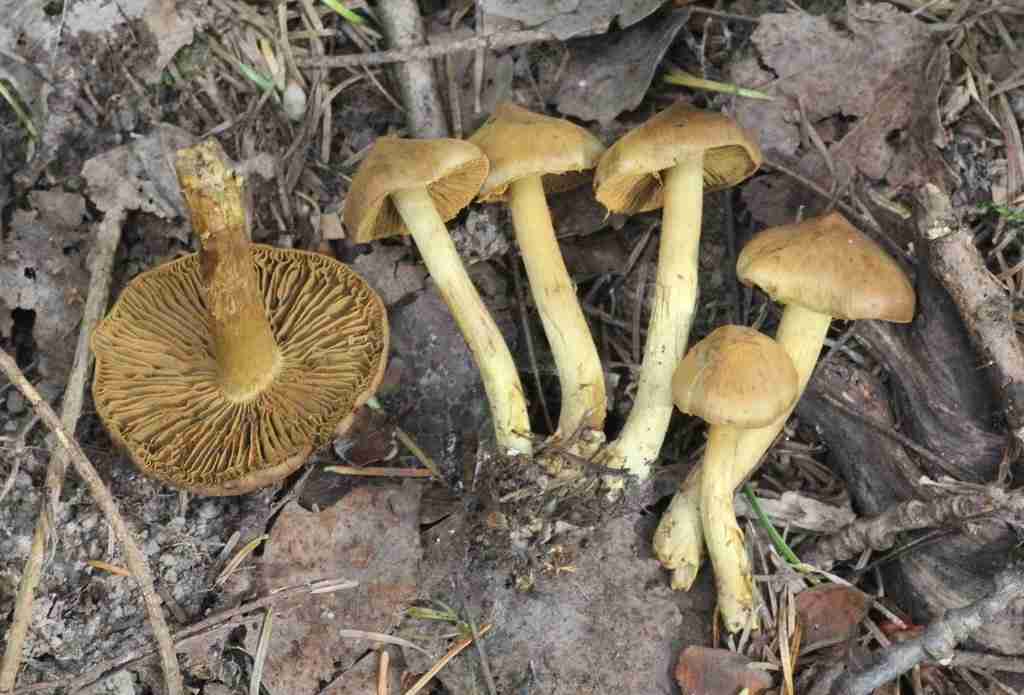
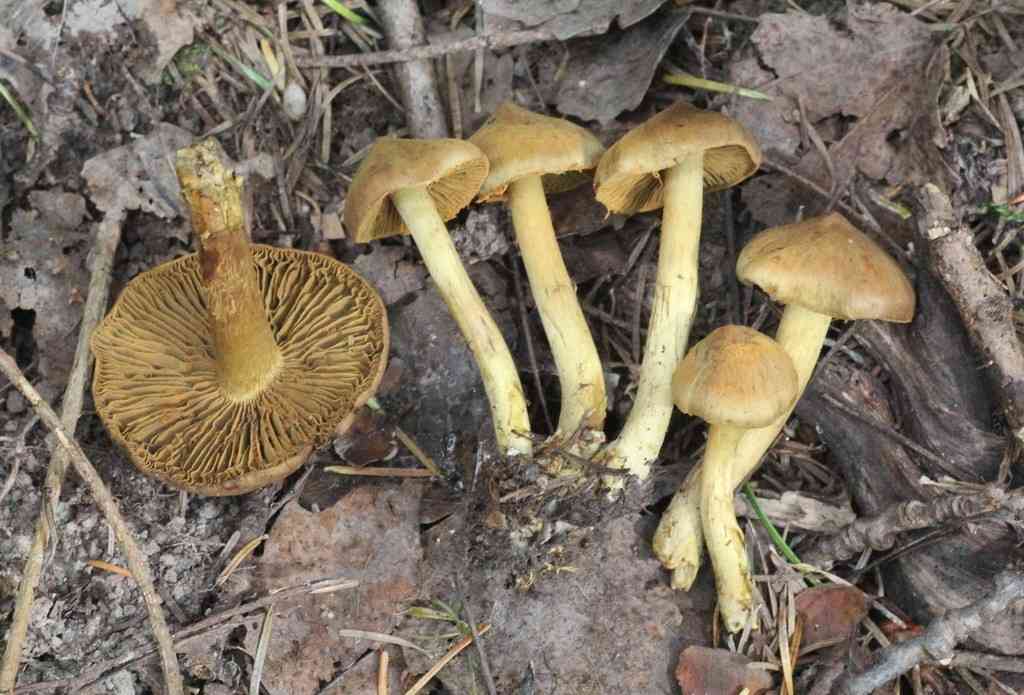
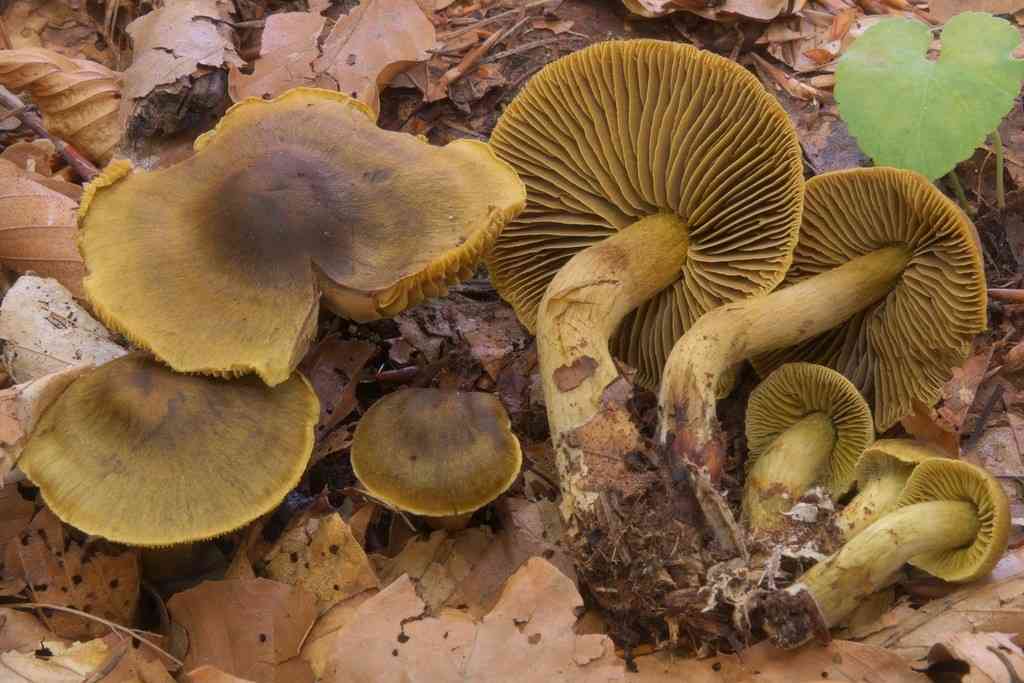
Cap 2 - 5 cm; bell-shaped, then more plane; yellow-olive, eventually brown, or lemon yellow; cuticle fibrillose
Cap Shape
Convex, Central Bump
Cap Surfaces
Smooth, Fibrillose-scaly
Gills
Annexed; close; yellow-olivaceous
Gill Attachment
Notched
Stem
3.5 - 6 cm x 5 mm; cvlindrical base slightly swollen; yellow, olivaceous, with the debris of a veil
Stem Shapes
Cylindrical
Flesh
Fibrous then fistulous in the central axis; yellow-green olive
Ring
With Ring Zone
Spore Print Color
Brown
Odor
Unpleasant, reminiscent of livestock or floral notes.
Body Color
BrownGreenYellowRed
Growth Form
Solitary, Scattered, Gregarious
Nutrient Gathering
Mycorrhizal
Substrate
On soil
You can find Cortinarius olivaceofuscus by these plants
Spruces, Populus, Willows, European beech, Oaks
Endangered Species
No

Scientific Classification of Cortinarius olivaceofuscus

ForwardPlant APP

AI mushroom expert in your pocket

Try for Free
Phylum
Club fungi
Class
Mushroom-forming fungi
Order
Gilled fungi
Family
Cortinariaceae
Genus
Cortinar
⚠️

Toxicity and Edibility of Cortinarius olivaceofuscus

ForwardPlant: Identify & Forage

Your Essential Guide to Edible vs. Toxic Mushrooms. Forage with Confidence!

Try for Free

Is Cortinarius olivaceofuscus Toxic?

Cortinarius olivaceofuscus poses a significant health risk as it carries gastroenteric toxins, resulting in symptoms such as digestive upset, dizziness, impaired vision, and circulatory problems. Although it lacks a popular name, its distinct physical characteristics make it easily identifiable. Nevertheless, ingesting cortinarius olivaceofuscus is strongly cautioned against due to the severe health consequences it entails.


Type of poisoning
Gastrointestinal
Toxic Severity
Low to high toxicity
Incubation Period
0.5-6 hours
Poisoning Symptoms
Digestive issues, vertigo, vision complications, blood circulation troubles.